

 Pregledaj u prostoru
 Pošalji
 Podeli
 Detalji o delu

 Преузми
 Slični predmeti
 Rendgenski snimak
 Slajdovi
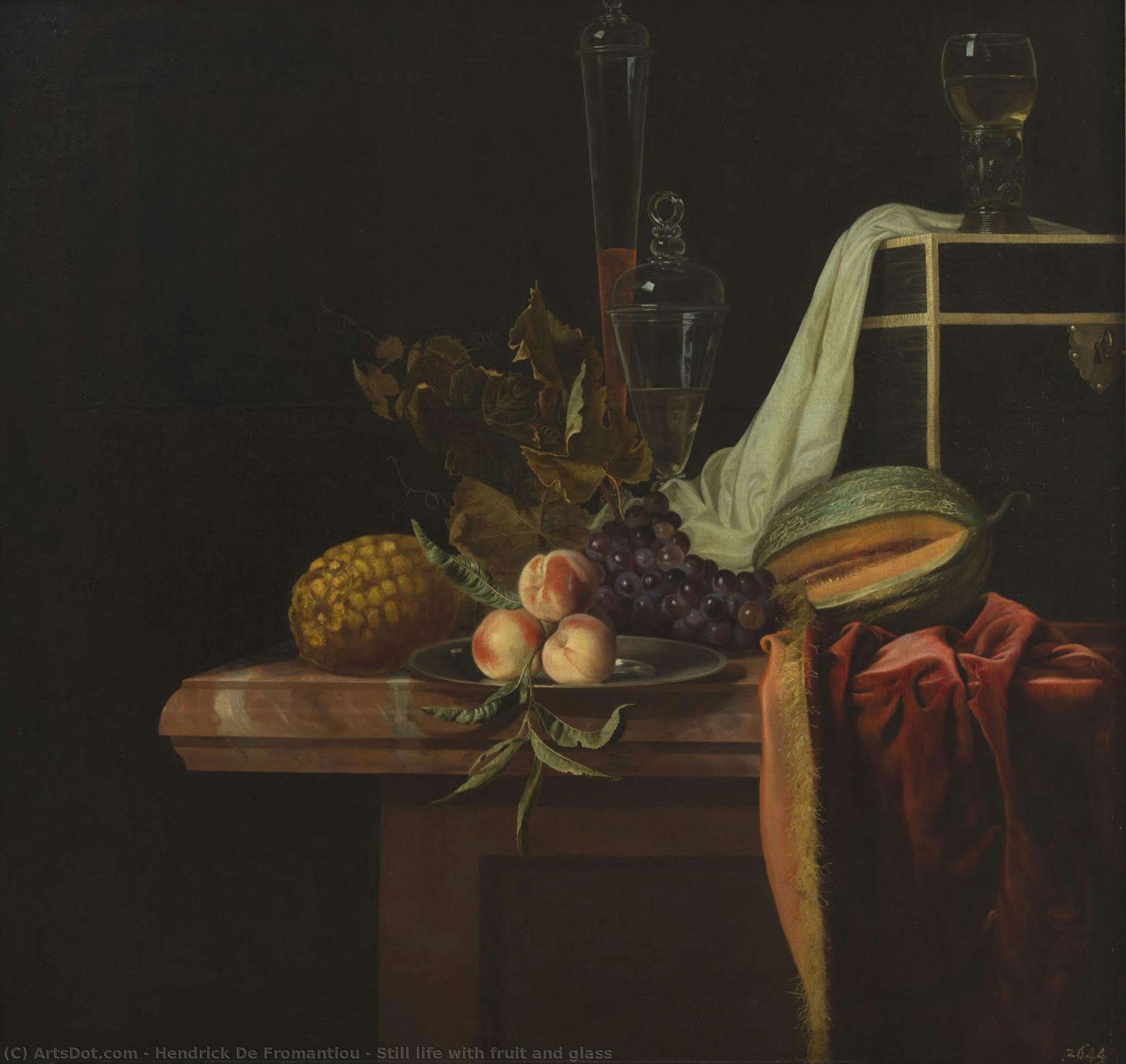
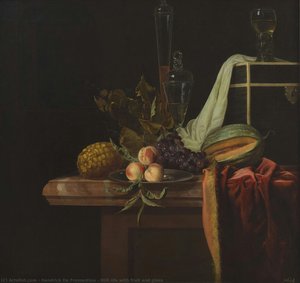
Still life with fruit and glass

 Pročitaj više
Ručno rađena uljana reprodukcija
Ručno oslikano uljanim bojama na platnu u dimenzijama i okviru po vašem izboru, izrađeno po porudžbini od strane naših umetnika. ( Kupi print Kupi digitalnu sliku)




































Izaberite jednu od naših unapred definisanih veličina koje odgovaraju originalnim proporcijama umetničkog dela.

Можете унети сопствене димензије како бисте прилагодили дело одређеном оквиру или простору. Ако одабрана величина не одговара пропорцијама оригинала, слика ће бити исечена или проширена додатним елементима који се ручно насликавају. Дигитални prikaz ће вам бити послат на одобрење пре почетка производње.
Имајте на уму да преглед на екрану не одражава стварно исецање или проширење. Само приказ (mockup) ће тачно приказати коначну композицију.
Иако су доступне прилагођене величине, препоручујемо да одаберете димензију из дефинисане листе како бисте сачували оригиналне пропорције.
Nakon narudžbine, tim ArtsDot.com će klijentu putem e-pošte poslati uputstva i dostaviti prikaz predloženog rešenja
Isporuka širom sveta () za 3/4 nedelje umesto uobičajenih 5 nedelja. (28 август). Bez kompromisa po pitanju kvaliteta.

Besplatna ekspresna dostava širom sveta

Visokokvalitetno laneno platno

Kompletno osiguranje transporta

Garancija povraćaja carine i uvoznih dažbina

Garancija vernosti boja

Politika povrata u roku od 60 dana (samo u slučaju nedostataka)

Garancija povrata novca od 100%

Popust pri grupnoj kupovini
 Opcija sa staklom dostupna je samo za dimenzije manje od 110 cm

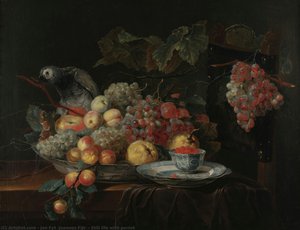
Still life with fruit and glass
Tehnika reprodukcije
Dimenzije reprodukcije
-


Konačna cena
$ 263
Srodna umetnička dela






Biografija umetnika
The Illusionist of the Dutch Golden Age
In the vibrant, bustling landscape of the seventeenth-century art market, few names evoke as much intrigue and technical mastery as Hendrik de Fromantiou. Born in Maastricht around 1633, this Dutch master emerged from a period defined by unparalleled prosperity and an insatiable appetite for visual splendor. His artistic journey was not merely one of brushstrokes and pigments, but a sophisticated dance with reality itself. Through the meticulous application of trompe l’œil—a technique designed to deceive the eye—Fromantiou transformed flat canvases into windows of startling depth, where textures seemed tangible and light appeared to dance across surfaces.
His early development was deeply shaped by the prestigious art circles of Amsterdam. Working under the guidance of the influential dealer Gerrit van Uylenburgh, Fromanti orntio was exposed to the highest standards of classical aesthetics and the burgeoning demand for Italianate masterpieces. This period in Amsterdam allowed him to refine a style characterized by an almost scientific observation of detail. His canvases began to feature the opulent textures that would become his signature: the cool sheen of glassware, the heavy drape of velvet, and the succulent, dew-kissed surfaces of exotic fruits. These works were more than mere decorations; they were status symbols for the wealthy elite, offering a glimpse into a world of luxury and global connection.
A Legacy of Integrity and Royal Service
While his technical prowess earned him fame, it was Fromantiou’s unwavering commitment to artistic truth that secured his place in history. His career reached a dramatic zenith when he moved beyond the studios of The Hague to serve the royal court in Potsdam. Appointed as the conservator of the royal collection for Frederick William III, Elector of Brandenburg, Fromantiou found himself at the center of one of the most significant art scandals of the era. When the dealer Van Uylenburgh attempted to pass off twelve high-quality copies of Italian masterpieces as originals, it was Fromantiou who stood as a guardian of authenticity.
With a courage that challenged the deceptive practices common in the art trade, he meticulously analyzed the works, proving they were mere imitations. This moment of intellectual honesty did more than protect the Elector’s treasury; it elevated the role of the connoisseur from a passive collector to an active, scientific expert. It is a fascinating historical footnote that Johannes Vermeer was among the fifty-one experts called upon to assist in this monumental assessment, highlighting the high level of prestige surrounding Fromantiou's professional circle.
Mastery of the Still Life and Personal Ties
The essence of Fromantiou’s oeuvre lies in his ability to breathe life into the inanimate. His still lifes are masterclasses in composition and light. In his most celebrated works, such as his depictions of fruit and glassware, he utilizes a triangular arrangement to guide the viewer's gaze through a landscape of sensory delights. One might encounter:
- Exoticism and Abundance: The inclusion of subtropical fruits like pineapples and melons, which served as symbols of wealth and the far-reaching reach of Dutch commerce.
- Tactile Contrast: The juxtaposition of hard, reflective surfaces like marble-topped tables against the soft, organic textures of peaches and grapes.
- Atmospheric Depth: The use of dark, shadowy niches to create a sense of mystery and to push the brightly lit subjects forward toward the viewer.
Beyond his professional triumphs, Fromantiou’s life was deeply intertwined with the artistic aristocracy of his time. His marriage to Elisabeth van Voorsthuysen, the daughter of the renowned painter Philip Wouwerman, solidified a lineage of talent and influence. As he resided in Potsdam until his passing after 1693, Fromantiou left behind a legacy that transcends simple imitation. He remains a pivotal figure of the Dutch Baroque, remembered not only as an artist who could trick the eye but as a man who possessed the vision to see the truth behind the illusion.
hendrick de fromantiou
1633 - , Netherlands
Osnovne informacije
- Artistic Movement Or Style: Baroque painting style
- Artists Or Movements Influenced By This Artist: ['Frederick William, Elector of Brandenburg']
- Artists Who Influenced This Artist: ['Philip Wouwerman']
- Date Of Birth: Maastricht, Netherlands (1633)
- Date Of Death: Living
- Full Name: Hendrick de Fromantiou
- Nationality: Dutch
- Notable Artworks:
- Flowers in a Vase with a Passion Flower
- Hunting Still Life
- Place Of Birth: Maastricht

