

 Pošalji
 Podeli
 Detalji o delu

 Преузми
 Slični predmeti
 Slajdovi
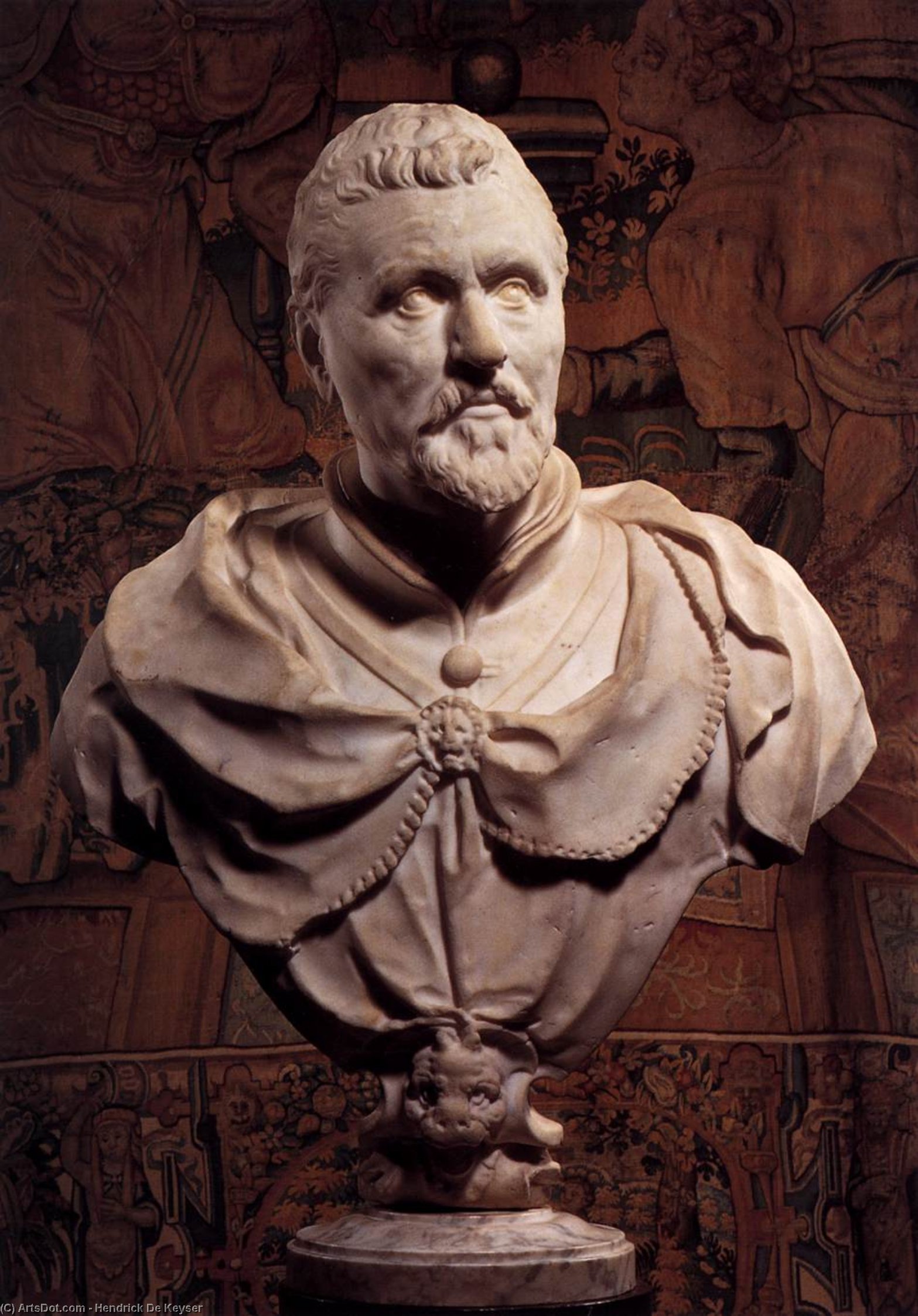
Portrait of Vincent Coster


 Pročitaj više
Ručno rađena uljana reprodukcija
Ručno oslikano uljanim bojama na platnu u dimenzijama i okviru po vašem izboru, izrađeno po porudžbini od strane naših umetnika. ( Kupi print Kupi digitalnu sliku)




































Izaberite jednu od naših unapred definisanih veličina koje odgovaraju originalnim proporcijama umetničkog dela.

Можете унети сопствене димензије како бисте прилагодили дело одређеном оквиру или простору. Ако одабрана величина не одговара пропорцијама оригинала, слика ће бити исечена или проширена додатним елементима који се ручно насликавају. Дигитални prikaz ће вам бити послат на одобрење пре почетка производње.
Имајте на уму да преглед на екрану не одражава стварно исецање или проширење. Само приказ (mockup) ће тачно приказати коначну композицију.
Иако су доступне прилагођене величине, препоручујемо да одаберете димензију из дефинисане листе како бисте сачували оригиналне пропорције.
Nakon narudžbine, tim ArtsDot.com će klijentu putem e-pošte poslati uputstva i dostaviti prikaz predloženog rešenja
Isporuka širom sveta () za 3/4 nedelje umesto uobičajenih 5 nedelja. (23 август). Bez kompromisa po pitanju kvaliteta.

Besplatna ekspresna dostava širom sveta

Visokokvalitetno laneno platno

Kompletno osiguranje transporta

Garancija povraćaja carine i uvoznih dažbina

Garancija vernosti boja

Politika povrata u roku od 60 dana (samo u slučaju nedostataka)

Garancija povrata novca od 100%

Popust pri grupnoj kupovini
 Opcija sa staklom dostupna je samo za dimenzije manje od 110 cm

Portrait of Vincent Coster
Tehnika reprodukcije
Dimenzije reprodukcije
-


Konačna cena
$ 263
Opis umetničkog dela
Portrait of Vincent Coster: A Testament to Renaissance Dignity
The sculpture "Portrait of Vincent Coster," crafted in 1608 by Hendrick de Keyser, stands as an emblem of the Amsterdam Renaissance—a movement that sought to revive classical ideals amidst the burgeoning Baroque era. More than just a likeness of a wealthy vintner and wine-gauger, Vincent Coster, this marble bust embodies the humanist spirit characteristic of its time, reflecting a profound appreciation for human form and intellect. De Keyser’s masterful execution elevates it beyond mere representation into an enduring symbol of civic pride and artistic achievement.- Subject Matter: The sculpture depicts Vincent Coster, a prominent figure in Amsterdam's commercial landscape during the early 17th century. His dignified pose—seated with one hand resting on his thigh—communicates composure and authority, reflecting the values prized by Renaissance thinkers and patrons.
- Style & Technique: De Keyser’s approach aligns closely with Mannerism, a stylistic trend that favored stylized forms and exaggerated expressions over naturalistic representation. However, unlike its predecessors, Mannerism in Amsterdam embraced classical principles of proportion and balance, resulting in an aesthetically refined piece. The sculptor skillfully employed marble—a material rarely utilized by Dutch sculptors at the time—to achieve a luminous surface finish and convey a sense of timeless elegance.
- Historical Context: Created during the Golden Age of Dutch art (roughly 1600-1700), “Portrait of Vincent Coster” reflects the cultural dynamism of Amsterdam, which served as a hub for trade, scholarship, and artistic innovation. The sculpture’s commission underscores the importance placed on commemorating influential individuals and celebrating humanist ideals within the city's intellectual circles.
- Symbolism: The draped toga symbolizes Roman dignity and virtue—values that were central to Renaissance humanism. Furthermore, the meticulous detailing of Coster’s facial features—particularly his gaze—suggests an intention to capture not only physical likeness but also inner character and intellect.
- Further Exploration: Interested in delving deeper into Hendrick de Keyser’s oeuvre? Visit this page for more information about “Portrait of Vincent Coster” and its place within the broader context of Amsterdam Renaissance art.
Srodna umetnička dela
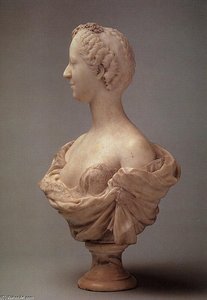
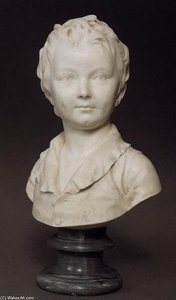
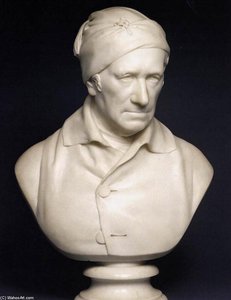
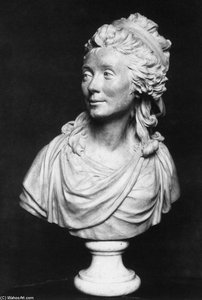
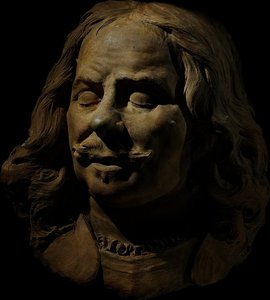
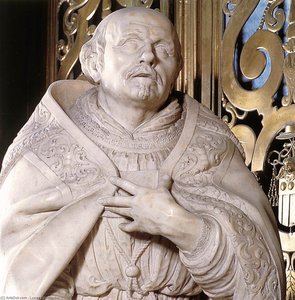
Biografija umetnika
Hendrick de Keyser: Architect of a Dutch Renaissance
Born in Utrecht in 1565, Hendrick de Keyser’s life and career were inextricably linked to the burgeoning artistic and architectural landscape of Amsterdam during the early 17th century. More than just a sculptor or stonemason – titles that barely scratch the surface of his multifaceted talents – De Keyser was a pivotal figure in establishing what is now recognized as the “Amsterdam Renaissance,” a distinctly Dutch interpretation of late Mannerism that profoundly shaped the city’s visual identity and laid the groundwork for subsequent classical styles. His legacy isn't found solely in grand monuments, but also in the subtle elegance and innovative use of decorative elements that define his most celebrated works.
De Keyser’s early apprenticeship under Cornelis Bloemaert, a renowned engineer and architect, provided him with a solid foundation in classical principles. However, it was his relocation to Amsterdam at the age of 26 that truly ignited his creative spirit. Immediately upon arrival, he secured a position as city stonemason and sculptor, a role that encompassed an astonishing breadth of responsibilities – from overseeing construction projects to designing intricate facades and monumental tombs. This multifaceted position afforded him unparalleled access to influential commissions and allowed him to experiment with new approaches to architectural design, ultimately forging his unique artistic voice.
The Rise of the Amsterdam Renaissance
What distinguishes De Keyser’s work – and what elevates it beyond mere imitation of Italian models – is its distinctly Dutch sensibility. While he certainly drew inspiration from classical architecture, as evidenced by the extensive use of pilasters, cornices, and pediments, these elements were rarely employed with slavish adherence to established treatises. Instead, they functioned primarily as decorative flourishes, imbued with a sense of dynamism and ornamentation that reflected the spirit of the age. This departure from rigid formality is most evident in his later works, particularly during the second decade of the 17th century, when his style reached its peak – a vibrant synthesis of classical influences and innovative Dutch design.
De Keyser’s architectural contributions are remarkably diverse, encompassing churches, town halls, commercial buildings, and even private residences. The Zuiderkerk (Southern Church), completed between 1603 and 1611, stands as a testament to his skill and vision, showcasing the grandeur of late Mannerism with its soaring tower and intricate detailing. Similarly, the Delft Town Hall (1618-1620) exemplifies his ability to seamlessly integrate classical elements into a distinctly Dutch context. The Westerkerk (Western Church), begun in 1620 and completed later, further solidified his reputation as a leading architect of his time.
Major Architectural Achievements
Several buildings stand out as particularly significant examples of De Keyser’s oeuvre. The Commodity Exchange, constructed between 1608 and 1613, represents a pivotal moment in Amsterdam's economic development and showcases the scale and ambition of his projects. Though sadly demolished in the 19th century, its design profoundly influenced subsequent commercial buildings. The East India House, likely designed by De Keyser himself, is another notable example, reflecting the growing importance of international trade and demonstrating his understanding of contemporary architectural trends. The Huis Bartolotti, a magnificent canal house completed after his death by his son Pieter, exemplifies his mastery of facade design and decorative elements.
Beyond these monumental structures, De Keyser’s influence extended to smaller-scale projects, including the elaborate tombs commissioned for prominent figures such as William the Silent in Delft and Erasmus in Rotterdam. These works demonstrate his skill as a sculptor and his ability to imbue even funerary monuments with a sense of dignity and artistic merit.
Legacy and Influence
Hendrick de Keyser’s impact on Dutch architecture is undeniable. He played a crucial role in establishing the “Amsterdam Renaissance,” a style that served as a bridge between late Mannerism and the subsequent rise of classical architecture under figures like Jacob van Campen and Pieter Post. His innovative use of decorative elements, his willingness to experiment with new forms, and his commitment to creating visually compelling spaces cemented his place as one of the most important architects of the Dutch Golden Age. Though he died in 1621, his designs continue to inspire awe and admiration, offering a glimpse into a pivotal moment in the history of European architecture.
His work is preserved today through numerous surviving buildings, providing invaluable insights into the artistic and architectural developments of early modern Amsterdam. The Zuiderkerk, Delft Town Hall, and Westerkerk stand as enduring monuments to his genius, reminding us of the profound influence of Hendrick de Keyser on the visual landscape of the Netherlands.
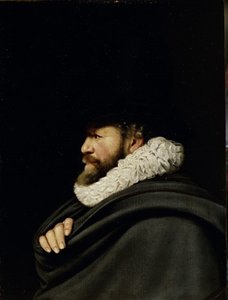
Hendrick de Keyser
1565 - 1621 , Netherlands
Osnovne informacije
- Artistic Movement Or Style: Amsterdam Renaissance, Mannerism
- Artists Or Movements Influenced By This Artist:
- Jacob van Campen
- Pieter Post
- Artists Who Influenced This Artist: ['Cornelis Bloemaert']
- Date Of Birth: May 1565, Utrecht, NL
- Date Of Death: May 1621
- Full Name: Hendrick de Keyser
- Nationality: Dutch
- Notable Artworks:
- Zuiderkerk Amsterdam
- Delft Town Hall
- Westerkerk Amsterdam
- Place Of Birth: Utrecht, Netherlands
Povezani članci
The Enduring Allure of Marble in Art History: From Classical Sculpture to Modern Abstraction
Explore the captivating history of marble sculpture from ancient Greece to modern art. Discover renowned artists like Canova & Michelangelo, carving techniques, and investment insights at ArtsDot.

Bronze Sculptures That Defined Art History | ArtsDot
Journey through art history with our Top 10 bronze sculptures! Explore masterpieces by Rodin, Michelangelo & more. Discover stories behind iconic statues and find museum-quality reproductions for your home decor at ArtsDot.com.

Francisco Goya: 25 Remek-dela Španskog Majstora za Vaš Dom | ArtsDot
Istražite 25 remek-dela Francisca Goya, španskog slikara romantizma i impresionizma. Portreti, tamne slike & istorija umetnosti na ArtsDot.com! Kupite reprodukcije slika vrhunskog kvaliteta za dekoraciju enterijera. Otkrijte celu kolekciju online.

The Enduring Form: Exploring Themes & Techniques in Sculpture Across Historical Periods
Explore the rich history of sculpture from ancient masterpieces to contemporary innovations. Discover key techniques, influential artists & investment potential for discerning art collectors.
The Enduring Form: Sculpture Across History, Technique & Emotional Resonance
Explore the rich history of sculpture with ArtsDot. Discover key techniques, influential artists & investment potential for discerning collectors. Expert insights into valuing and collecting timeless masterpieces.

