


 Pregledaj u prostoru
 Pošalji
 Podeli
 Detalji o delu

 Преузми
 Slični predmeti
 Rendgenski snimak
 Slajdovi
Without Ceres and Bacchus, Venus would Freeze
 Acrylic On Canvas
- WallArt
- Northern Mannerism
 1599
1599 105.0 x 80.0 cm
 Philadelphia Art Museum
 Pročitaj više
Giclee štampa / Umetnički otisak
Giclée štampa ili print na platnu muzejskog kvaliteta uz brzu proizvodnju i fleksibilne opcije završne obrade. ( Kupi ručno naslikanu sliku Kupi digitalnu sliku)




P118B $10

P118H $10

P118W $10

P438Z $10

P508JH $12

P508YH $12

P805H $10

P805Z $10

P919BZ $10

P919G $10

P919XJ $10

P959ZH $10

P968JZ $12

W106C $8

W218G $10

W218JH $8

W218Y $10

W307PJ $10

W316G $10

W316PJ $8

W316Y $10

W398PJ $8

W4111J $10

W500HY $15

W500JH $15

W692G $12

W849H $8

W940BG $15

W953PJ $8




Izaberite jednu od naših unapred definisanih veličina koje odgovaraju originalnim proporcijama umetničkog dela.

Možete uneti sopstvene dimenzije kako biste umetničko delo prilagodili specifičnom okviru ili prostoru. Ako odabrani format ne odgovara proporcijama originalne slike, mi ćemo ili iscrtati deo dela ili proširiti sliku pomoću ogledane ivice ili jednobojnog popunjavanja. Digitalni prikaz će vam biti poslat na odobrenje pre početka proizvodnje.
Imajte na umu da pregled na ekranu ne odražava stvarno iscrtavanje ili proširivanje. Samo će prikaz (mockup) precizno pokazati finalnu kompoziciju.
Iako su prilagođene dimenzije dostupne, preporučujemo da odaberete dimenziju sa unapred definisane liste kako biste očuvali originalne proporcije.
Dostava širom sveta () za 2 nedelje umesto uobičajenih 4/5 nedelja. (21 август)

Besplatna ekspresna dostava širom sveta

Visokokvalitetno laneno platno

Kompletno osiguranje transporta

Garancija povraćaja carine i uvoznih dažbina

Garancija vernosti boja

Politika povrata u roku od 60 dana (samo u slučaju nedostataka)

Garancija povrata novca od 100%

Popust pri grupnoj kupovini
 Opcija sa staklom dostupna je samo za dimenzije manje od 110 cm

Without Ceres and Bacchus, Venus would Freeze
Giclee štampa / Umetnički otisak
Dimenzije reprodukcije
-


Konačna cena
$ 62
Opis predmeta
The Frozen Heart of Desire: Hendrick Goltzius’s “Without Ceres and Bacchus, Venus Would Freeze”
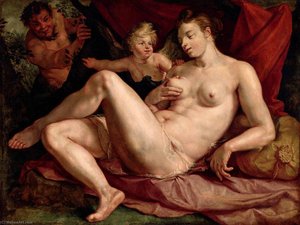
Hendrik Goltzius's "Without Ceres and Bacchus, Venus Would Freeze," painted in 1599, is more than just a depiction of Roman mythology; it’s a poignant meditation on the very nature of love, pleasure, and their essential ingredients. This masterful engraving, rendered with an exquisite attention to detail that belies its relatively modest scale, captures a scene brimming with sensual energy yet subtly hinting at the precariousness of such passions. The composition centers around Venus, reclining languidly amidst a gathering of mythological figures – her devoted Cupid, the bountiful Ceres, and the exuberant Bacchus – all seemingly caught in a moment of revelry. Yet, beneath this surface of joyous abandon lies an underlying tension, a suggestion that without the vital sustenance provided by these deities, beauty itself would wither and fade. The painting’s genesis is rooted in Terence's witty proverb, “Sine Cerere et Libero friget Venus,” which translates to "Without Ceres and Bacchus, Venus would freeze." This phrase, deeply ingrained in Renaissance thought, encapsulated the belief that love requires both nourishment – represented by Ceres, goddess of agriculture and abundance – and indulgence – embodied by Bacchus, god of wine and revelry. Goltzius’s engraving brilliantly visualizes this concept, transforming a simple adage into a complex tableau of interconnected desires. Notice how Venus, the embodiment of beauty and passion, is not simply enjoying herself; she's actively receiving offerings from Cupid and Bacchus, suggesting a dependence on these external forces to sustain her allure. Ceres, with her sheaf of wheat, subtly underscores the idea that love needs sustenance – both physical and emotional – to thrive. Goltzius’s technical skill is immediately apparent in the intricate detail of the engraving. He masterfully employs the burin technique, creating a remarkable range of tonal values through subtle variations in line weight and pressure. The “swelling line,” a signature element of Goltzius's style, allows him to build up areas of shading with astonishing realism, giving depth and volume to the figures and their surroundings. Observe how he renders the folds of Venus’s drapery, the texture of Bacchus’s barrel, and the delicate details of Cupid’s wings – each element executed with painstaking precision. This level of technical virtuosity was not merely a demonstration of skill; it served to heighten the emotional impact of the scene, drawing the viewer into its world of sensual delight and underlying vulnerability. The historical context surrounding this work is equally fascinating. Goltzius worked primarily in Haarlem during the early Baroque period, a time when Northern Mannerism – characterized by its emphasis on elegant lines, intricate detail, and often melancholic themes – was flourishing. His patronage came largely from wealthy brewers who were eager to associate their products with classical mythology and refined aesthetics. This connection between art and commerce is evident in the painting’s overall atmosphere of opulent indulgence, reflecting the prosperity and sophistication of Haarlem at the time. Furthermore, Goltzius's own personal life – marked by an unhappy marriage and a physical disability – likely informed his exploration of themes related to desire, loss, and the fleeting nature of beauty. The emotional impact of “Without Ceres and Bacchus, Venus Would Freeze” is surprisingly profound. While superficially depicting a scene of joyous celebration, the engraving subtly conveys a sense of melancholy and fragility. The figures are not simply enjoying themselves; they seem trapped in a cycle of desire, forever dependent on external forces to sustain their passions. The frozen expression on Venus’s face hints at the potential for disappointment and disillusionment, suggesting that even the most beautiful love can wither without proper nourishment. It's a reminder that true fulfillment requires more than just fleeting pleasures; it demands connection, sustenance, and a deeper understanding of one’s own needs and desires. This engraving remains a timeless testament to the complexities of human emotion and the enduring power of classical mythology.Details & Specifications
- Title: Without Ceres and Bacchus, Venus Would Freeze
- Artist: Hendrick Goltzius
- Date: 1599
- Medium: Engraving (Burin on Buff Laid Paper)
- Dimensions: 105 x 80 cm (approximately)
- Current Location: Private Collection
Reproductions & Considerations
High-quality reproductions of “Without Ceres and Bacchus, Venus Would Freeze” are available through various art reproduction services. When selecting a print, consider the following factors: archival quality paper is essential to preserve the richness of Goltzius’s detailed engraving; canvas prints offer a textured surface that mimics the original artwork's tactile qualities; and framing options should complement the painting’s elegant composition. A professionally framed piece will significantly enhance its visual impact and elevate it as a stunning addition to any interior space.
Srodna umetnička dela
Biografija umetnika
Rano život i obrazovanje
Hendrik Goltzius, holandski grafičar, crtač i slikar nemačkog porekla, rođen je u januaru ili februaru 1558. godine. Bio je vodeći holandski gravir u ranoj baroknoj periodi, odnosno severnom manierizmu, slavljen zbog svoje sofisticirane tehnike i "obilja" svojih kompozicija. Prema rečima A. Hjata Mejora, Goltzius je "bio poslednji profesionalni gravir koji je crtao sa autoritetom dobrog slikara i poslednji koji je izmišljao mnoge slike koje su drugi kopirali". Porodica Goltziusa preselila se u Duisburg kada mu je bilo tri godine, a nakon što je pod očevim nadzorom proučavao slikanje na staklu, umeće graviranja naučio je od holandskog polimata Dirka Volckertszoona Coornherta.Umetnička karijera
Godine 1577, Goltzius se sa Coornhertom preselio u Harlem u Holandskoj Republici, gde će ostati baziran do kraja svog života. Takođe je bio angažovan od strane Filipa Gallea na graviranju seta printova iz istorije Lukrecije. Goltzius je imao deformisanu desnu ruku usled požara koji je izbio dok je bio beba, što se ispostavilo da je bilo posebno pogodno za držanje burina. Ova jedinstvena fizička karakteristika omogućila mu je da ovlada impresivnim pokretom linije, čineći njegove gravure izuzetno prepoznatljivim. Hendrik Goltzius je do nezapamćenog nivoa podigao upotrebu "proširujuće linije" (swelling line), gde se burinom manipuliše kako bi linije postale deblje ili tanje, stvarajući tonalni efekat vidljiv sa distance.Tehnika i stil
Goltacija je bio pionir tehnike "tačke i romba", gde se tačke postavljaju u sredinu prostora u obliku romba stvorenih ukrštanjem linija kako bi se dodatno usavršilo tonalno senčenje. Kaže se da njegovo vladanje burinom parira Düreru, a izrađivao je i gravure po slikama Bartholomeusa Sprangera, čime je povećao slavu ovog drugog – kao i sopstvenu. Goltzius je počeo da slika tek u četrdeset drugoj godini života; neki od njegovih radova mogu se naći u Beču. Takođe je izvršio nekoliko drvoreza u tehnici kjaroskura.Javne kolekcije i nasleđe
Većina značajnih grafičkih dvorana poseduje grupu Goltziusovih brojnih gravura, uključujući Muzej Boijmans van Beuningen, Rijksmuseum Amsterdam i The Metropolitan Museum of Art. Njegovo nasleđe je vidljivo u delima drugih umetnika, kao što je Jacques Bellange, koji je takođe bio majstor severno-manirističke grafike. Goltziusove gravure i slike nastavljaju da inspirišu ljubitelje umetnosti i naučnike, a njegova dela mogu se pronaći na ArtsDot.com i u Wikipedia članku posvećenom njegovom životu i radu.- Neka od Goltziusovih značajnih dela uključuju: Jupiter, Minerva i prorok Baruh
- Muzeji sa njegovim radovima: Los Angeles County Museum of Art, Philadelphia Museum of Art i British Museum
- Tehnike koje je Goltzius koristio: tehnika "proširujuće linije" i tehnika "tačke i romba"
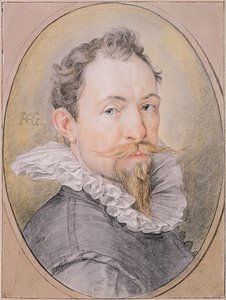
Hendrik Goltzius
1558 - 1617 , Italija
Osnovne informacije
- Artistic Movement Or Style: Severni manierizam i barokna gravura
- Artists Or Movements Influenced By This Artist: ['Žak Belanj']
- Artists Who Influenced This Artist:
- Dirk Volkertson Kornert
- Bartolome Spranger
- Date Of Birth: Januar ili februar 1558.
- Full Name: Hendrik Goltzius
- Nationality: Holandski
- Notable Artworks:
- Obožavanje pastira
- Arkadski pejzaž
- Glava sirene
- Herkul ubija Kakusa
- Demogorgon i božanstva
- Apolon Belvedere
- Poslednja večera
- Friderik de Fries (umro 1613)
- Place Of Birth: Braunschweig, Italija
Povezani članci
Hendrick Goltzius: Master Engraver & the Flourishing of Dutch Mannerism
Explore the life & art of Hendrick Goltzius, a master engraver of Dutch Mannerism. Discover his innovative techniques, iconic engravings like 'Jahel', and lasting influence on Baroque art. Learn about collecting Goltzius today.
Echoes of Olympus: Mythological Narratives in Western Art Through the Ages
Explore the captivating history of mythological narratives in Western art! From ancient Greece to modern masterpieces, discover iconic artworks & symbolism. Expert analysis and high-quality reproductions at ArtsDot.
Mannerism: Bridging Renaissance Harmony & Baroque Drama – A Study of Style & Affectation
Explore the fascinating world of Mannerism! Discover its key characteristics, pioneering artists like Pontormo & Bronzino, and its pivotal role in bridging Renaissance harmony to Baroque drama. A comprehensive guide for art enthusiasts.
Sebastiano del Piombo: Bridging Venetian Colorism & Roman Grand Manner Portraiture
Explore the captivating art of Sebastiano del Piombo, a Renaissance master bridging Venetian colorism & Roman grandeur. Discover his iconic portraits and lasting influence on art history. Learn more at ArtsDot.
Sandro Botticelli: 25 Remek-dela Renesansnog Majstora za Vaš Dom | ArtsDot
Uronite u svet Sandro Botticellija! Otkrijte 25 remek-dela renesansnog majstora – od Venere do Primavera. Istorija umetnosti, tehnike i inspiracija za dekoraciju enterijera. Kvalitetne reprodukcije slika na ArtsDot.com.

