

 Pregledaj u prostoru
 Pošalji
 Podeli
 Detalji o delu

 Преузми
 Slični predmeti
 Rendgenski snimak
 Slajdovi
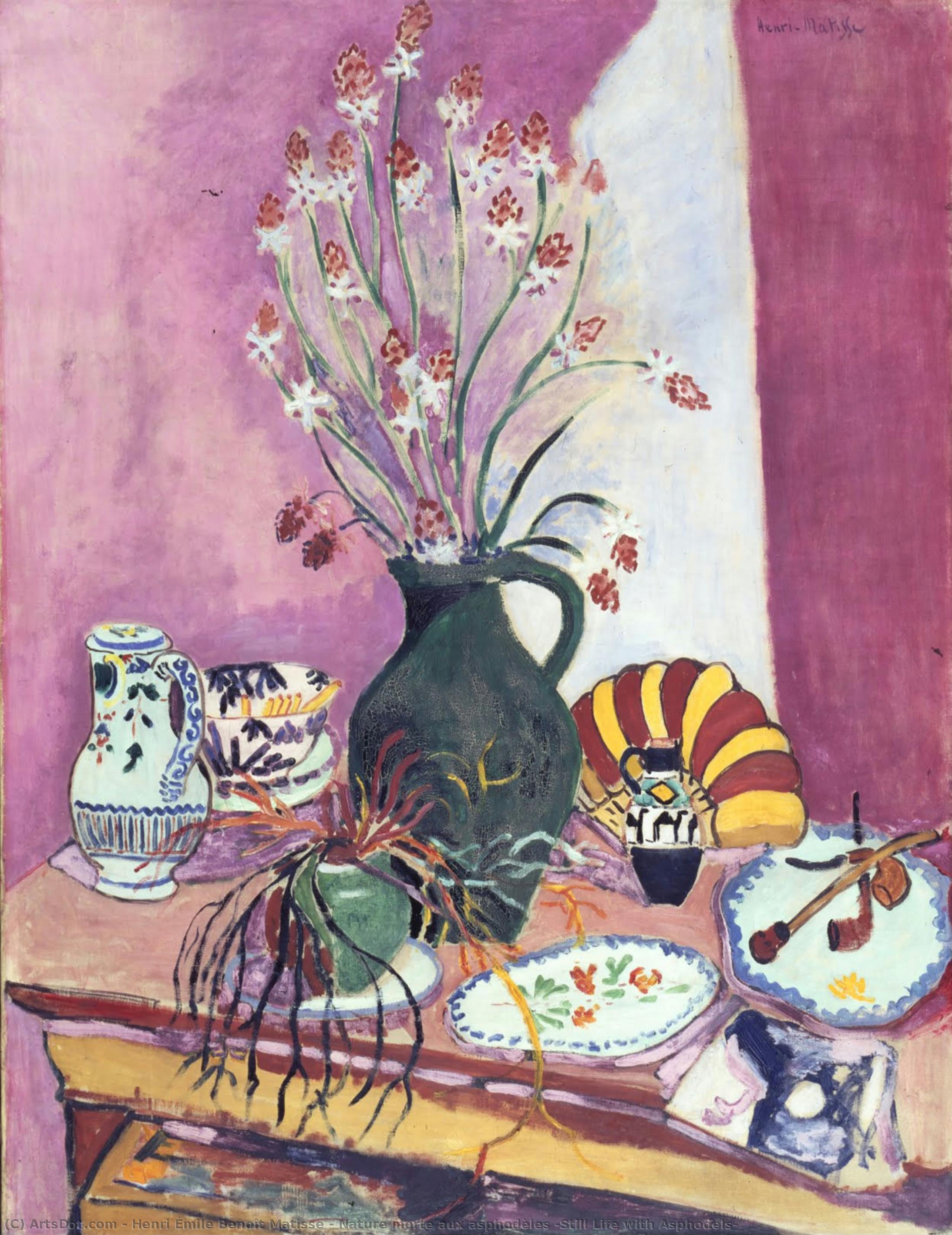
Nature morte aux asphodèles (Still Life with Asphodels)


 Pročitaj više
Giclee štampa / Umetnički otisak
Giclée štampa ili print na platnu muzejskog kvaliteta uz brzu proizvodnju i fleksibilne opcije završne obrade. ( Kupi ručno naslikanu sliku Kupi digitalnu sliku)




P118B $10

P118H $10

P118W $10

P438Z $10

P508JH $12

P508YH $12

P805H $10

P805Z $10

P919BZ $10

P919G $10

P919XJ $10

P959ZH $10

P968JZ $12

W106C $8

W218G $10

W218JH $8

W218Y $10

W307PJ $10

W316G $10

W316PJ $8

W316Y $10

W398PJ $8

W4111J $10

W500HY $15

W500JH $15

W692G $12

W849H $8

W940BG $15

W953PJ $8




Izaberite jednu od naših unapred definisanih veličina koje odgovaraju originalnim proporcijama umetničkog dela.

Možete uneti sopstvene dimenzije kako biste umetničko delo prilagodili specifičnom okviru ili prostoru. Ako odabrani format ne odgovara proporcijama originalne slike, mi ćemo ili iscrtati deo dela ili proširiti sliku pomoću ogledane ivice ili jednobojnog popunjavanja. Digitalni prikaz će vam biti poslat na odobrenje pre početka proizvodnje.
Imajte na umu da pregled na ekranu ne odražava stvarno iscrtavanje ili proširivanje. Samo će prikaz (mockup) precizno pokazati finalnu kompoziciju.
Iako su prilagođene dimenzije dostupne, preporučujemo da odaberete dimenziju sa unapred definisane liste kako biste očuvali originalne proporcije.
Dostava širom sveta () za 2 nedelje umesto uobičajenih 4/5 nedelja. (7 септембар)

Besplatna ekspresna dostava širom sveta

Visokokvalitetno laneno platno

Kompletno osiguranje transporta

Garancija povraćaja carine i uvoznih dažbina

Garancija vernosti boja

Politika povraćaja u roku od 100 dana (isključivo u slučaju nedostataka)

Garancija povrata novca od 100%

Popust pri grupnoj kupovini
 Opcija sa staklom dostupna je samo za dimenzije manje od 110 cm

Nature morte aux asphodèles (Still Life with Asphodels)
Giclee štampa / Umetnički otisak
Dimenzije reprodukcije
-


Konačna cena
$ 62
The Languid Beauty of Still Life
To gaze upon this arrangement, Nature morte aux asphodèles, is to step into a moment suspended between vibrant life and inevitable decay. Matisse’s handling of the still life genre transcends mere documentation; it becomes an eloquent meditation on existence itself. The composition centers around a generous vase overflowing with asphodels, their forms rendered with a palpable sense of weight and lushness. Surrounding this focal point, potted plants anchor the scene to a richly textured table surface, while the inclusion of simple objects—the delicate cups and the central bowl—grounds the ethereal beauty in tangible reality. It is a close-up intimacy that invites the viewer to lean in, to observe the subtle interplay of light catching on porcelain and the velvety texture of petals.
A Brushstroke of Fauvist Emotion
While Matisse’s career spanned diverse stylistic explorations, this work carries the unmistakable resonance of his mature period. Though perhaps not bursting with the raw, unbridled color shock of his most famous Fauve canvases, the underlying spirit remains: an insistence on emotional truth over mere optical fidelity. His technique allows the colors to sing against each other, creating a vibrant harmony that speaks directly to the viewer's inner landscape. The application of paint is masterful; one can almost feel the gesture of the brush, the confident sweep that builds form while simultaneously suggesting movement within the arrangement. It is art that feels both meticulously composed and spontaneously alive.
Symbolism Woven in Petals
The choice of subject matter—the asphodel—is deeply evocative. In various traditions, these flowers carry potent symbolism, often associated with remembrance, sleep, or the threshold between worlds. Paired with the quiet domesticity suggested by the cups and bowl, the still life becomes a poignant allegory. It speaks to the passage of time, the cyclical nature of beauty that flourishes only to fade. For the collector or designer, this depth means the piece offers more than just decoration; it provides a continuous source of contemplation, a visual poem about memory and transience.
Bringing Matisse Home: Decorating with Depth
For those seeking to integrate the spirit of modern masters into a contemporary living space, a reproduction of this work offers unparalleled sophistication. The rich palette and complex arrangement make it an ideal centerpiece for a dining room or drawing-room. It possesses enough visual weight through its subject matter—the abundance of life in the flowers—to anchor a wall, yet its inherent elegance ensures it complements various interior styles, from bohemian maximalism to refined modernism. Owning this piece is not merely acquiring art; it is curating an atmosphere steeped in artistic history and quiet contemplation.
Srodna umetnička dela
Biografija umetnika
Early Life and Artistic Beginnings
- Born: December 31, 1869, Le Cateau-Cambrésis, France
- Died: November 3, 1954, Nice, France
- Matisse's early life was marked by a period of illness in his youth which led him to pursue art as a hobby.
- He initially studied law but abandoned it to dedicate himself to painting.
- Early influences included Gustave Moreau and Édouard Manet, whose works he encountered during trips to Paris.
- His initial artistic style leaned towards realism before evolving into more experimental approaches.
The Fauvist Period and Artistic Development
- Matisse became a leading figure in the Fauvist movement around 1905.
- Fauvism, meaning "wild beasts," was characterized by its intense, non-naturalistic use of color.
- Key works from this period include "Woman with a Hat" (1905) and "The Joy of Life" (1906).
- He sought to express emotion through bold colors rather than representational accuracy.
- His approach challenged conventional artistic norms and sparked considerable controversy.
Mature Style and Continued Exploration
- After Fauvism, Matisse developed a more refined and decorative style.
- He explored flattened forms, simplified compositions, and intricate patterns.
- Travels to North Africa (Morocco) significantly influenced his palette and subject matter.
- His works from this period often feature luxurious interiors, portraits of women, and landscapes with vibrant colors.
- Notable paintings include "Moroccan in Green" (1911) and various depictions of dancers.
Later Years: Cut-Outs and Legacy
- In his later years, Matisse faced health challenges that limited his ability to paint traditionally.
- He innovatively developed a technique using cut-out paper collages.
- These "cut-outs" involved cutting shapes from colored paper and arranging them into compositions.
- The Chapelle de la Médiathèque in Nice, France, is a testament to his late work, featuring murals created with this technique.
- Historical Significance: Matisse's contributions to modern art are immense. He profoundly influenced subsequent generations of artists and helped shape the development of abstract expressionism and other movements. His emphasis on color, form, and decorative elements continues to inspire artists today.
Key Influences and Artistic Relationships
- Paul Cézanne: Matisse admired Cézanne's structural approach to painting and his exploration of form.
- Pablo Picasso: A contemporary and rival, Picasso shared a similar drive to revolutionize art. Their artistic dialogues shaped the course of 20th-century art.
- Gertrude Stein & Etta Cone: These American collectors were significant patrons of Matisse's work and played a crucial role in his career.
- Japanese Prints: The simplicity, flat planes, and bold patterns of Japanese prints deeply influenced Matisse’s aesthetic sensibilities.
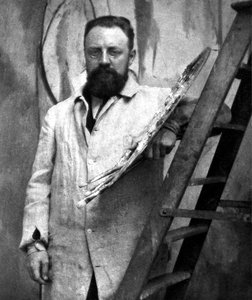
henri émile benoît matisse
1869 - 1954 , France
Osnovne informacije
- Artistic Movement Or Style: Fauvism, Post-Impressionism
- Date Of Birth: December 31, 1869
- Date Of Death: 1954
- Full Name: Henri Émile Benoît Matisse
- Nationality: French
- Notable Artworks:
- Carla Accardi Grigo Bruno
- The Banks of the Marne
- Belle-Île, rochers
- Moroccan in Green
- Place Of Birth: Le Cateau-Cambrésis, France
Povezani članci
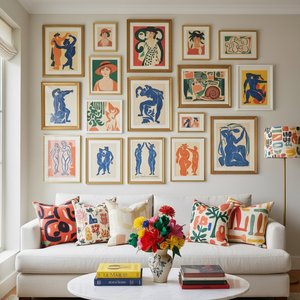
Henri Matisse: 25 Remek-dela koji definišu boju i modernu umetnost | ArtsDot
Uronite u svet Henri Matissea! Istražite 25 remek-dela Fauvizma i moderne umetnosti. Otkrijte priče iza slika, tehnike i inspiraciju slavnog francuskog slikara. Reprodukcije vrhunskog kvaliteta dostupne na ArtsDot.com.
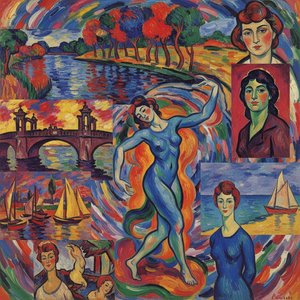
Fauvism's Boldest Visions: 10 Masterpieces That Revolutionized Modern Art | ArtsDot
Explore 10 Fauvist masterpieces by Matisse, Derain & Vlaminck that ignited Modern Art! Discover bold colors, expressionist landscapes & the history of this revolutionary movement. Find museum-quality prints at ArtsDot.com.
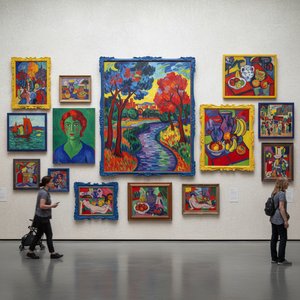
Fovizam: 10 Remek Dela Koje Su Definisali Ovaj Revolucionarni Pokret
Otkrijte 10 remek dela fovizma – umetnosti boja i emocija! Istražite radove Matisa, Deraina i Vlamincka. Naučite o ekspresionizmu i modernoj umetnosti. Pronađite inspiraciju za svoj enterijer na ArtsDot.com!
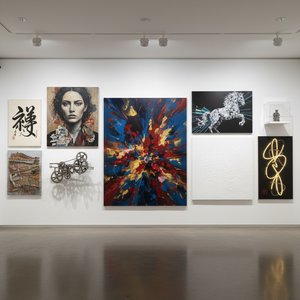
Bold Strokes & Powerful Visions: 10 Artworks That Command Attention | ArtsDot
Experience art's raw power! Explore 10 iconic paintings – Van Gogh, Kahlo & more – that define 'bold'. Discover the stories behind these expressive masterpieces and find museum-quality reproductions for your home at ArtsDot.com.
Henri Matisse: A Revolutionary Use of Color and Form in Modern Art
Explore the revolutionary art of Henri Matisse! Discover his bold use of color, Fauvist origins, and lasting impact on modern painting. A comprehensive guide for art enthusiasts.