 Pregledaj u prostoru
 Pošalji
 Podeli
 Detalji o delu

 Преузми
 Slični predmeti
 Rendgenski snimak
 Slajdovi
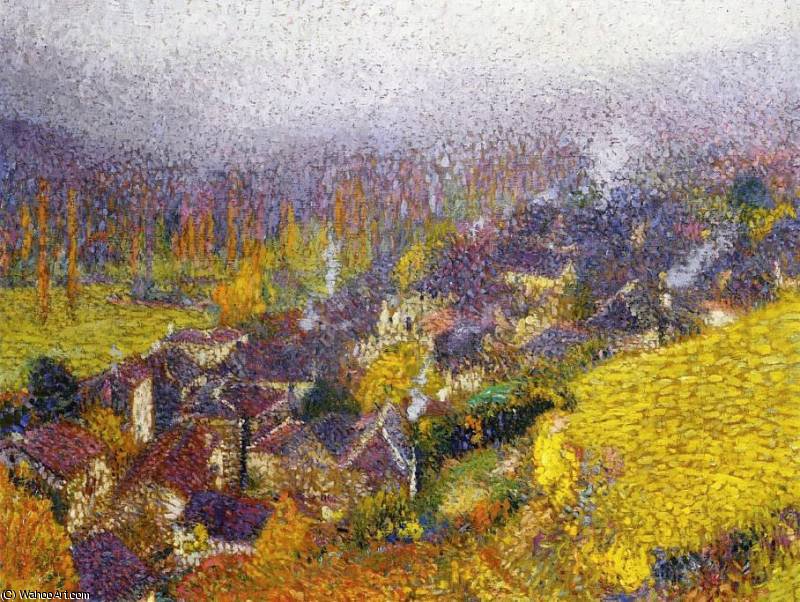
Autumn over Labastide du Vert


 Pročitaj više
Ručno rađena uljana reprodukcija
Ručno oslikano uljanim bojama na platnu u dimenzijama i okviru po vašem izboru, izrađeno po porudžbini od strane naših umetnika. ( Kupi print Kupi digitalnu sliku)




































Izaberite jednu od naših unapred definisanih veličina koje odgovaraju originalnim proporcijama umetničkog dela.

Можете унети сопствене димензије како бисте прилагодили дело одређеном оквиру или простору. Ако одабрана величина не одговара пропорцијама оригинала, слика ће бити исечена или проширена додатним елементима који се ручно насликавају. Дигитални prikaz ће вам бити послат на одобрење пре почетка производње.
Имајте на уму да преглед на екрану не одражава стварно исецање или проширење. Само приказ (mockup) ће тачно приказати коначну композицију.
Иако су доступне прилагођене величине, препоручујемо да одаберете димензију из дефинисане листе како бисте сачували оригиналне пропорције.
Nakon narudžbine, tim ArtsDot.com će klijentu putem e-pošte poslati uputstva i dostaviti prikaz predloženog rešenja
Isporuka širom sveta () za 3/4 nedelje umesto uobičajenih 5 nedelja. (29 август). Bez kompromisa po pitanju kvaliteta.

Besplatna ekspresna dostava širom sveta

Visokokvalitetno laneno platno

Kompletno osiguranje transporta

Garancija povraćaja carine i uvoznih dažbina

Garancija vernosti boja

Politika povrata u roku od 60 dana (samo u slučaju nedostataka)

Garancija povrata novca od 100%

Popust pri grupnoj kupovini
 Opcija sa staklom dostupna je samo za dimenzije manje od 110 cm

Autumn over Labastide du Vert
Tehnika reprodukcije
Dimenzije reprodukcije
-


Konačna cena
$ 263
A Golden Embrace: "Autumn over Labastide du Vert" by Henri Jean Guillaume Martin
Step into a tranquil moment captured in time with Henri Jean Guillaume Martin’s “Autumn over Labastide du Vert,” painted in 1920. This captivating landscape transports the viewer to a picturesque French village nestled within rolling hills, bathed in the warm hues of autumn. The scene is dominated by a hillside ablaze with yellow foliage, a testament to the season's vibrant beauty. Scattered amongst the trees are charming houses, some punctuated by striking red accents that create a delightful visual contrast against the golden backdrop. A train quietly traverses the countryside, adding a touch of modernity and movement to this otherwise serene vista. The presence of figures subtly engaged in daily life further grounds the scene in reality, evoking a sense of community and timelessness.Impressionistic Technique & Artistic Influences
Martin’s style firmly places him within the Impressionist tradition, though his work also reveals influences from Pointillism and Symbolism. He masterfully employs broken brushstrokes and a luminous palette to capture the fleeting effects of light and atmosphere. Notice how he doesn't blend colors completely; instead, allowing them to mix optically in the viewer’s eye, creating a shimmering effect that is characteristic of Impressionism. Martin’s training under Jules Garipuy at the Toulouse School of Fine Arts and later with Jean-Paul Laurens in Paris provided him with a strong foundation in classical techniques while simultaneously exposing him to avant-garde movements shaping the artistic landscape of his time. His work reflects an appreciation for Italian Renaissance masters, evident in the composition's balance and harmonious color relationships.A Glimpse into Rural Life & Historical Context
Painted in 1920, "Autumn over Labastide du Vert" offers a window into post-World War I France – a period of rebuilding and renewed appreciation for the simple pleasures of life. The inclusion of the train subtly acknowledges the burgeoning industrial age while simultaneously celebrating the enduring beauty of rural landscapes. Labastide du Vert itself is a real village in southwestern France, lending authenticity to Martin’s depiction. This painting isn't merely a scenic view; it's a document of a specific time and place, reflecting a desire for tranquility and connection with nature amidst societal change.Emotional Resonance & Decorative Appeal
Beyond its technical brilliance and historical significance, "Autumn over Labastide du Vert" evokes a profound sense of peace and nostalgia. The warm color palette and gentle composition create an atmosphere of quiet contemplation, inviting the viewer to pause and appreciate the beauty of the natural world. This artwork is ideal for interior designers seeking to infuse spaces with warmth, sophistication, and a touch of French charm. Its harmonious colors complement a wide range of décor styles, from traditional to contemporary, making it a versatile addition to any home or office. The painting’s gentle subject matter and inviting atmosphere make it particularly well-suited for bedrooms, living rooms, or studies – spaces designed for relaxation and reflection.Srodna umetnička dela
Biografija umetnika
A Toulouse Son: The Life and Art of Henri Jean Guillaume Martin
Henri Jean Guillaume Martin, born in the heart of Toulouse on August 5th, 1860, emerged as a pivotal figure in the transition from Impressionism to Symbolism and early Pointillism. His story is one of artistic conviction, nurtured by a supportive yet initially hesitant father—a cabinet maker who eventually yielded to his son’s fervent desire to paint. This early encouragement proved foundational, setting Martin on a path that would lead him through rigorous academic training and ultimately, to the embrace of innovative techniques and a deeply personal artistic vision. He began his formal studies at the Toulouse School of Fine Arts under Jules Garipuy in 1877, laying the groundwork for his future explorations. A scholarship then propelled him to Paris, where he honed his skills within Jean-Paul Laurens’ studio, absorbing diverse influences that would shape his unique style. Martin wasn't merely a student of technique; he was an observer of light, color, and the subtle nuances of human emotion—qualities that would become hallmarks of his mature work.From Academic Roots to Luminous Landscapes
Martin’s artistic journey wasn’t one of immediate rebellion against established norms. He initially excelled within the academic system, earning recognition at the Paris Salon in 1886 and securing a coveted scholarship for an Italian tour in 1887. This sojourn proved transformative. Immersed in the works of Renaissance masters like Giotto and Masaccio, he developed a profound appreciation for composition, form, and the expressive power of color. However, Italy also sparked a shift towards a more luminous palette and a fascination with capturing fleeting moments of light—influences that would gradually distance him from strict academic conventions. His 1889 canvas submission to the Salon garnered significant acclaim, earning him a gold medal for work described as Pointillist, signaling his embrace of this innovative technique. This wasn’t simply an adoption of style; Martin infused Pointillism with his own sensibility, using it not merely as a scientific exercise but as a means to evoke atmosphere and emotion. He became increasingly associated with the Symbolist painter Puvis de Chavannes, whose emphasis on idealized forms and allegorical themes resonated deeply with Martin's evolving aesthetic.A Master of Light and Atmosphere
Martin’s mature work is characterized by a remarkable ability to capture the essence of light and atmosphere. His landscapes, particularly those depicting Brittany and Collioure, are bathed in a radiant glow, evoking a sense of tranquility and poetic reverie. He wasn't interested in merely replicating nature; he sought to convey its emotional impact—the feeling of warmth on the skin, the scent of salt air, the stillness of a summer afternoon. His technique, while rooted in Pointillism, evolved into something more fluid and expressive. He employed small, carefully placed brushstrokes of vibrant color, allowing them to blend optically and create shimmering effects of light and shadow. This approach lent his paintings a unique luminosity and depth, drawing viewers into the scenes he depicted. Beyond landscapes, Martin also excelled at portraiture and allegorical compositions, often imbuing his subjects with a sense of melancholy and mystery. His friendship with Auguste Rodin further enriched his artistic sensibility, fostering an appreciation for form and emotional intensity.Recognition and Legacy
Throughout his career, Henri Jean Guillaume Martin received numerous accolades, culminating in the Grand Prize at the 1900 World Fair and election to the Académie des Beaux-Arts in 1917. These honors acknowledged not only his technical skill but also his significant contribution to French art. He undertook important public commissions, decorating spaces such as the Salle de l'Assemblée générale in the Palais-Royal, the Élysée Palace, and the Sorbonne—leaving an indelible mark on Parisian landmarks. Seeking respite from the bustling city, Martin eventually settled at the Domaine de Marquayrol near Cahors, where he continued to paint until his death in 1943. This tranquil environment allowed him to fully immerse himself in his art, producing some of his most celebrated works. His paintings are more than just depictions of landscapes or portraits; they are windows into the soul—invitations to contemplate the beauty and mystery of the world around us.A Lasting Influence
Henri Jean Guillaume Martin occupies a unique position in art history, bridging the gap between Impressionism and Symbolism while forging his own distinctive path. He wasn’t simply a follower of trends; he was an innovator who synthesized diverse influences into a cohesive and deeply personal style. His mastery of light, color, and atmosphere, combined with his ability to evoke emotion and create a sense of poetic reverie, continues to captivate audiences today. Martin's work serves as a reminder that true artistry lies not in adhering to rigid rules but in expressing one’s unique vision with passion and conviction. He was also a dedicated teacher, mentoring the American painter Nellie Ellen Shepherd and inspiring generations of artists with his innovative techniques and poetic vision. His legacy extends beyond his paintings; he remains an inspiration for artists striving to capture the sublime beauty of the natural world and convey profound emotional truths.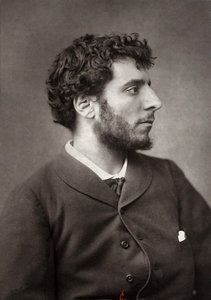
Henri Jean Guillaume Martin
1860 - 1860 , Francuska
Osnovne informacije
- Artistic Movement Or Style: Impressionizam i Pontilizam
- Artists Or Movements Influenced By This Artist: ['Nellie Ellen Shepherd']
- Artists Who Influenced This Artist:
- Žiotto
- Masaccio
- Puvis de Chavannes
- Date Of Birth: August 5, 1860
- Date Of Death: November 12, 1943
- Full Name: Henri Jean Guillaume Martin
- Nationality: Francuski
- Notable Artworks:
- Krajobraz s Parom
- Dahije u Suncu
- Krajobraz sa Životinjama
- Place Of Birth: Toulouse, France
Povezani članci

25 Remek-dela Džona Konstebla: Lepota Engleske na Platnu | ArtsDot
Uronite u svet Džona Konstebla! Otkrijte 25 remek-dela engleskog pejzaža, romantizma i seoske idile. Kupite reprodukcije slika vrhunskog kvaliteta za dekoraciju enterijera na ArtsDot.com.

Paul Cézanne: 25 Remek-dela Revolucionarnog Umjetnika | ArtsDot
Istražite 25 remek-dela Paula Cézanna, revolucionarnog slikara impresionizma i postimpresionizma. Otkrijte priče iza ikoničnih pejzaža, portreta i mrtve prirode. Kupite luksuzne reprodukcije slika na ArtsDot.com!
Cultivating Visions: A Historical Journey Through Rural Landscapes in Art
Explore the rich history of rural landscape painting with ArtsDot. Discover Impressionist masterpieces, key artists & movements. Find your perfect serene artwork and bring nature's beauty home.
Evoking Arcadia: A Historical & Aesthetic Exploration of Rural Landscape Art
Explore the rich history of pastoral landscape art, from classical Arcadia to Impressionism & beyond. Discover key artists, movements, and how to collect serene rural scenes for your home. Expert insights at ArtsDot.
Evocations of Rural Life: A Historical Journey Through Landscape Painting
Explore the rich history of rural life in painting! Discover Impressionist masterpieces, Italian Macchiaioli scenes & the enduring appeal of pastoral landscapes. Find your perfect artwork at ArtsDot.