 Pregledaj u prostoru
 Pošalji
 Podeli
 Detalji o delu

 Преузми
 Slični predmeti
 Rendgenski snimak
 Slajdovi
 Stats
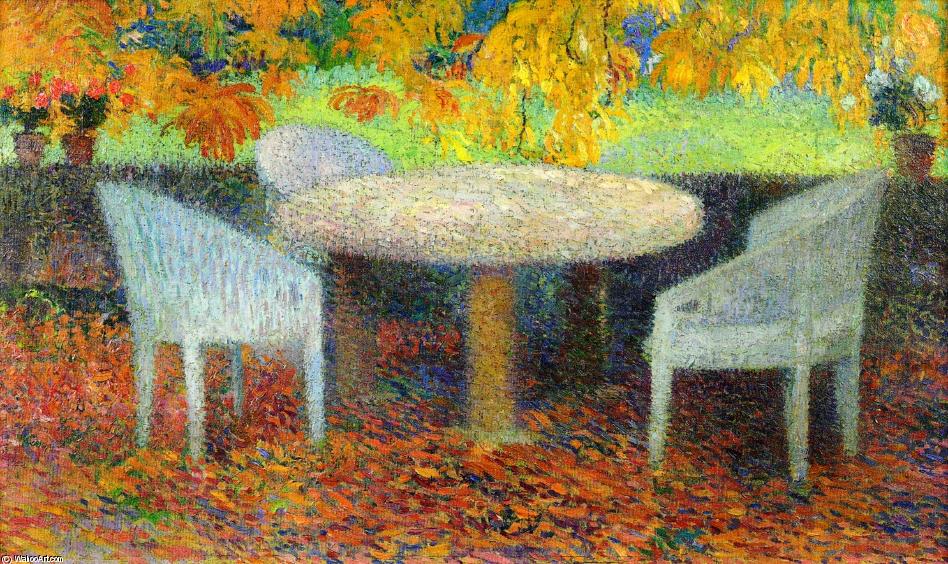
StatsThe Large Stone Table under the Chestnut Street at Marquayrol
 Oil On Canvas
- WallArt
- Impressionism
 1915
1915- Modern
 59.0 x 101.0 cm
 Pročitaj više
Giclee štampa / Umetnički otisak
Giclée štampa ili print na platnu muzejskog kvaliteta uz brzu proizvodnju i fleksibilne opcije završne obrade. ( Kupi ručno naslikanu sliku Switch to Digital Image)




P118B $10

P118H $10

P118W $10

P438Z $10

P508JH $12

P508YH $12

P805H $10

P805Z $10

P919BZ $10

P919G $10

P919XJ $10

P959ZH $10

P968JZ $12

W106C $8

W218G $10

W218JH $8

W218Y $10

W307PJ $10

W316G $10

W316PJ $8

W316Y $10

W398PJ $8

W4111J $10

W500HY $15

W500JH $15

W692G $12

W849H $8

W940BG $15

W953PJ $8




Izaberite jednu od naših unapred definisanih veličina koje odgovaraju originalnim proporcijama umetničkog dela.

Možete uneti sopstvene dimenzije kako biste umetničko delo prilagodili specifičnom okviru ili prostoru. Ako odabrani format ne odgovara proporcijama originalne slike, mi ćemo ili iscrtati deo dela ili proširiti sliku pomoću ogledane ivice ili jednobojnog popunjavanja. Digitalni prikaz će vam biti poslat na odobrenje pre početka proizvodnje.
Imajte na umu da pregled na ekranu ne odražava stvarno iscrtavanje ili proširivanje. Samo će prikaz (mockup) precizno pokazati finalnu kompoziciju.
Iako su prilagođene dimenzije dostupne, preporučujemo da odaberete dimenziju sa unapred definisane liste kako biste očuvali originalne proporcije.
Dostava širom sveta () za 2 nedelje umesto uobičajenih 4/5 nedelja. (8 септембар)

Besplatna ekspresna dostava širom sveta

Visokokvalitetno laneno platno

Kompletno osiguranje transporta

Garancija povraćaja carine i uvoznih dažbina

Garancija vernosti boja

Politika povraćaja u roku od 100 dana (isključivo u slučaju nedostataka)

Garancija povrata novca od 100%

Popust pri grupnoj kupovini
 Opcija sa staklom dostupna je samo za dimenzije manje od 110 cm

The Large Stone Table under the Chestnut Street at Marquayrol
Giclee štampa / Umetnički otisak
Dimenzije reprodukcije
-


Konačna cena
$ 62
Artistic Style and Influences
Henri Jean Guillaume Martin's work is characterized by his use of soft colors and delicate brushstrokes, which create a sense of calmness and tranquility. His artistic style is reminiscent of the Impressionist movement, with a focus on capturing the play of light and color in outdoor settings. To learn more about Henri Jean Guillaume Martin's other works, visit /art/list/?Filter=8XXKT7-Henri-Jean-Guillaume-Martin-The-Large-Stone-Table-under-the-Chestnut-Street..Similar Works and Artists
Other notable works by Henri Jean Guillaume Martin include Trois Femmes dans un jardin and La Porte de la Maison, which can be found on /art/list/?Filter=9GEN4S-Henri-Jean-Guillaume-Martin-Trois-Femmes-dans-un-jardin and /art/list/?Filter=8YDEFE-Henri-Jean-Guillaume-Martin-La-Porte-de-la-Maison, respectively. For a broader understanding of art history, visit the Mariano Procópio Museum in Brazil, which features a collection of art, history, and natural sciences: /art/list/?Filter=A@D3CGCD-The-Mariano-Procopio-Museum-Brazil.- Handmade oil painting reproductions of The Large Stone Table under the Chestnut Street at Marquayrol are available on https://ArtsDot.com, allowing art enthusiasts to own a piece of history.
- Learn more about other artists, such as Chittaprosad Bhattacharya, on https://ArtsDot.com/@/Chittaprosad-Bhattacharya.
For those interested in learning more about art history and techniques, https://ArtsDot.com offers a wealth of information and resources.
Srodna umetnička dela
Biografija umetnika
A Toulouse Son: The Life and Art of Henri Jean Guillaume Martin
Henri Jean Guillaume Martin, born in the heart of Toulouse on August 5th, 1860, emerged as a pivotal figure in the transition from Impressionism to Symbolism and early Pointillism. His story is one of artistic conviction, nurtured by a supportive yet initially hesitant father—a cabinet maker who eventually yielded to his son’s fervent desire to paint. This early encouragement proved foundational, setting Martin on a path that would lead him through rigorous academic training and ultimately, to the embrace of innovative techniques and a deeply personal artistic vision. He began his formal studies at the Toulouse School of Fine Arts under Jules Garipuy in 1877, laying the groundwork for his future explorations. A scholarship then propelled him to Paris, where he honed his skills within Jean-Paul Laurens’ studio, absorbing diverse influences that would shape his unique style. Martin wasn't merely a student of technique; he was an observer of light, color, and the subtle nuances of human emotion—qualities that would become hallmarks of his mature work.From Academic Roots to Luminous Landscapes
Martin’s artistic journey wasn’t one of immediate rebellion against established norms. He initially excelled within the academic system, earning recognition at the Paris Salon in 1886 and securing a coveted scholarship for an Italian tour in 1887. This sojourn proved transformative. Immersed in the works of Renaissance masters like Giotto and Masaccio, he developed a profound appreciation for composition, form, and the expressive power of color. However, Italy also sparked a shift towards a more luminous palette and a fascination with capturing fleeting moments of light—influences that would gradually distance him from strict academic conventions. His 1889 canvas submission to the Salon garnered significant acclaim, earning him a gold medal for work described as Pointillist, signaling his embrace of this innovative technique. This wasn’t simply an adoption of style; Martin infused Pointillism with his own sensibility, using it not merely as a scientific exercise but as a means to evoke atmosphere and emotion. He became increasingly associated with the Symbolist painter Puvis de Chavannes, whose emphasis on idealized forms and allegorical themes resonated deeply with Martin's evolving aesthetic.A Master of Light and Atmosphere
Martin’s mature work is characterized by a remarkable ability to capture the essence of light and atmosphere. His landscapes, particularly those depicting Brittany and Collioure, are bathed in a radiant glow, evoking a sense of tranquility and poetic reverie. He wasn't interested in merely replicating nature; he sought to convey its emotional impact—the feeling of warmth on the skin, the scent of salt air, the stillness of a summer afternoon. His technique, while rooted in Pointillism, evolved into something more fluid and expressive. He employed small, carefully placed brushstrokes of vibrant color, allowing them to blend optically and create shimmering effects of light and shadow. This approach lent his paintings a unique luminosity and depth, drawing viewers into the scenes he depicted. Beyond landscapes, Martin also excelled at portraiture and allegorical compositions, often imbuing his subjects with a sense of melancholy and mystery. His friendship with Auguste Rodin further enriched his artistic sensibility, fostering an appreciation for form and emotional intensity.Recognition and Legacy
Throughout his career, Henri Jean Guillaume Martin received numerous accolades, culminating in the Grand Prize at the 1900 World Fair and election to the Académie des Beaux-Arts in 1917. These honors acknowledged not only his technical skill but also his significant contribution to French art. He undertook important public commissions, decorating spaces such as the Salle de l'Assemblée générale in the Palais-Royal, the Élysée Palace, and the Sorbonne—leaving an indelible mark on Parisian landmarks. Seeking respite from the bustling city, Martin eventually settled at the Domaine de Marquayrol near Cahors, where he continued to paint until his death in 1943. This tranquil environment allowed him to fully immerse himself in his art, producing some of his most celebrated works. His paintings are more than just depictions of landscapes or portraits; they are windows into the soul—invitations to contemplate the beauty and mystery of the world around us.A Lasting Influence
Henri Jean Guillaume Martin occupies a unique position in art history, bridging the gap between Impressionism and Symbolism while forging his own distinctive path. He wasn’t simply a follower of trends; he was an innovator who synthesized diverse influences into a cohesive and deeply personal style. His mastery of light, color, and atmosphere, combined with his ability to evoke emotion and create a sense of poetic reverie, continues to captivate audiences today. Martin's work serves as a reminder that true artistry lies not in adhering to rigid rules but in expressing one’s unique vision with passion and conviction. He was also a dedicated teacher, mentoring the American painter Nellie Ellen Shepherd and inspiring generations of artists with his innovative techniques and poetic vision. His legacy extends beyond his paintings; he remains an inspiration for artists striving to capture the sublime beauty of the natural world and convey profound emotional truths.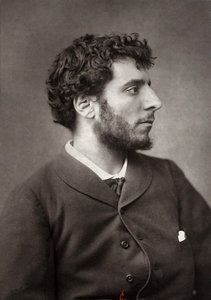
Henri Jean Guillaume Martin
1860 - 1860 , Francuska
Osnovne informacije
- Artistic Movement Or Style: Impressionizam i Pontilizam
- Artists Or Movements Influenced By This Artist: ['Nellie Ellen Shepherd']
- Artists Who Influenced This Artist:
- Žiotto
- Masaccio
- Puvis de Chavannes
- Date Of Birth: August 5, 1860
- Date Of Death: November 12, 1943
- Full Name: Henri Jean Guillaume Martin
- Nationality: Francuski
- Notable Artworks:
- Krajobraz s Parom
- Dahije u Suncu
- Krajobraz sa Životinjama
- Place Of Birth: Toulouse, France
Povezani članci
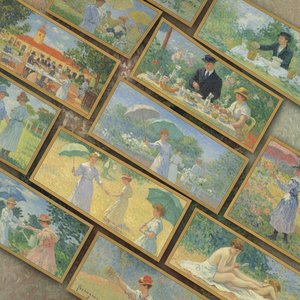
Pierre-Auguste Renoir: 25 Remek-Dela Impresionizma za Vaš Dom | ArtsDot
Uronite u svet Pierre-Auguste Renoara! Otkrijte 25 remek-dela impresionizma, priče iza slika i tehničke detalje. Reprodukcije vrhunskog kvaliteta za vaš dom dostupne na ArtsDot.com. Istražite celu kolekciju online!

Impresionistički pejzaži: 10 remek-dela koja su definisala umetnički pokret
Otkrijte 10 remek-dela impresionizma koja su zauvek obeležila pejzažnu umetnost! Monet, Renoar i Degas – istražite priče iza svake slike. Inspiracija za dekoraciju enterijera i vrhunske reprodukcije na ArtsDot.com. Istražite kolekciju online!
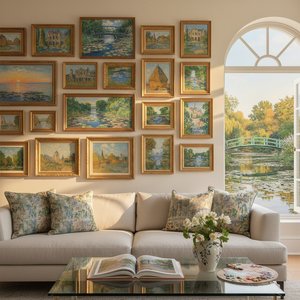
Claude Monet: 25 Remek-dela Impresionizma za Vaš Dom | ArtsDot
Uronite u svet Claudea Moneta sa 25 remek-dela impresionizma! Otkrijte priče iza poznatih slika, tehnike i inspiraciju. Reprodukcije vrhunskog kvaliteta za luksuzni dekor doma na ArtsDot.com.

Impressionistic Landscapes: 10 Masterpieces That Changed Art & Decor
Journey into the heart of Impressionism! Explore 10 masterpieces by Monet, Renoir & Degas that revolutionized landscape art. Discover their stories, techniques & find museum-quality reproductions to elevate your home decor on ArtsDot.com.
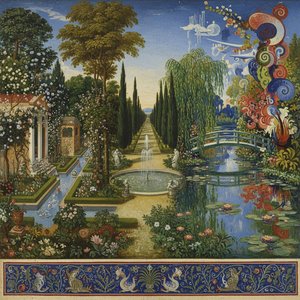
Cultivating Paradise: A Historical & Artistic Exploration of Gardens in Painting
Explore the rich history of gardens in painting! Discover masterpieces from Renaissance to Impressionism & beyond. Learn about symbolism, artists like Monet & Klimt, and find your perfect artwork at ArtsDot.