 Pregledaj u prostoru
 Pošalji
 Podeli
 Detalji o delu

 Преузми
 Slični predmeti
 Rendgenski snimak
 Slajdovi
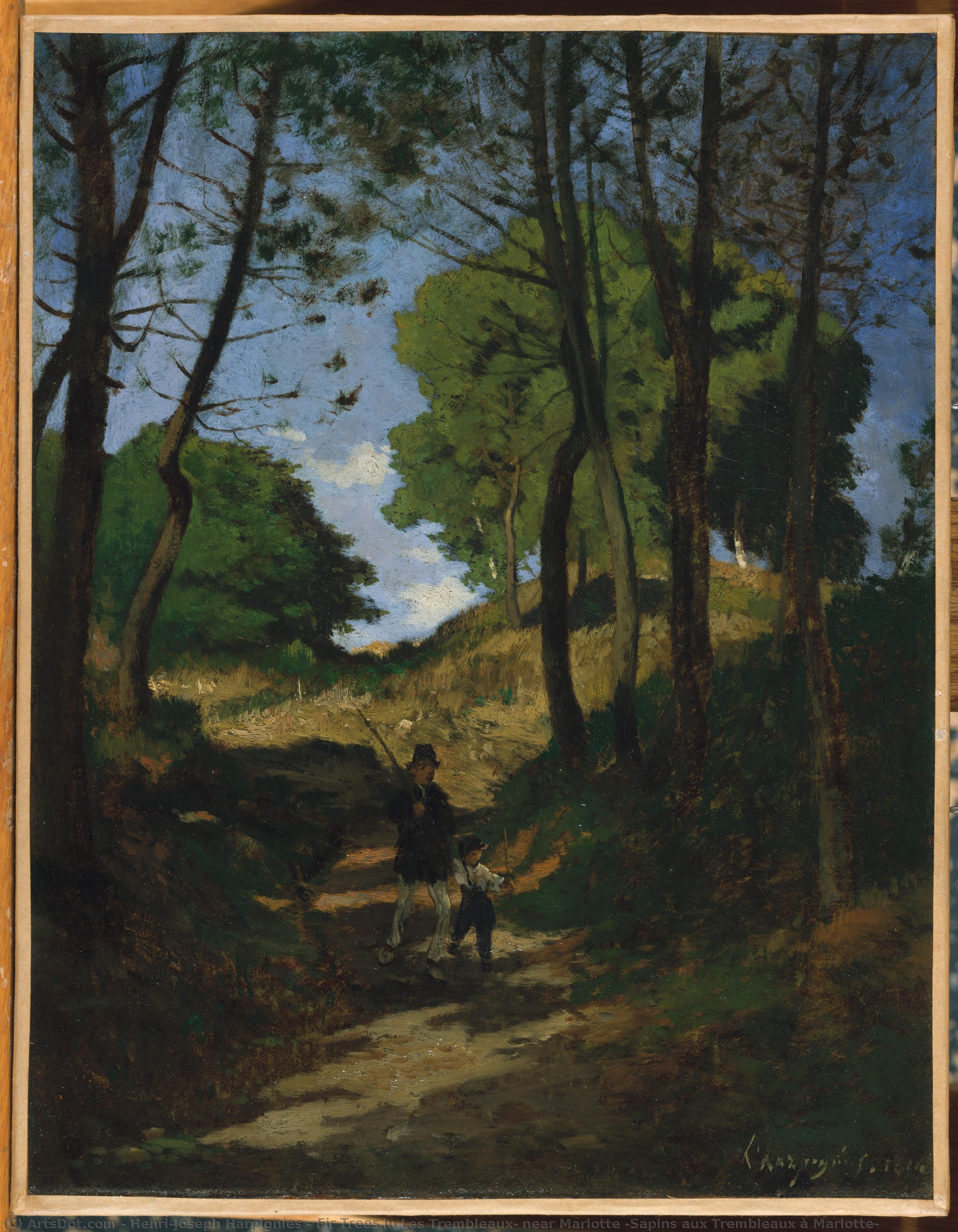
Fir Trees in Les Trembleaux, near Marlotte (Sapins aux Trembleaux à Marlotte)
 Acrylic On Canvas
- WallArt
- Barbizon School
 1854
1854 41.0 x 32.0 cm
 Metropolitan Museum of Art
 Pročitaj više
Ručno rađena uljana reprodukcija
Ručno oslikano uljanim bojama na platnu u dimenzijama i okviru po vašem izboru, izrađeno po porudžbini od strane naših umetnika. ( Kupi print Kupi digitalnu sliku)




P118B $10

P118H $10

P118W $10

P438Z $10

P508JH $12

P508YH $12

P805H $10

P805Z $10

P919BZ $10

P919G $10

P919XJ $10

P959ZH $10

P968JZ $12

W106C $8

W218G $10

W218JH $8

W218Y $10

W307PJ $10

W316G $10

W316PJ $8

W316Y $10

W398PJ $8

W4111J $10

W500HY $15

W500JH $15

W692G $12

W849H $8

W940BG $15

W953PJ $8




Izaberite jednu od naših unapred definisanih veličina koje odgovaraju originalnim proporcijama umetničkog dela.

Можете унети сопствене димензије како бисте прилагодили дело одређеном оквиру или простору. Ако одабрана величина не одговара пропорцијама оригинала, слика ће бити исечена или проширена додатним елементима који се ручно насликавају. Дигитални prikaz ће вам бити послат на одобрење пре почетка производње.
Имајте на уму да преглед на екрану не одражава стварно исецање или проширење. Само приказ (mockup) ће тачно приказати коначну композицију.
Иако су доступне прилагођене величине, препоручујемо да одаберете димензију из дефинисане листе како бисте сачували оригиналне пропорције.
Nakon narudžbine, tim ArtsDot.com će klijentu putem e-pošte poslati uputstva i dostaviti prikaz predloženog rešenja
Isporuka širom sveta () za 3/4 nedelje umesto uobičajenih 5 nedelja. (4 септембар). Bez kompromisa po pitanju kvaliteta.

Besplatna ekspresna dostava širom sveta

Visokokvalitetno laneno platno

Kompletno osiguranje transporta

Garancija povraćaja carine i uvoznih dažbina

Garancija vernosti boja

Politika povrata u roku od 60 dana (samo u slučaju nedostataka)

Garancija povrata novca od 100%

Popust pri grupnoj kupovini
 Opcija sa staklom dostupna je samo za dimenzije manje od 110 cm

Fir Trees in Les Trembleaux, near Marlotte (Sapins aux Trembleaux à Marlotte)
Tehnika reprodukcije
Dimenzije reprodukcije
-


Konačna cena
$ 263
A Woodland Reverie: Henri-Joseph Harpignies’ “Fir Trees in Les Trembleaux”
Henri-Joseph Harpignies' "Fir Trees in Les Trembleaux, near Marlotte" is more than a landscape painting; it’s an invitation into a hushed sanctuary of the French countryside. Completed in 1854, this vertically oriented work captures a fleeting moment within the Forest of Fontainebleau, a region steeped in artistic tradition and profoundly influential on generations of painters. It's a piece that speaks to the Romantic ideal of nature as both sublime and deeply personal, offering a glimpse into the artist’s meticulous observation and his ability to translate it onto canvas with remarkable sensitivity.
The painting immediately draws the eye with its masterful use of light and shadow. Harpignies, a key figure in the Barbizon School, eschewed the polished surfaces and historical subjects favored by the established Salon painters. Instead, he embraced *plein air* painting – working directly from nature – resulting in a freshness and immediacy rarely found in contemporary art. The golden hour bathes the foreground, illuminating the path winding through the trees and highlighting the figures of a father and son strolling together. This deliberate choice emphasizes the tranquility and connection between man and his surroundings, a core tenet of the Barbizon philosophy.
The Language of Light and Shadow: Technique and Style
Harpignies’ technique is characterized by its loose, expressive brushstrokes – a far cry from the smooth, blended surfaces of academic painting. He employed a broken color approach, layering thin washes of paint to create subtle gradations of tone and texture. This technique not only captures the atmospheric effects of light filtering through the trees but also imbues the landscape with a sense of movement and vitality. The artist’s attention to detail is evident in the meticulously rendered foliage, each pine needle and branch conveying a remarkable sense of realism while simultaneously contributing to the overall impressionistic effect.
The composition itself is carefully constructed. The receding path created by the trees acts as a visual pathway, drawing the viewer into the scene and creating a powerful sense of depth. The verticality of the firs contrasts beautifully with the horizontal expanse of the distant hills, establishing a dynamic balance within the painting. Notice how Harpignies uses color to guide the eye – cooler blues and greens dominate the shaded foreground, gradually transitioning to warmer yellows and oranges in the background, creating a harmonious and visually engaging experience.
A Barbizon Vision: Context and Symbolism
“Fir Trees in Les Trembleaux” is firmly rooted within the Barbizon School’s artistic principles. The Barbizon painters sought to depict nature as it truly was – unidealized, untamed, and imbued with a sense of timelessness. They rejected the artificiality of studio painting and embraced the challenges of working outdoors, often in inclement weather. This commitment to direct observation is evident throughout Harpignies’ work, particularly in his ability to capture the subtle nuances of light and atmosphere.
The inclusion of the father and son walking through the forest adds a layer of symbolic meaning to the painting. It represents a connection to nature, a celebration of family, and perhaps even a reflection on the cyclical rhythms of life. The path itself can be interpreted as a metaphor for the journey of self-discovery, inviting the viewer to contemplate their own relationship with the natural world. The scene evokes a sense of nostalgia and peace – a reminder of simpler times spent in communion with nature.
A Timeless Masterpiece: Emotional Impact and Legacy
“Fir Trees in Les Trembleaux” is not merely a beautiful landscape; it’s an emotionally resonant work that continues to captivate viewers today. Harpignies' ability to evoke a sense of tranquility, wonder, and connection with nature speaks to the enduring power of art to transport us beyond our everyday lives. The painting’s luminous quality, combined with its masterful technique and evocative symbolism, makes it a truly timeless masterpiece.
Reproductions of this work offer an exceptional opportunity to bring the serenity of the Forest of Fontainebleau into your home or office. The rich colors and textured brushstrokes are faithfully reproduced, allowing you to experience the full beauty and emotional impact of Harpignies’ original vision. It's a piece that will undoubtedly become a cherished addition to any art collection.
Srodna umetnička dela
Biografija umetnika
Хенри-Жозеф Харпињи: Живот у пејзажу
Рођен 28. јуна 1819. године у Валансијену, Француска, Хенри-Жозеф Харпињи је у почетку био под притиском родитеља да започне каријеру у бизнису. Међутим, његова страст за уметност била је прејака да би се игнорисала. Порекло му је из Белгије, али су планови породице стављени по страни када се посветио постајању уметника. У двадесет седмој години званично је започео своју уметничку обуку у Паризу, приступивши атељеу Жана Ашара. Овај основни период био је фокусиран на развијање чврстих вештина цртања – кључни елемент који ће остати централан за Харпињијев рад.
Барбизонска школа и утицај Италије
Након две године под Ашаровом менторском вођством, Харпињи је кренуо на преломно путовање у Италију 1848. године. То искуство је дубоко обликовало његову уметничку визију. По повратку 1850. године, упознао се са водећим личностима Барбизонске школе, укључујући Жана-Батиста-Камила Короа. Нагласак барбизонских сликара на директној посматрању природе и реалистичном приказу руралног живота дубоко је резонирао са Харпињијем. У 1860. години, даље је учврстио своју уметничку везу са Короом путем заједничког путовања назад у Италију.
Уметнички развој и стил
Харпињијев стил карактеришу његови мирни и идилични прикази француске провинције. Мастерски је заробио суптилне нијансе светла и атмосфере, стварајући пејзаже који изазивају осећај спокоја и хармоније. Његова техника укључивала је пажљиво посматрање у комбинацији са префињеним разумевањем композиције. Иако под утицајем реализма Барбизонске школе, Харпињи је развио свој посебан глас, често уграђујући поетичну осетљивост у свој рад.
Значајна дела и наслеђе
Међу његовим најпознатијим делима су Soir sur les bords de la Loire (Вече на обалама Лоаре) – 1861, квинтесенцијални пример његових атмосферских пејзажа који показује лепоту долине Лоаре. Les corbeaux (Вране) – 1865 демонстрирају његову вештину у заробљавању расположења и детаља у природном окружењу, док Le soir (Вече) – 1866 осликава тиху лепоту сумрака. La loire (Лоара) – 1882 је још један запањујући приказ реке Лоаре, који истиче његово мајсторство светла и воде. Vue de Saint-Privé (Поглед на Сен-Приве) – 1883 приказује сликовиту сцену шармантног француског села.
Историјски значај
Харпињијево уметничко наслеђе се протеже даље од његових властитих слика. Био је посвећени учитељ, преносећи своје знање и вештине бројним ученицима, укључујући Емила Апеа (1876-1935) и James Wilson Morrice (1865-1924). Његов утицај се види у развоју француског пејзажног сликарства током касног 19. и ране 20. века. Помоћу својих дела, учврстио је утицај Барбизонске школе на наредне генерације уметника. Харпињије је умро 1916. године, оставивши за собом богато уметничко наслеђе које и данас инспирише и очарава публику широм света. Његове слике се чувају у познатим музејским колекцијама, укључујући Musée des Beaux-Arts Valence, обезбеђујући његово трајно признање као мајстора пејзажне уметности.
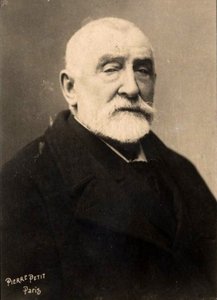
Анри Жозеф Харпињи
1819 - 1916 , Француска
Osnovne informacije
- Datum Rođenja: 28. jun 1819.
- Datum Smrti: 1916.
- Mesto Rođenja: Valensijen, Francuska
- Nacionalnost: Francuz
- Puno Ime: Henri-Joseph Harpignies
- Umetnici Koji Su Uticali: ['Jean-Baptiste Corot']
- Umetnici Pod Uticajem:
- Émile Appay
- James Wilson Morrice
- Umetnički Pokret: Barbizonska škola
- Značajna Dela:
- Veče na obalama Loire
- Gavrani
- Veče
- Loara
- Pogled na Sen Privé
Povezani članci
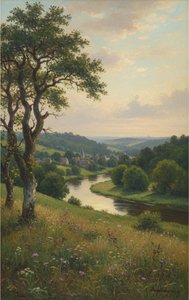
Henri-Joseph Harpignies: Capturing the Poetic Essence of the French Landscape
Explore the serene landscapes of Henri-Joseph Harpignies, a master of the Barbizon School. Discover his atmospheric paintings, recurring themes & enduring legacy in 19th-century French art. Learn more at ArtsDot.
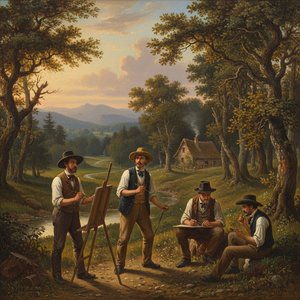
The Barbizon School: Pioneering Realism & the Pastoral Vision in 19th-Century French Painting
Explore the Barbizon School's pivotal role in 19th-century French painting. Discover how these artists revolutionized landscape art with their commitment to Realism and a profound connection to nature. Learn about key figures like Rousseau, Millet & Corot.
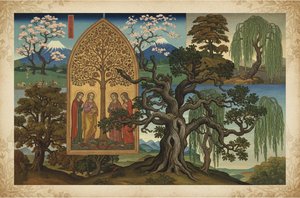
Arboreal Echoes: A Historical & Artistic Exploration of Trees in Painting
Explore the rich history of trees in painting! Discover symbolism, Romantic masterpieces by Caspar David Friedrich & beyond. A curated journey for art enthusiasts.
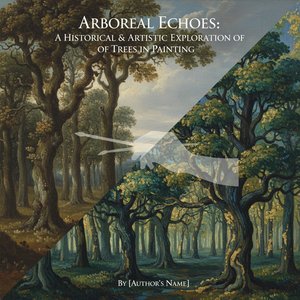
Arboreal Echoes: A Historical & Artistic Exploration of Trees in Painting
Explore the rich history of trees in painting! Discover symbolism, Romantic masterpieces by Caspar David Friedrich & beyond. A curated journey for art enthusiasts.
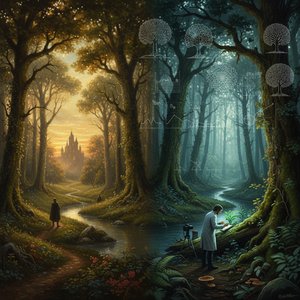
The Enchanted Canopy: Exploring Forests in Art History – From Romantic Idealization to Ecological Consciousness
Explore the rich history of forests in art! Discover Romantic masterpieces by Friedrich & Monet, Symbolist depths, and contemporary visions. Find inspiration & quality reproductions at ArtsDot.