

 Pregledaj u prostoru
 Pošalji
 Podeli
 Detalji o delu

 Преузми
 Slični predmeti
 Rendgenski snimak
 Slajdovi
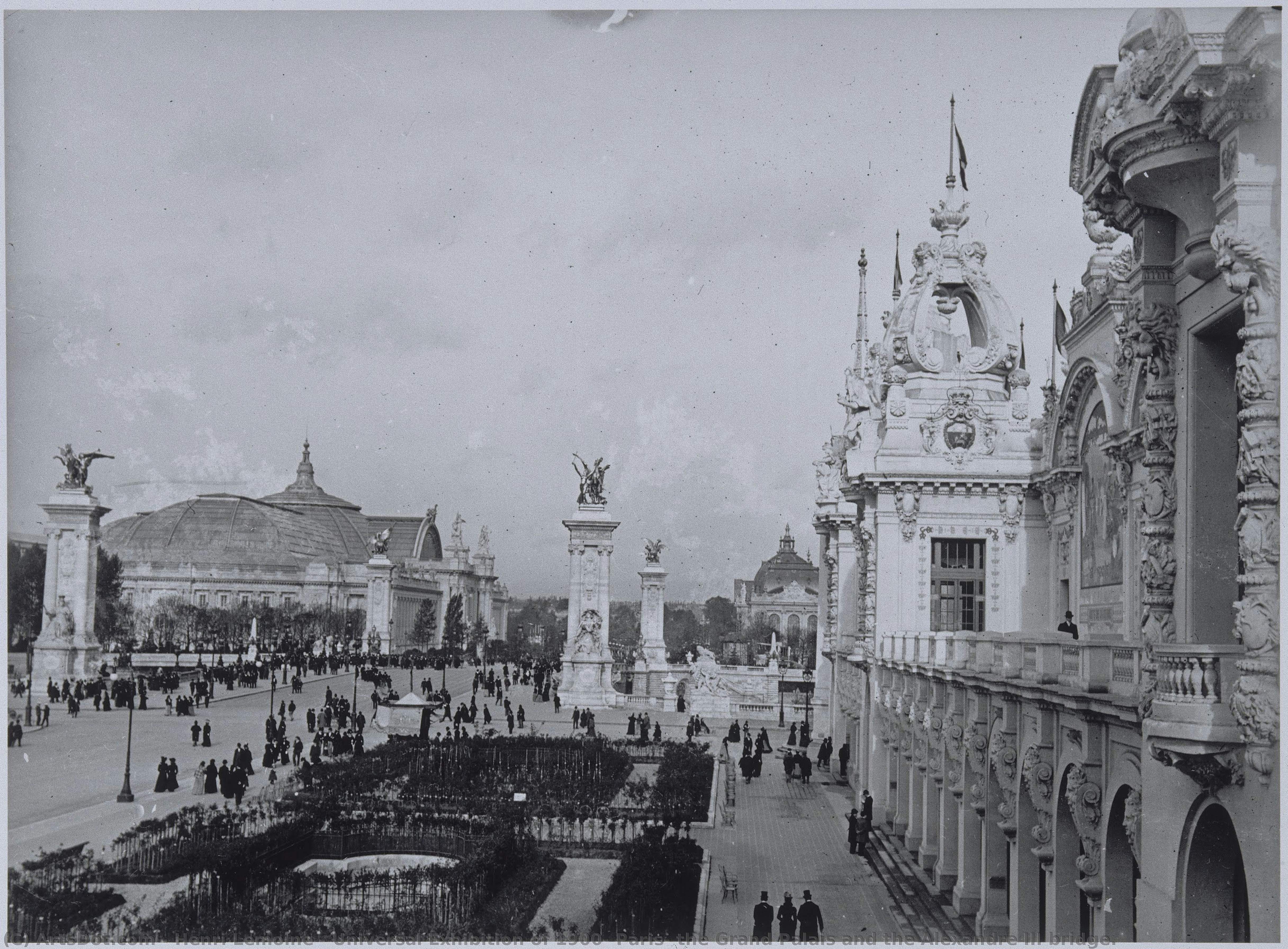
Universal Exhibition of 1900, Paris: the Grand Palais and the Alexandre III bridge.


 Pročitaj više
Giclee štampa / Umetnički otisak
Giclée štampa ili print na platnu muzejskog kvaliteta uz brzu proizvodnju i fleksibilne opcije završne obrade. ( Kupi ručno naslikanu sliku Kupi digitalnu sliku)




































Izaberite jednu od naših unapred definisanih veličina koje odgovaraju originalnim proporcijama umetničkog dela.

Možete uneti sopstvene dimenzije kako biste umetničko delo prilagodili specifičnom okviru ili prostoru. Ako odabrani format ne odgovara proporcijama originalne slike, mi ćemo ili iscrtati deo dela ili proširiti sliku pomoću ogledane ivice ili jednobojnog popunjavanja. Digitalni prikaz će vam biti poslat na odobrenje pre početka proizvodnje.
Imajte na umu da pregled na ekranu ne odražava stvarno iscrtavanje ili proširivanje. Samo će prikaz (mockup) precizno pokazati finalnu kompoziciju.
Iako su prilagođene dimenzije dostupne, preporučujemo da odaberete dimenziju sa unapred definisane liste kako biste očuvali originalne proporcije.
Dostava širom sveta () za 2 nedelje umesto uobičajenih 4/5 nedelja. (6 септембар)

Besplatna ekspresna dostava širom sveta

Visokokvalitetno laneno platno

Kompletno osiguranje transporta

Garancija povraćaja carine i uvoznih dažbina

Garancija vernosti boja

Politika povrata u roku od 100 dana (samo u slučaju nedostataka)

Garancija povrata novca od 100%

Popust pri grupnoj kupovini
 Opcija sa staklom dostupna je samo za dimenzije manje od 110 cm

Universal Exhibition of 1900, Paris: the Grand Palais and the Alexandre III bridge.
Giclee štampa / Umetnički otisak
Dimenzije reprodukcije
-


Konačna cena
$ 62
Srodna umetnička dela









Biografija umetnika
Henri Lemoine: Capturing the Dawn of a New Century
Born in Paris in 1848, Henri Lemoine’s life and career unfolded during a period of immense transformation in France – a time of rapid industrialization, burgeoning modernity, and a fervent embrace of technological advancement. While often overshadowed by his contemporaries, Lemoine stands as a pivotal figure in the early history of French photography, uniquely positioned to document one of the most ambitious and dazzling events in European history: the 1900 Paris Universal Exposition. His work offers an invaluable glimpse into a city on the cusp of change, meticulously capturing the grandeur of its newly constructed monuments and the vibrant energy of a nation eager to showcase its progress to the world.
Lemoine’s early life remains somewhat shrouded in mystery, though he was clearly influenced by the prevailing photographic trends of his time. The burgeoning field of photography was still relatively young, grappling with technical challenges and debates about artistic merit. Early photographers often focused on documentary subjects – portraits, landscapes, and scenes of everyday life – but Lemoine’s focus shifted dramatically with the announcement of the 1900 Exposition. He recognized its potential as a monumental subject, a visual record of an era, and dedicated himself to documenting it with remarkable detail and precision.
The Grand Palais and Alexandre III Bridge: A Photographic Chronicle
Lemoine’s most celebrated work undoubtedly lies in his extensive series of photographs capturing the 1900 Paris Universal Exposition. He spent countless hours meticulously photographing the colossal structures that dominated the landscape – the magnificent Grand Palais, a testament to French architectural prowess, and the iconic Alexandre III Bridge, an engineering marvel spanning the Seine River. These images are not merely technical records; they possess a remarkable sense of scale and atmosphere, conveying the sheer spectacle of the event.
His photographs of the Grand Palais, in particular, are breathtaking. He skillfully captured the intricate details of its colonnade, the soaring arches, and the bustling crowds within. Similarly, his images of the Alexandre III Bridge offer a stunning perspective on this ambitious construction, showcasing its elegant design and the river traffic flowing beneath it. Lemoine’s ability to capture both the grandeur and the human element of these monumental structures is what makes his work so compelling. He wasn't just recording buildings; he was documenting an experience, a moment in time.
Interestingly, Lemoine’s photographic style reflects the technological advancements of the era. He utilized large-format cameras and meticulously composed his shots to achieve sharp focus and detail – qualities that were becoming increasingly important as photography moved towards greater artistic recognition. His work demonstrates a keen eye for composition and an understanding of how light and shadow could be used to create dramatic effects.
A Curious Chapter: The Diamond Deception
Adding a layer of intrigue to Lemoine’s story is the documented episode involving Sir Julius Wernher, a prominent British banker. In 1905, he contacted Lemoine with an offer to invest in a supposed revolutionary process for creating synthetic diamonds from coal. Lemoine, eager to secure funding and potentially elevate his own standing, invited Wernher to witness the demonstration of this invention at his Parisian laboratory. The dramatic reveal – Lemoine appearing naked after Wernher and his associates had left the room – became a sensational story in the press, exposing Lemoine as a fraud. This episode casts a shadow over his career, highlighting a period of deception alongside his photographic achievements.
Despite this scandal, Lemoine continued to pursue his passion for photography. His photographs of the 1900 Exposition were exhibited at the Musée Thomas-Henry in Cherbourg and are now held within the collection of the Musée d’Orsay in Paris, a testament to their historical significance and artistic merit.
Legacy and Historical Significance
Henri Lemoine's contribution to French photography is often overlooked, yet his documentation of the 1900 Paris Universal Exposition remains an invaluable resource for historians and art enthusiasts alike. His images provide a unique window into a pivotal moment in European history – a time of optimism, innovation, and unprecedented cultural exchange. Lemoine’s work not only captures the physical grandeur of the Exposition but also reflects the spirit of a nation eager to embrace the future.
Furthermore, Lemoine's career serves as a fascinating case study in the intersection of technology, art, and deception. His story reminds us that even within the realm of objective documentation, human ambition and flawed judgment can play a significant role.
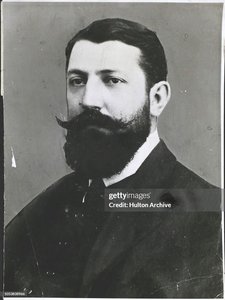
henri lemoine
1848 - 1924 , France
Osnovne informacije
- Artistic Movement Or Style: Photography
- Date Of Birth: 1848
- Date Of Death: 1924
- Full Name: Henri Lemoine
- Nationality: French
- Notable Artworks:
- 1900 Paris Universal Exhibition
- Grand Palais photography
- Alexandre III Bridge
- Place Of Birth: Paris, France