

 Pregledaj u prostoru
 Pošalji
 Podeli
 Detalji o delu

 Преузми
 Slični predmeti
 Rendgenski snimak
 Slajdovi
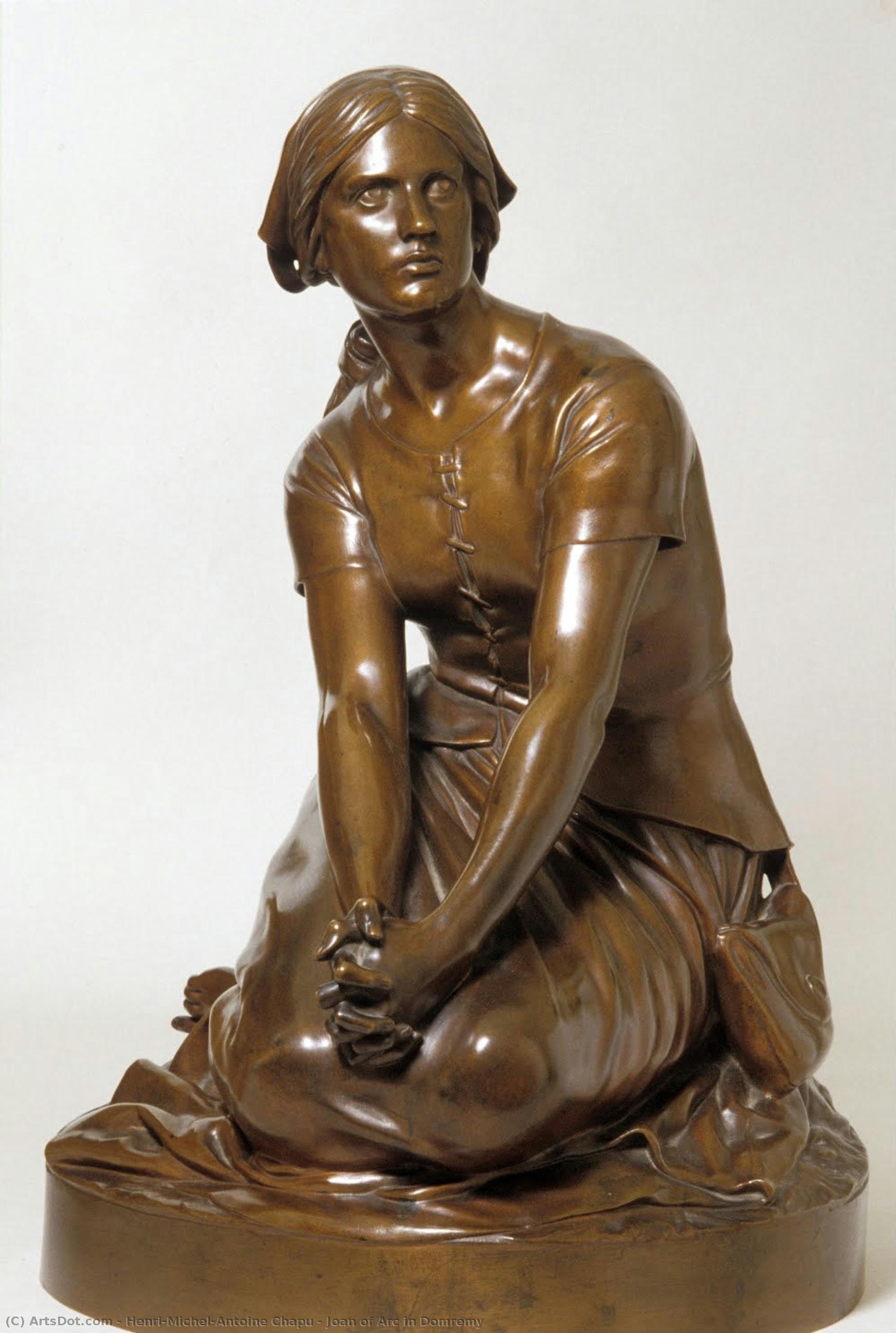
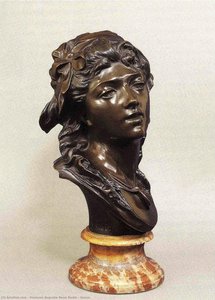
Joan of Arc in Domrémy

 Pročitaj više
Ručno rađena uljana reprodukcija
Ručno oslikano uljanim bojama na platnu u dimenzijama i okviru po vašem izboru, izrađeno po porudžbini od strane naših umetnika. ( Kupi print Kupi digitalnu sliku)




































Izaberite jednu od naših unapred definisanih veličina koje odgovaraju originalnim proporcijama umetničkog dela.

Можете унети сопствене димензије како бисте прилагодили дело одређеном оквиру или простору. Ако одабрана величина не одговара пропорцијама оригинала, слика ће бити исечена или проширена додатним елементима који се ручно насликавају. Дигитални prikaz ће вам бити послат на одобрење пре почетка производње.
Имајте на уму да преглед на екрану не одражава стварно исецање или проширење. Само приказ (mockup) ће тачно приказати коначну композицију.
Иако су доступне прилагођене величине, препоручујемо да одаберете димензију из дефинисане листе како бисте сачували оригиналне пропорције.
Nakon narudžbine, tim ArtsDot.com će klijentu putem e-pošte poslati uputstva i dostaviti prikaz predloženog rešenja
Isporuka širom sveta () za 3/4 nedelje umesto uobičajenih 5 nedelja. (1 септембар). Bez kompromisa po pitanju kvaliteta.

Besplatna ekspresna dostava širom sveta

Visokokvalitetno laneno platno

Kompletno osiguranje transporta

Garancija povraćaja carine i uvoznih dažbina

Garancija vernosti boja

Politika povrata u roku od 60 dana (samo u slučaju nedostataka)

Garancija povrata novca od 100%

Popust pri grupnoj kupovini
 Opcija sa staklom dostupna je samo za dimenzije manje od 110 cm

Joan of Arc in Domrémy
Tehnika reprodukcije
Dimenzije reprodukcije
-


Konačna cena
$ 263
Srodna umetnička dela






Biografija umetnika
A Life Sculpted in Allegory: The World of Henri Chapu
Henri-Michel-Antoine Chapu, known simply as Henri Chapu, was a pivotal figure in 19th-century French sculpture, bridging the gap between Neoclassical tradition and a burgeoning interest in allegorical representation. Born on September 29, 1833, in Le Mée-sur-Seine, France, his artistic journey began not amidst grand studios but within a family life that would soon relocate to Paris in 1847. This move proved crucial, providing young Henri access to the city’s vibrant art scene and laying the foundation for his formal training. He enrolled first at the Petit École, honing foundational skills before gaining admission to the prestigious École des Beaux-Arts where he studied under James Pradier and Francisque Duret – sculptors who instilled in him a deep respect for classical form and technique.From Rome to Recognition: The Shaping of a Style
Chapu’s dedication and talent were quickly recognized, culminating in the coveted Prix de Rome in 1855. This award granted him five years of study in Italy, an experience that profoundly shaped his artistic sensibilities. Immersed in the world of Renaissance masterpieces and ancient sculpture, Chapu absorbed the principles of anatomical accuracy, balanced composition, and idealized beauty. However, he didn’t simply replicate; instead, he began to infuse classical forms with a distinctly French sensibility – one characterized by emotional depth and narrative power. Upon his return to Paris, he swiftly established himself as a rising star. His early works, particularly Mercury of 1861 and Jeanne d'Arc of 1870, garnered significant acclaim, marking the beginning of a prolific career fueled by numerous commissions. These pieces weren’t merely displays of technical skill; they were imbued with symbolism and allegory, themes that would become hallmarks of his oeuvre.Allegory in Stone: The Core of Chapu's Artistic Vision
Chapu distinguished himself through his masterful use of allegory – the representation of abstract ideas or concepts through tangible forms. He wasn’t content to simply depict historical figures; he sought to embody virtues, emotions, and philosophical principles within his sculptures. Jeanne d'Arc, for example, transcends a simple portrayal of the French heroine; it becomes an embodiment of courage, faith, and national pride. This approach resonated deeply with audiences seeking art that not only pleased the eye but also stirred the soul. Beyond large-scale statues, Chapu revitalized the art of the medal in France. He saw the medal as more than a commemorative object; he elevated it to a miniature sculptural form capable of conveying complex narratives and profound symbolism. His meticulous attention to detail and innovative compositions breathed new life into this often-overlooked artistic medium.Teaching and Legacy: A Lasting Influence
Chapu’s influence extended beyond his own creations. He dedicated himself to education, accepting a teaching position at the Académie Julian in Paris. Here, he imparted his knowledge of classical technique, allegorical representation, and the importance of meticulous craftsmanship to a new generation of sculptors. His students benefited from his rigorous training and insightful guidance, ensuring the continuation of his artistic principles. Henri Chapu passed away in Paris on April 21, 1891, leaving behind a rich legacy of sculptures and medals that continue to captivate and inspire. The enduring presence of at least four full-scale reproductions of Jeanne d'Arc on permanent display at universities in Virginia stands as a testament to the lasting power of his vision – a vision sculpted in allegory, imbued with emotion, and deeply rooted in the traditions of French art.Major Achievements & Historical Significance
- Revival of the Medal: Chapu is celebrated for spearheading a renaissance in French medal design, transforming it into a respected artistic form.
- Jeanne d'Arc Statues: His iconic depictions of Joan of Arc became symbols of French patriotism and courage, widely reproduced and admired.
- Allegorical Mastery: Chapu’s ability to embody abstract concepts through sculpture set him apart from his contemporaries, influencing subsequent generations of artists.
- Influence on Sculpture Education: As a professor at the Académie Julian, he shaped the artistic development of numerous sculptors, perpetuating classical techniques and allegorical approaches.
- Bridging Traditions: Chapu successfully blended Neoclassical principles with a uniquely French emotional sensibility, creating works that were both technically refined and deeply expressive.

henri-michel-antoine chapu
1833 - 1891 , France
Osnovne informacije
- Artistic Movement Or Style: Modified Neoclassical
- Artists Who Influenced This Artist:
- James Pradier
- Francisque Duret
- Date Of Birth: September 29, 1833
- Date Of Death: April 21, 1891
- Full Name: Henri-Michel-Antoine Chapu
- Nationality: French
- Notable Artworks:
- Mercury (1861)
- Joan of Arc (1870)
- Place Of Birth: Le Mée-sur-Seine, France

