

 Pregledaj u prostoru
 Pošalji
 Podeli
 Detalji o delu

 Преузми
 Slični predmeti
 Rendgenski snimak
 Slajdovi
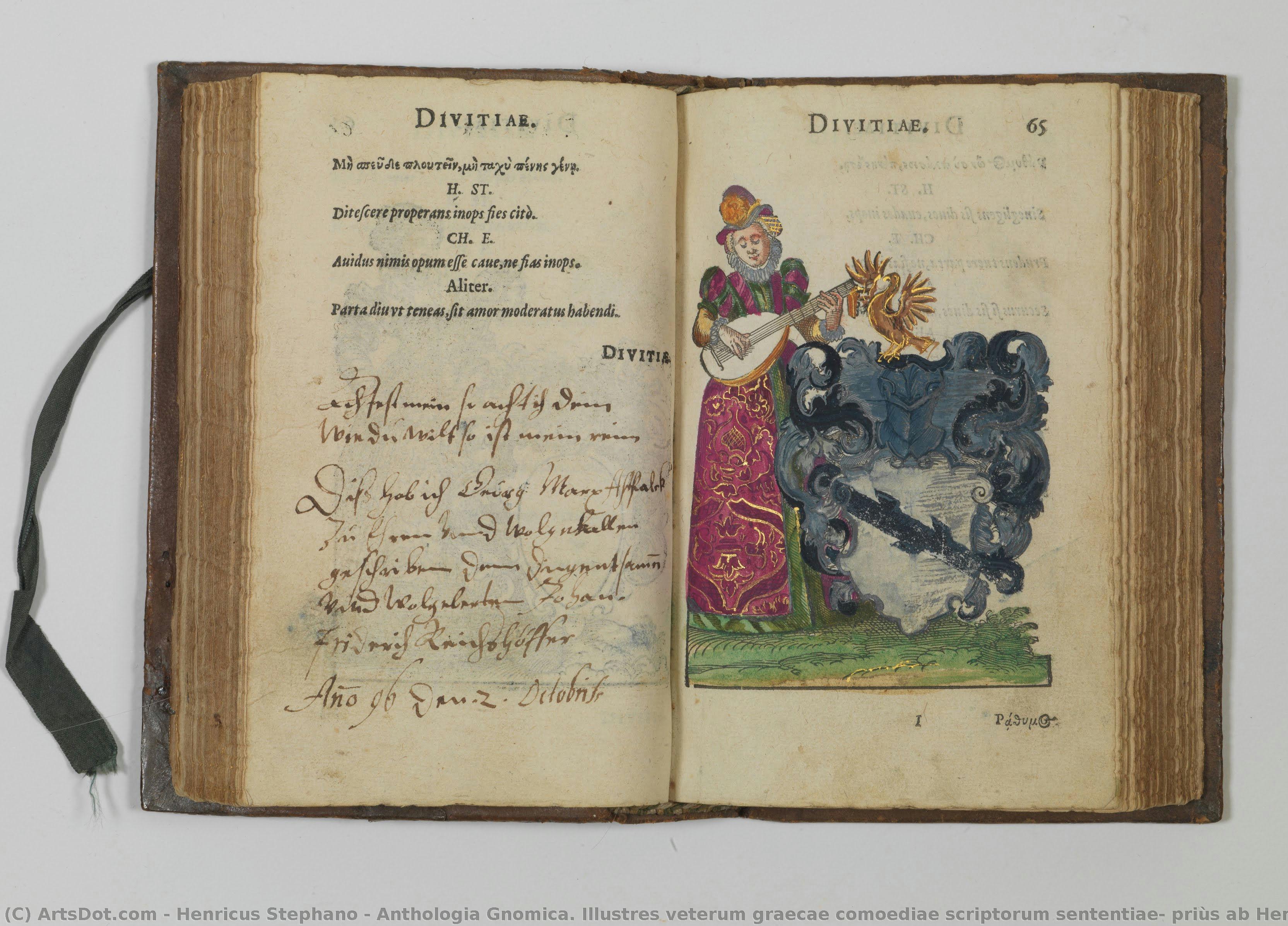
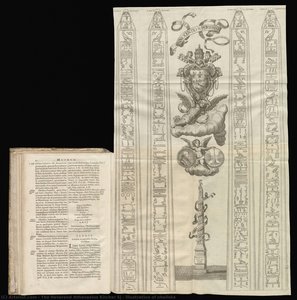
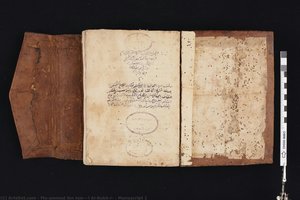
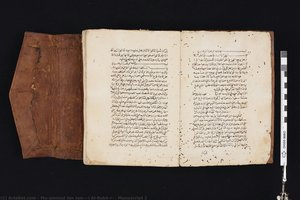
Антология Гномика. Иллюстре верetum греае комедие скрипторум сентентие, приус аб Хенрико Стефано, кви и сингулас латинэ конвертит, эдитэ


 Pročitaj više
Kupite digitalnu sliku visoke rezolucije i poboljšanog kvaliteta, koja je znatno superiornija od onoga što vidite u online prikazu.
Svaka datoteka je pedantno pripremljena od strane naših stručnjaka koristeći napredne alate i profesionalnu ručnu retušu. Osiguravamo da svaka slika ima izuzetnu oštrinu, preciznu reprodukciju boja i fine detalje.
Konačna datoteka se dostavlja putem e-pošte u roku od 72 sata, optimizovana za neposrednu upotrebu u profesionalnim, izdavačkim i štamparskim okruženjima. To je isti kvalitet kojem veruju vrhunski studiji dizajna, izdavači i galerije.
Digitalna slika
Preuzmite datoteku visoke rezolucije za ličnu upotrebu, štampanje i kreativne projekte. ( Kupi print Kupi ručno naslikanu sliku)
Uključeno uz svaku porudžbinu digitalne slike
Profesionalna digitalna isporuka, zagarantovana
Kada odaberete ArtsDot.com, ne dobijate samo sliku – vi primate profesionalno unapređeno digitalno umetničko delo, izrađeno sa najvećom preciznošću i uz garanciju zadovoljstva. Evo svega što automatski dolazi uz vašu porudžbinu:

Brza dostava putem e-pošte
Vaša digitalna slika visoke rezolucije biće vam poslata putem e-pošte u roku od 72 sata od poručivanja – spremna za trenutnu upotrebu.

Digitalna datoteka unapređena veštačkom inteligencijom
Vaše umetničko delo je profesionalno optimizovano korišćenjem naprednih AI alata i ručne obrade, čime se osiguravaju maksimalni detalji, oštrina i preciznost boja.

Besplatna ponovna isporuka doživotno
Slučajno ste obrisali ili izgubili svoju datoteku? Ne brinite – poslaćemo vam je ponovo u bilo kom trenutku, potpuno besplatno.

Bez troškova uvoza – zauvek
Uživajte u svojim umetničkim delima trenutno, bez carine, dažbina ili troškova dostave – digitalni download je uvek bez poreza.

Garancija vernosti boja
Uz pomoć profesionalnih alata i upravljanja bojama, osiguravamo da vaša digitalna slika što vernije odražava originalne boje.

Garancija zadovoljstva u roku od 60 dana
Ako niste zadovoljni svojom digitalnom slikom, revidirat ćemo je ili vratiti 100% novca u roku od 60 dana – bez ikakvih pitanja.

100% garancija povrata novca
Niste zadovoljni? Obezbedite pun povrat novca u roku od 60 dana od trenutka kada ste primili svoju digitalnu datoteku – bez suvišnih pitanja.

Popusti na velike porudžbine
Kupite 3 slike, uštedite 10% - Kupite 5 slika, uštedite 15% - Kupite 10+ slika, uštedite 20%. Odlično za kreativne projekte, galerije i agencije.
Anthologia Gnomica: Eine Reise in die griechische Poesie und ihre Übersetzung
Die Darstellung eines Mannes, der eine Vogel in seiner Hand hält, ist ein beeindruckendes Kunstwerk von Henricus Stephano aus dem Jahr 1579. Dieses Gemälde wurde im Calouste Gulbenkian Museum in Lissabon aufbewahrt und zeigt einen Mann gekleidet in einem tiefvioletten Gewand, dessen Kopf mit einer Krone geschmückt ist. Er steht neben einem geöffneten Buch auf Seite 61 und verkörpert somit eine Verbindung zwischen klassischen Idealen und menschlicher Würde. Die Komposition ist präzise und ausgewogen, ein Zeichen für Stephanos außergewöhnliche künstlerische Fähigkeiten.- Künstler: Henricus Stephano
- Jahr: 1579
- Medium: Holzschnitt mit Gold und Silber
- Dimensionen: 5 x 11 cm
- Museum: Calouste Gulbenkian Museum, Lissabon
Srodna umetnička dela
Biografija umetnika
The Silent Architect of Classical Memory
In the vibrant, intellectual landscape of the 16th-century Italian Renaissance, where the brushstrokes of masters like Michelangelo and Raphael breathed life into new forms, there existed a different kind of creator. Henricus Stephano, also known as Henrico Stephano, did not work with oils or marble, but with the delicate, enduring medium of language. As a classical scholar and translator, his artistry lay in the reconstruction of lost voices, bridging the profound gap between the ancient Greek world and the burgeoning humanism of his era. Though the specific details of his early life remain shrouded in the mists of history, his presence is felt through the enduring resonance of the texts he rescued from obscurity.
The essence of Stephano’s contribution is found in his monumental achievement: the translation of the Anthologia Gnomica. Published in 1579, this collection of Greek epigrams and poems represents a masterful feat of linguistic alchemy. To translate such works was not merely to swap words from one tongue to another; it was an act of cultural preservation. He sought to capture the wit, the sorrow, and the philosophical depth of ancient Greek poets, transmuting them into Latin so they might be understood by the scholars and thinkers of the Renaissance. Through his meticulous work, the ephemeral beauty of ancient verse gained a second life, allowing the wisdom of antiquity to flow once more into the veins of European intellectual life.
A Legacy of Linguistic Renaissance
To understand the significance of Henricus Stephano, one must view him through the lens of the Italian Renaissance itself—a period defined by a fervent rebirth of classical knowledge. While painters were rediscovering the proportions of the human body, scholars like Stephano were rediscovering the architecture of the human thought process. His work was deeply intertwined with the movement's core values: the study of antiquity, the pursuit of eloquence, and the preservation of heritage. He stood as a vital link in a chain of scholars dedicated to ensuring that the light of Greek literature did not flicker out under the weight of passing centuries.
The impact of his scholarly endeavors can be summarized through several key contributions:
- Preservation of Ancient Verse: By translating the Anthologia Gnomica, he provided a gateway for Renaissance thinkers to engage with Greek poetic traditions.
- Linguistic Mastery: His ability to navigate the complexities of both Greek and Latin showcased the high level of philological skill required during the 16th century.
- Cultural Continuity: He played a crucial role in the humanist mission to integrate classical wisdom into the contemporary educational and philosophical frameworks of his time.
Ultimately, the legacy of Henricus Stephano is one of profound stewardship. While he may not have left behind canvases that hang in the great galleries of the world, his "paintings" are composed of syntax and sentiment, etched into the very foundation of classical studies. He remains a silent but essential architect of our shared cultural memory, reminding us that the preservation of thought is as vital an art form as the creation of beauty.
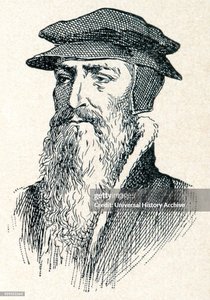
henricus stephano
Italy
Kratke činjenice
- Artistic Movement Or Style: World Goes Pop
- Artists Or Movements Influenced By This Artist: ['Influenced by pop art movement']
- Artists Who Influenced This Artist: ['Influenced by diverse artists from 28 countries']
- Date Of Death: Living
- Notable Artworks: ['Various works featured in The World Goes Pop exhibition']
- Place Of Birth: WahooArt

