

 Pregledaj u prostoru
 Pošalji
 Podeli
 Detalji o delu

 Преузми
 Slični predmeti
 Rendgenski snimak
 Slajdovi
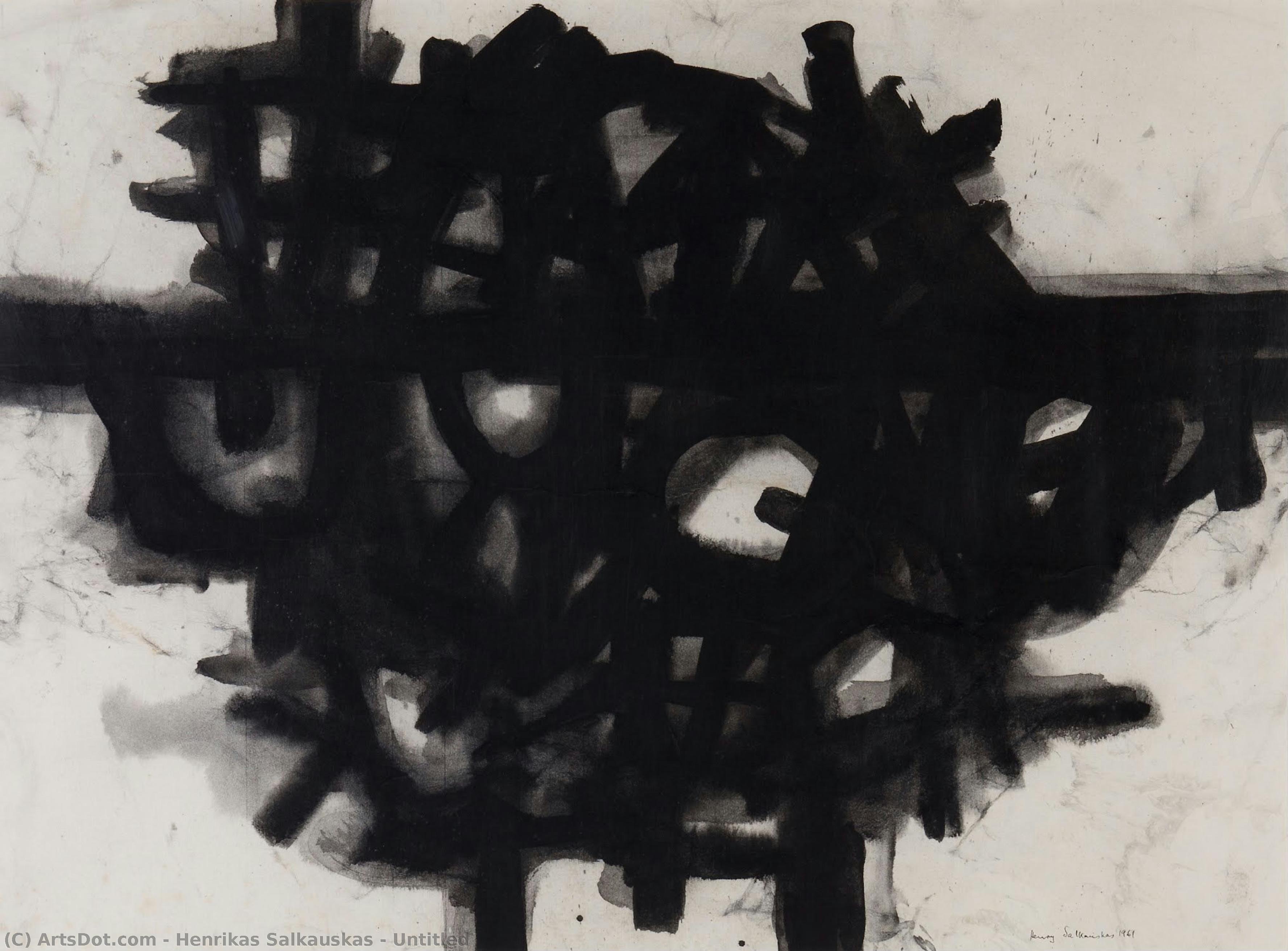
Untitled
 1961
1961 101.0 x 75.0 cm
 Penrith Regional Gallery - Home of the Lewers Bequest
 Pročitaj više
Kupite digitalnu sliku visoke rezolucije i poboljšanog kvaliteta, koja je znatno superiornija od onoga što vidite u online prikazu.
Svaka datoteka je pedantno pripremljena od strane naših stručnjaka koristeći napredne alate i profesionalnu ručnu retušu. Osiguravamo da svaka slika ima izuzetnu oštrinu, preciznu reprodukciju boja i fine detalje.
Konačna datoteka se dostavlja putem e-pošte u roku od 72 sata, optimizovana za neposrednu upotrebu u profesionalnim, izdavačkim i štamparskim okruženjima. To je isti kvalitet kojem veruju vrhunski studiji dizajna, izdavači i galerije.
Digitalna slika
Preuzmite datoteku visoke rezolucije za ličnu upotrebu, štampanje i kreativne projekte. ( Kupi print Kupi ručno naslikanu sliku)
Uključeno uz svaku porudžbinu digitalne slike
Profesionalna digitalna isporuka, zagarantovana
Kada odaberete ArtsDot.com, ne dobijate samo sliku – vi primate profesionalno unapređeno digitalno umetničko delo, izrađeno sa najvećom preciznošću i uz garanciju zadovoljstva. Evo svega što automatski dolazi uz vašu porudžbinu:

Brza dostava putem e-pošte
Vaša digitalna slika visoke rezolucije biće vam poslata putem e-pošte u roku od 72 sata od poručivanja – spremna za trenutnu upotrebu.

Digitalna datoteka unapređena veštačkom inteligencijom
Vaše umetničko delo je profesionalno optimizovano korišćenjem naprednih AI alata i ručne obrade, čime se osiguravaju maksimalni detalji, oštrina i preciznost boja.

Besplatna ponovna isporuka doživotno
Slučajno ste obrisali ili izgubili svoju datoteku? Ne brinite – poslaćemo vam je ponovo u bilo kom trenutku, potpuno besplatno.

Bez troškova uvoza – zauvek
Uživajte u svojim umetničkim delima trenutno, bez carine, dažbina ili troškova dostave – digitalni download je uvek bez poreza.

Garancija vernosti boja
Uz pomoć profesionalnih alata i upravljanja bojama, osiguravamo da vaša digitalna slika što vernije odražava originalne boje.

Garancija zadovoljstva u roku od 100 dana
Ako niste zadovoljni svojom digitalnom slikom, revidirat ćemo je ili vratiti 100% novca u roku od 100 dana – bez ikakvih pitanja.

100% garancija povrata novca
Niste zadovoljni? Obezbedite pun povrat novca u roku od 100 dana od trenutka kada ste primili svoju digitalnu datoteku – bez suvišnih pitanja.

Popusti na velike porudžbine
Kupite 3 slike, uštedite 10% - Kupite 5 slika, uštedite 15% - Kupite 10+ slika, uštedite 20%. Odlično za kreativne projekte, galerije i agencije.
Srodna umetnička dela







Biografija umetnika
Robert Rauschenberg: A Collision of Worlds
Born Milton Ernest Rauschenberg in Port Arthur, Texas, on October 22, 1925, Robert Rauschenberg’s artistic journey was a radical departure from traditional notions of painting and sculpture. His early life, steeped in the fundamentalist Christianity of his parents—a physician father and a homemaker mother—provided an unexpected foundation for his later explorations into the intersection of everyday objects and art. This seemingly disparate background fueled a lifelong fascination with contrasts: the sacred and the profane, order and chaos, high art and popular culture – themes that would become central to his groundbreaking work.
Rauschenberg’s formal artistic training began at the University of Texas at Austin, where he initially studied English Literature. However, it was a pivotal summer spent assisting commercial artist Henrique Ibiraçu in Dallas that truly ignited his creative spark. This experience exposed him to techniques like screenprinting and collage, laying the groundwork for his later development of the “Combine” paintings. He continued his studies at Black Mountain College in North Carolina, where he encountered artists like Josef Albers, Max Ernst, and Merce Cunningham – a group that profoundly influenced his thinking about process, perception, and the relationship between art and life.
- Early Works (1950s): Rauschenberg’s early paintings were characterized by a vibrant use of color and gestural brushwork, reflecting the influence of Abstract Expressionism.
- Combines (1954-1964): This pivotal series marked a radical shift in his practice. Combining painting with found objects – newspapers, photographs, fabric scraps, bottle caps, and even taxidermied creatures – Rauschenberg blurred the boundaries between art forms, challenging traditional notions of authorship and artistic value. Works like *Monogram* (1955) and *Canyon* (1959) are iconic examples of this innovative approach.
- Experiments with Photography & Printmaking: Throughout his career, Rauschenberg continued to experiment with photography, printmaking, and papermaking, often integrating these techniques into his larger works.
The Philosophy Behind the Combine
Rauschenberg’s “Combines” weren't simply assemblages; they were carefully constructed dialogues between disparate elements. He described them as "paintings with objects," emphasizing that the objects were not merely decorative additions but integral components of the artwork itself. He sought to create a sense of surprise and ambiguity, inviting viewers to actively engage with the work and interpret its meaning. The process was often intuitive, driven by chance encounters and spontaneous decisions – a deliberate rejection of traditional artistic control.
Influenced by Dadaism and Surrealism, Rauschenberg’s approach can be seen as an extension of these movements' interest in challenging established conventions and exploring the subconscious. However, unlike the nihilistic spirit of Dada, Rauschenberg’s work retained a sense of optimism and possibility, suggesting that art could be found in unexpected places and through unconventional means.
His collaboration with choreographer Merce Cunningham was particularly significant. They developed a unique approach to artistic creation, rejecting narrative and prioritizing movement and process. This shared philosophy profoundly shaped Rauschenberg’s work, leading him to create “Dance Paintings” – large-scale paintings that captured the energy and rhythm of Cunningham's dances.
A Legacy of Innovation
Robert Rauschenberg’s impact on 20th-century art is undeniable. He shattered traditional categories of painting and sculpture, paving the way for subsequent generations of artists to explore new materials, techniques, and conceptual approaches. His work continues to be exhibited and studied worldwide, inspiring artists and audiences alike.
Beyond his artistic achievements, Rauschenberg was a dedicated educator and advocate for art education. He taught at institutions such as Black Mountain College, Cooper Union, Yale University, and MIT, fostering the creativity of countless students. He also established the Rauschenberg Foundation, which supports artists and educational programs around the world.
Rauschenberg’s death in May 12, 2008, at the age of 82, marked the end of an era. However, his legacy as a visionary artist and innovator continues to resonate through his groundbreaking work and his profound influence on the art world.
John Singer Sargent: A Portraitist of His Time
Born in Florence, Italy, in January 1856, John Singer Sargent was the only son of American surgeon Fitzwilliam Sargent and his wife Emily Taverner. His childhood was spent traveling extensively throughout Europe, a formative experience that instilled in him a deep appreciation for art and culture. This upbringing shaped his artistic sensibilities, leading him to pursue painting as a career.
Sargent’s early training began with Carolus-Duran in Paris, where he honed his skills and developed his distinctive style – characterized by loose brushwork, vibrant colors, and a remarkable ability to capture the essence of his subjects. He quickly gained recognition for his portraiture, attracting wealthy patrons from across Europe and America.
- Portraiture as Craft & Art: Sargent’s portraits were not merely likenesses; they were carefully constructed narratives that revealed the personalities and social standing of their sitters.
- British Impressionism: Sargent's work is often categorized as British Impressionism, reflecting his influence from French Impressionist painters like Monet and Renoir while maintaining a distinctly English sensibility.
- Notable Portraits: He painted numerous iconic portraits, including those of Dame Ellen Terry, Asher Wertheimer, and Lady Randolph Churchill.
Sargent’s career spanned several decades, during which he established himself as one of the most celebrated portrait painters of his time. He continued to work prolifically until his death in London on April 15, 1925, leaving behind a vast and influential body of work that continues to captivate audiences today.
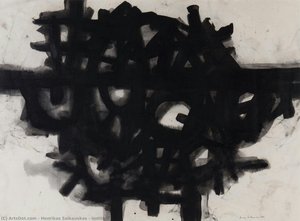
henrikas salkauskas
1925 - 1979 , Lithuania
Kratke činjenice
- Artistic Movement Or Style:
- Assemblage
- Pop Art
- Neo-Dada
- Artists Or Movements Influenced By This Artist:
- Jasper Johns
- Robert Ryman
- Artists Who Influenced This Artist:
- Picasso
- Pollock
- Marcel Duchamp
- Date Of Birth: October 22, 1925
- Date Of Death: May 12, 2008
- Full Name: Robert Rauschenberg
- Nationality: American
- Notable Artworks:
- Canyon
- Monogram
- Rauschenberg Prints
- Place Of Birth: Port Arthur, Texas