

 Pregledaj u prostoru
 Pošalji
 Podeli
 Detalji o delu

 Преузми
 Slični predmeti
 Rendgenski snimak
 Slajdovi
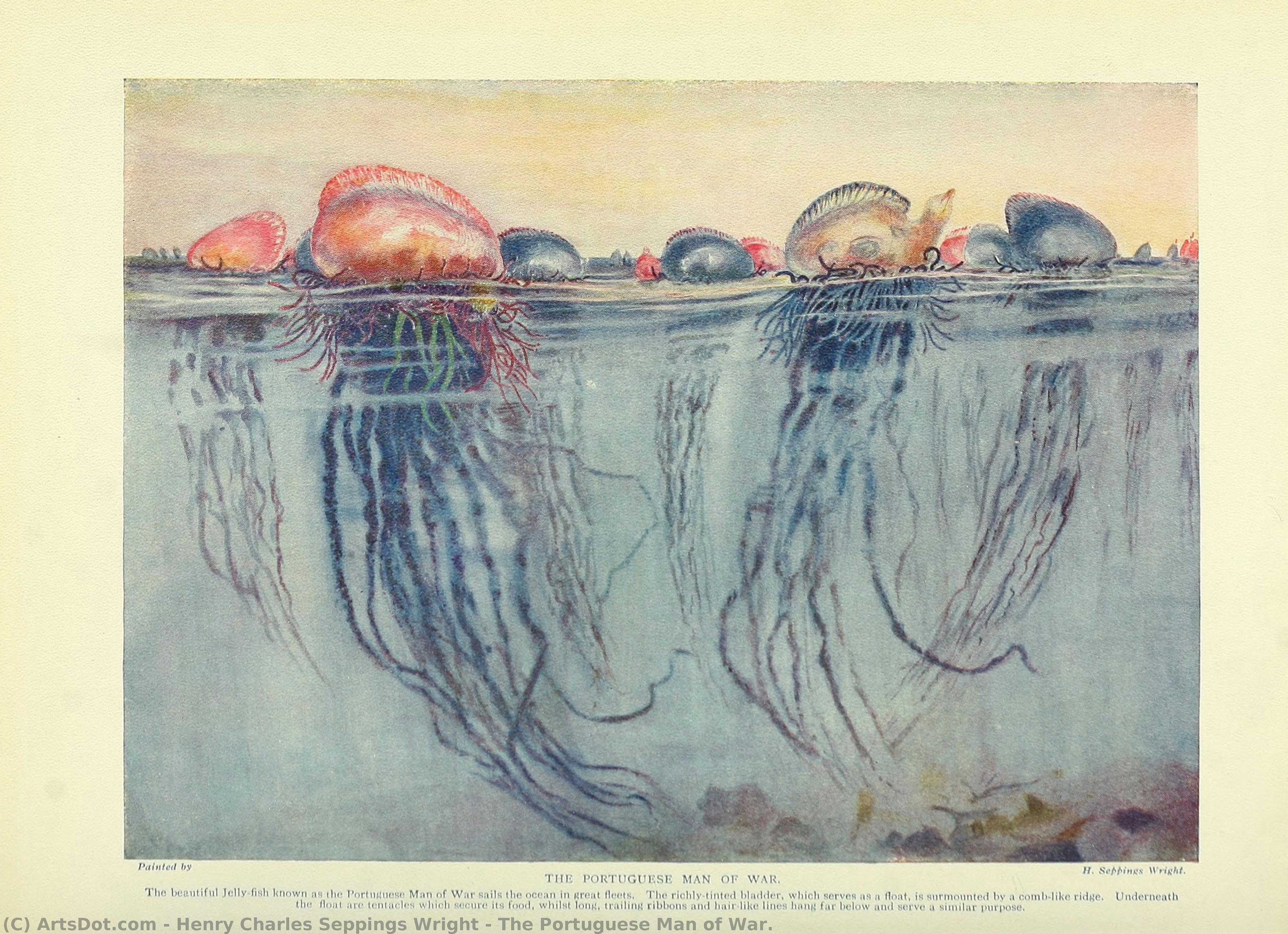
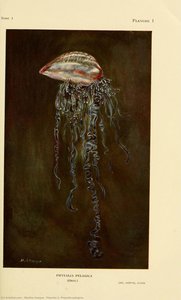
The Portuguese Man of War.


 Pročitaj više
Ručno rađena uljana reprodukcija
Ručno oslikano uljanim bojama na platnu u dimenzijama i okviru po vašem izboru, izrađeno po porudžbini od strane naših umetnika. ( Kupi print Kupi digitalnu sliku)




P118B $10

P118H $10

P118W $10

P438Z $10

P508JH $12

P508YH $12

P805H $10

P805Z $10

P919BZ $10

P919G $10

P919XJ $10

P959ZH $10

P968JZ $12

W106C $8

W218G $10

W218JH $8

W218Y $10

W307PJ $10

W316G $10

W316PJ $8

W316Y $10

W398PJ $8

W4111J $10

W500HY $15

W500JH $15

W692G $12

W849H $8

W940BG $15

W953PJ $8




Izaberite jednu od naših unapred definisanih veličina koje odgovaraju originalnim proporcijama umetničkog dela.

Можете унети сопствене димензије како бисте прилагодили дело одређеном оквиру или простору. Ако одабрана величина не одговара пропорцијама оригинала, слика ће бити исечена или проширена додатним елементима који се ручно насликавају. Дигитални prikaz ће вам бити послат на одобрење пре почетка производње.
Имајте на уму да преглед на екрану не одражава стварно исецање или проширење. Само приказ (mockup) ће тачно приказати коначну композицију.
Иако су доступне прилагођене величине, препоручујемо да одаберете димензију из дефинисане листе како бисте сачували оригиналне пропорције.
Nakon narudžbine, tim ArtsDot.com će klijentu putem e-pošte poslati uputstva i dostaviti prikaz predloženog rešenja
Isporuka širom sveta () za 3/4 nedelje umesto uobičajenih 5 nedelja. (22 август). Bez kompromisa po pitanju kvaliteta.

Besplatna ekspresna dostava širom sveta

Visokokvalitetno laneno platno

Kompletno osiguranje transporta

Garancija povraćaja carine i uvoznih dažbina

Garancija vernosti boja

Politika povrata u roku od 60 dana (samo u slučaju nedostataka)

Garancija povrata novca od 100%

Popust pri grupnoj kupovini
 Opcija sa staklom dostupna je samo za dimenzije manje od 110 cm

The Portuguese Man of War.
Tehnika reprodukcije
Dimenzije reprodukcije
-


Konačna cena
$ 263
Opis umetničkog dela
Henry Charles Seppings Wright’s “The Portuguese Man of War” – A Study in Fluid Form and Dramatic Color
Henry Charles Seppings Wright’s “The Portuguese Man of War,” completed around 1895, isn't merely a depiction of marine life; it’s an embodiment of Victorian fascination with the sublime—that unsettling blend of beauty and terror inherent in confronting the vastness and power of nature. Painted in oil on canvas, this artwork transcends simple observation, inviting viewers into a meticulously crafted tableau that speaks volumes about Wright’s artistic vision and his era’s preoccupation with scientific exploration alongside Romantic sensibilities.
- Subject Matter: The painting centers around the Portuguese man o' war (Physalia physalis), a jellyfish-like colonial organism renowned for its venomous tentacles. Wright captures not just the creature itself but also its dynamic movement within the ocean environment, conveying an impression of restless energy and unpredictable danger.
- Style: Wright’s style leans heavily into Impressionistic influences, prioritizing capturing fleeting moments of light and color rather than striving for photographic realism. Brushstrokes are loose and expressive, blending seamlessly to create a shimmering surface that mimics the undulating motion of seawater. This technique prioritizes atmosphere over precise detail.
- Technique: Wright skillfully employs layering techniques—thin washes of pigment followed by thicker applications—to build up depth and texture. The artist’s meticulous attention to color is particularly noteworthy; vibrant reds, purples, and yellows dominate the composition, mirroring the bioluminescence often observed in man o' war colonies. These hues aren’t merely decorative; they contribute significantly to the painting’s dramatic impact.
Historical Context: The late Victorian period witnessed a surge of scientific curiosity fueled by advancements in microscopy and exploration expeditions. Artists like Wright responded to this intellectual fervor by incorporating scientific observations into their artworks, albeit filtered through the lens of Romantic aesthetics. “The Portuguese Man of War” reflects this spirit—a desire to represent both the beauty and peril inherent in confronting the natural world.
Symbolism: Beyond its depiction of a fascinating marine animal, the painting carries symbolic weight. The tentacles themselves symbolize vulnerability and defense – an organism seemingly defenseless yet capable of inflicting considerable harm. Furthermore, the expansive ocean backdrop represents infinity and the sublime—a reminder of humanity’s insignificance in comparison to the forces of nature. Wright's masterful use of color amplifies these themes, conveying a sense of awe and apprehension.
Emotional Impact: Viewing “The Portuguese Man of War” evokes a feeling of wonder mingled with unease. The artist succeeds in capturing not just what is seen but also what is felt—the unsettling beauty of the ocean’s depths and the inherent danger lurking beneath its surface. It's a painting that lingers in the mind long after viewing, prompting contemplation on themes of resilience, vulnerability, and the sublime grandeur of creation.
Provenance: Currently housed at The Smithsonian Libraries and Archives (Washington D.C., United States), this artwork exemplifies the enduring appeal of Victorian art—a testament to Wright’s artistic skill and his ability to translate scientific observation into emotionally resonant visual experience.
Srodna umetnička dela

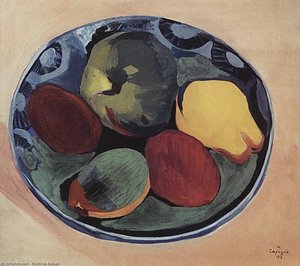
Biografija umetnika
Henry Charles Seppings Wright (1849–1937): A Life of Illustration, War Correspondence, and Controversy
Born in Stithians, United Kingdom, in 1849, Henry Charles Seppings Wright led a multifaceted life as an English artist, illustrator, war correspondent, and author. He died in 1937, leaving behind a body of work that reflects the dynamism and complexities of the Victorian era and beyond. Wright’s career spanned several decades, encompassing artistic contributions to prominent publications, firsthand accounts of military conflicts, and literary endeavors all interwoven with his distinctive illustrative style.
Early Career & Artistic Development
Wright's early artistic training remains somewhat obscure, but he quickly established himself as a talented illustrator. He gained recognition for his satirical caricatures published in Vanity Fair under the pseudonym "Stuff," a moniker that became synonymous with his witty and observant depictions of prominent figures. His work also appeared regularly in The Illustrated London News, showcasing his versatility across various subjects. These early experiences honed his skills in capturing likenesses and conveying narrative through visual imagery. His style was characterized by detailed observation, often employing a slightly exaggerated realism to enhance the comedic or dramatic effect.
War Correspondence & Artistic Documentation
A defining aspect of Wright’s career was his role as a war correspondent. He bravely ventured into conflict zones, documenting events firsthand and providing visual records for publication. He served in Tripoli and famously accompanied Tōgō's navy during the Russo-Japanese War (1904-1905), producing compelling illustrations that brought these distant battles to life for European audiences. These experiences informed several books he authored, which were richly illustrated with his own artwork, offering a unique blend of journalistic reporting and artistic interpretation. His ability to combine accurate observation with engaging storytelling made him a sought-after chronicler of military events.
The Benin Expedition & Lasting Controversy
Wright’s participation in the British Benin Expedition of 1897 remains a significant, and controversial, element of his legacy. He was present during the looting of Benin City, an event widely condemned today for its destruction of cultural heritage and colonial implications. While he documented aspects of the expedition through his art, his involvement in this episode has prompted critical re-evaluation of his work within a contemporary context. It is important to acknowledge this aspect of his history when considering his overall contribution to art and journalism.
Influences & Historical Significance
Wright’s artistic influences likely included the established traditions of British illustration, with possible affinities to artists known for their detailed realism and satirical commentary. His work reflects the broader Victorian fascination with exploration, military prowess, and documenting world events. He contributed significantly to the popularization of visual journalism during a period when illustrated newspapers were crucial sources of information. While his participation in the Benin Expedition casts a shadow on his legacy, Wright’s artistic skill and his unique perspective as both an artist and war correspondent cemented his place within the history of British illustration and Victorian-era reporting.
- Pseudonym: "Stuff" (Vanity Fair)
- Key Publications: The Illustrated London News, Vanity Fair
- Notable Works: Illustrations from Tripoli and the Russo-Japanese War.
- Significant Event: Participation in the Benin Expedition of 1897.
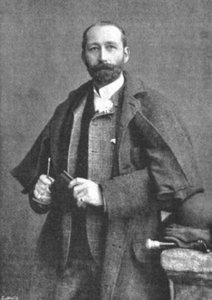
Henry Charles Seppings Wright
1849 - 1937 , United Kingdom
Osnovne informacije
- Artistic Movement Or Style: Victorian art
- Date Of Birth: 1849
- Date Of Death: 1937
- Full Name: Henry Charles Seppings Wright
- Nationality: British
- Notable Artworks: ['The Portuguese Man of War']
- Place Of Birth: Stithians, United Kingdom
Povezani članci
Watercolor Wonders: 10 Masterpieces That Redefined Art History | ArtsDot
Journey through 10 legendary watercolor masterpieces by Sargent, Turner & Homer! Explore iconic landscapes, portraits & floral art that redefined history. Find museum-quality reproductions and curated decor ideas at ArtsDot.com.

Ephemeral Visions: Exploring the Artistic Legacy & Contemporary Practice of Watercolor Painting
Explore the captivating world of watercolor painting! Discover its rich history, essential techniques, influential artists & collecting tips. A comprehensive guide for art enthusiasts from ArtsDot.

Ephemeral Visions: Exploring the History & Emotional Resonance of Watercolor Painting
Explore the captivating history of watercolor painting, from ancient techniques to modern masters like Kandinsky & Blake. Discover essential artists, collecting tips & the emotional power of this luminous medium. Expert insights for art enthusiasts.
Ephemeral Visions: Exploring the Artistic Legacy & Nuances of Watercolor Painting
Explore the captivating world of watercolor painting! Discover its rich history, essential techniques, influential artists & collecting tips from art experts. A comprehensive guide for enthusiasts.
Акварел кроз векове: Историјски развој, технике и савремена пракса
Истражите историју акварела, технике и савремене трендове уз стручне увиде ArtsDot-а. Сазнајте више о познатим уметницима и материјалима за сликање акварелом. Купите квалитетне репродукције или наручите персонализовани портрет!

