

 Pregledaj u prostoru
 Pošalji
 Podeli
 Detalji o delu

 Преузми
 Slični predmeti
 Rendgenski snimak
 Slajdovi
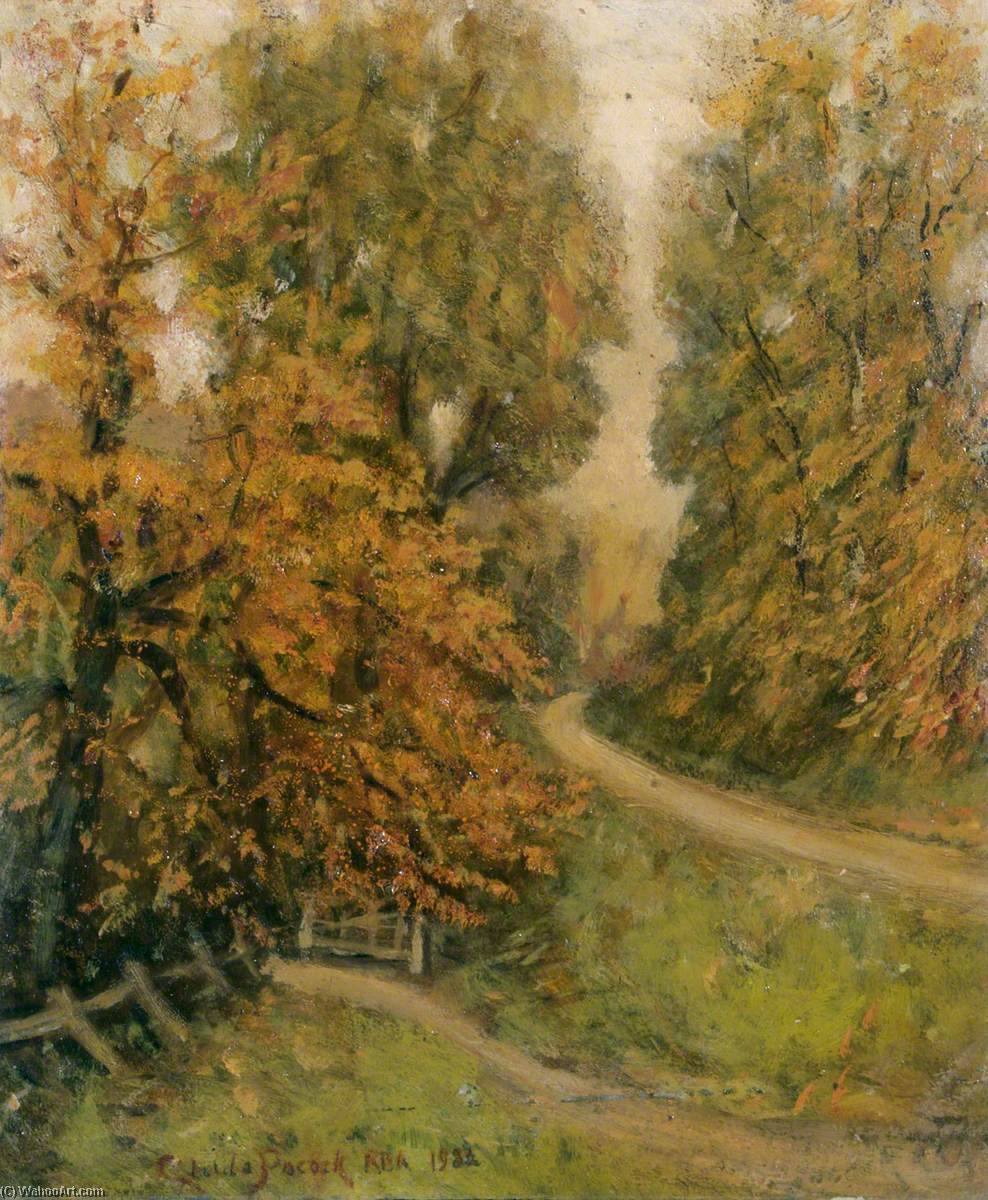
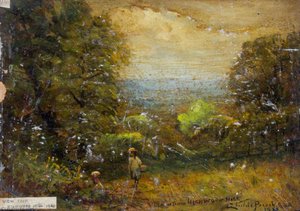
Lawrence Street in Autumn, Mill Hill
 1932
1932 30.0 x 25.0 cm
 Barnet Local Studies - Archives
 Pročitaj više
Ručno rađena uljana reprodukcija
Ručno oslikano uljanim bojama na platnu u dimenzijama i okviru po vašem izboru, izrađeno po porudžbini od strane naših umetnika. ( Kupi print Kupi digitalnu sliku)




































Izaberite jednu od naših unapred definisanih veličina koje odgovaraju originalnim proporcijama umetničkog dela.

Можете унети сопствене димензије како бисте прилагодили дело одређеном оквиру или простору. Ако одабрана величина не одговара пропорцијама оригинала, слика ће бити исечена или проширена додатним елементима који се ручно насликавају. Дигитални prikaz ће вам бити послат на одобрење пре почетка производње.
Имајте на уму да преглед на екрану не одражава стварно исецање или проширење. Само приказ (mockup) ће тачно приказати коначну композицију.
Иако су доступне прилагођене величине, препоручујемо да одаберете димензију из дефинисане листе како бисте сачували оригиналне пропорције.
Nakon narudžbine, tim ArtsDot.com će klijentu putem e-pošte poslati uputstva i dostaviti prikaz predloženog rešenja
Isporuka širom sveta () za 3/4 nedelje umesto uobičajenih 5 nedelja. (24 август). Bez kompromisa po pitanju kvaliteta.

Besplatna ekspresna dostava širom sveta

Visokokvalitetno laneno platno

Kompletno osiguranje transporta

Garancija povraćaja carine i uvoznih dažbina

Garancija vernosti boja

Politika povrata u roku od 60 dana (samo u slučaju nedostataka)

Garancija povrata novca od 100%

Popust pri grupnoj kupovini
 Opcija sa staklom dostupna je samo za dimenzije manje od 110 cm

Lawrence Street in Autumn, Mill Hill
Tehnika reprodukcije
Dimenzije reprodukcije
-


Konačna cena
$ 263
Srodna umetnička dela



Biografija umetnika
The Pastoral Vision of Henry Childe Pocock
In the heart of the Victorian era, a period defined by rapid industrialization and shifting social landscapes, Henry Childe Pocock (1854–1934) emerged as a steadfast guardian of the English countryside. A painter of profound sensitivity, Pocock dedicated much of his life to chronicling the serene, untouched beauty of Mill Hill, Hertfordshire. His work serves as more than mere documentation; it is an emotional journey into a pastoral ideal, where the rolling hills and sun-drenched meadows of rural England are rendered with a reverence that borders on the spiritual. Born in London, Pocock’s artistic soul was shaped by the rigorous traditions of British fine art, yet his vision remained uniquely tethered to the quiet, rhythmic life of the landscapes he called home.
The foundation of Pocock’s mastery can be traced back to his formative years at the Slade School of Fine Art. Under the tutelage of the celebrated Pre-Raphaelite master Frederence Leighton, Pocock imbibed a philosophy of meticulous observation and idealized representation. This training instilled in him an unwavering commitment to capturing the natural world with both accuracy and emotional resonance. Influenced by the critical eye of John Ruskin and the vibrant realism of William Holman Hunt, Pocock learned to see the landscape not just as scenery, but as a complex tapestry of light, texture, and atmosphere. This academic rigor allowed him to bridge the gap between classical precision and a more fluid, impressionistic approach that would characterize his later, most evocative works.
Technique and the Luminosity of Light
Pocock’s technical prowess was defined by a remarkable ability to manipulate oil paints to achieve a sense of luminous depth. He often employed the painstaking method of layering thin glazes over the canvas, a technique that allowed light to penetrate the upper layers and reflect back, creating a glowing, translucent effect on the surface of his landscapes. This mastery of tonal subtlety enabled him to capture the fleeting nuances of English weather—the soft haze of a summer morning, the heavy moisture of a damp meadow, or the sharp clarity of a coastal breeze. His compositions frequently utilized horizontal formats, which emphasized the breadth of the horizon and invited the viewer to step into an expansive, open world.
Beyond his technical skill, Pocock’s work is noted for its ability to evoke specific moods through texture and color:
- Atmospheric Precision: His ability to render atmospheric conditions, such as seen in his depictions of Uphill Farm, where the air itself feels palpable.
- Textural Richness: A profound attention to the tactile qualities of nature, from the soft fur of cattle to the rugged bark of ancient trees.
- Tonal Harmony: The use of muted, nostalgic tones in works like Old Cottages, Holcombe Hill to evoke a sense of timelessness and peace.
A Legacy of Rural Tranquility
The significance of Henry Childe Pocock lies in his role as a chronicler of a vanishing way of life. As the world around him grew increasingly urbanized, his canvases remained sanctuaries of stillness. Whether depicting the lively summer energy of The Sheepwash or the quiet, reflective moment of Cattle by a Pond, his work captures a harmony between animals and their environment that feels both eternal and fragile. His paintings are not merely landscapes; they are portraits of a specific English identity, rooted in the soil and the seasons.
Today, Pocock’s legacy continues to resonate through his ability to transport the viewer to a more tranquil era. His works, held in esteemed collections such as the Barnet Local Studies Archives, stand as enduring testaments to the beauty of the English pastoral tradition. Through his eyes, we are reminded that even in the midst of change, there is a profound, lasting grace to be found in the quiet corners of the world.
henry childe pocock
1854 - 1934
Osnovne informacije
- Artistic Movement Or Style: Romantic Landscape Painting
- Artists Or Movements Influenced By This Artist: ['Hudson Lowe']
- Artists Who Influenced This Artist: ['John Constable']
- Date Of Birth: 1854
- Date Of Death: 1934
- Full Name: Henry Childe Pocock
- Nationality: British
- Notable Artworks: ['Uphill Farm, Mill Hill']
- Place Of Birth: Barnet, England

