

 Pregledaj u prostoru
 Pošalji
 Podeli
 Detalji o delu

 Преузми
 Slični predmeti
 Rendgenski snimak
 Slajdovi
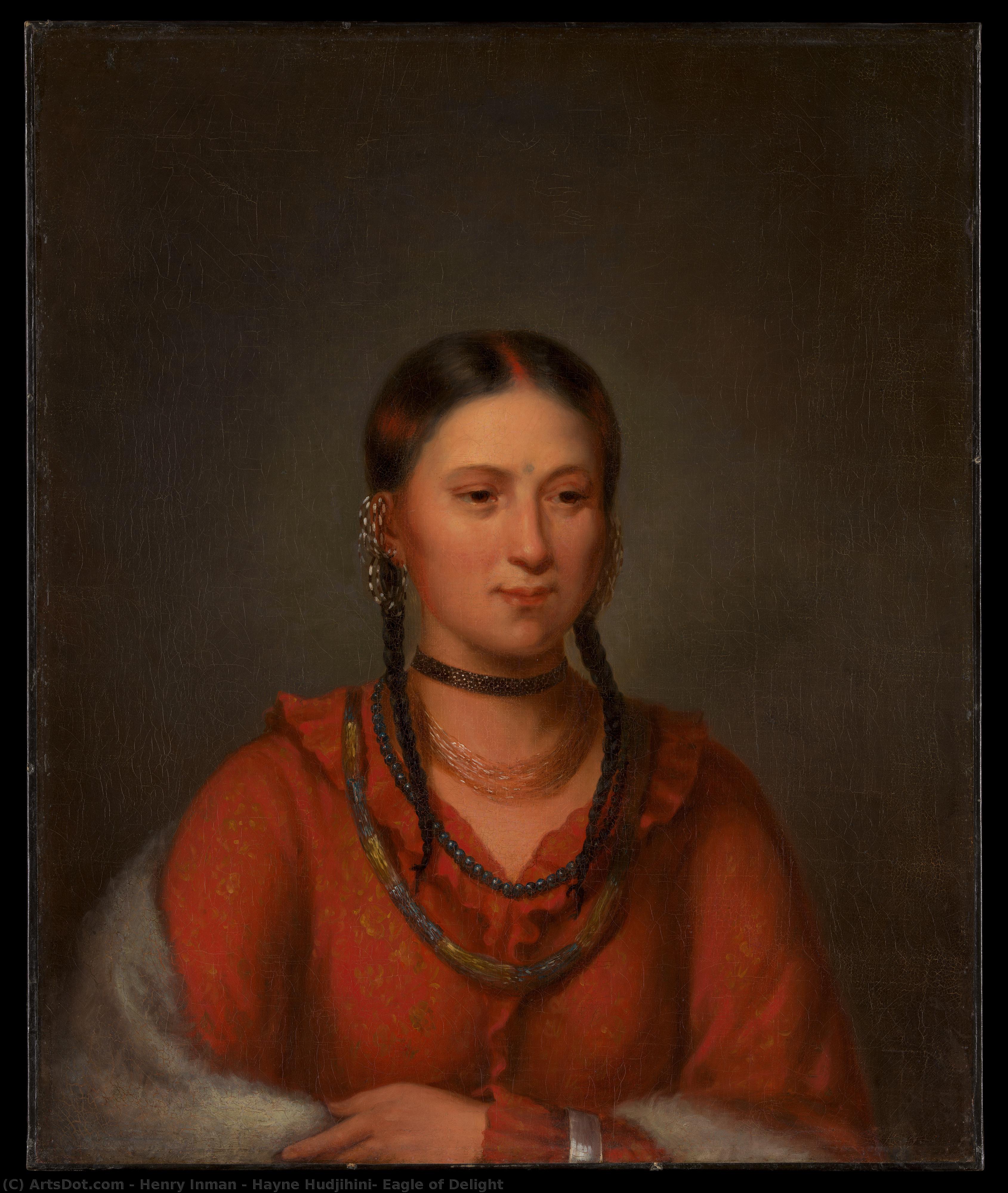
Hayne Hudjihini, Eagle of Delight
 Oil On Canvas
- WallArt
- American Realism
 1832
1832 77.0 x 64.0 cm
 Metropolitan Museum of Art
 Pročitaj više
Ručno rađena uljana reprodukcija
Ručno oslikano uljanim bojama na platnu u dimenzijama i okviru po vašem izboru, izrađeno po porudžbini od strane naših umetnika. ( Kupi print Kupi digitalnu sliku)




P118B $10

P118H $10

P118W $10

P438Z $10

P508JH $12

P508YH $12

P805H $10

P805Z $10

P919BZ $10

P919G $10

P919XJ $10

P959ZH $10

P968JZ $12

W106C $8

W218G $10

W218JH $8

W218Y $10

W307PJ $10

W316G $10

W316PJ $8

W316Y $10

W398PJ $8

W4111J $10

W500HY $15

W500JH $15

W692G $12

W849H $8

W940BG $15

W953PJ $8




Izaberite jednu od naših unapred definisanih veličina koje odgovaraju originalnim proporcijama umetničkog dela.

Можете унети сопствене димензије како бисте прилагодили дело одређеном оквиру или простору. Ако одабрана величина не одговара пропорцијама оригинала, слика ће бити исечена или проширена додатним елементима који се ручно насликавају. Дигитални prikaz ће вам бити послат на одобрење пре почетка производње.
Имајте на уму да преглед на екрану не одражава стварно исецање или проширење. Само приказ (mockup) ће тачно приказати коначну композицију.
Иако су доступне прилагођене величине, препоручујемо да одаберете димензију из дефинисане листе како бисте сачували оригиналне пропорције.
Nakon narudžbine, tim ArtsDot.com će klijentu putem e-pošte poslati uputstva i dostaviti prikaz predloženog rešenja
Isporuka širom sveta () za 3/4 nedelje umesto uobičajenih 5 nedelja. (23 август). Bez kompromisa po pitanju kvaliteta.

Besplatna ekspresna dostava širom sveta

Visokokvalitetno laneno platno

Kompletno osiguranje transporta

Garancija povraćaja carine i uvoznih dažbina

Garancija vernosti boja

Politika povrata u roku od 60 dana (samo u slučaju nedostataka)

Garancija povrata novca od 100%

Popust pri grupnoj kupovini
 Opcija sa staklom dostupna je samo za dimenzije manje od 110 cm

Hayne Hudjihini, Eagle of Delight
Tehnika reprodukcije
Dimenzije reprodukcije
-


Konačna cena
$ 263
Opis umetničkog dela
A Portrait of Dignity: Hayne Hudjihini, Eagle of Delight by Henry Inman
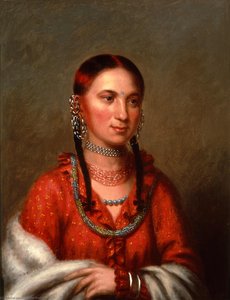
Henry Inman’s “Hayne Hudjihini, Eagle of Delight,” painted in 1832, is more than just a portrait; it's a window into the life and spirit of a remarkable Otoe woman. This captivating artwork transcends its historical context to offer a profound meditation on leadership, beauty, and cultural identity within early America. Commissioned as part of Thomas L. McKenney’s ambitious “History of the Indian Tribes of North America,” Inman's depiction of Hayne Hudjihini stands as one of the most poignant and dignified representations of Native American women produced during that era.
The painting immediately draws the eye with its rich palette – deep reds, browns, and ochres dominate, mirroring the earth tones of the Otoe people’s homeland. Hayne Hudjihini is rendered in a style characteristic of Inman's work: meticulously detailed yet imbued with an underlying sense of grace. Her posture exudes quiet strength and composure; she holds her chin slightly elevated, suggesting both intelligence and self-assuredness. The intricate details of her adornments – the elaborate earrings, necklaces crafted from beads and shells, and a gleaming silver bracelet—speak volumes about her status within her community and the importance placed on tradition and craftsmanship.
Historical Echoes: A Leader’s Journey
Hayne Hudjihini's story is inextricably linked to the broader narrative of Native American diplomacy in the early 19th century. In 1822, she accompanied her husband, Chief Sų Manyi Kathi (Shaumonekusse), on a significant journey to Washington D.C., where they met President James Monroe and other prominent figures. This diplomatic mission marked a crucial moment of engagement between the Otoe people and the burgeoning United States government. The portrait itself was created in preparation for hand-colored lithographs intended for McKenney’s publication, ensuring that her story – and the stories of other Native American leaders – would be preserved and disseminated to a wider audience.
It's important to note that this wasn’t simply a formal portrait; it was a deliberate act of representation. The decision to commission such a detailed depiction reflects a conscious effort to document and legitimize the voices and perspectives of Native American leaders, challenging prevailing stereotypes and offering a more nuanced understanding of their culture and leadership roles. The painting serves as a testament to Hayne Hudjihini’s role as a respected figure within her community – a woman of intelligence, dignity, and influence.
Artistic Merit & Legacy
Henry Inman's skill as an artist is undeniable. He masterfully captures not only Hayne Hudjihini’s physical likeness but also the essence of her character. The subtle play of light and shadow, the delicate rendering of fabrics and adornments, all contribute to a remarkably lifelike portrayal. Interestingly, this particular portrait was created in response to earlier works by Charles Bird King, who had painted similar portraits of Native American chiefs. While King’s originals were tragically destroyed in a fire at the Smithsonian Institution in 1865, Inman's version offers a vital alternative and a more intimate glimpse into the life of this remarkable woman.
Today, “Hayne Hudjihini, Eagle of Delight” resides at The Metropolitan Museum of Art in New York City, where it continues to captivate viewers. It stands as a powerful reminder of the rich cultural heritage of the Otoe people and a testament to the enduring legacy of Hayne Hudjihini – a leader, a wife, and a woman whose story deserves to be remembered.
Symbolism & Cultural Significance
Beyond its aesthetic qualities, the painting is laden with symbolism. The eagle motif—represented by her name, “Eagle of Delight”—is deeply significant within Otoe culture, symbolizing strength, wisdom, and connection to the spiritual realm. Her adornments – particularly the silver bracelet – represent wealth, status, and a connection to ancestral traditions. The composition itself, with Hayne Hudjihini seated upright and gazing directly at the viewer, conveys an air of authority and confidence.
Furthermore, the painting’s creation within the context of McKenney's “History of the Indian Tribes” highlights the complex relationship between Native American communities and the U.S. government during this period. It represents a deliberate attempt to document and preserve Native American history – albeit through a lens shaped by European perspectives.
Reproductions & Artistic Inspiration
High-quality reproductions of “Hayne Hudjihini, Eagle of Delight” offer an exceptional opportunity to bring this remarkable artwork into your home or office. Whether you choose a framed print or a canvas reproduction, you’ll be acquiring a piece of art history that celebrates the dignity and resilience of Native American culture. This painting serves as a beautiful reminder of the importance of cultural preservation and the power of art to tell compelling stories.
Srodna umetnička dela
Biografija umetnika
A Legacy of Character and Heritage: The Life of Henry Inman
In the burgeoning landscape of nineteenth-century American art, few figures captured the evolving identity of a young nation as intimately as Henry Inman. Born in 1801 in Utica, New York, to English immigrant parents, Inman was a product of both old-world tradition and new-world ambition. His early years in the settlement of Utica provided a foundation of industriousness, but it was his move to the vibrant, growing metropolis of New York City in 1812 that truly ignited his artistic destiny. Under the mentorship of established masters such as John Wesley Jarvis and John Quidor, Inman refined a technical precision that would become his hallmark, learning to navigate the delicate balance between realistic representation and the soulful expression required for high-society portraiture.
Inman’s artistic journey was never confined to a single genre; rather, it was a multifaceted exploration of the American experience. While he possessed a remarkable talent for capturing the quiet, everyday moments of life through his genre scenes—notably his evocative depictions of “Rip Van Winkle” and “The News Boy”—his heart belonged to the study of human character. His portraits were more than mere likenesses; they were psychological studies that sought to reveal the inner dignity and intellect of his subjects. Through a meticulous application of light and shadow, he breathed life into the faces of the era's most influential figures, creating a visual record of leadership and intellect that remains vital to our understanding of American history.
The Documentation of a Vanishing World
Perhaps the most profound chapter of Inman’s career lies in his monumental contribution to the preservation of Native American heritage. Collaborating with the celebrated lithographer Thomas L. McKenney, Inman undertook the Herculean task of producing "The History of the Indian Tribes of North America." This endeavor required him to meticulously copy over one hundred oil paintings originally executed by Charles Bird King. This was not merely a technical exercise in reproduction; it was an act of historical preservation. Through his diligent work, Inman helped ensure that the likenesses and cultural dignity of Native American leaders were etched into the permanent annals of American art history.
This period of his life demonstrated a deep-seated empathy and an alignment with the intellectual currents of his time, which sought to document the complexities of a changing continent. His ability to translate the grandeur of these original works into a format accessible to a wider audience cemented his reputation as an artist of significant social and historical responsibility. In doing so, he bridged the gap between fine art and ethnographic record, making him a pivotal figure in the early American movement toward cultural documentation.
Artistic Mastery and Historical Significance
The breadth of Inman’s portraiture serves as a Who's Who of nineteenth-century American prominence. His canvases featured an extraordinary array of notable figures, including:
- Political Titans: Such as Martin Van Buren, William H. Seward, and DeWitt Clinton.
- Legal Luminaries: Including Chief Justices Marshall and Nelson.
- Intellectuals and Explorers: Most notably the naturalist John James Audubon and the writer Fitz-Greene Halleck.
Beyond his individual canvases, Inman’s influence extended to the very institutions that shaped American art. His role in the founding of the National Academy of Design underscores his commitment to establishing a formal structure for artistic excellence in the United States. Though his life was tragically short, ending in 1846, the impact of his work remains indelible. He left behind a legacy defined by a rare combination of technical virtuosity and a profound respect for the subjects he portrayed, ensuring that the faces of the past continue to speak to the generations of the present.
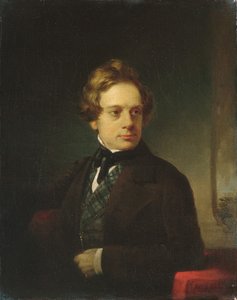
Henry Inman
1801 - 1846 , United States of America
Osnovne informacije
- Artistic Movement Or Style: Hudson River School
- Artists Or Movements Influenced By This Artist: ['Jacob Hart Lazarus']
- Artists Who Influenced This Artist: ['John Wesley Jarvis']
- Date Of Birth: 1801
- Date Of Death: 1846
- Full Name: Henry Inman
- Nationality: American
- Notable Artworks:
- Rydal Falls
- Rip van winkle
- Boyhood of Washington
- Place Of Birth: Utica, United States of America
Povezani članci
Henri Matisse: 25 Remek-dela koji definišu boju i modernu umetnost | ArtsDot
Uronite u svet Henri Matissea! Istražite 25 remek-dela Fauvizma i moderne umetnosti. Otkrijte priče iza slika, tehnike i inspiraciju slavnog francuskog slikara. Reprodukcije vrhunskog kvaliteta dostupne na ArtsDot.com.
Henry Farny: Romantic Visions of the American West & Indigenous Life
Explore the evocative paintings of Henry Farny, renowned for his romantic realism & depictions of Native American life in the 19th-century West. Discover his legacy and key artworks at ArtsDot.
Robert Henri & the Spirit of American Realism: A Legacy of Urban Life and Artistic Independence
Explore the life & legacy of Robert Henri, a pivotal figure in American Realism. Discover his captivating portraits, influence on the Ashcan School, and enduring impact on art history. Learn more at ArtsDot.
Joseph Henry Sharp: Capturing the Spirit of the Plains – Life, Art & Legacy
Explore the life & art of Joseph Henry Sharp, a founding member of the Taos Society of Artists renowned for his realistic depictions of Native American culture and Western landscapes. Discover his legacy with ArtsDot.
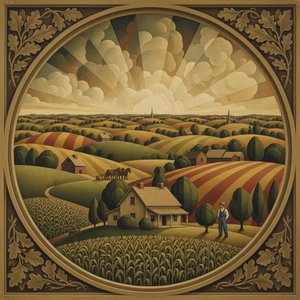
Grant Wood & American Regionalism: Identity, Myth & the Rural Landscape
Explore the world of Grant Wood & American Regionalism with ArtsDot. Discover the symbolism behind 'American Gothic', recurring themes, and the movement's lasting impact on art history. High-quality reproductions available.

