

 Pregledaj u prostoru
 Pošalji
 Podeli
 Detalji o delu

 Преузми
 Slični predmeti
 Rendgenski snimak
 Slajdovi
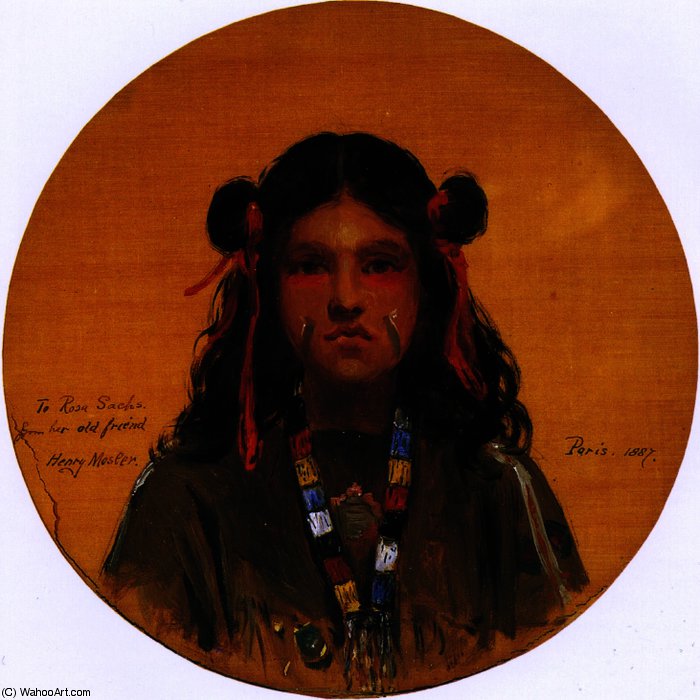
Young Indian Woman (also known as Young Indian Girl)


 Pročitaj više
Kupite digitalnu sliku visoke rezolucije i poboljšanog kvaliteta, koja je znatno superiornija od onoga što vidite u online prikazu.
Svaka datoteka je pedantno pripremljena od strane naših stručnjaka koristeći napredne alate i profesionalnu ručnu retušu. Osiguravamo da svaka slika ima izuzetnu oštrinu, preciznu reprodukciju boja i fine detalje.
Konačna datoteka se dostavlja putem e-pošte u roku od 72 sata, optimizovana za neposrednu upotrebu u profesionalnim, izdavačkim i štamparskim okruženjima. To je isti kvalitet kojem veruju vrhunski studiji dizajna, izdavači i galerije.
Digitalna slika
Preuzmite datoteku visoke rezolucije za ličnu upotrebu, štampanje i kreativne projekte. ( Kupi print Kupi ručno naslikanu sliku)
Uključeno uz svaku porudžbinu digitalne slike
Profesionalna digitalna isporuka, zagarantovana
Kada odaberete ArtsDot.com, ne dobijate samo sliku – vi primate profesionalno unapređeno digitalno umetničko delo, izrađeno sa najvećom preciznošću i uz garanciju zadovoljstva. Evo svega što automatski dolazi uz vašu porudžbinu:

Brza dostava putem e-pošte
Vaša digitalna slika visoke rezolucije biće vam poslata putem e-pošte u roku od 72 sata od poručivanja – spremna za trenutnu upotrebu.

Digitalna datoteka unapređena veštačkom inteligencijom
Vaše umetničko delo je profesionalno optimizovano korišćenjem naprednih AI alata i ručne obrade, čime se osiguravaju maksimalni detalji, oštrina i preciznost boja.

Besplatna ponovna isporuka doživotno
Slučajno ste obrisali ili izgubili svoju datoteku? Ne brinite – poslaćemo vam je ponovo u bilo kom trenutku, potpuno besplatno.

Bez troškova uvoza – zauvek
Uživajte u svojim umetničkim delima trenutno, bez carine, dažbina ili troškova dostave – digitalni download je uvek bez poreza.

Garancija vernosti boja
Uz pomoć profesionalnih alata i upravljanja bojama, osiguravamo da vaša digitalna slika što vernije odražava originalne boje.

Garancija zadovoljstva od 100 dana
Ako niste zadovoljni svojom digitalnom slikom, izvršićemo reviziju ili ćemo vam vratiti 100% novca u roku od 100 dana – bez ikakvih pitanja.

100% garancija povrata novca
Niste zadovoljni? Dobijte puni povraćaj novca u roku od 100 dana od prijema digitalne datoteke – bez suvišnih pitanja.

Popusti na velike porudžbine
Kupite 3 slike, uštedite 10% - Kupite 5 slika, uštedite 15% - Kupite 10+ slika, uštedite 20%. Odlično za kreativne projekte, galerije i agencije.
A Moment Frozen in Time: The Soul of the Young Indian Woman
In the quiet intimacy of Henry Mosler’s 1887 masterpiece, Young Indian Woman, we are invited into a profound encounter with a single, breathless moment. This evocative portrait transcends mere representation, acting as a window into the vibrant spirit of a subject caught in mid-expression. The young woman, rendered with breathtaking sensitivity, possesses an energy that feels almost audible; her slightly parted lips suggest a soft utterance, a song, or perhaps a sudden gasp of realization. It is this sense of dynamism—the feeling that the canvas is breathing alongside the viewer—that elevates Mosler’s work from a standard portrait to a living piece of history.
The composition is masterfully intimate, focusing our gaze entirely upon the subject's face and the delicate adornments that define her identity. Mosler utilizes a close-up perspective to strip away the distractions of landscape or setting, forcing an emotional confrontation with the sitter. Her long, flowing hair cascades around her features, framing a countenance marked by both innocence and a burgeoning strength. Through his expert use of light and shadow, Mosler illuminates the fine textures of her skin and the intricate details of her jewelry, creating a sense of warmth that draws the observer into her personal orbit.
Mastery of Medium and the Art of Observation
Technically, this work stands as a testament to Mosler’s rigorous training and his deep-seated respect for the oil medium. Every brushstroke serves a purpose, contributing to the tactile reality of the painting. The artist demonstrates an extraordinary command over color temperature, using subtle shifts in hue to suggest the soft glow of light hitting her cheek and the rich, earthy tones of her traditional ornaments. His ability to render the luster of a necklace or the delicate weight of an earring speaks to a level of precision that demands close inspection.
For the discerning collector or interior designer, this painting offers more than just aesthetic beauty; it provides a focal point of profound character. The balance achieved in the composition—the harmony between the subject's movement and the stillness of the portraiture—makes it an ideal centerpiece for spaces that value storytelling and cultural depth. Whether placed in a sunlit gallery or a sophisticated study, the painting’s ability to command attention through its quiet intensity ensures it remains a captivating presence within any curated collection.
A Historical Echo: Honoring Native American Heritage
Beyond its formal beauty, Young Indian Woman serves as an important historical document from the late 19th century. During an era of significant transition in the American West, Mosler sought to capture the essence of Native American culture with a level of care and fascination that was both artistic and ethnographic. While the painting is a work of fine art, it carries the weight of a period piece, offering contemporary viewers a glimpse into the dignity and grace of the indigenous peoples as seen through the eyes of an artist deeply moved by their presence.
To possess a high-quality reproduction of this work is to hold a fragment of American history. It allows for the preservation of Mosler’s legacy, ensuring that his meticulous attention to detail and his empathetic portrayal of the subject continue to inspire new generations. For those seeking to infuse their surroundings with art that possesses both historical gravity and timeless elegance, this portrait remains an incomparable choice, bridging the gap between the late 1800s and the modern era through its enduring emotional resonance.
Srodna umetnička dela
Biografija umetnika
Early Life and Artistic Foundations
Henry Mosler, born in Tropplowitz, Silesia (present-day Poland) in 1841, embarked on a journey that would establish him as a significant figure in American art. His family’s emigration to the United States in 1849, settling first in New York and then Cincinnati, Ohio, proved pivotal. This move placed young Henry within a thriving German-Jewish community known for its commitment to education and cultural pursuits—a nurturing environment that undoubtedly fostered his early artistic inclinations. While his father pursued work as a cigar maker and tobacconist, Henry received an apprenticeship with a wood engraver, Horace C. Grosvenor, simultaneously learning the fundamentals of painting from an amateur landscape artist named George Kerr. These formative experiences laid the groundwork for a career deeply rooted in observation, technical skill, and a burgeoning passion for visual storytelling. Even as a young man, Mosler demonstrated a natural talent, sketching portraits of family members and local scenes that hinted at the detailed realism he would later become renowned for.From Civil War Correspondent to European Refinement
The outbreak of the American Civil War dramatically altered the course of Mosler’s artistic development. Serving as an art correspondent for Harper's Weekly from 1862 to 1863, he documented the conflict with a keen eye and unwavering commitment to visual accuracy. This experience wasn’t merely reportage; it was an immersive education in human drama, suffering, and resilience—themes that would subtly permeate his later work. He served as an aide-de-camp with the Army of the Ohio, creating 34 drawings for Harper's Weekly, including depictions of key campaigns in Kentucky and Ohio, alongside portraits of Union generals. Following the war, Mosler sought formal training abroad, a common pursuit for ambitious American artists of the time. He studied in Düsseldorf under Heinrich Mücke and Albert Kindler, then spent six months with Ernest Hébert in Paris. This European sojourn was transformative, exposing him to classical techniques and the prevailing artistic currents of the day. It instilled within him a dedication to craftsmanship and a refined aesthetic sensibility that would define his mature style.A Transatlantic Career and the Pursuit of Realism
Mosler’s career unfolded across continents, reflecting a deliberate pursuit of artistic excellence. He returned to Cincinnati in 1866, establishing himself as a sought-after portraitist, but the allure of Europe proved irresistible. In 1874, he relocated his family to France, initially studying with Carl Theodor von Piloty in Munich before settling into an extended period in Brittany. It was here that Mosler truly found his voice. He became captivated by the lives of Breton peasants, depicting their daily routines and quiet dignity with remarkable sensitivity and detail. His paintings from this period—such as The Quadroon Girl and Early Cares—gained recognition at the Paris Salon, a prestigious platform for showcasing artistic talent. A pivotal moment arrived in 1879 with Le Retour, which was not only accepted by the Salon but also acquired by the Luxembourg Palace – an unprecedented honor for an American artist. This success solidified Mosler’s international reputation and underscored his mastery of realism, a movement that emphasized accurate representation and emotional depth.Legacy and Lasting Influence
In 1894, Henry Mosler returned to the United States, establishing a studio in Carnegie Hall, New York City. He continued to paint prolifically, shifting his focus towards historical genre scenes while maintaining his signature attention to detail and psychological insight. His work resonated with an American audience eager for narratives that celebrated both national heritage and universal human experiences. Beyond his individual achievements, Mosler’s influence extended through his family; his son, Gustave Henry Mosler, also pursued a career in painting, and another son, Arthur Rembrandt Mosler, became an engineer who married the renowned vocal coach Estelle Liebling. His artistic contributions are preserved in major museum collections worldwide—the Smithsonian American Art Museum, the Cincinnati Art Museum, the Huntington Library, and many others—ensuring that his legacy endures for generations to come. He provided valuable visual documentation of both a tumultuous period in American history – the Civil War – and the everyday lives of people across cultures. Henry Mosler stands as a testament to the power of dedication, observation, and artistic skill, leaving an indelible mark on the landscape of 19th-century art.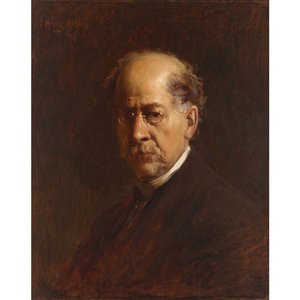
Henry Mosler
1841 - 1920 , Poland
Kratke činjenice
- Artistic Movement Or Style: Realism
- Artists Or Movements Influenced By This Artist: ['Subsequent Artists']
- Artists Who Influenced This Artist: ['European Masters']
- Date Of Birth: June 6, 1841
- Date Of Death: April 21, 1920
- Full Name: Henry Mosler
- Nationality: American
- Notable Artworks:
- Le Retour
- Later Afternoon
- Just Moved
- Place Of Birth: Tropszyno, Poland