

 Pregledaj u prostoru
 Pošalji
 Podeli
 Detalji o delu

 Преузми
 Slični predmeti
 Rendgenski snimak
 Slajdovi
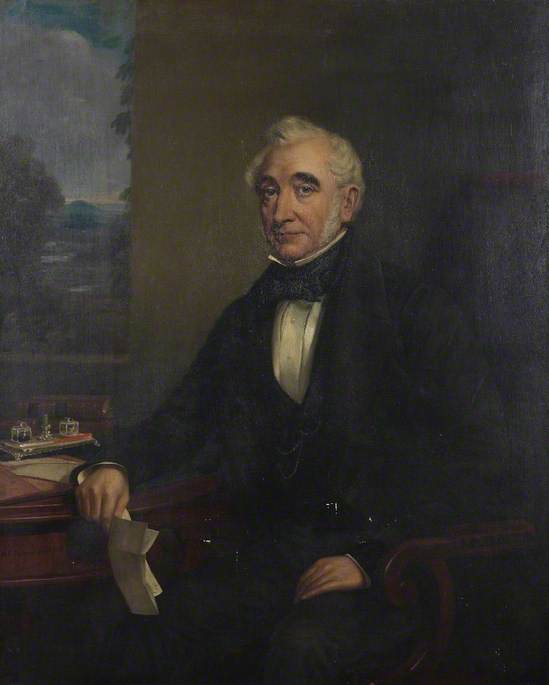
James Foster (1786–1853), Ironmaster of Stourton Castle, Stourbridge
 1853
1853 160.0 x 134.0 cm
 Pročitaj više
Ručno rađena uljana reprodukcija
Ručno oslikano uljanim bojama na platnu u dimenzijama i okviru po vašem izboru, izrađeno po porudžbini od strane naših umetnika. ( Kupi print Kupi digitalnu sliku)




































Izaberite jednu od naših unapred definisanih veličina koje odgovaraju originalnim proporcijama umetničkog dela.

Можете унети сопствене димензије како бисте прилагодили дело одређеном оквиру или простору. Ако одабрана величина не одговара пропорцијама оригинала, слика ће бити исечена или проширена додатним елементима који се ручно насликавају. Дигитални prikaz ће вам бити послат на одобрење пре почетка производње.
Имајте на уму да преглед на екрану не одражава стварно исецање или проширење. Само приказ (mockup) ће тачно приказати коначну композицију.
Иако су доступне прилагођене величине, препоручујемо да одаберете димензију из дефинисане листе како бисте сачували оригиналне пропорције.
Nakon narudžbine, tim ArtsDot.com će klijentu putem e-pošte poslati uputstva i dostaviti prikaz predloženog rešenja
Isporuka širom sveta () za 3/4 nedelje umesto uobičajenih 5 nedelja. (1 септембар). Bez kompromisa po pitanju kvaliteta.

Besplatna ekspresna dostava širom sveta

Visokokvalitetno laneno platno

Kompletno osiguranje transporta

Garancija povraćaja carine i uvoznih dažbina

Garancija vernosti boja

Politika povrata u roku od 60 dana (samo u slučaju nedostataka)

Garancija povrata novca od 100%

Popust pri grupnoj kupovini
 Opcija sa staklom dostupna je samo za dimenzije manje od 110 cm

James Foster (1786–1853), Ironmaster of Stourton Castle, Stourbridge
Tehnika reprodukcije
Dimenzije reprodukcije
-


Konačna cena
$ 263
Srodna umetnička dela








Biografija umetnika
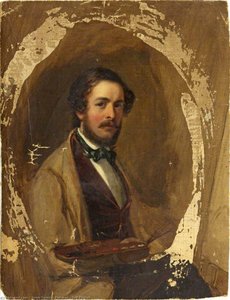
The Architect of Character: The Life and Legacy of Henry Spurrier Parkman
In the grand tapestry of Victorian portraiture, few threads are woven with as much quiet dignity and psychological depth as those left by Henry Spurrier Parkman. Born in London to a clergyman, Parkman’s ascent from humble beginnings to the heights of British artistic prestige is a narrative of profound dedication to the craft of capturing the human essence. He did not merely seek to replicate the surface of his subjects; rather, he sought to unveil the very soul beneath the silk and lace of the nineteenth century's elite. His work serves as a vital historical window, offering an intimate gaze into a society defined by its burgeoning industrial power, political shifts, and a steadfast commitment to the virtues of respectability and civic duty.
The foundation of Parkman’s mastery was laid under the tutelage of John Opie, a master of the Romantic tradition. While Opie was celebrated for his emotive landscapes, it was through this early training that Parkman learned the delicate balance of light and shadow. However, the young artist soon found his true calling not in the sweeping vistas of nature, but in the structured faces of men and women. This artistic evolution was further enriched by his transformative travels through Italy, where the sun-drenched landscapes and the enduring legacy of Neoclassicism left an indelible mark on his technique. From the Italian masters, he adopted a sophisticated approach to tonal gradation and subtle modeling, moving away from the flatter, more vibrant palettes of his contemporaries in favor of a realism that felt both timeless and deeply grounded.
A Chronicle in Canvas: Portraits of Power and Industry
The sheer scale of Parkman’s contribution to British art is staggering, with a prolific output exceeding 300 portraits that continue to grace prestigious galleries. His reputation as the preeminent painter of the era's influential figures made him the preferred choice for those who wished to immortalize their social and political standing. His brush captured the weight of responsibility in the eyes of statesmen such as Lord Melbourne and Benjamin Disraeli, translating their political gravity into enduring visual legacies. Yet, Parkman’s reach extended far beyond the halls of Parliament; he was equally adept at documenting the rise of the industrial titans who were reshaping the British economy.
In his depictions of figures like Sir John Kerle Haberfield and George Burge, Parkman achieved a remarkable feat: he merged the individual's personal identity with the broader narrative of progress. His portraits are characterized by several key elements that define his unique style:
- Psychological Insight: A profound ability to convey thoughtfulness, composure, and the quiet dignity of his subjects.
- Technical Precision: The use of meticulous modeling and subtle light transitions to create a lifelike, three-dimensional presence.
- Narrative Depth: Crafting portraits that act as stories, reflecting the social standing and character traits of the sitter.
- Historical Authenticity: A commitment to capturing the textures and fashions of the Victorian era with unerring accuracy.
Ultimately, the significance of Henry Spurrier Parkman lies in his ability to have transformed the portrait from a mere record of likeness into a sophisticated medium of character study. He captured an era in transition, documenting the faces of those who steered the course of history through intellect and industry. Through his disciplined hand and emotive eye, Parkman ensured that the dignity of the Victorian age would remain vibrantly alive for generations to come.
Osnovne informacije
- Artistic Movement Or Style: Romanticism
- Artists Or Movements Influenced By This Artist: ['Hudson Lowe']
- Artists Who Influenced This Artist: ['Joshua Reynolds']
- Date Of Birth: 1789
- Date Of Death: 1865
- Full Name: Henry Spurrier Parkman
- Nationality: British
- Notable Artworks:
- Handel Cossham, MP
- Sir John Kerle Haberfield
- Mr George Burge, Sugar Refiner, of Bristol
- Place Of Birth: London, England

