

 Pregledaj u prostoru
 Pošalji
 Podeli
 Detalji o delu

 Преузми
 Slični predmeti
 Rendgenski snimak
 Slajdovi
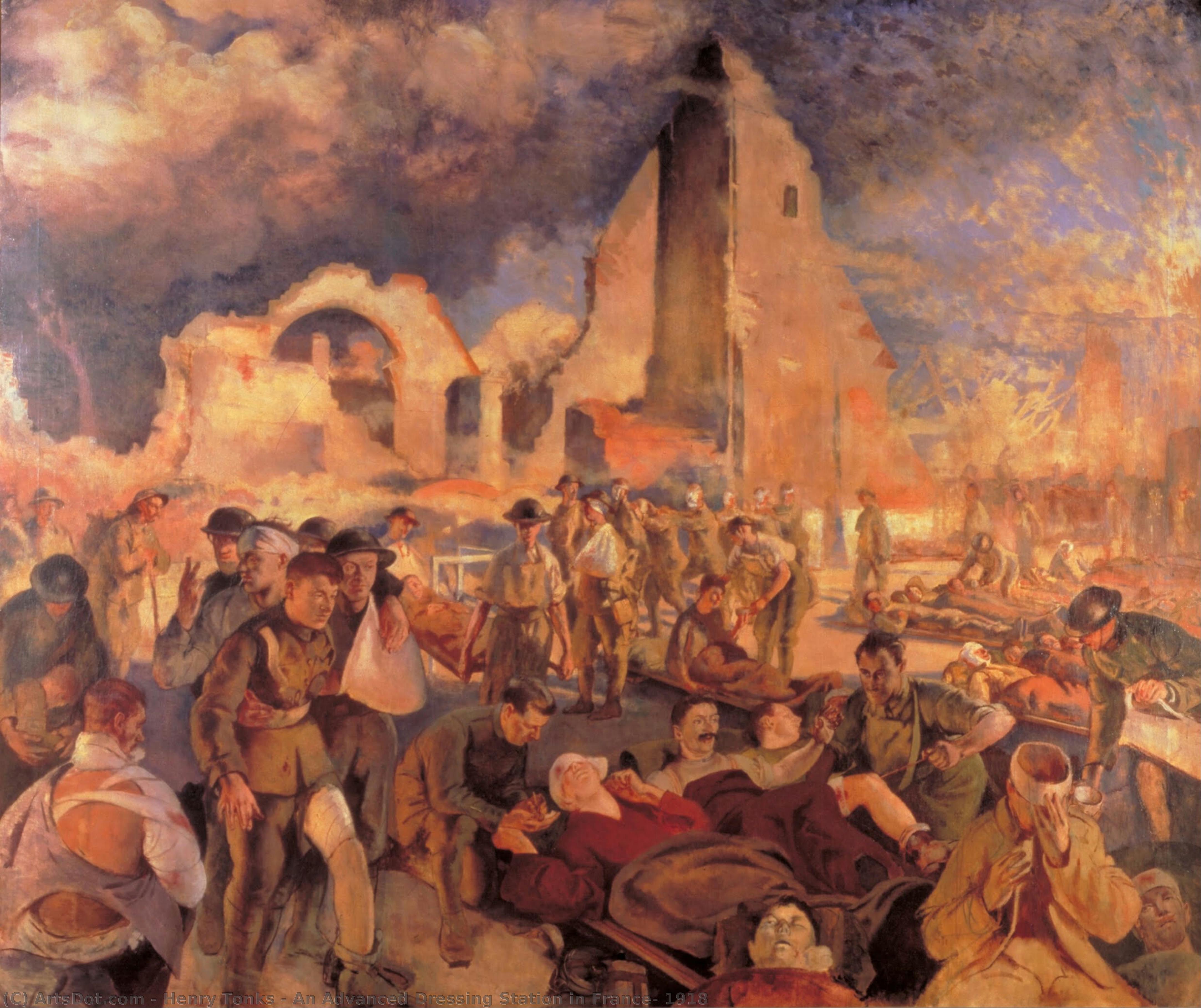
An Advanced Dressing Station in France, 1918
 Acrylic On Canvas
- WallArt
- Realism
 1918
1918 218.0 x 182.0 cm
 Imperial War Museums
 Pročitaj više
Ručno rađena uljana reprodukcija
Ručno oslikano uljanim bojama na platnu u dimenzijama i okviru po vašem izboru, izrađeno po porudžbini od strane naših umetnika. ( Kupi print Kupi digitalnu sliku)




P118B $10

P118H $10

P118W $10

P438Z $10

P508JH $12

P508YH $12

P805H $10

P805Z $10

P919BZ $10

P919G $10

P919XJ $10

P959ZH $10

P968JZ $12

W106C $8

W218G $10

W218JH $8

W218Y $10

W307PJ $10

W316G $10

W316PJ $8

W316Y $10

W398PJ $8

W4111J $10

W500HY $15

W500JH $15

W692G $12

W849H $8

W940BG $15

W953PJ $8




Izaberite jednu od naših unapred definisanih veličina koje odgovaraju originalnim proporcijama umetničkog dela.

Можете унети сопствене димензије како бисте прилагодили дело одређеном оквиру или простору. Ако одабрана величина не одговара пропорцијама оригинала, слика ће бити исечена или проширена додатним елементима који се ручно насликавају. Дигитални prikaz ће вам бити послат на одобрење пре почетка производње.
Имајте на уму да преглед на екрану не одражава стварно исецање или проширење. Само приказ (mockup) ће тачно приказати коначну композицију.
Иако су доступне прилагођене величине, препоручујемо да одаберете димензију из дефинисане листе како бисте сачували оригиналне пропорције.
Nakon narudžbine, tim ArtsDot.com će klijentu putem e-pošte poslati uputstva i dostaviti prikaz predloženog rešenja
Isporuka širom sveta () za 3/4 nedelje umesto uobičajenih 5 nedelja. (23 август). Bez kompromisa po pitanju kvaliteta.

Besplatna ekspresna dostava širom sveta

Visokokvalitetno laneno platno

Kompletno osiguranje transporta

Garancija povraćaja carine i uvoznih dažbina

Garancija vernosti boja

Politika povrata u roku od 60 dana (samo u slučaju nedostataka)

Garancija povrata novca od 100%

Popust pri grupnoj kupovini
 Opcija sa staklom dostupna je samo za dimenzije manje od 110 cm

An Advanced Dressing Station in France, 1918
Tehnika reprodukcije
Dimenzije reprodukcije
-


Konačna cena
$ 263
Opis umetničkog dela
A Chronicle of Wounds and Hope: Henry Tonks’s “An Advanced Dressing Station in France, 1918”
Henry Tonks's "An Advanced Dressing Station in France, 1918" is more than a mere depiction of wartime medicine; it’s a poignant testament to the brutal realities of the First World War and a surprisingly hopeful meditation on human resilience. Commissioned during the height of the conflict for the British War Memorials Committee, this monumental oil painting captures a scene within an advanced field hospital nestled amidst the ravaged landscape of France in 1918. Tonks, a man whose life seamlessly intertwined surgery, art, and military service – he was a surgeon, a draughtsman, and a respected teacher at the Slade School of Art – brought his unique perspective to bear on this challenging subject, resulting in an artwork that is both deeply unsettling and profoundly moving.
Tonks’s background as a medical professional undeniably informs the painting's meticulous detail. He wasn’t simply sketching soldiers; he was rendering the complex processes of treatment with startling accuracy. The scene unfolds within a tent-like structure, its interior crammed with wounded men – some lying prone, others seated or leaning against supports, their faces etched with pain and exhaustion. The artist doesn't shy away from portraying the gruesome realities of war: exposed wounds, bandages meticulously applied, and the palpable sense of suffering are all rendered with unflinching honesty. Yet, amidst this chaos, Tonks masterfully avoids sentimentality, presenting a scene of pragmatic care rather than outright despair.
The Language of Medicine and Observation
Tonks’s artistic style leans heavily towards realism, but it's infused with a subtle impressionistic quality. He employs loose brushstrokes and a muted color palette – predominantly browns, greys, and ochres – to evoke the grim atmosphere of the battlefield. The lighting is diffused, casting long shadows that emphasize the figures’ vulnerability. Crucially, Tonks wasn’t interested in heroic glorification; instead, he focused on detailed observation, meticulously documenting the various injuries and treatments observed within the field hospital. This approach reflects his medical training – a keen eye for detail and an understanding of anatomy are evident throughout the composition.
The arrangement of figures is carefully considered. Tonks groups them in ways that suggest both order and chaos. The orderly rows of wounded men contrast with the disarray of the surroundings, creating a visual tension that mirrors the psychological state of those caught within the war’s grip. Notice how he uses spatial relationships to draw the viewer's eye through the scene – from the immediate foreground, filled with the most visible casualties, to the distant background, where the ravaged landscape stretches into the horizon.
Symbolism and Emotional Resonance
Beyond its documentary value, “An Advanced Dressing Station in France, 1918” is rich in symbolic meaning. The presence of medical personnel – surgeons, nurses, and orderlies – represents a fragile hope amidst the devastation. Their efforts to alleviate suffering speak to humanity’s enduring capacity for compassion and care. The inclusion of various types of dressings and instruments subtly underscores the complexity of medical practice during wartime.
Despite the somber subject matter, there's an underlying current of resilience within the painting. The figures are not passively awaiting death; they are actively engaged in their own survival – receiving treatment, offering comfort to one another, and maintaining a semblance of order amidst the chaos. Tonks’s choice to depict these moments of quiet dignity suggests that even in the darkest hours of war, humanity can find strength and solace in connection and care.
A Legacy Preserved
Following the First World War, the original painting was transferred to the Imperial War Museum, where it continues to resonate with viewers today. Reproductions offer a powerful window into this pivotal moment in history, reminding us of the immense human cost of conflict and the enduring importance of medical care. Tonks’s “An Advanced Dressing Station in France, 1918” stands as a testament not only to his artistic skill but also to his profound understanding of the human condition – a poignant reminder of both suffering and hope within the crucible of war.
Srodna umetnička dela
Povezani članci
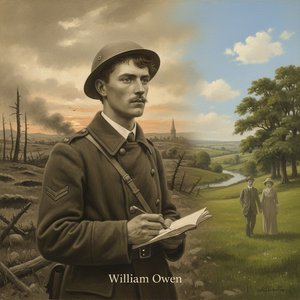
William Owen: A Poetic Vision of War & Landscape in British Modernism
Explore the poignant war poetry of Wilfred Owen, a key figure in British Modernism. Discover his innovative style, themes of loss & camaraderie, and lasting impact on 20th-century literature. Analysis & historical context included.
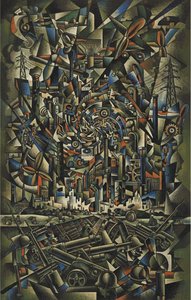
C.R.W. Nevinson: A Vorticist Vision of War & Modernity
Explore the powerful art of C.R.W. Nevinson, a key British Vorticist painter. Discover his impactful depictions of WWI and evolution beyond Futurism. Expert analysis & high-quality reproductions at ArtsDot.
Anthony Vandyke Copley Fielding: Rediscovering a Master of Romantic Landscape
Discover the captivating landscapes of Anthony Vandyke Copley Fielding, a master of Romantic watercolour painting. Explore his life, technique, and legacy with ArtsDot – your source for museum-quality art reproductions & expert appraisal.
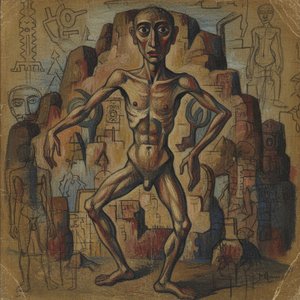
Henry Lamb: Reassessing Modern British Primitivism & the Poetics of Discomfort
Explore the compelling work of Henry Lamb, a key figure in British Primitivism. Discover his unsettling portraits, poignant war art & unique artistic vision. A deep dive into his life and legacy.
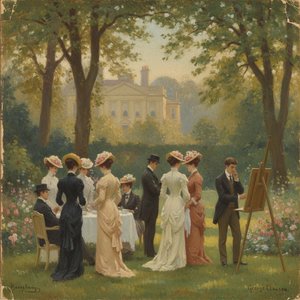
Sir George Clausen: Capturing Edwardian Life & British Impressionism's Nuances
Explore the luminous world of Sir George Clausen, a leading British Impressionist painter. Discover his captivating scenes of Edwardian life, rural England & poignant war art. Learn about his legacy and find high-quality reproductions at ArtsDot.

