

 Pregledaj u prostoru
 Pošalji
 Podeli
 Detalji o delu

 Преузми
 Slični predmeti
 Rendgenski snimak
 Slajdovi
 Stats
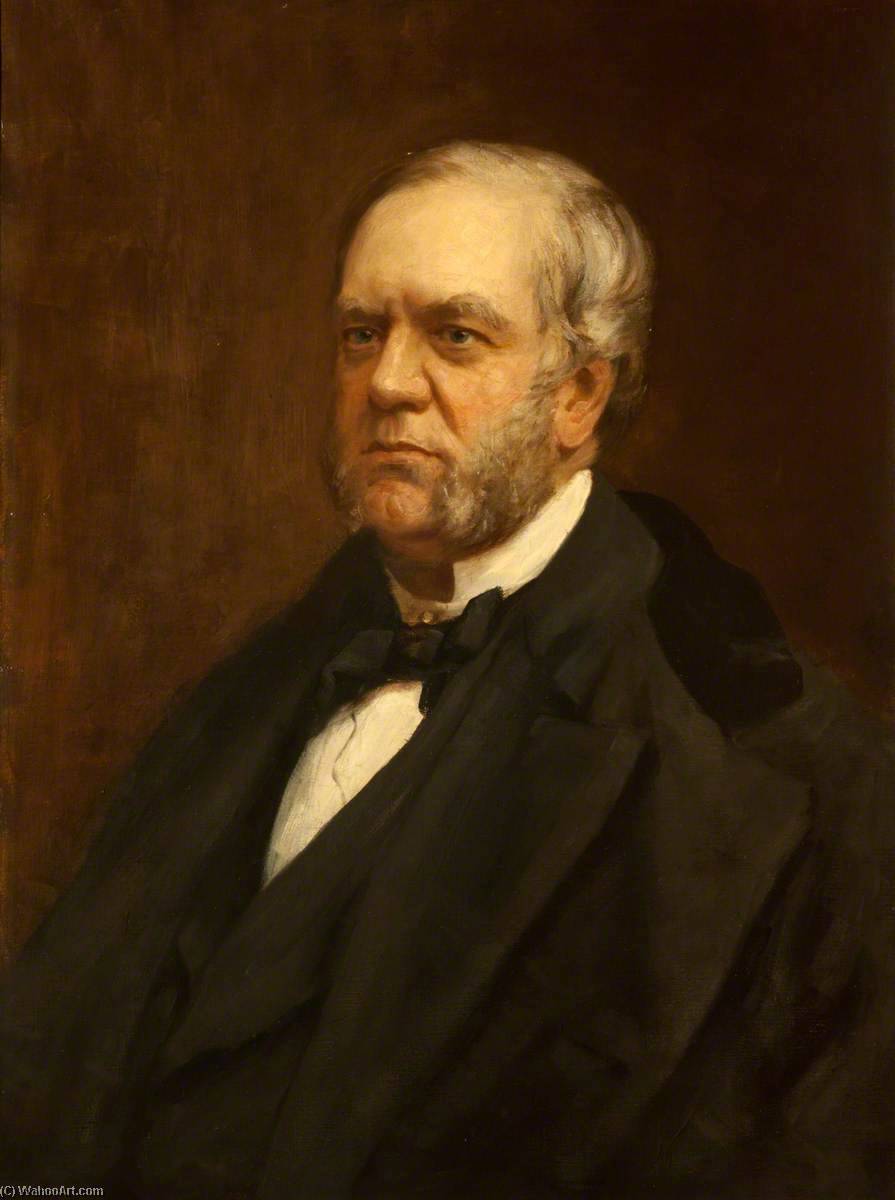
StatsJames Matthews Duncan (1826–1890)
 76.0 x 66.0 cm
 Royal College of Physicians of Edinburgh
 Pročitaj više
Giclee štampa / Umetnički otisak
Giclée štampa ili print na platnu muzejskog kvaliteta uz brzu proizvodnju i fleksibilne opcije završne obrade. ( Kupi ručno naslikanu sliku Switch to Digital Image)




































Izaberite jednu od naših unapred definisanih veličina koje odgovaraju originalnim proporcijama umetničkog dela.

Možete uneti sopstvene dimenzije kako biste umetničko delo prilagodili specifičnom okviru ili prostoru. Ako odabrani format ne odgovara proporcijama originalne slike, mi ćemo ili iscrtati deo dela ili proširiti sliku pomoću ogledane ivice ili jednobojnog popunjavanja. Digitalni prikaz će vam biti poslat na odobrenje pre početka proizvodnje.
Imajte na umu da pregled na ekranu ne odražava stvarno iscrtavanje ili proširivanje. Samo će prikaz (mockup) precizno pokazati finalnu kompoziciju.
Iako su prilagođene dimenzije dostupne, preporučujemo da odaberete dimenziju sa unapred definisane liste kako biste očuvali originalne proporcije.
Dostava širom sveta () za 2 nedelje umesto uobičajenih 4/5 nedelja. (8 септембар)

Besplatna ekspresna dostava širom sveta

Visokokvalitetno laneno platno

Kompletno osiguranje transporta

Garancija povraćaja carine i uvoznih dažbina

Garancija vernosti boja

Politika povraćaja u roku od 100 dana (isključivo u slučaju nedostataka)

Garancija povrata novca od 100%

Popust pri grupnoj kupovini
 Opcija sa staklom dostupna je samo za dimenzije manje od 110 cm

James Matthews Duncan (1826–1890)
Giclee štampa / Umetnički otisak
Dimenzije reprodukcije
-


Konačna cena
$ 62
The Artist and His Style
Henry Wright Kerr was a skilled artist known for his portraits of esteemed individuals. His style is characterized by attention to detail and a deep understanding of his subjects' personalities. In the case of James Matthews Duncan (1826–1890), Kerr's use of color and composition creates a sense of formality and intellect. You can discover more about Henry Wright Kerr's artworks on ArtsDot.com.The Royal College of Physicians of Edinburgh Collection
The Royal College of Physicians of Edinburgh is home to an impressive collection of artworks, including several pieces by Henry Wright Kerr. Some notable works include John Hughes Bennett (1812–1875), John Rutherford (1695–1779), and Daniel Rutherford (1749–1819) (copy after Henry Raeburn). These paintings can be found on ArtsDot.com, which offers hand-made oil painting reproductions of these masterpieces.- James Matthews Duncan (1826–1890) is a testament to Kerr's skill as a portrait artist.
- The painting's attention to detail and use of color create a lasting impression on the viewer.
- The Royal College of Physicians of Edinburgh collection is a treasure trove of artistic and historical significance.
The James Matthews Duncan (1826–1890) painting by Henry Wright Kerr is a remarkable work that showcases the artist's talent and the subject's importance. With its rich history and cultural significance, this piece is a must-see for art enthusiasts and historians alike. Visit ArtsDot.com to explore more artworks by Henry Wright Kerr and other renowned artists.
Srodna umetnička dela








Biografija umetnika
The Soul of the Scottish Scene: The Life and Art of Henry Wright Kerr
Born in the historic heart of Edinburgh in 1857, Henry Wright Kerr emerged as a painter whose brush possessed a rare ability to capture both the physical likeness and the inner spirit of his subjects. The son of John Kerr, a respected solicitor, and Elizabeth Thomson, Kerr’s early years were steeped in an environment that valued both intellect and the arts. His formative education at Banff Academy provided the foundational discipline required for a lifetime of mastery, where he studied alongside contemporaries such as James Matthews Duncan. Before fully committing to the easel, Kerr experienced the rigors of military service in the Royal Artillery between 1879 and 1883, an interval that perhaps contributed to the disciplined precision later seen in his anatomical accuracy and compositional strength.
Upon returning to Edinburgh, Kerr’s professional journey took a pragmatic turn through his work as a commercial artist for the Leith Shipping Company. This period of maritime-related employment was far from a distraction; rather, it served to broaden his visual vocabulary, exposing him to diverse landscapes and the shifting qualities of light over water. It was during this era that he began to transition from the charming, character-driven genre scenes—reminiscent of Wilkie Collins—toward the profound depth of portraiture. His artistic evolution was deeply shaped by his time in Holland, where the luminous, tonalist approach of the Hague School left an indelible mark on his technique. He learned to eschew flamboyant color in favor of subtle gradations, allowing light to emerge from shadows with a quiet, breathing intensity.
A Master of Character and Light
Kerr’s oeuvre is a testament to his versatility, spanning the delicate transparency of watercolor to the rich, textured weight of oil on canvas. He became particularly renowned for his ability to render "characterful" subjects, most notably elderly gentlemen whose faces served as maps of lived experience. His portraits were never merely superficial likenesses; they were psychological studies. Whether depicting the scholarly Joseph Anderson or the dignified Archibald Kennedy, Kerr utilized a sophisticated tonal palette to evoke authority, wisdom, and even a sense of melancholy. This skill extended to his landscapes, where the Scottish scenery was treated with a sympathetic eye, capturing the atmospheric moods of his homeland with an almost tactile realism.
Beyond the canvas, Kerr’s influence permeated the literary and academic circles of his time. He was a successful book illustrator, lending his visual storytelling to works such as:
- Dean Ramsay’s "Scottish Life and Character"
- Mitford’s "Annals of the Parish"
- G.A. Birmingham’s "The Lighter Side of Irish Life"
- Galt’s "The Last of the Lairds"
His dedication to his craft earned him significant institutional recognition, including election as a member of the Royal Scottish Society of Painters in Watercolour (RSW) and prestigious roles within the Royal Scottish Academy (RSA), where he served as Deputy President during the 1923-24 period. His work remains a vital part of the Scottish artistic canon, preserved in esteemed collections such as the National Galleries of Scotland and the City of Edinburgh Collection.
Legacy and Historical Significance
As the twentieth century progressed, Kerr’s style remained a steadfast bridge between the classical traditions of his mentors and the emerging sensibilities of a modernizing world. While he embraced the subtle impressionistic touches that characterized late 19th-century art, he never abandoned the fundamental principles of composition and anatomical truth instilled in him by John Holloway. His ability to act as a "sympathetic recorder" of Scottish life ensured that his paintings serve not only as art but as historical documents of a vanishing era of social character.
When Henry Wright Kerr passed away in Edinburgh in 1936, he left behind a legacy defined by light, dignity, and an unwavering devotion to the truth of the human countenance. His life’s work continues to resonate with those who seek the quiet beauty found in the nuances of shadow and the enduring strength of a well-told visual story.
henry wright kerr
1857 - 1936
Osnovne informacije
- Artistic Movement Or Style: Genre Painting
- Artists Or Movements Influenced By This Artist: ['Hudson River School']
- Artists Who Influenced This Artist: ['Wilkie Collins']
- Date Of Birth: 1857
- Date Of Death: 1936
- Full Name: Henry Wright Kerr
- Nationality: Scottish
- Notable Artworks:
- Tranquil Age
- Mrs. Montgomerie Bell
- Place Of Birth: Edinburgh