

 Pregledaj u prostoru
 Pošalji
 Podeli
 Detalji o delu

 Преузми
 Slični predmeti
 Rendgenski snimak
 Slajdovi
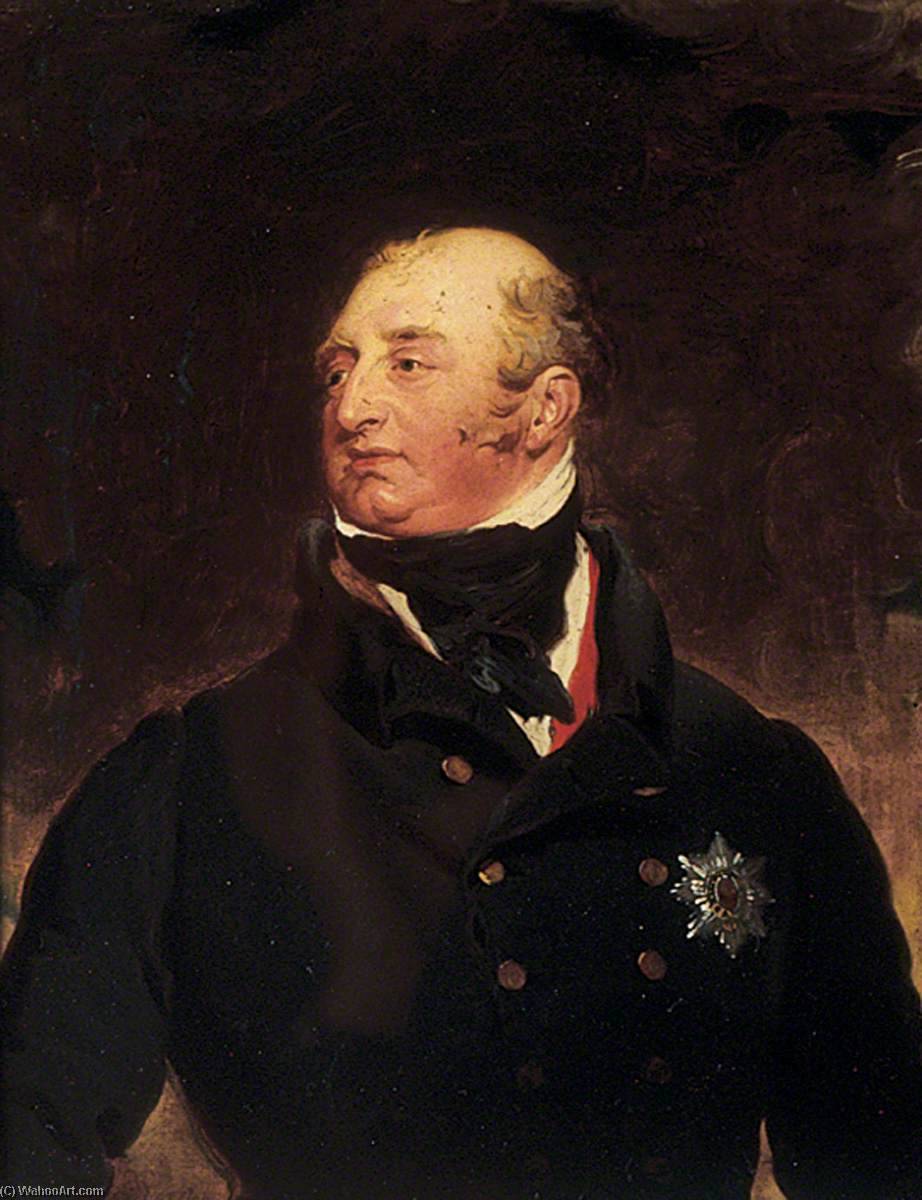
Prince Frederick, Duke of York and Albany (1763–1827)
 1825
1825 31.0 x 23.0 cm
 Temple Newsam House
 Pročitaj više
Ručno rađena uljana reprodukcija
Ručno oslikano uljanim bojama na platnu u dimenzijama i okviru po vašem izboru, izrađeno po porudžbini od strane naših umetnika. ( Kupi print Kupi digitalnu sliku)




































Izaberite jednu od naših unapred definisanih veličina koje odgovaraju originalnim proporcijama umetničkog dela.

Можете унети сопствене димензије како бисте прилагодили дело одређеном оквиру или простору. Ако одабрана величина не одговара пропорцијама оригинала, слика ће бити исечена или проширена додатним елементима који се ручно насликавају. Дигитални prikaz ће вам бити послат на одобрење пре почетка производње.
Имајте на уму да преглед на екрану не одражава стварно исецање или проширење. Само приказ (mockup) ће тачно приказати коначну композицију.
Иако су доступне прилагођене величине, препоручујемо да одаберете димензију из дефинисане листе како бисте сачували оригиналне пропорције.
Nakon narudžbine, tim ArtsDot.com će klijentu putem e-pošte poslati uputstva i dostaviti prikaz predloženog rešenja
Isporuka širom sveta () za 3/4 nedelje umesto uobičajenih 5 nedelja. (7 септембар). Bez kompromisa po pitanju kvaliteta.

Besplatna ekspresna dostava širom sveta

Visokokvalitetno laneno platno

Kompletno osiguranje transporta

Garancija povraćaja carine i uvoznih dažbina

Garancija vernosti boja

Politika povraćaja u roku od 100 dana (isključivo u slučaju nedostataka)

Garancija povrata novca od 100%

Popust pri grupnoj kupovini
 Opcija sa staklom dostupna je samo za dimenzije manje od 110 cm

Prince Frederick, Duke of York and Albany (1763–1827)
Tehnika reprodukcije
Dimenzije reprodukcije
-


Konačna cena
$ 263
Srodna umetnička dela









Biografija umetnika
The Quiet Brilliance of Henry Wyatt: A Legacy of Victorian Precision
In the grand tapestry of nineteenth-century British art, few threads possess the delicate strength and understated elegance found in the works of Henry Wyatt. Born on September 17, 1794, in the quiet village of Thickbroom, near Lichfield, Wyatt’s journey from a young boy in Staffordshire to a celebrated figure of the Victorian era is a testament to raw talent guided by disciplined mentorship. Following the untimely death of his father when Wyatt was only three, his upbringing was shaped by his guardian, Francis Eginton, a renowned glass-painter in Birmingham. It was Eginton who first recognized the boy’s innate aptitude for the visual arts, eventually propelling him toward the vibrant artistic epicenter of London in 1811. This early exposure to the craft of decorative painting laid the groundwork for a career defined by an extraordinary eye for detail and a profound respect for the nuances of light and form.
Wyatt’s formal education was marked by a rapid ascent through the most prestigious institutions of his day. After being admitted to the Royal Academy school in 1812, he secured a pivotal position in 1815 as a pupil in the studio of Sir Thomas Lawrence, one of the most celebrated portraitists of the age. Under Lawrence’s tutelage, Wyatt refined a technique that balanced the grandiosity of the Regency style with a more intimate, psychological realism. This period of intense study allowed him to master the art of the "subject picture" and the portrait, blending the ability to capture a sitter's social standing with an uncanny ability to reveal their inner character. As he moved through the industrial hubs of Birmingham, Liverpool, and Manchester, his reputation grew alongside the rising prominence of the British middle class, who sought portraits that reflected both their newfound prosperity and their personal dignity.
Mastery of Form and the Emotional Landscape
The artistry of Henry Wyatt is best understood through his remarkable command over color and composition. He was not merely a chronicler of faces but a master of atmosphere. His work often eschewed the flamboyant, theatrical brushwork common among some of his contemporaries, opting instead for a restrained palette and a meticulous approach to texture. Whether rendering the heavy silk of a gown or the subtle translucency of skin, Wyatt’s technical prowess ensured that every element of his compositions served a narrative purpose. His ability to act as a "good colourist," as noted by historical contemporaries, allowed him to breathe life into his subjects, creating works that felt both timeless and immediate.
Beyond the mere physical likeness, Wyatt’s genre paintings and subject pictures explored deeper thematic territories:
- Psychological Depth: His portraits often captured a sense of quiet introspection, moving beyond superficial beauty to touch upon the vulnerability of the human condition.
- Social Observation: Through his depictions of various social strata, he provided a visual record of the shifting dynamics of Victorian society.
- Symbolic Realism: In works such as Vigilance, exhibited at the Royal Academy in 1836, he utilized classical motifs to convey moral and emotional truths.
However, the brilliance of Wyatt’s career was tragically cut short by the very fragility he so expertly captured in his subjects. In 1837, while traveling to Manchester for new commissions, he was struck by a sudden and debilitating paralysis. This illness forced him to retreat from the bustling London art scene to the more tranquil surroundings of Leamington. Though he continued to work, the vibrant energy of his earlier years was tempered by physical decline. He passed away on February 27, 1840, in Prestwich, leaving behind a body of work that remains a cornerstone of English portraiture. Today, his legacy lives on in the permanent collections of institutions like the Tate and Art UK, where his paintings continue to enchant viewers with their profound grace and enduring historical significance.
henry wyatt
1794 - 1840
Osnovne informacije
- Artistic Movement Or Style: Victorian Portraiture, Realism
- Artists Who Influenced This Artist:
- John Opie
- Sir Thomas Lawrence
- Date Of Birth: 1794
- Date Of Death: 1840
- Full Name: Henry Wyatt
- Nationality: British
- Notable Artworks:
- Ellen Turner of Helmshore
- Vigilance
- Rear Admiral Sir Charles Cunningham
- Place Of Birth: Thickbroom, England