

 Pregledaj u prostoru
 Pošalji
 Podeli
 Detalji o delu

 Преузми
 Slični predmeti
 Rendgenski snimak
 Slajdovi
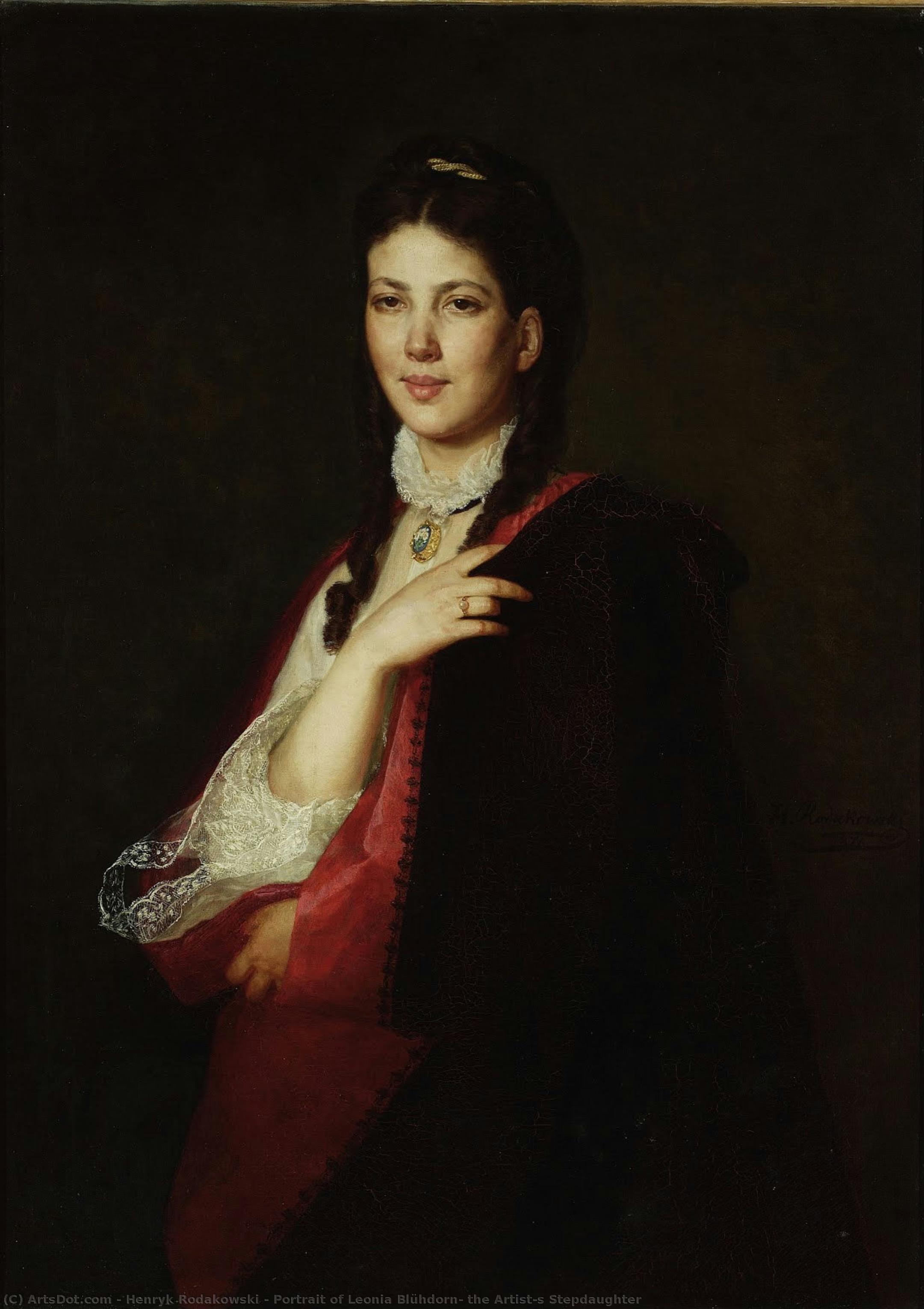
Portrait of Leonia Blühdorn, the Artist’s Stepdaughter
 Oil On Canvas
- WallArt
- Academic Realism
 19th Century
 73.0 x 100.0 cm
 Narodni muzej u Varšavi
 Pročitaj više
Giclee štampa / Umetnički otisak
Giclée štampa ili print na platnu muzejskog kvaliteta uz brzu proizvodnju i fleksibilne opcije završne obrade. ( Kupi ručno naslikanu sliku Kupi digitalnu sliku)




P118B $10

P118H $10

P118W $10

P438Z $10

P508JH $12

P508YH $12

P805H $10

P805Z $10

P919BZ $10

P919G $10

P919XJ $10

P959ZH $10

P968JZ $12

W106C $8

W218G $10

W218JH $8

W218Y $10

W307PJ $10

W316G $10

W316PJ $8

W316Y $10

W398PJ $8

W4111J $10

W500HY $15

W500JH $15

W692G $12

W849H $8

W940BG $15

W953PJ $8




Izaberite jednu od naših unapred definisanih veličina koje odgovaraju originalnim proporcijama umetničkog dela.

Možete uneti sopstvene dimenzije kako biste umetničko delo prilagodili specifičnom okviru ili prostoru. Ako odabrani format ne odgovara proporcijama originalne slike, mi ćemo ili iscrtati deo dela ili proširiti sliku pomoću ogledane ivice ili jednobojnog popunjavanja. Digitalni prikaz će vam biti poslat na odobrenje pre početka proizvodnje.
Imajte na umu da pregled na ekranu ne odražava stvarno iscrtavanje ili proširivanje. Samo će prikaz (mockup) precizno pokazati finalnu kompoziciju.
Iako su prilagođene dimenzije dostupne, preporučujemo da odaberete dimenziju sa unapred definisane liste kako biste očuvali originalne proporcije.
Dostava širom sveta () za 2 nedelje umesto uobičajenih 4/5 nedelja. (29 август)

Besplatna ekspresna dostava širom sveta

Visokokvalitetno laneno platno

Kompletno osiguranje transporta

Garancija povraćaja carine i uvoznih dažbina

Garancija vernosti boja

Politika povrata u roku od 60 dana (samo u slučaju nedostataka)

Garancija povrata novca od 100%

Popust pri grupnoj kupovini
 Opcija sa staklom dostupna je samo za dimenzije manje od 110 cm

Portrait of Leonia Blühdorn, the Artist’s Stepdaughter
Giclee štampa / Umetnički otisak
Dimenzije reprodukcije
-


Konačna cena
$ 62
A Vision of Grace: The Soul of Leonia Blühdorn
In the quiet winter of 1871, amidst the historic backdrop of Florence, Henryk Rodakowski captured more than just a likeness; he immortalized a moment of profound familial intimacy. The Portrait of Leonia Blühdorn, the Artist’s Stepdaughter, stands as a breathtaking testament to the delicate balance between aristocratic elegance and tender affection. As the Rodakowski family sought refuge in Italy while awaiting the conclusion of the Franco-Prussian War, the artist turned his gaze toward Leonia, a young woman whose life would be tragically short but whose presence in this canvas remains eternally vibrant. This portrait is not merely a study of features, but a window into a vanished era, where every fold of fabric and every subtle glance speaks to a deep psychological connection between the painter and his subject.
The composition possesses a stately, almost timeless quality that invites the viewer into a private world. Rodakowski, widely regarded as the preeminent Polish portraitist of the late 19th century, utilizes a technique that draws immediate comparisons to the masters of the Baroque and Renaissance. There is an unmistakable echo of Anthony van Dyck in the refined poise of the subject, while the evocative placement of Leonia’s hand whispers of Titian’s legendary Woman in a Far Coat. This lineage of greatness is evident in the way the artist manages light and shadow, creating a sense of depth that makes the figure appear to emerge from the dark, neutral backdrop into the viewer's very space.
Mastery of Color and Texture
For the discerning collector or interior designer, the true magic of this piece lies in its sophisticated palette and tactile realism. Rodakowski exhibits an uncanny aesthetic sensitivity through his masterful handling of contrasting tones. The striking interplay between the deep, velvety blacks and the rich, passionate reds of Leonia’s attire creates a visual rhythm that is both commanding and harmonious. This intensity is softened by the exquisite rendering of the white, sheer lace, which seems to glow with an inner light, catching the subtle luminescence of her jewelry.
The technical execution is nothing short of extraordinary. The delicate modeling of the facial features—the soft curve of a cheek, the gentle light in the eyes—conveys a sense of vulnerability and grace. Every brushstroke serves to emphasize the smoothness of her skin and the intricate textures of her clothing, making the painting an ideal centerpiece for a room that demands both luxury and emotional depth. The way the light washes over the lace and jewels provides a shimmering focal point that can breathe life into any curated gallery or sophisticated living space.
An Emotional Legacy for the Modern Collector
Beyond its technical brilliance, this portrait carries an emotional weight that is rare in academic portraiture. While the composition is undeniably formal, there is an intimate atmosphere pervading the work—a quiet, soulful resonance that stems from Rodakowski’s close bond with Leonia. It is a painting of shadows and light, of life and the bittersweet memory of what was lost. This duality makes the artwork particularly compelling for those seeking pieces that offer more than mere decoration; it is an invitation to contemplate beauty, mortality, and the enduring power of art.
Whether displayed in a grand hall or a private study, a high-quality reproduction of this masterpiece brings with it a sense of historical prestige and artistic sophistication. It serves as a conversation piece that bridges the gap between the 19th-century Romantic tradition and contemporary aesthetic sensibilities, offering a timeless elegance that transcends the decades.
Srodna umetnička dela


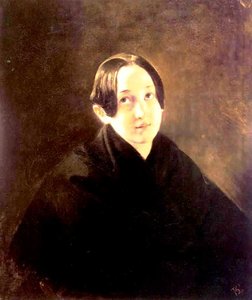
Biografija umetnika
Henryk Rodakowski: A Life in Polish Art
Early Life and Education
- Born: July 9, 1823, in Kraków, Poland.
- Rodakowski came from a distinguished family of lawyers, initially following the family tradition by studying law at the University of Vienna between 1841 and 1845.
- However, his passion lay with art. He pursued formal artistic training under Joseph Danhauser and Franz Eybl in Vienna, laying the foundation for his future career.
Parisian Period and Artistic Development
- From 1846 to 1867, Rodakowski resided in Paris, a pivotal period for his artistic development. He continued his studies with the renowned Léon Cogniet.
- Influence of Parisian Salon: This immersion in the Parisian art scene exposed him to contemporary trends and techniques, shaping his academic style.
- Early Success: In 1852, he achieved significant recognition with a portrait of General Henryk Dembiński, which won first prize – marking a turning point in his career.
- His studio became a hub for artistic exchange, even attracting visits from the celebrated painter Eugène Delacroix.
Return to Poland and Later Life
- In 1867, Rodakowski returned to Poland, settling in Pałahicze near Stanisławów.
- He eventually relocated to Kraków, becoming a prominent figure in the city’s artistic community.
- Civic Engagement: In 1893, he assumed leadership roles as director and president of the Society of Friends of Fine Arts and chairman of the Committee of the National Museum.
- Unexpected Passing: Tragically, Rodakowski was nominated as director of the Kraków Academy of Fine Arts on December 24, 1894, but passed away unexpectedly just four days later. He was buried in Rakowice Cemetery in Kraków.
Artistic Style and Major Works
- Style: Rodakowski’s work is characterized by its academic technique, blending Romantic sensibilities with precise draftsmanship. He excelled in portraiture and landscape painting.
- Key Themes: His paintings often depict historical figures, portraits of prominent individuals, and scenes from Polish life and landscapes.
- Notable Works Include: Marshal (1859), Portrait of artist's wife (1865), Leonia Blühdorn (1871), Chicken War (1872), and Landscape from Bortniki upon Dniester (1878).
Legacy and Historical Significance
- Recognition: Rodakowski was a recipient of the Legion of Honour, acknowledging his contributions to the art world.
- Family Connection: His great-grandson, Jacek Woźniakowski, became a notable art historian and writer, continuing the family’s legacy in the arts.
- Influence on Polish Art: Rodakowski played a vital role in shaping the artistic landscape of 19th-century Poland, bridging the gap between academic traditions and emerging Romantic ideals. His work remains an important part of Poland's cultural heritage.
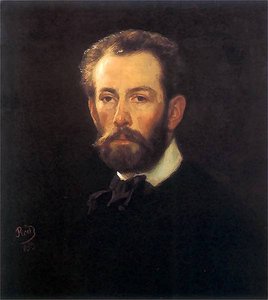
Henryk Rodakowski
1823 - 1894 , Poland
Osnovne informacije
- Birth Date: July 9, 1823
- Birth Place: Kraków, Poland
- Death Date: December 28, 1894
- Influenced By:
- Joseph Danhauser
- Franz Eybl
- Léon Cogniet
- Movement: Romanticism, Academic art
- Name: Henryk Hipolit Rodakowski
- Nationality: Polish
- Notable Works:
- Portrait of General Henryk Dembiński
- Marshal (painting)
- Portrait of artist's wife
- Leonia Blühdorn
- Chicken War
- Landscape from Bortniki upon Dniester
- Jan Dzierżysław Tarnowski
Povezani članci

The Enduring Legacy of Oil on Canvas: Technique, History & Aesthetic Impact
Explore the rich history & techniques of oil painting – from Renaissance masters to Impressionism. Discover pigments, layering methods, and why this timeless medium endures. Expert insights for artists & art enthusiasts.

Oil on Canvas: A Historical & Technical Exploration of a Timeless Artistic Medium
Explore the rich history & enduring techniques of oil painting on canvas. Discover the science behind its longevity, conservation practices, and contemporary relevance. Expert insights for art enthusiasts.

Trajnu Ostavština Uljanih Boja na Platnu: Tehnika, Istorija i Savremena Praksa
Istražite bogatu istoriju i savremene tehnike uljanog slikarstva. Saveti stručnjaka, analiza radova velikih majstora i vodiči za biranje kvalitetnih materijala. Otkrijte tajne očuvanja umetničkih dela!
Oil on Canvas Masters: 10 Paintings That Redefined Art History |
Journey through art history with our guide to 10 legendary oil on canvas masterpieces! Explore iconic works by Van Gogh, Monet & Rembrandt. Find museum-quality reproductions and elevate your home decor at . Discover all masterpieces online.
Jan Matejko: Historical Narrative & National Identity in 19th-Century Polish Painting
Explore the powerful historical paintings of Jan Matejko, Poland's national artist. Discover his iconic works & learn how he shaped Polish identity in the 19th century. High-quality reproductions available.

