

 Pregledaj u prostoru
 Pošalji
 Podeli
 Detalji o delu

 Преузми
 Slični predmeti
 Rendgenski snimak
 Slajdovi
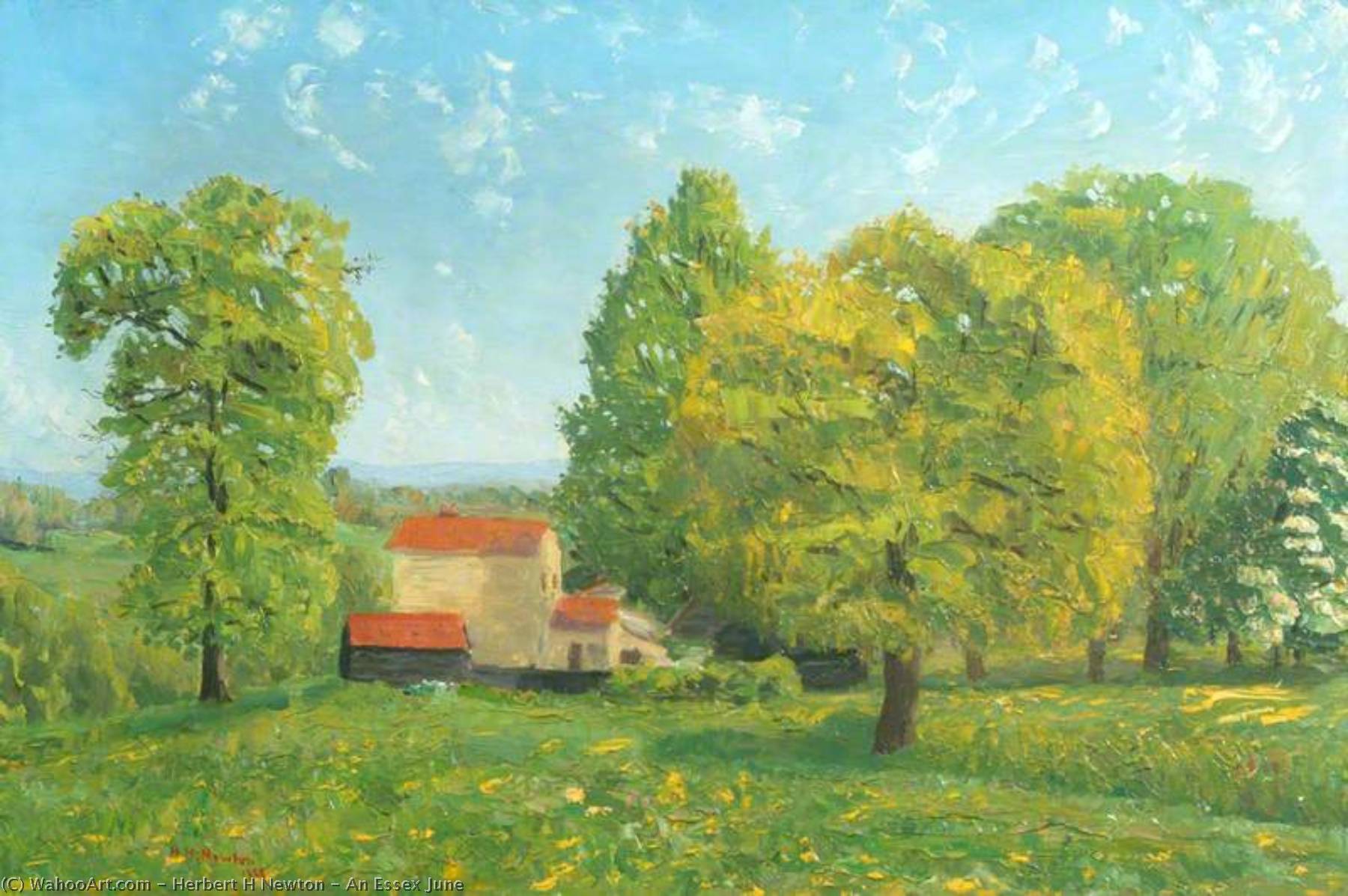
An Essex June
 1928
1928 41.0 x 61.0 cm
 Pročitaj više
Ručno rađena uljana reprodukcija
Ručno oslikano uljanim bojama na platnu u dimenzijama i okviru po vašem izboru, izrađeno po porudžbini od strane naših umetnika. ( Kupi print Kupi digitalnu sliku)




































Izaberite jednu od naših unapred definisanih veličina koje odgovaraju originalnim proporcijama umetničkog dela.

Можете унети сопствене димензије како бисте прилагодили дело одређеном оквиру или простору. Ако одабрана величина не одговара пропорцијама оригинала, слика ће бити исечена или проширена додатним елементима који се ручно насликавају. Дигитални prikaz ће вам бити послат на одобрење пре почетка производње.
Имајте на уму да преглед на екрану не одражава стварно исецање или проширење. Само приказ (mockup) ће тачно приказати коначну композицију.
Иако су доступне прилагођене величине, препоручујемо да одаберете димензију из дефинисане листе како бисте сачували оригиналне пропорције.
Nakon narudžbine, tim ArtsDot.com će klijentu putem e-pošte poslati uputstva i dostaviti prikaz predloženog rešenja
Isporuka širom sveta () za 3/4 nedelje umesto uobičajenih 5 nedelja. (21 август). Bez kompromisa po pitanju kvaliteta.

Besplatna ekspresna dostava širom sveta

Visokokvalitetno laneno platno

Kompletno osiguranje transporta

Garancija povraćaja carine i uvoznih dažbina

Garancija vernosti boja

Politika povrata u roku od 60 dana (samo u slučaju nedostataka)

Garancija povrata novca od 100%

Popust pri grupnoj kupovini
 Opcija sa staklom dostupna je samo za dimenzije manje od 110 cm

An Essex June
Tehnika reprodukcije
Dimenzije reprodukcije
-


Konačna cena
$ 263
Srodna umetnička dela


Biografija umetnika
A Life Dedicated to Form: Herbert H. Newton (1881-1959)
Herbert H. Newton, a name perhaps less instantly recognizable than some of his contemporaries, nevertheless carved a significant niche for himself as a British sculptor deeply attuned to the spiritual and architectural currents of the late 19th and early 20th centuries. Born in Bridgwater, Somerset, in 1881, Newton’s artistic journey was one marked by a dedication to evocative forms, particularly those serving ecclesiastical and civic purposes. While biographical details remain somewhat sparse, the body of his work speaks volumes about an artist profoundly influenced by classical traditions yet capable of imbuing them with a distinctly modern sensibility. He passed away in 1959, leaving behind a legacy that continues to resonate in the architectural landscapes he so thoughtfully adorned.Early Influences and Artistic Development
Newton’s formative years coincided with a period of intense artistic revivalism in Britain. The Arts and Crafts movement, with its emphasis on skilled craftsmanship and a return to pre-industrial methods, undoubtedly played a role in shaping his aesthetic sensibilities. The influence of William Newton-Smith is also noted; however, the precise nature of this mentorship remains elusive. What *is* clear from examining his sculptures is a deep understanding of classical principles – proportion, balance, and anatomical accuracy are hallmarks of his style. He wasn’t merely replicating ancient forms, though. Newton possessed an ability to infuse these traditional elements with a sense of emotional depth and narrative power. His early work likely involved studies of antique sculpture and architectural ornamentation, laying the foundation for his later achievements in both religious and secular commissions.Ecclesiastical Commissions and Architectural Sculpture
Newton’s reputation was largely built upon his contributions to ecclesiastical architecture. He received numerous commissions for sculptures intended to adorn churches, cathedrals, and other sacred spaces throughout Britain. These works weren't simply decorative; they were integral components of the overall architectural design, meant to inspire reverence and contemplation. His ability to translate religious themes into tangible form – angels, saints, biblical figures – was particularly noteworthy. Perhaps his most celebrated work is the ‘Angel of Bridgwater’, a sculpture that embodies both technical skill and spiritual grace. Beyond ecclesiastical commissions, Newton also undertook significant projects in architectural sculpture, contributing to public buildings and monuments. These works often reflected civic pride and national identity, showcasing his versatility as an artist capable of addressing diverse subject matter.A Diverse Style: From Corsica to the French Riviera
While best known for his religious and architectural sculptures, Newton’s artistic interests extended beyond these realms. Paintings such as ‘Corsican Village Square, Winter’ (1929) reveal a softer side to his creative output – an Impressionistic sensibility that captures the serene beauty of rural life. His depictions of the French Riviera, like “Steepy Shore, French Riviera”, demonstrate a keen eye for light and atmosphere, suggesting a broader engagement with landscape painting. These works offer a glimpse into Newton’s personal artistic explorations, revealing a talent not confined to a single medium or style. The paintings suggest a period of travel and observation, broadening his aesthetic horizons and informing his sculptural work with new perspectives on form and composition.Legacy and Historical Significance
Herbert H. Newton's contribution lies in his ability to seamlessly blend classical tradition with modern sensibilities, creating sculptures that are both technically accomplished and emotionally resonant. His works stand as testaments to a period of artistic revivalism and a renewed appreciation for craftsmanship. While not a household name, he was a respected figure within the British art world, leaving behind a body of work that continues to inspire awe and admiration. His sculptures remain integral parts of the architectural landscapes they inhabit, serving as enduring reminders of his dedication to form, beauty, and spiritual expression. The fact that reproductions of his works are still sought after today is a testament to the timeless quality of his artistic vision.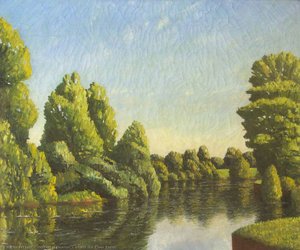
herbert h newton
1881 - 1959
Osnovne informacije
- Artistic Movement Or Style: Ecclesiastical Sculpture
- Artists Or Movements Influenced By This Artist: ['Classical Sculpture']
- Artists Who Influenced This Artist: ['William Newton-Smith']
- Date Of Death: 1959
- Full Name: Herbert H Newton
- Nationality: British
- Notable Artworks: ['Angel of Bridgwater']
- Place Of Birth: Bridgwater, Somerset

