

 Pregledaj u prostoru
 Pošalji
 Podeli
 Detalji o delu

 Преузми
 Slični predmeti
 Rendgenski snimak
 Slajdovi
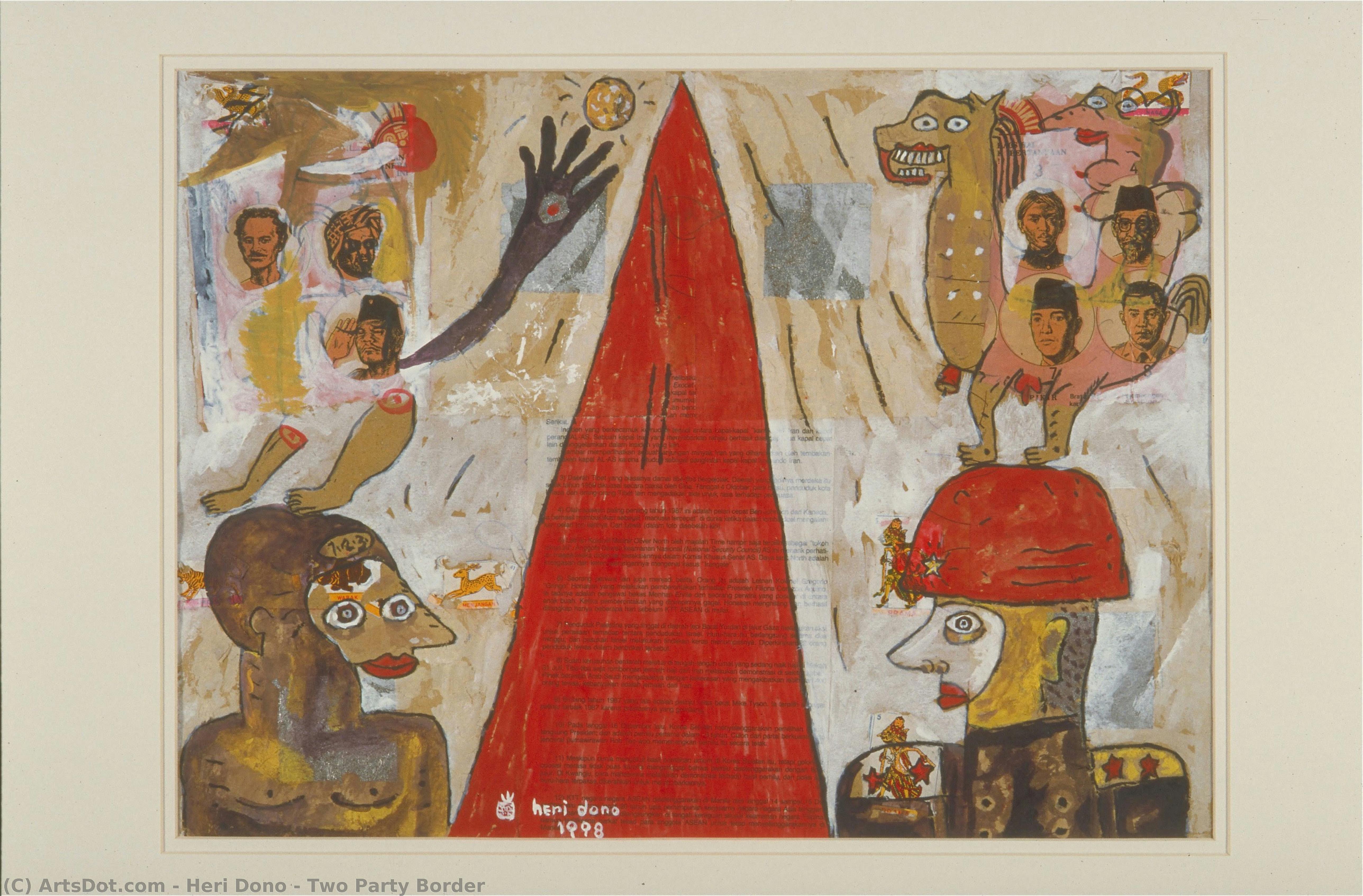
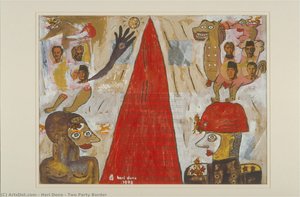
Two Party Border
 1998
1998 788.0 x 665.0 cm
 Nacionalni muzej u Singapuru
 Pročitaj više
Giclee štampa / Umetnički otisak
Giclée štampa ili print na platnu muzejskog kvaliteta uz brzu proizvodnju i fleksibilne opcije završne obrade. ( Kupi ručno naslikanu sliku Kupi digitalnu sliku)




































Izaberite jednu od naših unapred definisanih veličina koje odgovaraju originalnim proporcijama umetničkog dela.

Možete uneti sopstvene dimenzije kako biste umetničko delo prilagodili specifičnom okviru ili prostoru. Ako odabrani format ne odgovara proporcijama originalne slike, mi ćemo ili iscrtati deo dela ili proširiti sliku pomoću ogledane ivice ili jednobojnog popunjavanja. Digitalni prikaz će vam biti poslat na odobrenje pre početka proizvodnje.
Imajte na umu da pregled na ekranu ne odražava stvarno iscrtavanje ili proširivanje. Samo će prikaz (mockup) precizno pokazati finalnu kompoziciju.
Iako su prilagođene dimenzije dostupne, preporučujemo da odaberete dimenziju sa unapred definisane liste kako biste očuvali originalne proporcije.
Dostava širom sveta () za 2 nedelje umesto uobičajenih 4/5 nedelja. (26 август)

Besplatna ekspresna dostava širom sveta

Visokokvalitetno laneno platno

Kompletno osiguranje transporta

Garancija povraćaja carine i uvoznih dažbina

Garancija vernosti boja

Politika povrata u roku od 60 dana (samo u slučaju nedostataka)

Garancija povrata novca od 100%

Popust pri grupnoj kupovini
 Opcija sa staklom dostupna je samo za dimenzije manje od 110 cm

Two Party Border
Giclee štampa / Umetnički otisak
Dimenzije reprodukcije
-


Konačna cena
$ 62
Opis predmeta
Srodna umetnička dela







Biografija umetnika
The Mechanical Symphony of Tradition: The Art of Heri Dono
In the vibrant, swirling landscape of contemporary Indonesian art, few voices resonate with as much profound complexity and whimsical wit as Heri Dono. Born in Jakarta on June 12, 1960, Dono has emerged as a pivotal figure who masterfully bridges the ancient soul of Javanese heritage with the frenetic energy of a globalized, technological age. His artistic journey is not merely a progression of skill, but a continuous dialogue between the shadows of the past and the neon pulse of the future. Through his work, the boundaries between fine art, folk tradition, and social critique dissolve, creating a space where the viewer is invited to witness a mechanical symphony of culture.
Dono’s formative years were steeped in a rich tapestry of visual stimuli, ranging from the rigorous academic training at the Indonesian Art Institute (ISI) Yogyakarta to the deep-seated traditions of his homeland. His early exposure to the prestigious collection of Sukarno at the Presidential Palace in Bogor instilled in him a reverence for the masters of Indonesian painting. However, it was his decision to step beyond the confines of the canvas that truly defined his trajectory. While he earned accolades for his painting prowess—winning prizes for Best Painting in 1981 and 1985—he found himself increasingly drawn to the kinetic and the immersive. He began to explore the realms of sculpture and installation, utilizing reclaimed wood, found objects, and even electronic circuits to breathe life into his visions.
A Fusion of Shadow and Steel
At the heart of Dono’s aesthetic lies a profound connection to wayang kulit, the traditional Javanese shadow puppetry. This ancient art form serves as more than just an influence; it is the very DNA of his creative expression. He adapts the storytelling mechanics of the puppet master to address modern anxieties, creating characters that feel both mythic and strikingly contemporary. In works such as "Badman," one encounters a mesmerizing world where robotic, fiberglass figures move with a soulful, yet unsettling, rhythm. These installations act as a bridge between the organic traditions of Yogyakarta and the cold, synthetic pulse of modern innovation, reflecting a society caught in the gears of rapid progress.
This fusion extends to his use of diverse cultural motifs, where he juxtaposes the tau tau sculptures of the Toraja people with references to Western pop culture, animation, and comics. By weaving together these disparate threads, Dono challenges the hegemony of Western art movements. His style is often categorized under the banner of New Internationalism—a movement that seeks to reclaim local identity within a global context rather than abandoning tradition for Westernized expression. His work does not merely observe the world; it critiques it through a lens of humor and satire, using the subtle language of puppetry to bypass censorship and deliver biting commentary on the sociopolitical landscape of Indonesia.
Legacy and Global Resonance
The significance of Heri Dono’s contribution to the art world is measured not only by his technical mastery but by his ability to make the local universal. His career has been marked by a series of prestigious international milestones, including:
- The Prince Claus Award (1998): A testament to his profound impact on culture and his role as a voice for social change.
- Global Exhibitions: From the Museum of Modern Art in Oxford to solo showcases in Tokyo, Vancouver, and Sydney, his work has challenged audiences across continents.
- Multidisciplinary Innovation: His ability to integrate electronic elements into sculptural forms has redefined the possibilities of installation art in Southeast Asia.
Today, Heri Dono remains a vital force in the contemporary scene, continuing to live and work in Yogyakarta. His legacy is one of resilience and reinvention, proving that tradition is not a static relic to be preserved in amber, but a living, breathing medium capable of navigating the complexities of the modern human condition. Through his eyes, we see that even in an age of machines and digital shadows, the human spirit—and the ancient stories that define it—can never truly be eclipsed.
heri dono
1960 - , Indonesia
Osnovne informacije
- Artistic Movement Or Style: Contemporary Installation Art
- Artists Or Movements Influenced By This Artist: ['Animism']
- Artists Who Influenced This Artist:
- Walt Disney
- Hanna-Barbera
- Date Of Birth: June 12, 1960
- Full Name: Heri Dono
- Nationality: Indonesian
- Notable Artworks:
- In the Fridge and Fire (Di dalam Kulkas dan..., 2009)
- A Small Dog With His Guardian (Seekor Anjing , 2015)
- Place Of Birth: Jakarta, Indonesia

