

 Pregledaj u prostoru
 Pošalji
 Podeli
 Detalji o delu

 Преузми
 Slični predmeti
 Rendgenski snimak
 Slajdovi
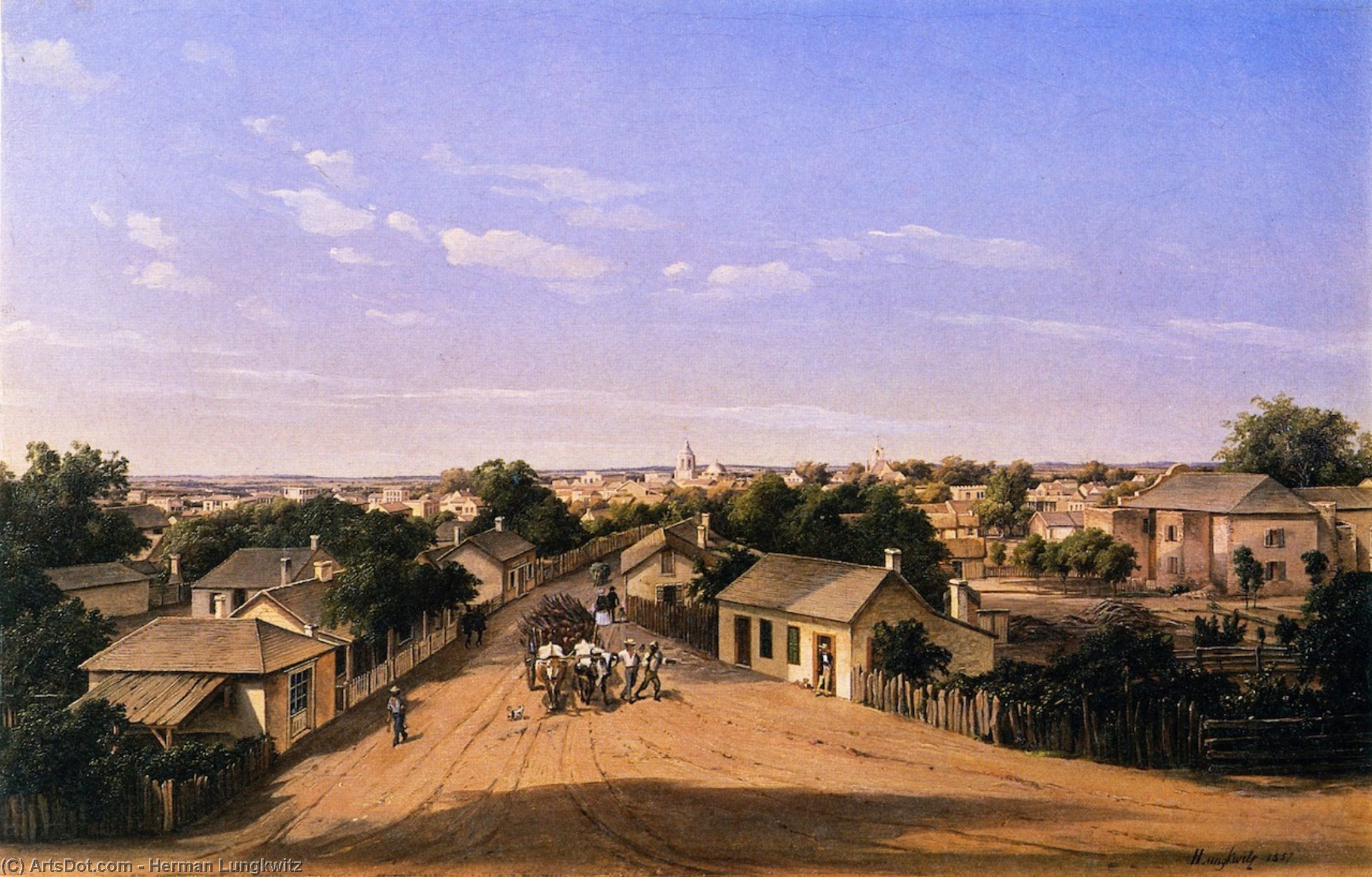
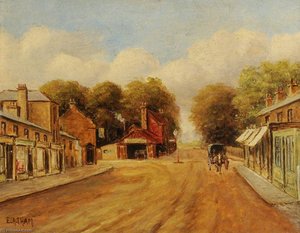
Crockett Street Looking West, San Antonio de Bexar

 Pročitaj više
Kupite digitalnu sliku visoke rezolucije i poboljšanog kvaliteta, koja je znatno superiornija od onoga što vidite u online prikazu.
Svaka datoteka je pedantno pripremljena od strane naših stručnjaka koristeći napredne alate i profesionalnu ručnu retušu. Osiguravamo da svaka slika ima izuzetnu oštrinu, preciznu reprodukciju boja i fine detalje.
Konačna datoteka se dostavlja putem e-pošte u roku od 72 sata, optimizovana za neposrednu upotrebu u profesionalnim, izdavačkim i štamparskim okruženjima. To je isti kvalitet kojem veruju vrhunski studiji dizajna, izdavači i galerije.
Digitalna slika
Preuzmite datoteku visoke rezolucije za ličnu upotrebu, štampanje i kreativne projekte. ( Kupi print Kupi ručno naslikanu sliku)
Uključeno uz svaku porudžbinu digitalne slike
Profesionalna digitalna isporuka, zagarantovana
Kada odaberete ArtsDot.com, ne dobijate samo sliku – vi primate profesionalno unapređeno digitalno umetničko delo, izrađeno sa najvećom preciznošću i uz garanciju zadovoljstva. Evo svega što automatski dolazi uz vašu porudžbinu:

Brza dostava putem e-pošte
Vaša digitalna slika visoke rezolucije biće vam poslata putem e-pošte u roku od 72 sata od poručivanja – spremna za trenutnu upotrebu.

Digitalna datoteka unapređena veštačkom inteligencijom
Vaše umetničko delo je profesionalno optimizovano korišćenjem naprednih AI alata i ručne obrade, čime se osiguravaju maksimalni detalji, oštrina i preciznost boja.

Besplatna ponovna isporuka doživotno
Slučajno ste obrisali ili izgubili svoju datoteku? Ne brinite – poslaćemo vam je ponovo u bilo kom trenutku, potpuno besplatno.

Bez troškova uvoza – zauvek
Uživajte u svojim umetničkim delima trenutno, bez carine, dažbina ili troškova dostave – digitalni download je uvek bez poreza.

Garancija vernosti boja
Uz pomoć profesionalnih alata i upravljanja bojama, osiguravamo da vaša digitalna slika što vernije odražava originalne boje.

Garancija zadovoljstva u roku od 60 dana
Ako niste zadovoljni svojom digitalnom slikom, revidirat ćemo je ili vratiti 100% novca u roku od 60 dana – bez ikakvih pitanja.

100% garancija povrata novca
Niste zadovoljni? Obezbedite pun povrat novca u roku od 60 dana od trenutka kada ste primili svoju digitalnu datoteku – bez suvišnih pitanja.

Popusti na velike porudžbine
Kupite 3 slike, uštedite 10% - Kupite 5 slika, uštedite 15% - Kupite 10+ slika, uštedite 20%. Odlično za kreativne projekte, galerije i agencije.
Srodna umetnička dela
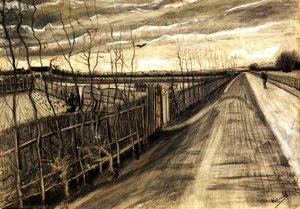
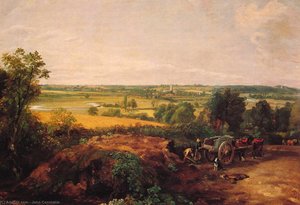
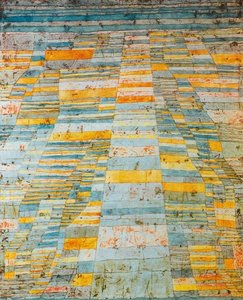
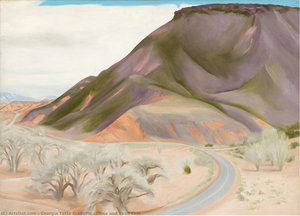
Biografija umetnika
Early Life and Artistic Beginnings
Herman Lungkwitz, born in Halberstadt, Germany, in 1813, emerged from a period of significant artistic transition. The echoes of Romanticism still resonated, yet the seeds of Realism were beginning to sprout across Europe. While detailed biographical information remains scarce—a common fate for artists operating outside the most prominent circles—we can piece together a portrait of a dedicated painter who navigated these shifting currents with quiet determination. His early training likely occurred within the established academic traditions of his region, focusing on meticulous draftsmanship and classical subject matter. However, Lungkwitz’s artistic path would soon diverge from strict adherence to convention. He wasn't driven by grand historical narratives or mythological allegories; instead, he found inspiration in the everyday lives of people around him, particularly those engaged in rural occupations. This focus suggests an early inclination towards genre painting—a style that celebrated scenes of common life—and a sensitivity to the dignity and beauty inherent in ordinary labor.A Focus on Rural Life and Genre Painting
Lungkwitz’s oeuvre is characterized by its intimate depictions of German peasant life during the 19th century. He wasn't merely documenting these scenes; he was imbuing them with a sense of warmth, authenticity, and subtle psychological depth. His paintings often feature farmers tending their fields, families gathered around simple meals, or individuals engaged in traditional crafts. The compositions are typically balanced and harmonious, reflecting a careful study of light and shadow to create a realistic yet inviting atmosphere. What sets Lungkwitz apart is his ability to capture the character of his subjects—their weathered faces, calloused hands, and quiet resilience. He avoids romanticizing rural existence; instead, he presents it with honesty and respect, acknowledging both its hardships and its inherent beauty. His palette tends towards earthy tones – ochres, browns, and greens – further reinforcing the connection to the land and the natural world. While not widely celebrated during his lifetime, Lungkwitz’s work offers a valuable glimpse into the social fabric of 19th-century Germany, providing a counterpoint to more idealized or dramatic representations of the era.Influences and Artistic Development
Pinpointing specific artistic influences on Lungkwitz is challenging due to limited documentation. However, it’s reasonable to assume exposure to the work of Dutch Golden Age genre painters like Johannes Vermeer and Pieter de Hooch. Their mastery of light, composition, and interior scenes likely served as a source of inspiration for his own meticulous approach. The Biedermeier movement, prevalent in Germany during Lungkwitz's active period, also exerted a subtle influence. This style emphasized domesticity, simplicity, and a focus on personal experience—values that resonate strongly within his paintings. As the 19th century progressed, Lungkwitz may have been aware of the emerging Realist movement led by artists like Gustave Courbet and Jean-François Millet. While he didn’t fully embrace their radical social commentary, he shared their commitment to depicting everyday life with honesty and accuracy. His development can be seen as a gradual refinement of his technique—a growing confidence in capturing nuanced expressions and conveying the emotional weight of ordinary moments.Legacy and Historical Significance
Herman Lungkwitz passed away in 1891, leaving behind a body of work that continues to captivate viewers with its quiet beauty and authenticity. Although he didn’t achieve widespread fame during his lifetime, his paintings have gained recognition in recent years as valuable historical documents and compelling examples of 19th-century genre painting.- His works offer a unique perspective on German rural life—a glimpse into the daily routines, social structures, and emotional lives of ordinary people.
- Lungkwitz’s meticulous technique and sensitive portrayal of his subjects demonstrate a deep respect for human dignity and the beauty inherent in everyday labor.
- His paintings serve as a counterpoint to more idealized or dramatic representations of 19th-century Germany, providing a nuanced and realistic view of the era.
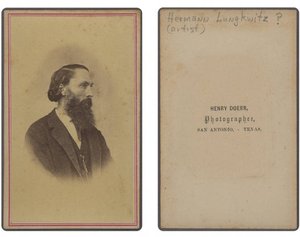
herman lungkwitz
1813 - 1891

