

 Pregledaj u prostoru
 Pošalji
 Podeli
 Detalji o delu

 Преузми
 Slični predmeti
 Rendgenski snimak
 Slajdovi
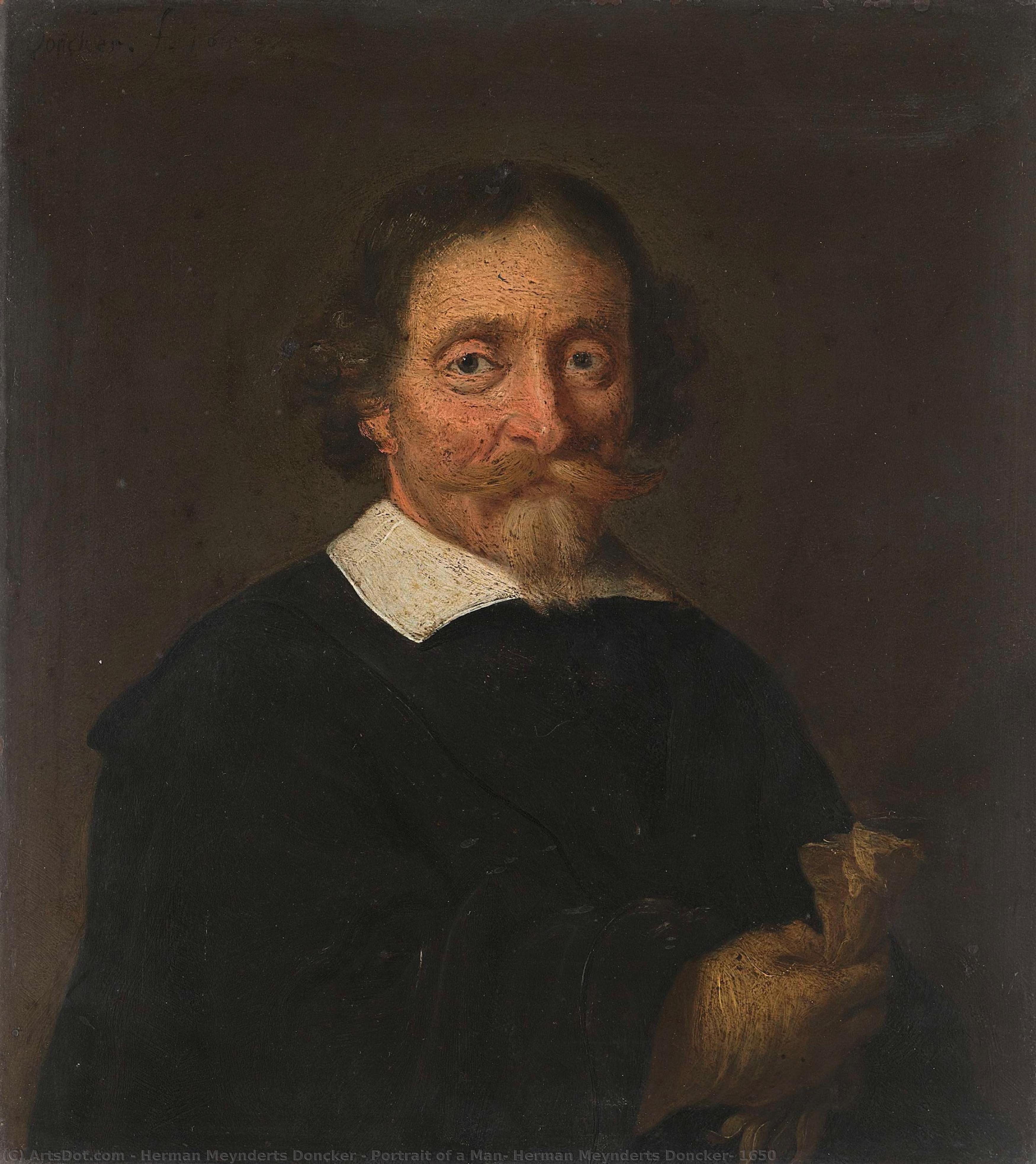
Portrait of a Man, Herman Meynderts Doncker, 1650
 1650
1650 32.0 x 28.0 cm
 Pročitaj više
Ručno rađena uljana reprodukcija
Ručno oslikano uljanim bojama na platnu u dimenzijama i okviru po vašem izboru, izrađeno po porudžbini od strane naših umetnika. ( Kupi print Kupi digitalnu sliku)




































Izaberite jednu od naših unapred definisanih veličina koje odgovaraju originalnim proporcijama umetničkog dela.

Можете унети сопствене димензије како бисте прилагодили дело одређеном оквиру или простору. Ако одабрана величина не одговара пропорцијама оригинала, слика ће бити исечена или проширена додатним елементима који се ручно насликавају. Дигитални prikaz ће вам бити послат на одобрење пре почетка производње.
Имајте на уму да преглед на екрану не одражава стварно исецање или проширење. Само приказ (mockup) ће тачно приказати коначну композицију.
Иако су доступне прилагођене величине, препоручујемо да одаберете димензију из дефинисане листе како бисте сачували оригиналне пропорције.
Nakon narudžbine, tim ArtsDot.com će klijentu putem e-pošte poslati uputstva i dostaviti prikaz predloženog rešenja
Isporuka širom sveta () za 3/4 nedelje umesto uobičajenih 5 nedelja. (5 септембар). Bez kompromisa po pitanju kvaliteta.

Besplatna ekspresna dostava širom sveta

Visokokvalitetno laneno platno

Kompletno osiguranje transporta

Garancija povraćaja carine i uvoznih dažbina

Garancija vernosti boja

Politika povrata u roku od 60 dana (samo u slučaju nedostataka)

Garancija povrata novca od 100%

Popust pri grupnoj kupovini
 Opcija sa staklom dostupna je samo za dimenzije manje od 110 cm

Portrait of a Man, Herman Meynderts Doncker, 1650
Tehnika reprodukcije
Dimenzije reprodukcije
-


Konačna cena
$ 263
Srodna umetnička dela



Biografija umetnika
A Quiet Master of the Dutch Golden Age: Herman Meynderts Doncker
The name Herman Meynderts Doncker, though perhaps less immediately recognizable than some of his contemporaries, represents a significant voice within the vibrant artistic landscape of the 17th-century Netherlands. Born in Enkhuizen in 1595, during the height of the Dutch Golden Age, Doncker’s life and career unfolded against a backdrop of unprecedented prosperity, burgeoning trade, and a remarkable flourishing of painting. He was also known as Herman Mijnerts Doncker, a subtle variation that occasionally appears in historical records, hinting at the complexities of tracing artistic lineages from this period. While biographical details remain somewhat sparse, enough evidence exists to paint a picture of a skilled portraitist who navigated the stylistic currents of his time with quiet competence and a discerning eye for character.Early Life and Haarlem Period
Doncker’s origins in Enkhuizen, a bustling port city north of Amsterdam, likely exposed him early to a diverse range of influences – not only artistic but also the cosmopolitan world of merchants, sailors, and travelers who frequented its harbors. The precise details of his training remain unknown; however, by 1633 he had established himself in Haarlem, a major center for painting and home to renowned artists like Frans Hals and Pieter Claesz. This move was pivotal. Haarlem offered Doncker access to a sophisticated artistic milieu where he honed his skills, absorbing the prevailing trends of realism and psychological insight that characterized Dutch portraiture. He worked there until approximately 1640, a period crucial for developing his signature style. During this time, he consistently signed his works with ‘H. Doncker’ or simply ‘HD’, providing valuable clues to art historians reconstructing his oeuvre.Portraiture and the Essence of Character
Doncker's artistic output primarily consisted of portraits – a testament to the strong demand for likenesses among the increasingly affluent Dutch citizenry. He wasn’t necessarily an innovator in terms of technique, but rather a master of execution. His paintings are characterized by a meticulous attention to detail, particularly in rendering fabrics and facial features. However, what truly distinguishes Doncker's work is his ability to capture not just *what* people looked like, but also something of their inner lives. He possessed a sensitivity for conveying personality – a subtle hint of melancholy in the eyes, a determined set to the jaw, or a quiet dignity in posture. His portraits are rarely flamboyant; instead, they offer intimate glimpses into the lives and characters of his sitters. The influence of Hals is sometimes detectable in Doncker’s brushwork, particularly in the lively rendering of textures, but he developed a more restrained and refined approach overall.Style and Historical Context
Doncker operated within the broader context of Dutch Realism, a movement that rejected idealized forms in favor of accurate depictions of everyday life and individuals. However, his work also reflects the growing emphasis on psychological realism that permeated 17th-century portraiture. Unlike earlier Renaissance portraits which often focused on status and grandeur, Doncker’s paintings frequently emphasize the individuality and humanity of his subjects. He skillfully employed chiaroscuro – the dramatic contrast between light and shadow – to create depth and volume, drawing attention to key features and enhancing the emotional impact of his compositions. The Dutch Golden Age was a period of unprecedented artistic innovation, and Doncker’s contribution lies in his ability to synthesize these trends into a cohesive and compelling style that resonated with his contemporaries. He wasn't painting allegories or mythological scenes; he was capturing the faces – and therefore, the spirit – of a nation on the rise. His landscapes are less common but demonstrate a similar attention to detail and atmospheric effect.Legacy and Significance
Although Herman Meynderts Doncker did not achieve the widespread fame of some of his peers, his work remains an important example of Dutch Golden Age portraiture. He passed away in 1656, leaving behind a body of paintings that offer valuable insights into the lives and values of the Dutch middle class. His portraits are now held in museums and private collections around the world, serving as enduring testaments to his skill and sensitivity. While further research may uncover more details about his life and artistic development, Doncker’s legacy is secure – a quiet master who captured the essence of character during one of history's most remarkable periods for art and culture.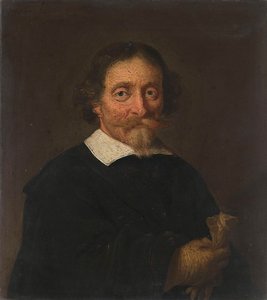
herman meynderts doncker
1595 - 1656 , Netherlands
Osnovne informacije
- Artistic Movement Or Style: Dutch Golden Age painting
- Date Of Birth: 1595
- Date Of Death: 1656
- Full Name: Herman Meynderts Doncker
- Nationality: Dutch
- Place Of Birth: Enkhuizen, Netherlands

