

 Pregledaj u prostoru
 Pošalji
 Podeli
 Detalji o delu

 Преузми
 Slični predmeti
 Rendgenski snimak
 Slajdovi
 Stats
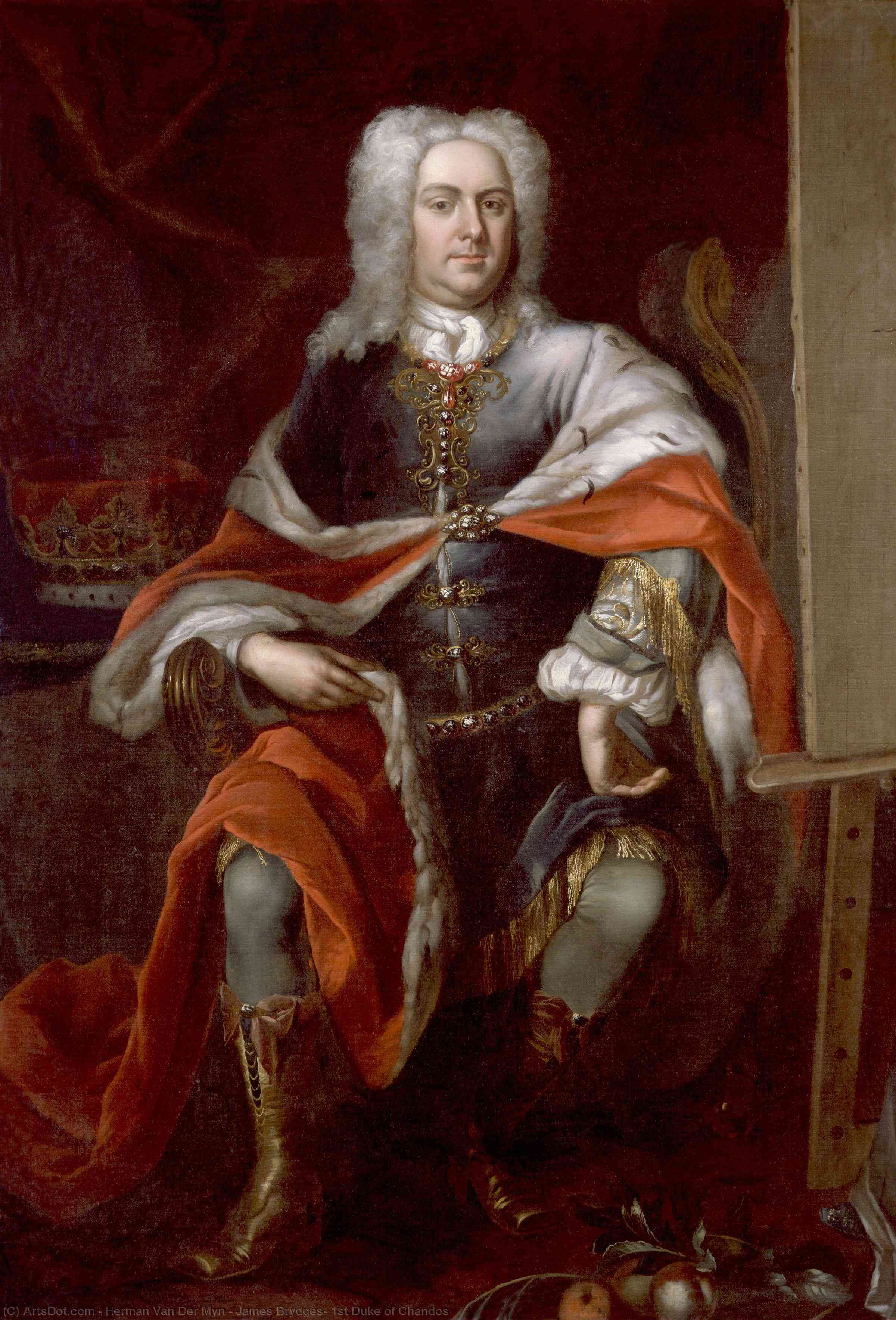
StatsJames Brydges, 1st Duke of Chandos
 1725
1725 174.0 x 124.0 cm
 Pročitaj više
Ručno rađena uljana reprodukcija
Ručno oslikano uljanim bojama na platnu u dimenzijama i okviru po vašem izboru, izrađeno po porudžbini od strane naših umetnika. ( Switch to Print Switch to Digital Image)




































Izaberite jednu od naših unapred definisanih veličina koje odgovaraju originalnim proporcijama umetničkog dela.

Можете унети сопствене димензије како бисте прилагодили дело одређеном оквиру или простору. Ако одабрана величина не одговара пропорцијама оригинала, слика ће бити исечена или проширена додатним елементима који се ручно насликавају. Дигитални prikaz ће вам бити послат на одобрење пре почетка производње.
Имајте на уму да преглед на екрану не одражава стварно исецање или проширење. Само приказ (mockup) ће тачно приказати коначну композицију.
Иако су доступне прилагођене величине, препоручујемо да одаберете димензију из дефинисане листе како бисте сачували оригиналне пропорције.
Nakon narudžbine, tim ArtsDot.com će klijentu putem e-pošte poslati uputstva i dostaviti prikaz predloženog rešenja
Isporuka širom sveta () za 3/4 nedelje umesto uobičajenih 5 nedelja. (7 септембар). Bez kompromisa po pitanju kvaliteta.

Besplatna ekspresna dostava širom sveta

Visokokvalitetno laneno platno

Kompletno osiguranje transporta

Garancija povraćaja carine i uvoznih dažbina

Garancija vernosti boja

Politika povraćaja u roku od 100 dana (isključivo u slučaju nedostataka)

Garancija povrata novca od 100%

Popust pri grupnoj kupovini
 Opcija sa staklom dostupna je samo za dimenzije manje od 110 cm

James Brydges, 1st Duke of Chandos
Tehnika reprodukcije
Dimenzije reprodukcije
-


Konačna cena
$ 263
Srodna umetnička dela








Biografija umetnika
The Botanical Elegance of Herman van der Mijn
In the golden age of 18th-century botanical art, few names evoke the delicate precision and courtly splendor of Herman van der Mijn. Born in Amsterdam around 1684, Van der Mijn was a painter whose brush captured not merely the physical form of flora, but the very essence of life and scientific curiosity that defined the Enlightenment. His journey was one of movement and prestige, stretching from the artistic hubs of the Dutch Republic through the vibrant courts of Europe, eventually finding a grand stage in London. As a master of both the intimate botanical still life and the dignified portrait, he bridged the gap between the meticulous observation of nature and the social grandeur of the aristocracy.
The foundations of his extraordinary skill were laid in the studios of influential mentors, most notably Ernst Stuven. It was under such tutelage that Van der der Mijn mastered the subtle textures of petals, the translucency of dew, and the complex architecture of stems—a discipline that would become his lifelong hallmark. His professional ascent was marked by significant milestones, including his admission as a master to the Antwerp Guild of St. Luke in 1712. This period of rigorous training prepared him for the highest levels of patronage, allowing him to transition from a skilled student to a sought-after artist capable of serving the most powerful figures of his era.
A Life of Courtly Patronage and Artistic Legacy
The trajectory of Van der Mijn’s career was profoundly shaped by his ability to navigate the sophisticated circles of European royalty. His appointment as court painter to Johann Wilhelm, Elector Palatine, served as a pivotal moment, elevating his status from a regional talent to an artist of international significance. This role brought him into contact with the intellectual and cultural currents flowing through the courts of Düsseldorf and beyond. His travels were not merely personal journeys but artistic expeditions; his passage through Brussels and Paris eventually led him to London, where he established a lasting presence between 1717 and 1737.
In London, Van der Mijn found a fertile ground for both his botanical studies and his portraiture. He secured prestigious commissions from figures such as Anna van Hannover, further cementing his reputation among the British elite. His work during these years reflected a unique synthesis of Dutch precision and English elegance. Beyond his individual achievements, perhaps his most enduring contribution to the art world was the cultivation of an artistic dynasty. The Van der Mijn name became synonymous with talent, as his children—including George, Robert, Cornelia, Frans, Gerard, and Andreas—all pursued distinguished careers in painting. This familial tradition ensured that his stylistic influence and dedication to botanical accuracy would ripple through the generations.
The historical significance of Herman van der Mijn lies in his role as a conduit for artistic exchange. He did not merely paint; he taught and connected, introducing artists like Jan van Nickelen to new masters and instructing royalty, such as Anne, Princess Royal, in the delicate arts of drawing. His life remains a testament to an era where art, science, and social prestige were inextricably linked, leaving behind a legacy of blossoms captured in eternal, exquisite detail.
herman van der myn
1684 - 1741
Osnovne informacije
- Artistic Movement Or Style: Floral Still Life
- Artists Or Movements Influenced By This Artist: ['Rachel Ruysch']
- Artists Who Influenced This Artist: ['Ernst Stuven']
- Date Of Death: 1741
- Full Name: Herman van der Mijn
- Nationality: Dutch
- Notable Artworks: ['Anna van Hannover Portrait']
- Place Of Birth: Amsterdam, Netherlands