

 Pošalji
 Podeli
 Detalji o delu

 Преузми
 Slični predmeti
 Slajdovi
 Stats
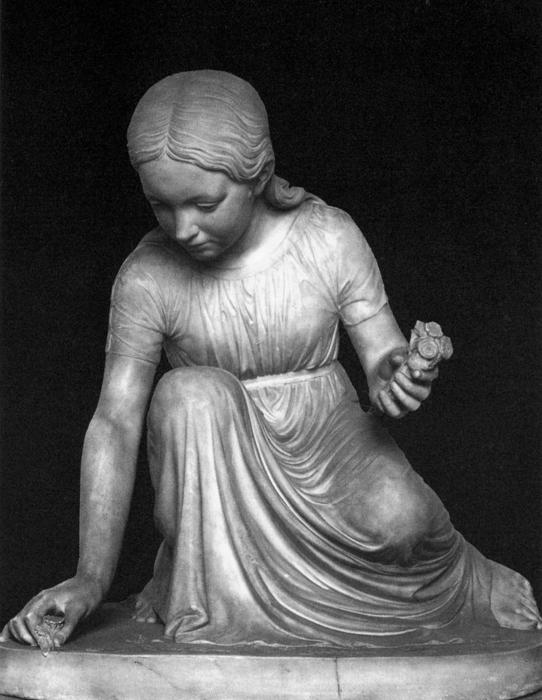
StatsGirl Picking Flowers


 Pročitaj više
Kupite digitalnu sliku visoke rezolucije i poboljšanog kvaliteta, koja je znatno superiornija od onoga što vidite u online prikazu.
Svaka datoteka je pedantno pripremljena od strane naših stručnjaka koristeći napredne alate i profesionalnu ručnu retušu. Osiguravamo da svaka slika ima izuzetnu oštrinu, preciznu reprodukciju boja i fine detalje.
Konačna datoteka se dostavlja putem e-pošte u roku od 72 sata, optimizovana za neposrednu upotrebu u profesionalnim, izdavačkim i štamparskim okruženjima. To je isti kvalitet kojem veruju vrhunski studiji dizajna, izdavači i galerije.
Digitalna slika
Preuzmite datoteku visoke rezolucije za ličnu upotrebu, štampanje i kreativne projekte. ( Switch to Print Kupi ručno naslikanu sliku)
Uključeno uz svaku porudžbinu digitalne slike
Profesionalna digitalna isporuka, zagarantovana
Kada odaberete ArtsDot.com, ne dobijate samo sliku – vi primate profesionalno unapređeno digitalno umetničko delo, izrađeno sa najvećom preciznošću i uz garanciju zadovoljstva. Evo svega što automatski dolazi uz vašu porudžbinu:

Brza dostava putem e-pošte
Vaša digitalna slika visoke rezolucije biće vam poslata putem e-pošte u roku od 72 sata od poručivanja – spremna za trenutnu upotrebu.

Digitalna datoteka unapređena veštačkom inteligencijom
Vaše umetničko delo je profesionalno optimizovano korišćenjem naprednih AI alata i ručne obrade, čime se osiguravaju maksimalni detalji, oštrina i preciznost boja.

Besplatna ponovna isporuka doživotno
Slučajno ste obrisali ili izgubili svoju datoteku? Ne brinite – poslaćemo vam je ponovo u bilo kom trenutku, potpuno besplatno.

Bez troškova uvoza – zauvek
Uživajte u svojim umetničkim delima trenutno, bez carine, dažbina ili troškova dostave – digitalni download je uvek bez poreza.

Garancija vernosti boja
Uz pomoć profesionalnih alata i upravljanja bojama, osiguravamo da vaša digitalna slika što vernije odražava originalne boje.

Garancija zadovoljstva od 100 dana
Ako niste zadovoljni svojom digitalnom slikom, izvršićemo reviziju ili ćemo vam vratiti 100% novca u roku od 100 dana – bez ikakvih pitanja.

100% garancija povrata novca
Niste zadovoljni? Dobijte puni povraćaj novca u roku od 100 dana od prijema digitalne datoteke – bez suvišnih pitanja.

Popusti na velike porudžbine
Kupite 3 slike, uštedite 10% - Kupite 5 slika, uštedite 15% - Kupite 10+ slika, uštedite 20%. Odlično za kreativne projekte, galerije i agencije.
A Moment Frozen in Marble: Exploring Hermann Ernst Freund’s “Girl Picking Flowers”
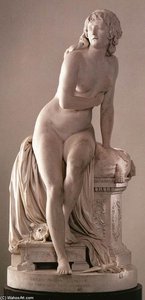
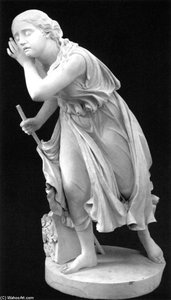
Hermann Ernst Freund's "Girl Picking Flowers," sculpted in 1840, is more than just a beautiful depiction of childhood innocence; it’s a poignant meditation on beauty, transience, and the enduring power of nature. Carved from pristine white marble, the sculpture captures a fleeting moment – a young girl kneeling amidst a bed of wildflowers, her hand outstretched as if to pluck a blossom. The work immediately draws the viewer in with its serene composition and the palpable sense of quiet contemplation radiating from the figure.
Freund’s artistic journey is deeply intertwined with the Romantic movement's fascination with mythology and the sublime. Born near Bremen, Germany, he initially trained as a blacksmith before dedicating himself to sculpture. His early years in Copenhagen provided a solid foundation, culminating in his prestigious graduation medals – a testament to his burgeoning talent. However, it was his decade spent in Rome that truly shaped his artistic vision, placing him firmly within the orbit of Bertel Thorvaldsen, the leading sculptor of the era. Thorvaldsen’s influence is evident in Freund's meticulous attention to anatomical detail and his embrace of Neoclassical ideals – a style characterized by its emphasis on classical forms, idealized beauty, and a commitment to realistic representation.
Neoclassical Form and Delicate Execution
The sculpture itself exemplifies the hallmarks of Neoclassicism. The girl’s pose is deliberately restrained, echoing the statues of ancient Greek and Roman figures – a deliberate nod to the classical ideals of harmony, balance, and proportion. Freund's mastery of marble carving is breathtaking; every fold in the dress, every strand of hair, every delicate petal of the flowers is rendered with astonishing precision. The smooth, polished surface of the marble creates an illusion of life, almost as if we could hear the rustle of leaves and smell the fragrance of wildflowers.
Technically, Freund employed a subtractive carving method, meticulously removing material from a larger block of marble to reveal the desired form. This process demanded immense skill and patience, requiring not only artistic vision but also an intimate understanding of the stone’s properties. The subtle gradations in tone – achieved through careful polishing and shading – contribute significantly to the sculpture's three-dimensionality and its ability to evoke a sense of depth.
Symbolism and Emotional Resonance
Beyond its technical brilliance, “Girl Picking Flowers” is rich in symbolic meaning. The act of gathering flowers can be interpreted as a metaphor for collecting experiences, appreciating the beauty of the natural world, or even seeking solace and joy. The girl’s youthful innocence and her connection to nature evoke feelings of nostalgia and longing – a yearning for simpler times and a deeper connection to the earth. The sculpture also subtly hints at the fleeting nature of beauty itself; the flowers represent ephemeral moments that are destined to fade, mirroring the transient quality of youth and life.
Freund’s choice of subject matter—a young girl in a pastoral setting—was particularly significant during the 19th century. It aligned with Romantic ideals of returning to nature and celebrating the virtues of childhood. The sculpture speaks to a broader cultural fascination with themes of purity, innocence, and the restorative power of the natural world.
A Timeless Masterpiece for Art & Interior Spaces
“Girl Picking Flowers” remains a captivating work of art, admired for its exquisite craftsmanship, evocative symbolism, and enduring emotional resonance. Reproductions offer an accessible way to bring this timeless masterpiece into your home or office, allowing you to appreciate Freund’s artistry and the sculpture's profound beauty. Whether displayed in a grand gallery or a cozy corner, “Girl Picking Flowers” continues to inspire contemplation and evoke a sense of wonder.
Srodna umetnička dela
Biografija umetnika
Hermann Ernst Freund: Life and Legacy
Early Life and Training
Hermann Ernst Freund (1786-1840) was a German-born Danish sculptor who achieved recognition for his pioneering work in Nordic mythology and, most notably, the ambitious *Ragnarok Frieze*. Born near Bremen, Germany, he initially pursued training as a smith before dedicating himself to the world of art. He enrolled at the Art Academy in Copenhagen, where his talent quickly shone through, earning him all four silver and gold medals.
Roman Period and Influences
Following his graduation, Freund embarked on a decade-long sojourn in Rome (1810-1820). This period proved pivotal to his artistic development. He became the closest assistant to the renowned sculptor Bertel Thorvaldsen, gaining invaluable experience and refining his skills. His work during this time, such as the marble bust of Bernhard Severin Ingemann (1820), demonstrates a clear influence of Thorvaldsen’s Neoclassical style.
Embracing Nordic Mythology
Upon returning to Denmark, Freund distinguished himself as an early proponent of Romantic Nationalism. He was the first Danish sculptor to actively engage with themes from Nordic mythology, creating a series of twelve statuettes between 1822 and 1829. These included compelling representations of figures like Loki (1822), Odin (bronze, 1827), and Thor (1829). His approach skillfully blended the grandeur of ancient Greek and Roman mythological traditions with distinctly Norse subject matter.
Major Achievements and Artistic Style
- Ragnarok Frieze: Freund’s magnum opus, a monumental frieze depicting the apocalyptic events of Ragnarök (the end of the world in Norse mythology). Though completed posthumously by Herman Wilhelm Bissen after his death in 1840, it represented years of dedicated work. Sadly, the original was destroyed in the Christianborg fire of 1884; however, a plaster cast remains at Statens Museum for Kunst.
- Church of Our Lady Decoration: Freund prepared models for figures intended to adorn the Church of Our Lady in Copenhagen, though the commission ultimately went to Thorvaldsen.
- Sculptural Style: Freund’s style is characterized by a harmonious blend of Neoclassical precision and Romantic emotionality. His figures possess both anatomical accuracy and a sense of dramatic narrative.
Later Life and Legacy
In 1829, Freund was appointed professor at the Academy, solidifying his position within the Danish art world. Inspired by his travels in Southern Italy, he had his official residence, Materialgaard, decorated in a Pompeiian style. He mentored several young artists including Georg Hilker, Heinrich Eddelien, Constantin Hansen and Christen Købke who assisted with the decoration of Materialgaard based on Freund’s designs.
Historical Significance
Hermann Ernst Freund played a crucial role in shaping Danish sculpture during the Golden Age. His pioneering exploration of Nordic mythology not only revitalized national artistic identity but also established a unique and enduring legacy. The largest collection of his works is housed at the Glyptotek in Copenhagen, ensuring that future generations can appreciate his contributions to art history. He remains an important figure for understanding the intersection of Neoclassicism, Romanticism, and National Identity in 19th-century Danish art.
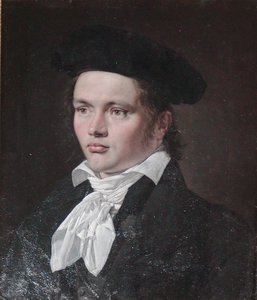
Hermann Ernst Freund
1786 - 1840 , Germany
Kratke činjenice
- Birth Date: 1786
- Birth Place: Uthlede, Germany
- Death Date: 1840
- Influenced By: Bertel Thorvaldsen
- Movement:
- Romantic Nationalism
- Neoclassicism
- Name: Hermann Ernst Freund
- Nationality: Danish
- Notable Works:
- Ragnarok Frieze
- Loki (1822)
- Odin (1827)
- Thor (1829)