

 Pregledaj u prostoru
 Pošalji
 Podeli
 Detalji o delu

 Преузми
 Slični predmeti
 Rendgenski snimak
 Slajdovi
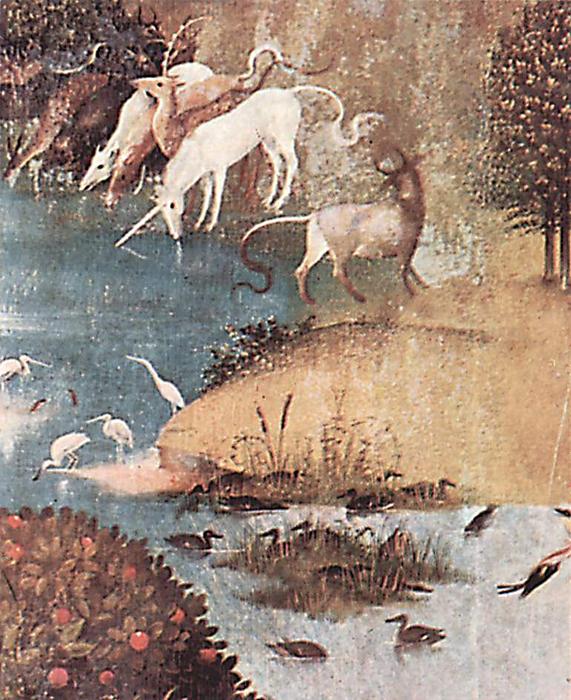
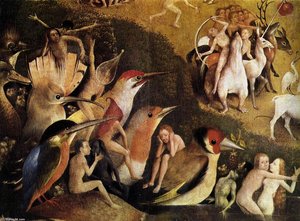
Vrt zemaljskih užitaka (detalj) (20)


 Pročitaj više
Kupite digitalnu sliku visoke rezolucije i poboljšanog kvaliteta, koja je znatno superiornija od onoga što vidite u online prikazu.
Svaka datoteka je pedantno pripremljena od strane naših stručnjaka koristeći napredne alate i profesionalnu ručnu retušu. Osiguravamo da svaka slika ima izuzetnu oštrinu, preciznu reprodukciju boja i fine detalje.
Konačna datoteka se dostavlja putem e-pošte u roku od 72 sata, optimizovana za neposrednu upotrebu u profesionalnim, izdavačkim i štamparskim okruženjima. To je isti kvalitet kojem veruju vrhunski studiji dizajna, izdavači i galerije.
Digitalna slika
Preuzmite datoteku visoke rezolucije za ličnu upotrebu, štampanje i kreativne projekte. ( Kupi print Kupi ručno naslikanu sliku)
Uključeno uz svaku porudžbinu digitalne slike
Profesionalna digitalna isporuka, zagarantovana
Kada odaberete ArtsDot.com, ne dobijate samo sliku – vi primate profesionalno unapređeno digitalno umetničko delo, izrađeno sa najvećom preciznošću i uz garanciju zadovoljstva. Evo svega što automatski dolazi uz vašu porudžbinu:

Brza dostava putem e-pošte
Vaša digitalna slika visoke rezolucije biće vam poslata putem e-pošte u roku od 72 sata od poručivanja – spremna za trenutnu upotrebu.

Digitalna datoteka unapređena veštačkom inteligencijom
Vaše umetničko delo je profesionalno optimizovano korišćenjem naprednih AI alata i ručne obrade, čime se osiguravaju maksimalni detalji, oštrina i preciznost boja.

Besplatna ponovna isporuka doživotno
Slučajno ste obrisali ili izgubili svoju datoteku? Ne brinite – poslaćemo vam je ponovo u bilo kom trenutku, potpuno besplatno.

Bez troškova uvoza – zauvek
Uživajte u svojim umetničkim delima trenutno, bez carine, dažbina ili troškova dostave – digitalni download je uvek bez poreza.

Garancija vernosti boja
Uz pomoć profesionalnih alata i upravljanja bojama, osiguravamo da vaša digitalna slika što vernije odražava originalne boje.

Garancija zadovoljstva u roku od 60 dana
Ako niste zadovoljni svojom digitalnom slikom, revidirat ćemo je ili vratiti 100% novca u roku od 60 dana – bez ikakvih pitanja.

100% garancija povrata novca
Niste zadovoljni? Obezbedite pun povrat novca u roku od 60 dana od trenutka kada ste primili svoju digitalnu datoteku – bez suvišnih pitanja.

Popusti na velike porudžbine
Kupite 3 slike, uštedite 10% - Kupite 5 slika, uštedite 15% - Kupite 10+ slika, uštedite 20%. Odlično za kreativne projekte, galerije i agencije.
Opis kolekcionarskog dela
Pogled u Eden: Istraživanje Detalja iz Boschovog „Vrtova zemane užitka“
Ovaj očaravajući detalj potiče sa monumentalnog triptička dela Jeronimausa Bosha, „Vrtovi zemane užitka“, završene oko 1516. Iako je samo fragment veće naracije, ovaj deo nudi mikrokosmos Boshovog jedinstvenog umetničkog vizije – svet prepun života, suptilno uznemirujući i duboko simboličan. Poziva posmatrače da razmisle o odnosu čovečanstva sa prirodom i delikatnoj ravnoteži između nevinosti i iskušenja.Predmet i Kompozicija
Scena prikazuje pastoralni idil, naselen raznolikom menadžmentom životinja: stoka koja mirno žvače, ptice – uključujući pelikane i patke – koje lete ili odmaraju među bujnom vegetacijom, i manji živi biće poput glodara suptilno integrisani u pejzaž. Kompozicija je slojevita, stvarajući dubinu kroz pažljivo aranžiranje. Voda i živahna biljka dominiraju prvim planom, vodeći pogled ka steništu gde se stoka nalazi, a sve kulminira pozadinom gustih drveća i lišća. Ovo namerno slojevanje vuče posmatrača u scenu, podstičući osećaj uranjanja.Stil i Tehnika: Majstor klasa flamanskog primitivizma
Boshov stil je trenutno prepoznatljiv, ukoren u tradicijama ranog niderlandskog slikarstva – često nazivanog flamanskim primitivizmom. Ovaj detalj ilustruje karakteristike kao što su pedantna pažnja posvećena detaljima i nešto izravdana perspektiva, koja daje prioritet jasnoći i simboličkom predstavljanju nad strogim realizmom. Majstorski koristi linearnu preciznost za definisanje oblika, dok organski oblici karakterišu životinje i biljke. Tehnika se oslanja na uljnu boju primenjenu u tankim, translukernim slojevima – poznatim kao lazura – gradeći boju i svetlost sa neverovatnom suptilnošću. Ova lazura stvara blago teksturisanu površinu gde su vidljivi potezi četkice pri pažljivom pregledanju, dodajući dubinu i bogatstvo.Istorijski kontekst i umetnička inovacija
Jeronimaus Bosch (oko 1450-1516) ostaje jedna od najzagonetnijih figura u istoriji umetnosti. Rođen u 's-Hertogenbosch, Nizozemska, njegov život je okružen misterijom, ali njegov uticaj na umetnost Severne Evrope je neosporan. „Vrtovi zemane užitka“ stoje kao svedočanstvo njegove neuporedivne mašte i veštine. Napravljena tokom perioda religioznog nemira i društvenih promena, Boschova dela često se bave temama moralnosti, greha i spasenja. On se odmaknuo konvencionalnim umetničkim normama, stvarajući jedinstveno lični stil koji do danas osvaja publiku vekovima kasnije.Simbolika i Interpretacija
Boshova umetnost je učvršćena simbolikom, pozivajući na višestruke interpretacije. U ovom detalju, životinje mogu predstavljati prosperitet, obilje, pa čak i dominaciju čovečanstva nad prirodom. Voda simbolizuje plodnost i održavanje života, dok cela scena može aludirati na pre-padni stan – Eden pre pada čoveka. Međutim, unutar šireg dela Bosha, ovakva idilična slika često je postavljena pored tamnijih elemenata, sugerišući krhkost nevinosti i uvek prisutnu pretnju iskušenja. Ključno je zapamtiti da ovaj detalj postoji unutar većeg triptička dela, gde centralni panel prikazuje čovečanstvo koje uživa u zemaljskim zadovoljstvima, a desni panel prikazuje jezivu viziju Javna.Emocionalni uticaj i Estetska privlačnost
Uprkos svojoj naizgled mirnoj temi, ovaj detalj izaziva složen emocionalni odgovor. Pedantan detalj i živahne boje su prvobitno privlačni, ali kroz scenu prožima suptilna melankolična atmosfera. Ovo je karakteristično za Boschovo delo – osećaj nelagode koji luruje ispod površinske lepote. Za enterijer dizajnere, reprodukcija ovog fragmenta nudi jedinstvenu tačku fokusa, dodajući dubinu, intrigantnost i intelektualnu stimulaciju bilo kom prostoru. Kolekcionari će ceniti njegov poreklo kao deo jednog od najikoničnijih remek-dela umetničke istorije. To je komad koji poziva na kontemplaciju, pokrećući razgovor i nudeći beskrajne mogućnosti za interpretaciju. U konačnici, ovaj detalj iz „Vrtova zemane užitka“ nije samo prikaz prirode; to je duboka meditacija o ljudskom biću.Srodna umetnička dela
Biografija umetnika
A Netherlandish Enigma: The Life and Art of Hieronymus Bosch
Born around 1450 in the vibrant, bustling town of ’s-Hertogenbosch in the Netherlands—then part of Brabant—Hieronymus Bosch, originally Jheronimus van Aken, remains one of art history’s most compelling and mysterious figures. His world was steeped in late medieval religious fervor, folklore, and a growing sense of societal unease, all of which would profoundly shape his uniquely unsettling artistic vision. Coming from a family with a long tradition of painting—his grandfather, Jan van Aken, and father, Anthonius van Aken, were both artists—Bosch likely received his earliest training within the family workshop, absorbing the techniques and conventions of Netherlandish painting. However, even in his formative years, he began to diverge from established norms, hinting at the extraordinary imagination that would define his career. Biographical details are frustratingly scarce; records are fragmented, leaving much open to speculation and interpretation, adding to the aura of mystique surrounding both the man and his work. He married Aleyt Goyaerts van den Meerveen sometime before 1481, a union that provided him with some financial security through her family’s holdings, but little else is known about their personal life. Fantastical Visions and Symbolic Depths Bosch's artistic style is instantly recognizable—a captivating blend of meticulous detail and wildly imaginative imagery. He primarily worked with oil on oak panels, demonstrating a masterful command of the medium, achieving luminous colors and intricate textures. While his early works show influences from traditional Netherlandish painting, particularly in their realism and attention to detail, he quickly moved beyond mere imitation, developing a profoundly original vision. His paintings are not simply representations of reality; they are allegorical landscapes populated by bizarre creatures, hybrid beings, and unsettling scenes that seem plucked from dreams—or nightmares. Religious themes form the core of much of his work, but these are rarely straightforward depictions of biblical stories. Instead, Bosch uses symbolism to explore complex moral and theological concepts, often focusing on the dangers of sin, the fragility of earthly pleasures, and the inevitability of divine judgment. His creatures—grotesque demons, fantastical animals, and strangely human figures—are not merely decorative elements; they are embodiments of vice, temptation, and spiritual corruption. The blending of the sacred and the profane, the beautiful and the grotesque, creates a uniquely unsettling effect that continues to captivate viewers centuries later.Masterpieces of Moral Allegory
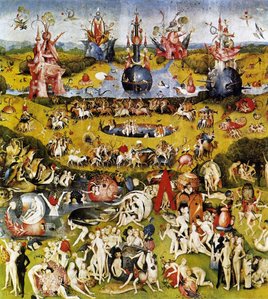
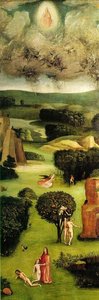
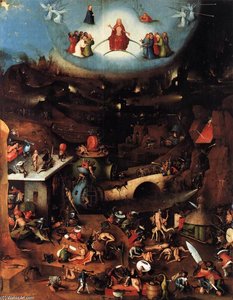
Among Bosch’s most celebrated achievements is The Garden of Earthly Delights (c. 1490-1510), a triptych that remains one of the most enigmatic and debated works in art history. When opened, it presents a panoramic vision of paradise, earthly life, and hell—a complex allegorical representation of humanity’s fall from grace. The left panel depicts the Garden of Eden, teeming with fantastical creatures and lush vegetation; the central panel portrays a world consumed by sensual pleasure and unrestrained desire; and the right panel offers a terrifying glimpse into the torments of hell. The Triptych of the Last Judgement (c. 1480-1490) is another powerful example of his skill in portraying both heavenly bliss and infernal torment, while The Ascent of the Blessed (c. 1480-1490) demonstrates his ability to create ethereal and dreamlike scenes. Even smaller works like Epiphany (c. 1495) showcase his innovative use of oil on wood and complex symbolism, revealing a mind constantly grappling with profound questions about faith, morality, and the human condition.Influences and Artistic Development
Bosch’s artistic trajectory reveals a gradual shift from conventional Netherlandish painting to an increasingly personal and expressive style. Early works demonstrate considerable skill in depicting realistic figures and landscapes—traits inherited from his family tradition—but he quickly abandoned these techniques in favor of bolder colors, more dramatic compositions, and a preoccupation with unsettling imagery. Scholars suggest possible connections to medieval folklore, religious texts—particularly those emphasizing apocalyptic themes—and the prevailing anxieties of the time, including fears of heresy and social upheaval. However, it’s clear that Bosch synthesized these elements into something entirely new and uniquely his own. His artistic vision was profoundly shaped by humanist ideas circulating in Europe during his lifetime, prompting him to question established dogma and explore psychological dimensions previously ignored by artists. He absorbed influences from artists like Pieter Bruegel the Elder, whose landscapes conveyed moral lessons with a similar blend of realism and symbolism.Legacy and Enduring Influence
Identifying Bosch’s direct influences is a challenging task, given the originality of his vision. Scholars suggest possible connections to medieval folklore, religious texts—particularly those emphasizing apocalyptic themes—and the prevailing anxieties of the time, including fears of heresy and social upheaval. However, it's clear that he revolutionized Netherlandish painting by introducing unprecedented levels of psychological complexity and symbolic depth. His impact on subsequent artists is undeniable. Pieter Bruegel the Elder directly followed in his footsteps, adopting similar themes and compositional techniques, while later movements, such as Surrealism, also drew inspiration from Bosch’s dreamlike imagery and exploration of the subconscious. Artists like Salvador Dalí and Max Ernst openly acknowledged their debt to his unsettling visions. Even today, Bosch's work continues to fascinate and provoke debate, solidifying his place as a master of Netherlandish painting and a visionary artist whose influence extends far beyond his own time. His paintings offer valuable insights into the religious, social, and psychological climate of the late 15th and early 16th centuries, challenging conventional norms and paving the way for new forms of artistic expression. He died in 1516, leaving behind a body of work that continues to haunt and inspire, ensuring his enduring legacy as one of art history’s most singular and unforgettable voices.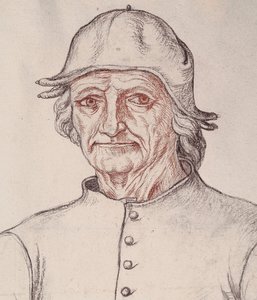
Јеронимијус Бош
1450 - 1516 , Holandija
Kratke činjenice
- Artistic Movement Or Style: Surrealizam i simbolizam
- Artists Or Movements Influenced By This Artist: ['Pieter Bruegel stariji']
- Date Of Birth: c. 1450
- Date Of Death: 1516
- Full Name: Hieronymus Bosch
- Nationality: Nizozemski
- Notable Artworks:
- Posljednji Sud
- Odvijanje Svete Duše
- Epifanska Križanje
- Place Of Birth: Den Bosch, Nizozemska

