

 Pregledaj u prostoru
 Pošalji
 Podeli
 Detalji o delu

 Преузми
 Slični predmeti
 Rendgenski snimak
 Slajdovi
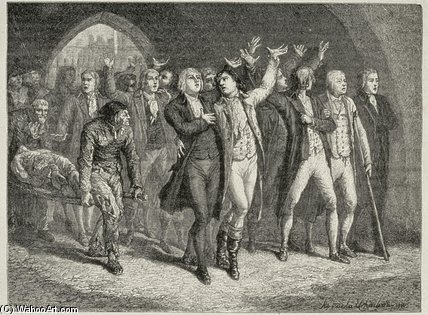
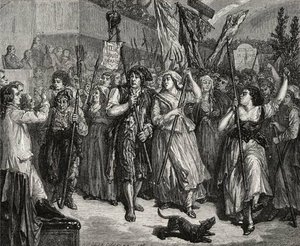
Girondins Leave The Revolution Tribunal
 Pročitaj više
Ručno rađena uljana reprodukcija
Ručno oslikano uljanim bojama na platnu u dimenzijama i okviru po vašem izboru, izrađeno po porudžbini od strane naših umetnika. ( Kupi print Kupi digitalnu sliku)




































Izaberite jednu od naših unapred definisanih veličina koje odgovaraju originalnim proporcijama umetničkog dela.

Можете унети сопствене димензије како бисте прилагодили дело одређеном оквиру или простору. Ако одабрана величина не одговара пропорцијама оригинала, слика ће бити исечена или проширена додатним елементима који се ручно насликавају. Дигитални prikaz ће вам бити послат на одобрење пре почетка производње.
Имајте на уму да преглед на екрану не одражава стварно исецање или проширење. Само приказ (mockup) ће тачно приказати коначну композицију.
Иако су доступне прилагођене величине, препоручујемо да одаберете димензију из дефинисане листе како бисте сачували оригиналне пропорције.
Nakon narudžbine, tim ArtsDot.com će klijentu putem e-pošte poslati uputstva i dostaviti prikaz predloženog rešenja
Isporuka širom sveta () za 3/4 nedelje umesto uobičajenih 5 nedelja. (27 август). Bez kompromisa po pitanju kvaliteta.

Besplatna ekspresna dostava širom sveta

Visokokvalitetno laneno platno

Kompletno osiguranje transporta

Garancija povraćaja carine i uvoznih dažbina

Garancija vernosti boja

Politika povrata u roku od 60 dana (samo u slučaju nedostataka)

Garancija povrata novca od 100%

Popust pri grupnoj kupovini
 Opcija sa staklom dostupna je samo za dimenzije manje od 110 cm

Girondins Leave The Revolution Tribunal
Tehnika reprodukcije
Dimenzije reprodukcije
-


Konačna cena
$ 538
Srodna umetnička dela






Biografija umetnika
A Life Subtly Etched: The World of Hippolyte de la Charlerie
Hippolyte de la Charlerie, born in Mouscron, Belgium in 1827, remains a figure whose artistic contributions, though deeply respected by his contemporaries, have often been overshadowed by the more flamboyant names of the 19th century. His life was one of quiet dedication to his craft – painting and illustration – unfolding against a backdrop of burgeoning social change and artistic innovation. He received his formal training at the prestigious Académie Royale des Beaux-Arts in Brussels (1843–51), where he honed his skills under the guidance of Théodore Baron, a respected figure in Belgian Romanticism. This foundation instilled in him a meticulous technique and an appreciation for classical form, qualities that would become hallmarks of his mature style.From Revolution to Refinement: Artistic Pursuits
De la Charlerie’s artistic path led him towards both historical narrative and intimate portraiture. While he spent considerable time in Paris, establishing a reputation as an illustrator for lavishly produced collector's editions, his subject matter often returned to the dramatic events of the past. He is particularly remembered for his engravings depicting scenes from the French Revolution, work commissioned for M.J.G.D. Armengaud’s comprehensive history, La Révolution Française (1862). These were not merely reproductions; they were carefully considered interpretations, imbued with a sense of gravitas and emotional depth. However, it was his painting of Jean-Baptiste Lully that truly captured the attention of the Parisian art world in 1869. The work depicts the young composer as a boy, around twelve years old, playing his violin within the kitchen of the Duchesse de Montpensier, his powerful patroness. This scene, rendered with remarkable sensitivity and detail, offered a glimpse into Lully’s formative years and resonated deeply with audiences at the Salon.A Spirit of Collaboration: Atelier Saint-Luc & Société Libre des Beaux-Arts
De la Charlerie was not an artist who worked in isolation. He actively sought collaboration and community, becoming a cofounder of the Atelier Saint-Luc in Brussels. This collective aimed to provide artists with a space free from the constraints of academic tradition, fostering experimentation and independent expression. Later, in 1868, he joined the ranks of the avant-gardist Société Libre des Beaux-Arts, a group dedicated to challenging conventional artistic norms and championing “freshness and sincerity” in art – ideals that clearly aligned with his own aesthetic principles. This commitment to progressive artistic thought underscores his position as more than just a skilled craftsman; he was an advocate for a new vision within the Belgian art scene. Sadly, his life was cut short only a year later, in 1869, in Ixelles, a fashionable Brussels suburb favored by artists.An Austere Legacy: Style and Historical Significance
The work of Hippolyte de la Charlerie is characterized by an “austere simplicity,” as noted by the critic Octave Maus in 1905. His portraits, in particular, are distinguished by their dark, cool tonalities which serve to emphasize the stillness and immobility of his subjects. This deliberate restraint creates a sense of psychological depth, inviting viewers to contemplate the inner lives of those depicted. While he may not be a household name, de la Charlerie’s contribution lies in his ability to blend meticulous technique with genuine emotional resonance. His engravings offer valuable visual interpretations of a pivotal historical period, and his portraits stand as compelling examples of 19th-century realism. He represents a generation of Belgian artists who sought to balance tradition with innovation, leaving behind a body of work that continues to reward careful observation and thoughtful appreciation.Rediscovering a Quiet Master
- Key Characteristics: Austere portraiture, historical illustration (French Revolution), dark tonalities, psychological depth.
- Influences: Théodore Baron, Classical form, Romanticism.
- Major Works: Engravings for La Révolution Française, Portrait of Jean-Baptiste Lully as a Boy.
- Artistic Groups: Atelier Saint-Luc, Société Libre des Beaux-Arts.
hippolyte de la charlerie
1827 - 1869 , Belgium
Osnovne informacije
- Artistic Movement Or Style: Romanticism, Pre-Raphaelite
- Artists Or Movements Influenced By This Artist:
- Frye
- Romantic poetry
- Artists Who Influenced This Artist:
- Raphael
- Michelangelo
- Dürer
- Delacroix
- Swedenborg
- Date Of Birth: November 28, 1757
- Date Of Death: August 12, 1827
- Full Name: William Blake
- Nationality: British
- Notable Artworks:
- Songs of Innocence
- Songs of Experience
- The Marriage of Heaven and Hell
- Jerusalem
- Place Of Birth: London, England

