

 Pregledaj u prostoru
 Pošalji
 Podeli
 Detalji o delu

 Преузми
 Slični predmeti
 Rendgenski snimak
 Slajdovi
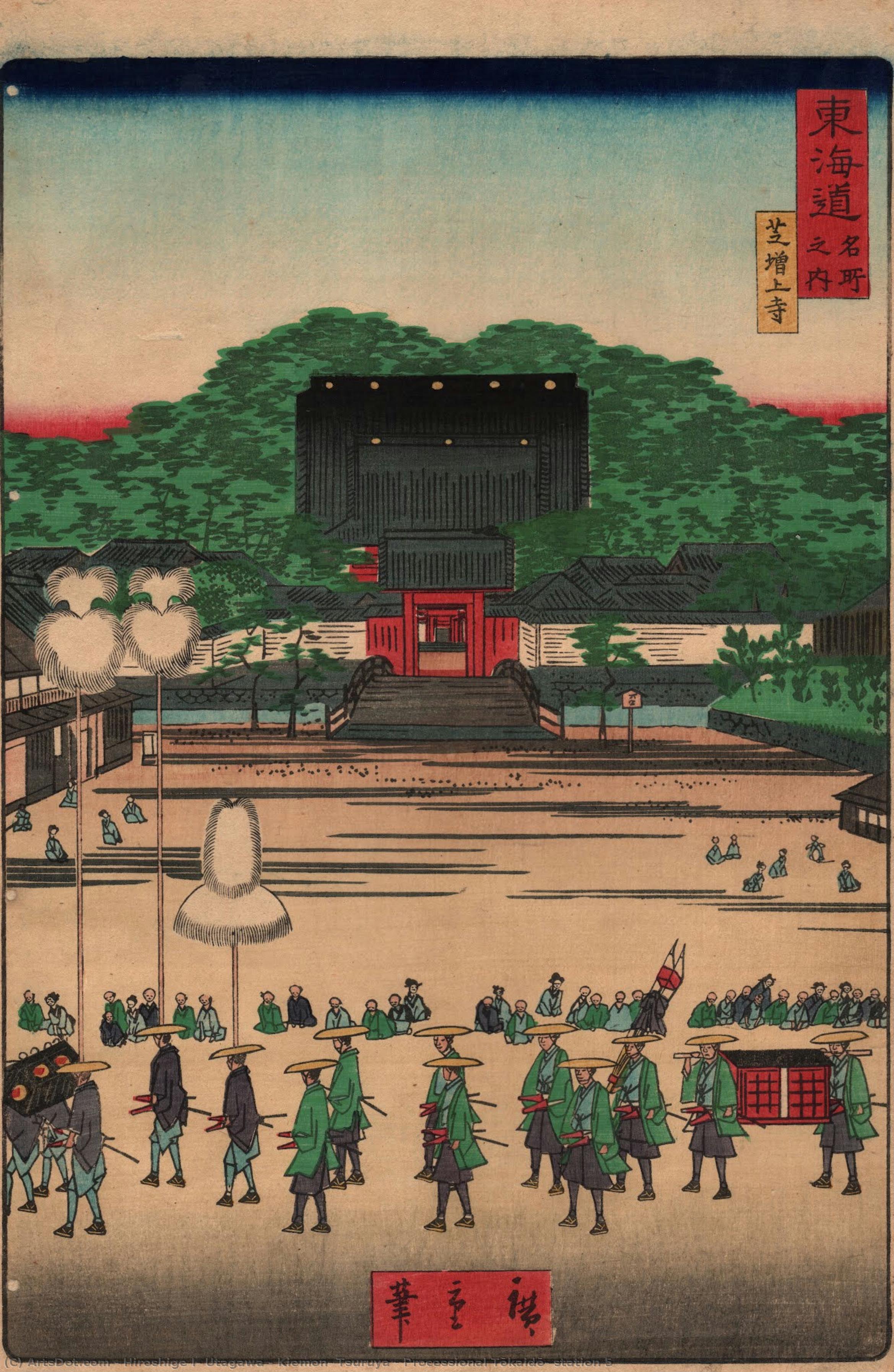
Processional Tōkaidō, station 5
 Woodblock Print
- Ukiyo-e
 1863
1863- 19th Century
 38.0 x 26.0 cm
 Bujalance Collection
 Pročitaj više
Ručno rađena uljana reprodukcija
Ručno oslikano uljanim bojama na platnu u dimenzijama i okviru po vašem izboru, izrađeno po porudžbini od strane naših umetnika. ( Kupi print Kupi digitalnu sliku)




P118B $10

P118H $10

P118W $10

P438Z $10

P508JH $12

P508YH $12

P805H $10

P805Z $10

P919BZ $10

P919G $10

P919XJ $10

P959ZH $10

P968JZ $12

W106C $8

W218G $10

W218JH $8

W218Y $10

W307PJ $10

W316G $10

W316PJ $8

W316Y $10

W398PJ $8

W4111J $10

W500HY $15

W500JH $15

W692G $12

W849H $8

W940BG $15

W953PJ $8




Izaberite jednu od naših unapred definisanih veličina koje odgovaraju originalnim proporcijama umetničkog dela.

Можете унети сопствене димензије како бисте прилагодили дело одређеном оквиру или простору. Ако одабрана величина не одговара пропорцијама оригинала, слика ће бити исечена или проширена додатним елементима који се ручно насликавају. Дигитални prikaz ће вам бити послат на одобрење пре почетка производње.
Имајте на уму да преглед на екрану не одражава стварно исецање или проширење. Само приказ (mockup) ће тачно приказати коначну композицију.
Иако су доступне прилагођене величине, препоручујемо да одаберете димензију из дефинисане листе како бисте сачували оригиналне пропорције.
Nakon narudžbine, tim ArtsDot.com će klijentu putem e-pošte poslati uputstva i dostaviti prikaz predloženog rešenja
Isporuka širom sveta () za 3/4 nedelje umesto uobičajenih 5 nedelja. (29 август). Bez kompromisa po pitanju kvaliteta.

Besplatna ekspresna dostava širom sveta

Visokokvalitetno laneno platno

Kompletno osiguranje transporta

Garancija povraćaja carine i uvoznih dažbina

Garancija vernosti boja

Politika povrata u roku od 60 dana (samo u slučaju nedostataka)

Garancija povrata novca od 100%

Popust pri grupnoj kupovini
 Opcija sa staklom dostupna je samo za dimenzije manje od 110 cm

Processional Tōkaidō, station 5
Tehnika reprodukcije
Dimenzije reprodukcije
-


Konačna cena
$ 263
A Window into the Edo Period: The Bustle of Station 5
In the delicate dance of lines and colors that defines the ukiyo-e tradition, Processional Tōkaidō, station 5 emerges as a breathtaking portal to a vanished world. This exquisite woodblock print, created in 1863, captures a moment of profound historical transition. As viewers gaze upon the streetscape before the Zōjō-ji Temple in Shiba, they are not merely observing a landscape, but participating in a grand, ceremonial movement. The scene is alive with the rhythmic energy of the Edo period; travelers and locals navigate a bustling thoroughfare where the presence of a horse and the traditional attire of the figures suggest a society governed by ritual and order. For the collector or interior designer, this piece offers more than just decoration; it provides a window into the soul of old Japan, bringing a sense of historical depth and narrative richness to any curated space.
The artistry behind this work is a testament to the collaborative mastery of Hiroshige II and the publisher Tsuruya Kiemon. While the series draws inspiration from the legendary landscapes of Hiroshige I, this specific station showcases a sophisticated command of composition and atmosphere. The technique relies on the precise layering of pigments during the printing process, allowing for subtle gradations in color that evoke the soft light of a passing day. The architecture of the surrounding buildings provides a structured, rhythmic backdrop to the organic movement of the crowd, creating a balanced tension between the permanence of the temple grounds and the fleeting nature of the travelers' journey. This interplay of stability and motion is what gives the print its enduring emotional resonance.
Beyond its aesthetic beauty, the work carries a heavy weight of political symbolism. Created during a time when the Shogunate was teetering on the brink of collapse, the Processional Tōkaidō series served as a powerful piece of visual propaganda. By documenting the journey of Shōgun Iemochi to Kyoto, the artists and publishers sought to reinforce the legitimacy of the old regime through the depiction of grand, orderly processions. Every figure in the street and every architectural detail of the Zōjō-ji Temple contributes to a narrative of continuity and strength. To possess a high-quality reproduction of this print is to hold a fragment of a pivotal moment in human history—a time when art was used to capture the heartbeat of a nation in flux.
For those looking to elevate an interior with pieces that spark conversation, this artwork offers unparalleled versatility. Its palette of earthy tones and soft blues integrates seamlessly into both classical and contemporary settings, providing a focal point that is both calming and intellectually stimulating. Whether placed in a quiet study or as part of a larger gallery wall, Processional Tōkaidō, station 5 invites the observer to slow down, to wander through the streets of old Tokyo, and to contemplate the beautiful, transient nature of life itself.
Srodna umetnička dela
Biografija umetnika
introduction to the artist
hiroshige i, utagawa & kiemon, tsuruya, a renowned japanese ukiyo-e artist, is best known for his landscapes, such as the fifty-three stations of the tōkaidō and the sixty-nine stations of the kiso kaidō. born in 1797, he was considered one of the last great artists in the ukiyo-e tradition. his collaboration with tsuruya kiemon, a japanese publisher and printer, resulted in some of the most iconic prints of the era.artistic style and techniques
hiroshige i, utagawa & kiemon, tsuruya's artistic style is characterized by his use of vibrant colors and detailed depictions of landscapes. his woodblock prints are highly prized for their beauty and historical significance. the artist's collaboration with tsuruya kiemon led to the creation of several notable works, including processional tōkaidō, station 17, which is part of the bujalance collection in spain.notable works and collaborations
some of hiroshige i, utagawa & kiemon, tsuruya's most notable works include:- one hundred famous views of edo: bridge of senju, a stunning example of japanese art from the 19th century.
- kanadeon chushingura, act 1, a remarkable example of japanese ukiyo-e art, created in 1855.
- picture of the emperor, a multicolored woodblock print depicting emperor meiji's visit to the tōhoku region and hokkaido.
legacy and impact
hiroshige i, utagawa & kiemon, tsuruya's legacy can be seen in his influence on western art. his landscapes have been widely admired and studied by artists around the world. the artist's page on ArtsDot.com provides a comprehensive overview of his life and work, including his notable collaborations with tsuruya kiemon. the saitama prefectural museum of history and folklore in japan is home to several of the artist's works, including picture of the emperor.conclusion
hiroshige i, utagawa & kiemon, tsuruya's biography serves as a testament to his enduring legacy in the world of japanese art. his collaboration with tsuruya kiemon resulted in some of the most iconic prints of the era, and his influence can be seen in western art to this day. as a renowned ukiyo-e artist, hiroshige i, utagawa & kiemon, tsuruya's work continues to inspire artists and art enthusiasts around the world.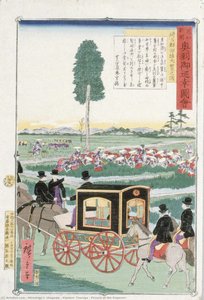
hiroshige i, utagawa & kiemon, tsuruya
1797 - 1858 , Japan
Osnovne informacije
- Artistic Movement Or Style: Ukiyo-e
- Artists Or Movements Influenced By This Artist: ['Western Impressionists']
- Date Of Birth: Tokyo, Japan (1797)
- Full Name: Hiroshige I, Utagawa & Kiemon
- Nationality: Japanese
- Notable Artworks:
- The Fifty-three Stations of the Tōkaidō
- Kanadeon Chushingura Act 1
- Picture of the Emperor
- Place Of Birth: Tokyo
Povezani članci

Katsushika Hokusai: 25 Remek-dela Japanskog Umetnika za Vaš Dom | ArtsDot
Uronite u svet Katsushike Hokusaija! Otkrijte 25 remek-dela japanskog umetnika, uključujući čuveni 'Veliki talas'. Ukiyo-e štampe, pejzaži i istorija iza svakog dela. Pronađite inspiraciju za dekor enterijera i kupite reprodukcije slika vrhunskog kvaliteta na ArtsDot.com.
Ukiyo-e: Exploring Japan's Floating World & Enduring Artistic Legacy
Explore the captivating world of Ukiyo-e – Japan's iconic woodblock prints! Discover masters like Hokusai & Hiroshige, learn about Edo period culture, and find expert art collecting guidance at ArtsDot.
Suzuki Harunobu: Pioneering Ukiyo-e & the Refinement of Edo Period Printmaking
Discover the revolutionary world of Suzuki Harunobu, a pioneer of ukiyo-e printmaking. Explore his exquisite nishiki-e techniques, diverse subjects & lasting impact on Japanese art history. Learn more at ArtsDot.
Floating World: The Captivating Art and Legacy of Japanese Ukiyo-e
Explore the profound beauty of Japanese Ukiyo-e. Discover the history, masters like Hokusai, and the enduring legacy of the 'Floating World' through an expert art-historical lens.
Ukiyo-e's Poetic Visionary: Hiroshige Ando & the Transformation of Landscape in 19th-Century Japan
Explore the life & art of Ando Hiroshige, Japan's last great ukiyo-e master. Discover his iconic landscapes, poetic style, and profound influence on Western Impressionism. Learn about The Fifty-Three Stations & more!

