

 Pregledaj u prostoru
 Pošalji
 Podeli
 Detalji o delu

 Преузми
 Slični predmeti
 Rendgenski snimak
 Slajdovi
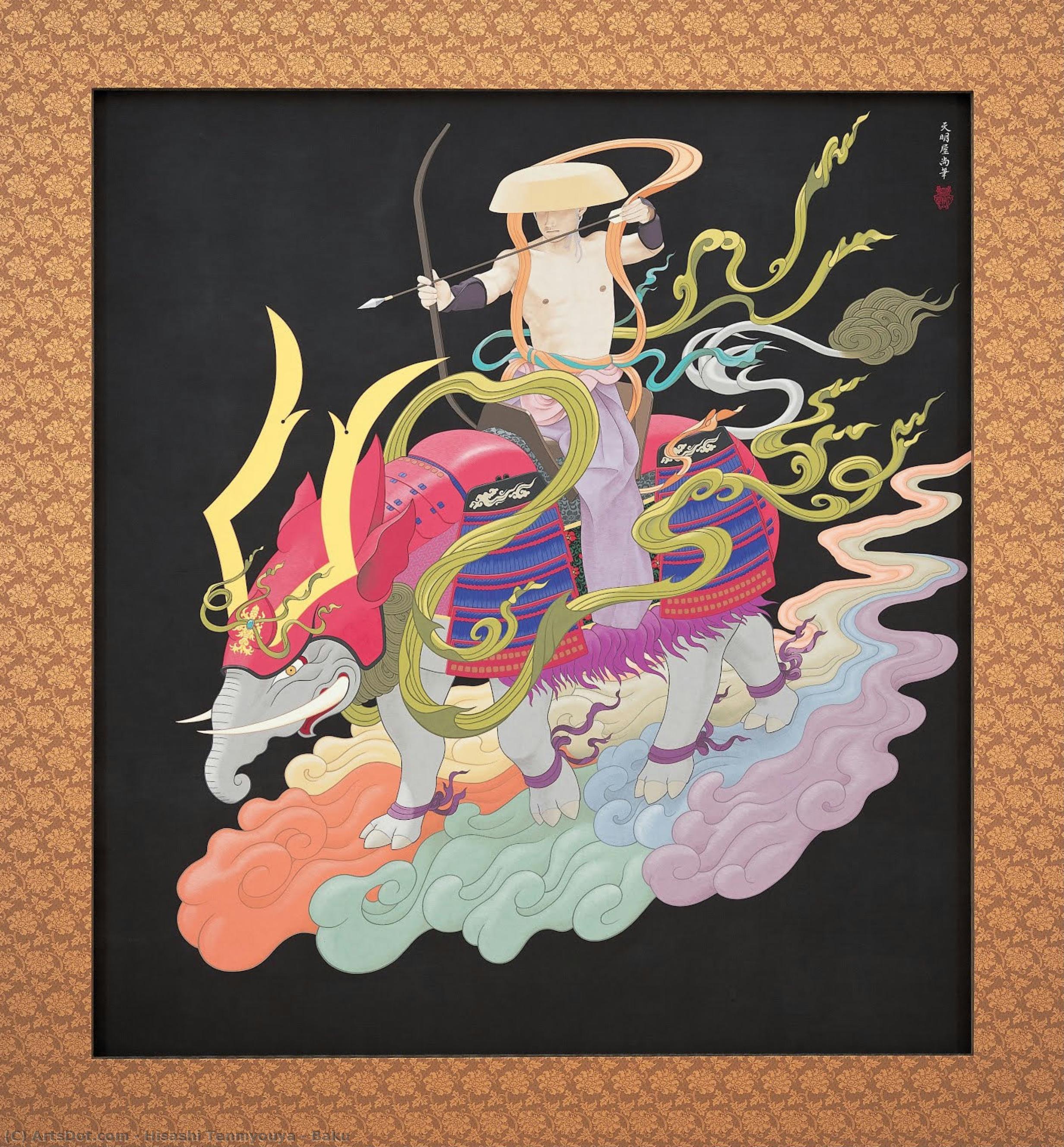
Baku
 Acrylic
- WallArt
- Neo-Nihonga
 2010
2010- Contemporary
 166.0 x 152.0 cm
 Meiji Jingu Forest Festival of Art
 Pročitaj više
Giclee štampa / Umetnički otisak
Giclée štampa ili print na platnu muzejskog kvaliteta uz brzu proizvodnju i fleksibilne opcije završne obrade. ( Kupi ručno naslikanu sliku Kupi digitalnu sliku)




P118B $10

P118H $10

P118W $10

P438Z $10

P508JH $12

P508YH $12

P805H $10

P805Z $10

P919BZ $10

P919G $10

P919XJ $10

P959ZH $10

P968JZ $12

W106C $8

W218G $10

W218JH $8

W218Y $10

W307PJ $10

W316G $10

W316PJ $8

W316Y $10

W398PJ $8

W4111J $10

W500HY $15

W500JH $15

W692G $12

W849H $8

W940BG $15

W953PJ $8




Izaberite jednu od naših unapred definisanih veličina koje odgovaraju originalnim proporcijama umetničkog dela.

Možete uneti sopstvene dimenzije kako biste umetničko delo prilagodili specifičnom okviru ili prostoru. Ako odabrani format ne odgovara proporcijama originalne slike, mi ćemo ili iscrtati deo dela ili proširiti sliku pomoću ogledane ivice ili jednobojnog popunjavanja. Digitalni prikaz će vam biti poslat na odobrenje pre početka proizvodnje.
Imajte na umu da pregled na ekranu ne odražava stvarno iscrtavanje ili proširivanje. Samo će prikaz (mockup) precizno pokazati finalnu kompoziciju.
Iako su prilagođene dimenzije dostupne, preporučujemo da odaberete dimenziju sa unapred definisane liste kako biste očuvali originalne proporcije.
Dostava širom sveta () za 2 nedelje umesto uobičajenih 4/5 nedelja. (6 септембар)

Besplatna ekspresna dostava širom sveta

Visokokvalitetno laneno platno

Kompletno osiguranje transporta

Garancija povraćaja carine i uvoznih dažbina

Garancija vernosti boja

Politika povrata u roku od 100 dana (samo u slučaju nedostataka)

Garancija povrata novca od 100%

Popust pri grupnoj kupovini
 Opcija sa staklom dostupna je samo za dimenzije manje od 110 cm

Baku
Giclee štampa / Umetnički otisak
Dimenzije reprodukcije
-


Konačna cena
$ 62
A Visionary Encounter: The Neo-Nihonga Mastery of Baku
In the vast, evocative landscape of contemporary Japanese art, few works command attention with the same visceral intensity as Hisashi Tenmyouya’s Baku. Created in 2010, this monumental acrylic painting serves as a breathtaking gateway into the artist's signature "Neo-Nihonga" style—a movement that breathes new life into ancient traditions by infusing them with a rebellious, modern energy. The canvas presents a cinematic tableau: a central figure mounted atop a formidable, horned creature reminiscent of an elephant or a dragon, poised in a moment of profound tension. As the man grips his bow and arrow, preparing for a hunt or perhaps a divine confrontation, the viewer is pulled into a world where folklore and contemporary grit collide. The composition is alive with movement, from the soaring birds that punctuate the sky to the distant figures that suggest a larger, unfolding epic.
The technique employed in Baku is a masterclass in controlled chaos and meticulous detail. While Tenmyouya utilizes the versatility of acrylic paint, his approach pays homage to the classical Nihonga tradition, which demands an almost meditative precision. Every line of the creature's textured skin, every feather on the drifting birds, and the sharp focus of the archer’s weaponry are rendered with a clarity that feels both hyper-real and mythic. This duality is what makes the piece so captivating for collectors; it possesses the weight of a historical artifact while maintaining the vibrant, saturated palette of modern street culture. The scale of the work—a commanding 166 x 152 cm—ensures that its presence is not merely seen but felt, making it an unparalleled centerpiece for any sophisticated interior.
Symbolism and the Spirit of Basara
To understand Baku, one must delve into the concept of Basara—an aesthetic of eccentricity, flamboyance, and defiance that Tenmyouya champions. The subject matter draws deeply from Buddhist iconography and Japanese folklore, where creatures like the Baku (the dream-eater) often inhabit the liminal spaces between reality and nightmare. The presence of the horned beast and the archer suggests a struggle for dominance or the pursuit of something elusive and spiritual. The scattered birds act as silent witnesses to this drama, symbolizing the fleeting nature of life and the interconnectedness of the natural and supernatural realms. For the discerning art lover, the painting offers layers of intellectual depth, inviting continuous re-interpretation of its themes of courage, destiny, and the wild unknown.
For interior designers and connoisseurs of fine art, a reproduction of Baku offers more than just visual decoration; it provides an emotional anchor for a room. The painting’s ability to evoke a sense of adventure and historical grandeur makes it an ideal choice for spaces designed to inspire thought and conversation. Whether placed in a contemporary gallery-style living room or a curated study, the work brings with it an aura of prestige and a connection to the evolving legacy of Japanese heritage. It is a piece that does not merely sit upon a wall but actively engages with its environment, casting a spell of mythic storytelling that lingers long after the first glance.
Srodna umetnička dela

Biografija umetnika
The Architect of Neo-Nihonga: The Rebellious Spirit of Hisashi Tenmyouya
In the vibrant, often clashing landscape of contemporary Japanese art, few figures command attention with as much provocative energy as Hisashi Tenmyouya. Born in Tokyo in 1966, Tenmyouya did not emerge from the traditional academic path of a fine arts student; instead, his creative sensibilities were forged in the high-octane world of commercial aesthetics. Before establishing himself as a titan of the contemporary scene, he served as an art director for a record company and worked as an illustrator for underground magazines. This background in pop culture, music, and street-level grit provided the essential DNA for what would become his most significant contribution to art history: the creation of Neo-Nihonga.
Tenmyouya’s journey is one of profound transformation, where the meticulous discipline of ancient Japanese painting meets the unbridled chaos of modern rebellion. While he mastered the rigorous techniques of traditional Nihonga—a style characterized by its use of mineral pigments and delicate brushwork—he found the rigid structures of the established art world to be stifling. He sought a way to honor the aesthetic soul of Japan without being imprisoned by its historical formalities. This tension between reverence and revolt became the heartbeat of his practice, leading him to develop a visual language that speaks simultaneously to the Edo period and the neon-lit streets of modern Tokyo.
The Philosophy of Basara and the Neo-Nihonga Revolution
At the turn of the millennium, Tenmyouya introduced the concept of Neo-Nihonga, a stylistic movement that serves as both an homage and a critique. By utilizing contemporary media such as acrylic paints alongside traditional supports, he challenged the artificiality with which Japanese art history had been presented since the Me/ji era. His work does not merely replicate the past; it deconstructs it. This evolution reached a fever pitch around 2010 with the introduction of Basara, a philosophy rooted in the historical concept of flamboyant, eccentric, and even grotesque individuality. Basara celebrates aesthetic excess, much like the legendary outlaws and warriors of Japan's past, utilizing gold-leaf backgrounds and intense, often violent imagery to create a sense of overwhelming opulence.
The symbolism within his canvases is as layered as the pigments themselves. One might encounter a striking leopard clad in intricate, gold-accented armor or powerful figures riding horned beasts, all rendered with a precision that demands close inspection. His themes frequently bridge the gap between the mythological and the mundane, weaving together:
- Samurai Tradition: The use of armored warriors and Edo-era knights to represent strength and historical continuity.
- Modern Iconography: The integration of street culture, pop culture icons, and even contemporary heroes like Sentai characters.
- Mythological Beasts: The presence of legendary creatures that evoke the spiritual depth of Buddhist iconography.
- Societal Disruption: Using abstract lines and vibrant colors to reflect the turmoil of the modern era, such as his BASARA CORE series.
A Legacy Carved in Gold and Rebellion
The historical significance of Hisashi Tenmyouya lies in his ability to prevent Japanese tradition from becoming a static museum piece. Through his work, the classical techniques of Nihonga are breathed into new life, proving that ancient methods can effectively communicate the anxieties and energies of the twenty-first century. His reach is truly global; his provocative visions have been showcased at prestigious venues such as the Whitney Museum of American Art in New York and the Biennale of Sydney, ensuring that his brand of Basara resonates far beyond the borders of Japan.
Today, Tenmyouya’s influence can be seen in the way contemporary artists approach cultural heritage—not as a set of rules to be followed, but as a toolkit for innovation. His works are held in esteemed permanent collections worldwide, including the Museum of Fine Arts, Houston, and the Takamatsu City Museum of Art. Whether he is collaborating with global icons like Disney or exploring the intersection of technology and tradition, Tenmyouya remains a singular force, an artist who has successfully turned the gaze of history toward the beautiful, chaotic, and unyielding present.

hisashi tenmyouya
1966 - , Japan
Osnovne informacije
- Artistic Movement Or Style: Neo-Nihonga & Basara
- Date Of Birth: February 10, 1966
- Full Name: hisashi tenmyouya
- Nationality: Japanese
- Notable Artworks:
- 36 Selections of Cpntemporary Suits of Armour Leopard with Suit of Armor with Citron Green on Blown Gold Lacing
- Rainbow God
- Place Of Birth: Tokyo, Japan
Povezani članci
Neo-Classicism's Greatest Hits: 10 Masterpieces for Your Home |
Journey through Neo-Classicism's finest! Explore 10 iconic masterpieces by David, Ingres & Canova. Discover art history, techniques & timeless beauty – perfect for inspiring your home decor. Find museum-quality reproductions at
Piet Mondrian: Deconstructing Reality – A Study of Neo-Plasticism & Universal Harmony
Explore the revolutionary art of Piet Mondrian and the principles of Neo-Plasticism. Discover De Stijl's influence, iconic compositions like 'Composition with Red, Yellow and Blue,' and Mondrian’s lasting legacy on modern design.
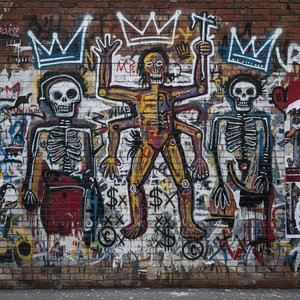
Jean-Michel Basquiat: Deconstructing Identity & Power Through Neo-Expressionist Graffiti
Explore the powerful work of Jean-Michel Basquiat & his impact on Neo-Expressionism. Discover how he deconstructed identity, challenged power structures, and left an enduring legacy in contemporary art. Expert analysis for collectors.
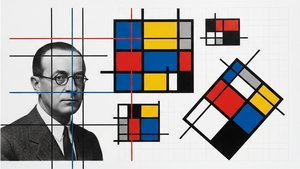
Theo van Doesburg: Pioneering De Stijl & the Evolution of Neo-Plasticism
Explore the revolutionary De Stijl movement & Neo-Plasticism with our expert guide. Discover Piet Mondrian, Theo van Doesburg, and the lasting impact of this influential art style. Learn about collecting & investing in De Stijl masterpieces.
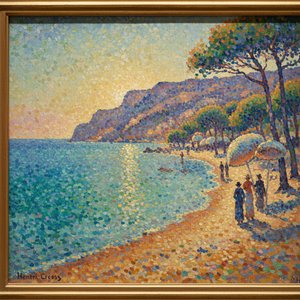
Henri Edmond Cross: A Pioneer of Neo-Impressionism & the Divisionist Aesthetic
Explore the life & art of Henri Edmond Cross, a pivotal Neo-Impressionist painter. Discover his innovative divisionist technique, political affiliations, and lasting influence on modern art movements like Fauvism. Learn about key works & legacy.