

 Pregledaj u prostoru
 Pošalji
 Podeli
 Detalji o delu

 Преузми
 Slični predmeti
 Rendgenski snimak
 Slajdovi
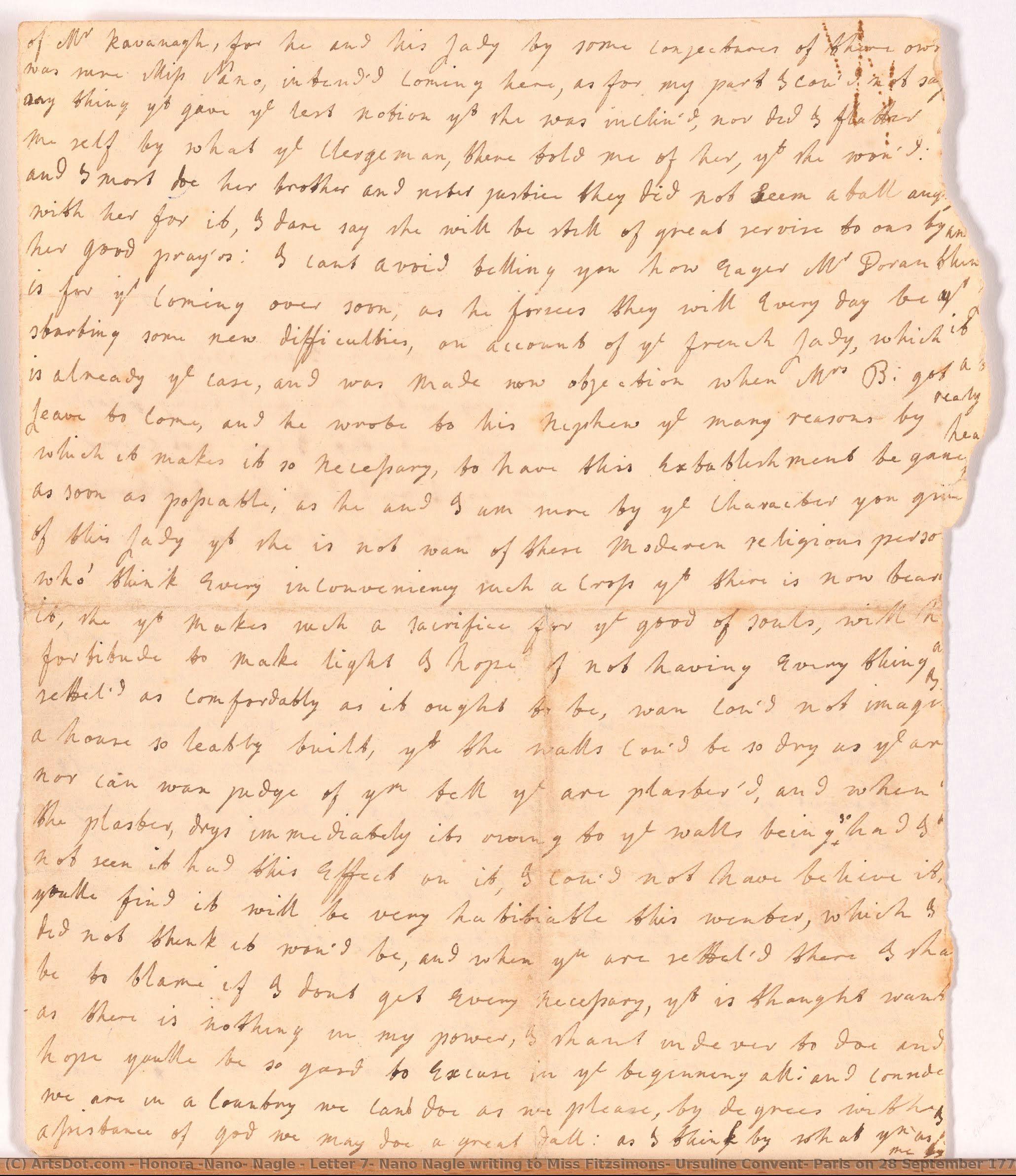
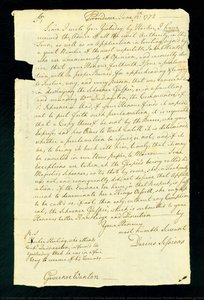
Letter 7: Nano Nagle writing to Miss Fitzsimons, Ursuline Convent, Paris on 28 September 1770.


 Pročitaj više
Giclee štampa / Umetnički otisak
Giclée štampa ili print na platnu muzejskog kvaliteta uz brzu proizvodnju i fleksibilne opcije završne obrade. ( Kupi ručno naslikanu sliku Kupi digitalnu sliku)




P118B $10

P118H $10

P118W $10

P438Z $10

P508JH $12

P508YH $12

P805H $10

P805Z $10

P919BZ $10

P919G $10

P919XJ $10

P959ZH $10

P968JZ $12

W106C $8

W218G $10

W218JH $8

W218Y $10

W307PJ $10

W316G $10

W316PJ $8

W316Y $10

W398PJ $8

W4111J $10

W500HY $15

W500JH $15

W692G $12

W849H $8

W940BG $15

W953PJ $8




Izaberite jednu od naših unapred definisanih veličina koje odgovaraju originalnim proporcijama umetničkog dela.

Možete uneti sopstvene dimenzije kako biste umetničko delo prilagodili specifičnom okviru ili prostoru. Ako odabrani format ne odgovara proporcijama originalne slike, mi ćemo ili iscrtati deo dela ili proširiti sliku pomoću ogledane ivice ili jednobojnog popunjavanja. Digitalni prikaz će vam biti poslat na odobrenje pre početka proizvodnje.
Imajte na umu da pregled na ekranu ne odražava stvarno iscrtavanje ili proširivanje. Samo će prikaz (mockup) precizno pokazati finalnu kompoziciju.
Iako su prilagođene dimenzije dostupne, preporučujemo da odaberete dimenziju sa unapred definisane liste kako biste očuvali originalne proporcije.
Dostava širom sveta () za 2 nedelje umesto uobičajenih 4/5 nedelja. (27 август)

Besplatna ekspresna dostava širom sveta

Visokokvalitetno laneno platno

Kompletno osiguranje transporta

Garancija povraćaja carine i uvoznih dažbina

Garancija vernosti boja

Politika povrata u roku od 60 dana (samo u slučaju nedostataka)

Garancija povrata novca od 100%

Popust pri grupnoj kupovini
 Opcija sa staklom dostupna je samo za dimenzije manje od 110 cm

Letter 7: Nano Nagle writing to Miss Fitzsimons, Ursuline Convent, Paris on 28 September 1770.
Giclee štampa / Umetnički otisak
Dimenzije reprodukcije
-


Konačna cena
$ 62
A Whisper from the Past: The Intimacy of Nano Nagle’s Correspondence
In the quiet, rhythmic strokes of 18th-century cursive, we find more than mere ink on aged parchment; we encounter a living heartbeat from a transformative era in Irish history. Letter 7, penned by the indomitable Honora (Nano) Nagle on the 28th of September, 1770, serves as a profound window into a world defined by both clandestine courage and deep spiritual devotion. As the eye wanders across the weathered, creased surface of this manuscript, one is immediately struck by the tactile reality of time. The varying intensities of the ink, fading in some passages and bold in others, suggest the physical presence of Nagle herself—a woman whose life was dedicated to illuminating the darkness of the Penal Laws through the light of education.
The composition of this historical artifact is inherently organic, lacking the deliberate brushstrokes of a canvas but possessing a structural elegance found only in authentic human connection. The script flows with a formal yet urgent grace, characteristic of an era where correspondence was the sole lifeline between souls separated by vast distances and political upheaval. To hold a reproduction of this letter is to touch the very fabric of the Ursuline Convent in Paris and the burgeoning mission in Cork. It captures a moment of transition, as Nagle advises Miss Fitzsimons on the delicate art of being "unobtrusive"—a subtle nod to the strategic shadows in which Catholic life had to persist during this period of repression.
Historical Resonance and the Art of Resilience
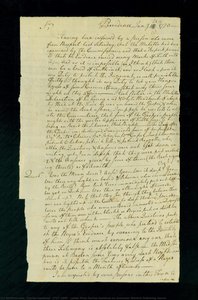
For the collector or the historian, this document is a masterpiece of historical narrative. The context surrounding its creation is nothing short of cinematic. Writing from Cork, Nagle was orchestrating a revolution of the mind, preparing for the arrival of sisters who would help establish schools for the disenfranchised. Every loop of the letter's calligraphy carries the weight of her mission. There is a profound symbolism in the paper’s decay; the visible signs of wear and the yellowed patina are not merely marks of age, but symbols of endurance. Just as Nagle’s mission survived the pressures of British rule, this manuscript has survived the centuries to tell its story.
Integrating such a piece into a curated collection or a sophisticated interior offers more than just decoration; it provides a focal point for contemplation. For interior designers, the aesthetic appeal lies in its authentic, antique texture—a perfect element for a study, a library, or a space dedicated to heritage and legacy. The letter evokes an atmosphere of scholarly depth and quiet strength, making it an ideal choice for those who seek to surround themselves with art that possesses a soul. It is not merely a piece of paper, but a testament to the power of the written word to bridge continents and sustain hope in the face of adversity.
Srodna umetnička dela
Biografija umetnika
A Legacy of Defiance: The Life and Spirit of Nano Nagle
In the shadowed corridors of eighteenth-century Ireland, where the heavy hand of the Penal Laws sought to stifle the very soul of a nation, there emerged a figure of luminous courage. Honora "Nano" Nagle was not an artist of canvas and pigment, but rather an architect of human potential and a painter of social change. Born in 1718 in the verdant landscape of Ballygriffin, County Cork, her early life was shaped by the quiet strength of a wealthy Catholic family navigating a world of systemic oppression. While her upbringing was one of relative privilege, it was marked by an underlying tension—the constant threat to the faith and culture that defined her people. This duality of comfort and conflict would become the crucible in which her extraordinary vocation was forged.
The trajectory of Nano’s life shifted profoundly during her formative years in France. Sent abroad to escape the restrictive atmosphere of Ireland, she encountered the vibrant intellectual currents of Paris. It was here, amidst the elegance of French society, that a singular, transformative moment occurred. Returning from a night of celebration, the young Nagle witnessed the stark, heartbreaking contrast between her own world of luxury and the desperate poverty of the Irish people waiting in the darkness for morning Mass. This encounter acted as a spiritual awakening, a sudden infusion of light into her consciousness that rendered her previous life of pleasure hollow. She realized that true purpose lay not in the pursuit of personal joy, but in the service of those forgotten by history.
The Architecture of Hope: Education as Rebellion
Upon her return to Ireland, Nano Nagle embarked on a mission that was as much an act of political rebellion as it was a religious calling. In an era where educating the Irish Catholic population was considered a treasonous offense, she moved through the streets of Cork City with a quiet, determined audacity. Her work began in the most humble of settings—a small, two-room mud cabin on Cove Lane—where she opened her first school for girls. This was not merely a classroom; it was a sanctuary of literacy and dignity. Through her efforts, she established a network of seven schools, providing the tools of knowledge to children who had been systematically denied them by law.
Her pedagogical vision was remarkably progressive for its time. Rather than focusing solely on rote religious instruction, Nano emphasized practical skills and vocational training. She understood that for the impoverished to truly rise, they required more than just faith; they required the agency provided by literacy and craftsmanship. This holistic approach to empowerment became the hallmark of her work. Her dedication extended beyond the classroom as she navigated the dangerous night streets of Cork to nurse the sick and provide aid to the destitute, embodying a lived theology of compassion that refused to acknowledge the boundaries set by unjust legislation.
An Enduring Impression: The Presentation Legacy
The true masterpiece of Nano Nagle’s life was the foundation of the Sisters of the Presentation of the Blessed Virgin Mary in 1769. This religious institute, born from her desire to continue her work within a structured community, allowed her vision to transcend her own lifetime. The Presentation Sisters became a global force for social justice and education, carrying her spirit of "faith in action" across continents. Her ability to create an institution that could survive the very laws intended to crush her movement is a testament to her profound strategic wisdom and unshakeable resolve.
Today, the historical significance of Nano Nagle resonates far beyond the borders of Ireland. She remains a symbol of how individual agency can dismantle systemic barriers. Her life serves as a powerful narrative of transformation—from a young woman of privilege to a pioneer of social reform. In the annals of history, she is remembered not just as a religious figure, but as a champion of human rights whose "art" was the restoration of dignity to the marginalized. Her legacy continues to inspire those who find themselves standing in the face of impossibility, reminding us that even in the darkest eras, one person's commitment to light can illuminate the path for generations to come.
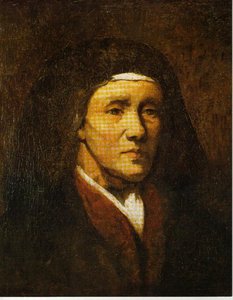
honora (nano) nagle
1718 - 1784 , Ireland
Osnovne informacije
- Artistic Movement Or Style: Catholic Education
- Artists Or Movements Influenced By This Artist: ['Ursuline Convent']
- Artists Who Influenced This Artist: ['None Known']
- Date Of Birth: 1718
- Date Of Death: 1784
- Full Name: Nano Nagle
- Nationality: Irish
- Notable Artworks:
- Letter 7
- Letter 1
- Letter 11
- Place Of Birth: Ballygriffin, Ireland
Povezani članci
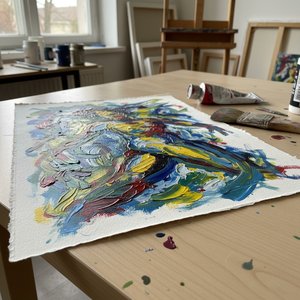
Acrylic on Paper: A Modern Canvas for Contemporary Expression
Explore the versatility of acrylic painting on paper! Discover expert techniques, artist insights & archival practices for creating stunning contemporary art. Learn more at ArtsDot.
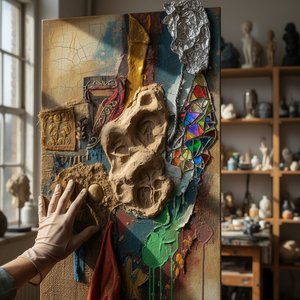
The Tactile Canvas: Exploring Texture as Subject, Materiality & Meaning in Art History
Explore the rich history of texture in art! Discover how artists from Van Gogh to contemporary masters use materiality & technique to create captivating tactile experiences. Deepen your art appreciation with ArtsDot.

Zlatno doba Holandske umetnosti: Top 10 remek dela za vaš dom
Otkrijte remek dela Holandskog zlatnog doba! Uronite u svet Rembrandta, Vermeera i drugih majstora. 10 ikoničnih slika koje su definisale umetnost. Inspiracija za vaš dom i kolekciju - ekskluzivne reprodukcije na ArtsDot.com!
ArtsDot.com F.A.Q.: Teksturne štampe – Postizanje izgleda i osećaja uljane slike za elitu kolekcionara
Otkrijte vrhunske teksturne štampe u ArtsDot.com – savršena alternativa uljanim slikama za elite kolekcionare. Personalizacija, autentičan izgled i garancija kvaliteta. Naručite remek-delo danas!
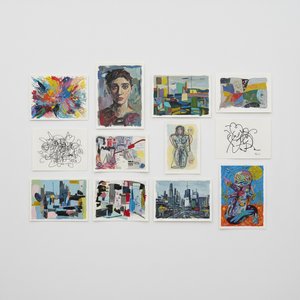
Acrylic on Paper: 10 Masterpieces That Redefined Modern Art | ArtsDot
Explore 10 legendary 'Acrylic on Paper' masterpieces by artists like Helen Frankenthaler & Gerhard Richter. Discover abstract expressionism, color field painting & the evolution of modern art. Find museum-quality reproductions for your home at ArtsDot.com.

