

 Pregledaj u prostoru
 Pošalji
 Podeli
 Detalji o delu

 Преузми
 Slični predmeti
 Rendgenski snimak
 Slajdovi
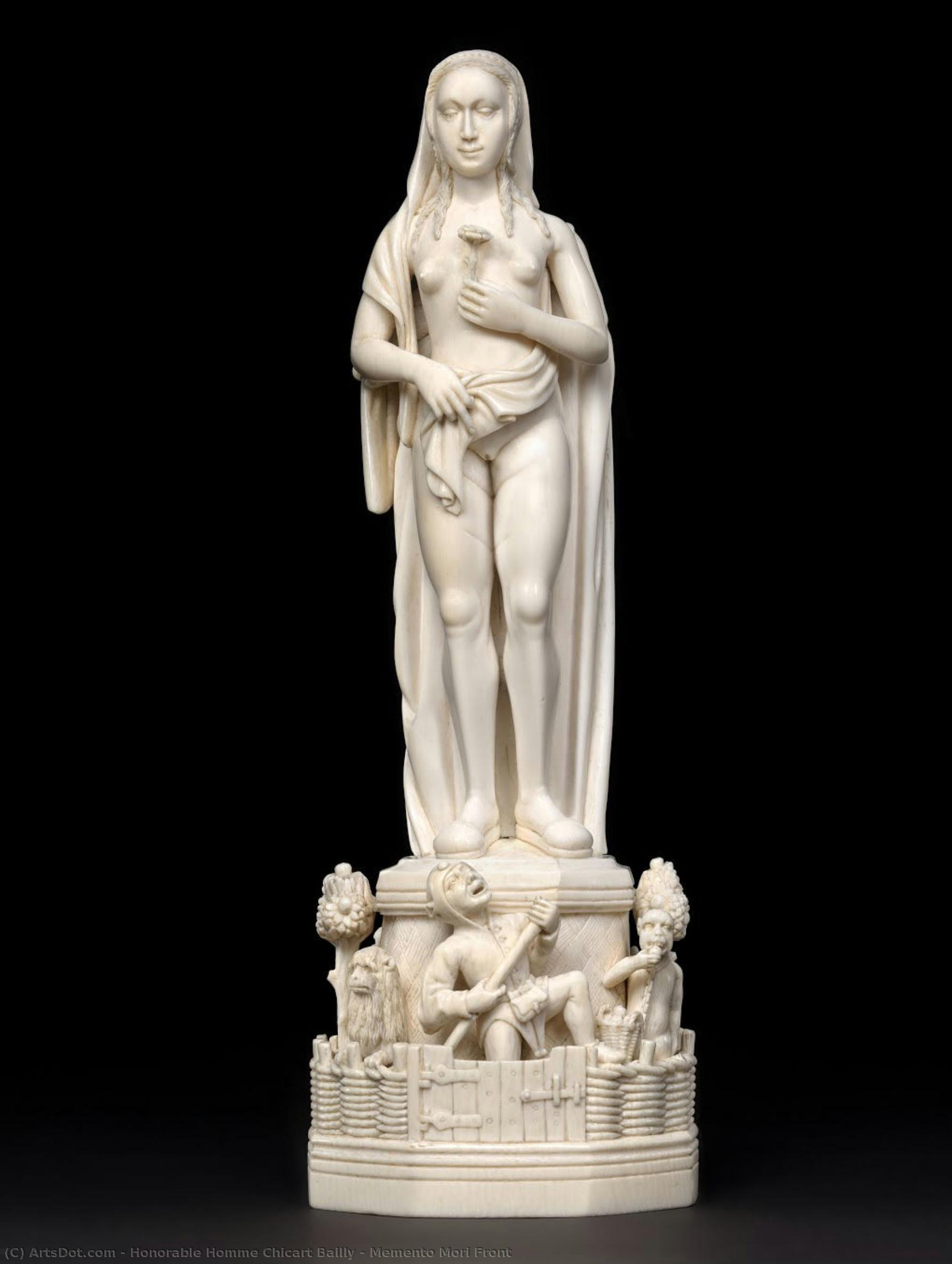
Memento Mori Front
 1520
1520 28.0 x 9.0 cm
 Pročitaj više
Ručno rađena uljana reprodukcija
Ručno oslikano uljanim bojama na platnu u dimenzijama i okviru po vašem izboru, izrađeno po porudžbini od strane naših umetnika. ( Kupi print Kupi digitalnu sliku)




































Izaberite jednu od naših unapred definisanih veličina koje odgovaraju originalnim proporcijama umetničkog dela.

Можете унети сопствене димензије како бисте прилагодили дело одређеном оквиру или простору. Ако одабрана величина не одговара пропорцијама оригинала, слика ће бити исечена или проширена додатним елементима који се ручно насликавају. Дигитални prikaz ће вам бити послат на одобрење пре почетка производње.
Имајте на уму да преглед на екрану не одражава стварно исецање или проширење. Само приказ (mockup) ће тачно приказати коначну композицију.
Иако су доступне прилагођене величине, препоручујемо да одаберете димензију из дефинисане листе како бисте сачували оригиналне пропорције.
Nakon narudžbine, tim ArtsDot.com će klijentu putem e-pošte poslati uputstva i dostaviti prikaz predloženog rešenja
Isporuka širom sveta () za 3/4 nedelje umesto uobičajenih 5 nedelja. (1 септембар). Bez kompromisa po pitanju kvaliteta.

Besplatna ekspresna dostava širom sveta

Visokokvalitetno laneno platno

Kompletno osiguranje transporta

Garancija povraćaja carine i uvoznih dažbina

Garancija vernosti boja

Politika povrata u roku od 60 dana (samo u slučaju nedostataka)

Garancija povrata novca od 100%

Popust pri grupnoj kupovini
 Opcija sa staklom dostupna je samo za dimenzije manje od 110 cm

Memento Mori Front
Tehnika reprodukcije
Dimenzije reprodukcije
-


Konačna cena
$ 263
Srodna umetnička dela




Biografija umetnika
A Parisian Bourgeois and the Art of Remembrance
Honorable Homme Chicart Bailly remains a somewhat enigmatic figure in the landscape of 16th-century French art, yet his surviving works offer a compelling glimpse into the anxieties and aesthetics of the period. Born in Paris around the turn of the century, Bailly was not a painter in the traditional sense, but rather a *marchand tabletier* – a dealer in small luxury objects, including ivory carvings. His life, documented primarily through estate inventories from 1533, reveals him to be a man deeply embedded within the burgeoning commercial world of the French capital. While many artisans remained anonymous, Bailly’s name is preserved thanks to these records, allowing us to reconstruct a portrait of his profession and artistic inclinations. He wasn't creating grand altarpieces or portraits for royalty; instead, he catered to a clientele seeking personal devotional items and objects reflecting on mortality – a market that flourished in an era marked by religious upheaval and the ever-present specter of death.The ‘Memento Mori’ Series: A Meditation on Transience
Bailly is best known for his series of small ivory carvings collectively referred to as *Memento Mori*. These pieces, often diptychs or triptychs, are characterized by their meticulous detail and haunting symbolism. The phrase “memento mori,” Latin for "remember you must die," encapsulates the central theme of these works: a stark reminder of human mortality. Bailly’s carvings don't present death as gruesome or terrifying; rather, they offer a contemplative space to confront it. The imagery frequently includes skulls – not as symbols of horror, but as vanitas motifs representing the fleeting nature of earthly possessions and pleasures. Other common elements include decaying flowers, extinguished candles, and hourglasses, all serving as allegories for the passage of time. The most striking aspect of Bailly’s *Memento Mori* is the depiction of Death itself – often personified as a woman, an unusual representation in Northern European art of the period. This feminine portrayal softens the harshness of death, presenting it not as an abstract force but as a figure with whom one might engage in contemplation.Technique and Influences: Ivory Carving in Renaissance Paris
Bailly’s skill lay in his mastery of ivory carving – a demanding art form requiring precision, patience, and a keen eye for detail. Ivory was a highly prized material, imported from Africa and valued for its smooth texture and ability to hold intricate designs. The techniques Bailly employed likely involved the use of small chisels, drills, and polishing tools to shape the ivory into delicate forms. While his style doesn’t align neatly with any single artistic school, it reflects influences from both Northern Renaissance painting and sculpture. The meticulous realism evident in his carvings echoes the work of artists like Jan van Eyck and Hans Memling, while the compact format and symbolic density suggest a familiarity with devotional imagery popular throughout Europe. It is important to note that Bailly was operating within a workshop environment; it’s likely he employed assistants to help with various stages of production, though his estate inventory suggests he oversaw the design and execution of the most significant pieces.Historical Significance: A Window into Early 16th-Century Devotion
The significance of Honorable Homme Chicart Bailly’s work extends beyond its aesthetic qualities. His *Memento Mori* series provides valuable insight into the religious beliefs and anxieties of early 16th-century France, a period marked by growing Protestant dissent and social unrest. The popularity of these devotional objects suggests a widespread preoccupation with mortality and the search for spiritual meaning in an uncertain world. Bailly’s carvings weren't intended for public display; they were private objects meant to be held, contemplated, and used as aids to personal devotion. They offer a rare glimpse into the inner lives of individuals grappling with fundamental questions about life, death, and salvation. Furthermore, his career as a *marchand tabletier* highlights the importance of commerce in disseminating artistic ideas and shaping consumer culture during the Renaissance. He wasn’t simply an artisan; he was an entrepreneur who responded to the demands of his market, providing objects that resonated with the spiritual needs of his time.Legacy and Rediscovery
Despite his historical importance, Bailly remained largely unknown for centuries. His rediscovery in recent decades has been fueled by scholarly interest in devotional art and the material culture of the Renaissance. The surviving *Memento Mori* carvings are now held in major museum collections around the world, offering a testament to his skill and artistry. While much about his life remains shrouded in mystery, Honorable Homme Chicart Bailly stands as a compelling example of an artist whose work reflects the complex spiritual and cultural landscape of 16th-century France – a reminder that even in the face of death, beauty and contemplation can endure.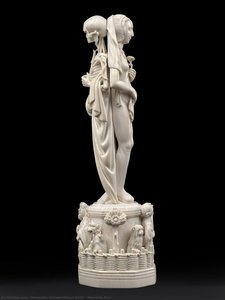
honorable homme chicart bailly
1533 , France
Osnovne informacije
- Artistic Movement Or Style: Renaissance Ivory Art
- Date Of Death: 1533
- Full Name: Honorable Homme Chicart Bailly
- Nationality: French
- Notable Artworks:
- Memento Mori Back
- Memento Mori Front
- Memento Mori
- Place Of Birth: Paris, France

