

 Pregledaj u prostoru
 Pošalji
 Podeli
 Detalji o delu

 Преузми
 Slični predmeti
 Rendgenski snimak
 Slajdovi
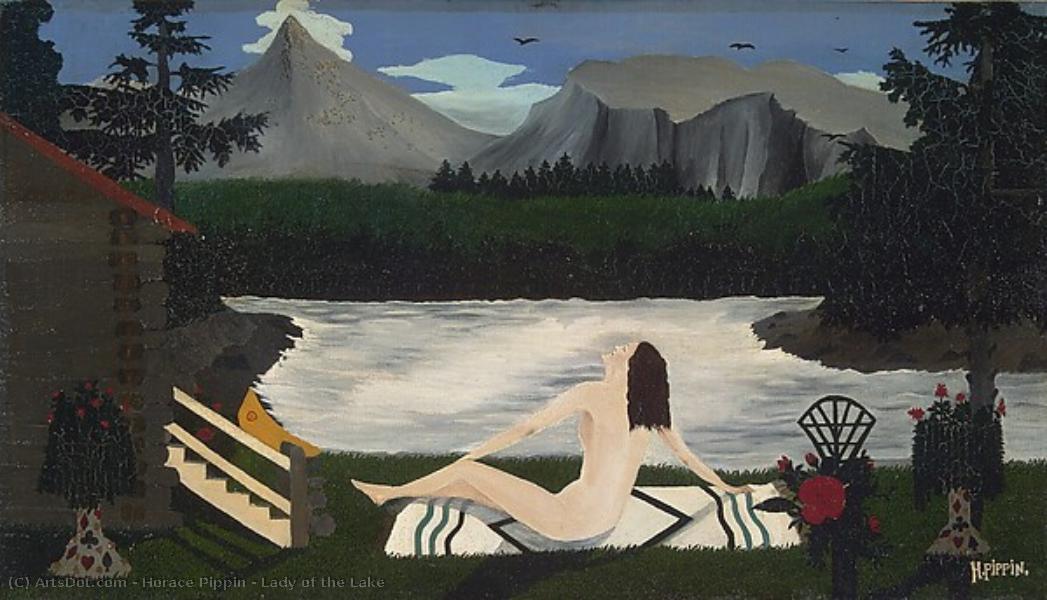
Lady of the Lake
 Oil On Canvas
- WallArt
- Folk Art
 1936
1936 52.0 x 91.0 cm
 Metropolitan Museum of Art
 Pročitaj više
Giclee štampa / Umetnički otisak
Giclée štampa ili print na platnu muzejskog kvaliteta uz brzu proizvodnju i fleksibilne opcije završne obrade. ( Kupi ručno naslikanu sliku Kupi digitalnu sliku)




P118B $10

P118H $10

P118W $10

P438Z $10

P508JH $12

P508YH $12

P805H $10

P805Z $10

P919BZ $10

P919G $10

P919XJ $10

P959ZH $10

P968JZ $12

W106C $8

W218G $10

W218JH $8

W218Y $10

W307PJ $10

W316G $10

W316PJ $8

W316Y $10

W398PJ $8

W4111J $10

W500HY $15

W500JH $15

W692G $12

W849H $8

W940BG $15

W953PJ $8




Izaberite jednu od naših unapred definisanih veličina koje odgovaraju originalnim proporcijama umetničkog dela.

Možete uneti sopstvene dimenzije kako biste umetničko delo prilagodili specifičnom okviru ili prostoru. Ako odabrani format ne odgovara proporcijama originalne slike, mi ćemo ili iscrtati deo dela ili proširiti sliku pomoću ogledane ivice ili jednobojnog popunjavanja. Digitalni prikaz će vam biti poslat na odobrenje pre početka proizvodnje.
Imajte na umu da pregled na ekranu ne odražava stvarno iscrtavanje ili proširivanje. Samo će prikaz (mockup) precizno pokazati finalnu kompoziciju.
Iako su prilagođene dimenzije dostupne, preporučujemo da odaberete dimenziju sa unapred definisane liste kako biste očuvali originalne proporcije.
Dostava širom sveta () za 2 nedelje umesto uobičajenih 4/5 nedelja. (22 август)

Besplatna ekspresna dostava širom sveta

Visokokvalitetno laneno platno

Kompletno osiguranje transporta

Garancija povraćaja carine i uvoznih dažbina

Garancija vernosti boja

Politika povrata u roku od 60 dana (samo u slučaju nedostataka)

Garancija povrata novca od 100%

Popust pri grupnoj kupovini
 Opcija sa staklom dostupna je samo za dimenzije manje od 110 cm

Lady of the Lake
Giclee štampa / Umetnički otisak
Dimenzije reprodukcije
-


Konačna cena
$ 62
Opis predmeta
Horace Pippin’s “Lady of the Lake”: A Folk Art Vision of Myth and Resilience
Horace Pippin's "Lady of the Lake," painted in 1936, is more than just a picturesque lakeside scene; it’s a profound meditation on identity, strength, and the enduring spirit of American folklore. Created during a period of significant social upheaval – the Great Depression and the burgeoning Civil Rights movement – Pippin's work reflects both the challenges he faced as a Black artist in a predominantly white art world and his deep connection to the traditions of his community.
The painting immediately draws the eye with its vibrant, almost childlike quality. It’s firmly rooted in the tradition of American folk art, characterized by bold outlines, simplified forms, and a deliberate lack of photographic realism. Pippin eschews meticulous detail in favor of expressive brushstrokes and a rich, layered color palette dominated by earthy greens, blues, and browns – colors that evoke the natural world and ground the scene in a tangible reality. The composition is remarkably balanced, with the central female figure—a sunbather reclining on the shore—anchoring the eye while the surrounding landscape unfolds organically.
A Mythic Figure Rooted in American Storytelling
The subject of “Lady of the Lake” isn’t simply a woman enjoying a day by the water; she embodies a potent blend of Arthurian legend and Appalachian storytelling. While Pippin himself resisted definitive interpretations, many scholars believe the figure is inspired by the Lady of the Lake from Tennyson's poem, but reimagined through a distinctly American lens. The log cabin nestled amongst the trees—a humble structure rendered with surprising detail—suggests a connection to rural life and a grounding in the traditions of the region. The inclusion of elements like a canoe, a rose trellis, and even a bricolage planter hints at resourcefulness and a deep understanding of the natural world – qualities that resonated strongly within Pippin’s own experience.
Furthermore, the figure's pose—relaxed yet contemplative—and her direct gaze toward the viewer create an immediate sense of intimacy. She isn’t passively observing; she is engaged, present, and radiating a quiet strength. This deliberate engagement with the viewer elevates the painting beyond a simple depiction of a lakeside scene, transforming it into a powerful symbol of resilience and self-possession.
Technique and the Legacy of Self-Taught Mastery
Pippin’s remarkable artistic journey is particularly compelling when viewed through the lens of his self-taught status. He began drawing as a young boy, honing his skills by sketching racehorses – a testament to his keen observational abilities and an early fascination with form and movement. “Lady of the Lake” showcases this innate talent brilliantly. The thick impasto technique—where paint is applied thickly to create texture and dimension—is particularly evident in the rendering of the foliage and the figure’s clothing, adding a tactile quality to the image.
Despite suffering a debilitating injury during World War I that threatened his ability to paint, Pippin persevered, continuing to develop his unique style. His determination is palpable in every brushstroke, reflecting not only his artistic skill but also an unwavering commitment to his craft. His work stands as a testament to the power of self-belief and the transformative potential of art.
Symbolism and Emotional Resonance
Beyond its aesthetic qualities, “Lady of the Lake” is rich in symbolic meaning. The lake itself represents purity, reflection, and the cyclical nature of life. The mountains symbolize strength, permanence, and a connection to something larger than oneself. The figure’s presence embodies hope, resilience, and the enduring spirit of the human condition. Pippin's ability to imbue such simple imagery with profound emotional depth is what truly elevates this painting to a level of lasting significance.
Today, “Lady of the Lake” remains a powerful reminder of Horace Pippin’s extraordinary artistic legacy – a testament to his vision, his determination, and his unique contribution to American art. Reproductions offer an accessible way to experience the beauty and depth of this remarkable work, bringing its message of strength and resilience into homes and spaces around the world.
Srodna umetnička dela





Biografija umetnika
Horace Pippin: A Voice Forged in War and Color
Horace Pippin (February 22, 1888 – July 6, 1946) remains a profoundly resonant figure in American art history—a testament to resilience, self-taught artistry, and the power of visual storytelling. Born in West Chester, Pennsylvania, into a family grappling with the legacy of slavery, Pippin’s journey from a young boy sketching racehorses to a celebrated painter is one of remarkable determination and artistic evolution. His work transcends mere representation; it embodies the spirit of his time, reflecting both the horrors of World War I and the burgeoning struggle for racial equality in America.
Pippin's early life was marked by hardship and limited formal education. Growing up in Goshen, New York, he largely taught himself to draw, fueled by a natural talent and an insatiable curiosity about the world around him. His family’s history—rooted in slavery and domestic service—shaped his perspective and informed the themes that would later dominate his art. Despite lacking traditional training, Pippin developed a distinctive style characterized by bold outlines, vibrant colors, and a remarkable ability to capture emotion and movement. This unique approach stemmed from an intuitive understanding of composition and color theory, honed through countless hours of observation and practice.
The Crucible of War: Painting the Reality of Combat
Horace Pippin’s artistic trajectory took a dramatic turn during World War I when he enlisted with the 369th Infantry Regiment—the Harlem Hellfighters—an all-Black unit that served with distinction in France. His experiences on the front lines, including being shot and severely wounded in his right shoulder, profoundly impacted his art. The injury, initially debilitating, became a catalyst for creativity; Pippin adapted to painting primarily with his left hand, developing an innovative technique of guiding the brush with his wrist—a testament to his unwavering spirit.
His war paintings are not romanticized depictions of heroism but stark and unflinching portrayals of combat. Works like “The End of the War: Starting Home” (1930-33) capture the chaos, exhaustion, and psychological toll of trench warfare with a raw honesty rarely seen in contemporary art. These pieces, imbued with a deep sense of empathy and understanding, stand as powerful indictments of war’s brutality and a poignant reflection on the experiences of Black soldiers fighting for their country.
Beyond the Battlefield: Exploring American Life
Following his return to America, Pippin continued to explore a diverse range of subjects in his art. While his wartime paintings remain central to his legacy, he also produced compelling depictions of African American family life, historical events, and biblical scenes. His work frequently addressed themes of social justice, particularly the lingering effects of slavery and racial segregation in the United States. “Giving Thanks” (1942), for example, offers a tender portrait of a Black family gathered around a table, celebrating a bountiful harvest—a powerful symbol of resilience and hope amidst adversity.
Pippin’s artistic vision extended beyond mere representation; he sought to capture the essence of his subjects – their emotions, their struggles, and their humanity. His use of color was particularly striking, employing bold hues and dynamic compositions to create visually arresting images that resonated deeply with viewers. He skillfully blended elements of folk art—characterized by simple forms and expressive brushwork—with a more sophisticated understanding of artistic technique.
Legacy and Recognition
Despite facing significant challenges as a self-taught Black artist in a predominantly white art world, Horace Pippin achieved considerable recognition during his lifetime. He was the first African American to be the subject of a full-length monograph, “Horace Pippin, A Negro Painter in America” (1947), by Selden Rodman—a landmark achievement that brought attention to his work and challenged prevailing racial biases within the art community. The New York Times famously hailed him as "the most important Negro painter" in American history.
Today, Pippin’s paintings are celebrated for their emotional depth, artistic innovation, and historical significance. His legacy continues to inspire artists and art enthusiasts alike, serving as a reminder of the transformative power of creativity and the importance of amplifying marginalized voices. His work can be found in prestigious collections such as the New Hope Museum of Art and is documented extensively online through platforms like ArtsDot.com, offering viewers a window into the life and artistry of this remarkable American painter.
Pippin’s story stands as an enduring testament to the human spirit—a celebration of resilience, creativity, and the unwavering pursuit of artistic expression in the face of adversity. His paintings remain powerful symbols of hope, justice, and the beauty found within the complexities of the American experience.
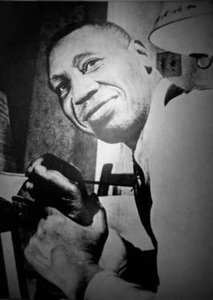
Horace Pippin
1888 - 1946 , United States of America
Osnovne informacije
- Artistic Movement Or Style: Folk art, self-taught
- Artists Or Movements Influenced By This Artist: ['American Folk Art']
- Artists Who Influenced This Artist: ['']
- Date Of Birth: Feb 22, 1888
- Date Of Death: July 6, 1946
- Full Name: Horace Pippin
- Nationality: American
- Notable Artworks:
- Lady of the Lake
- WWI Scenes
- Biblical subjects
- Place Of Birth: West Chester, USA
Povezani članci
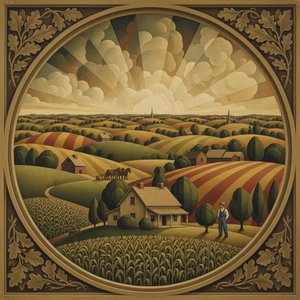
Grant Wood & American Regionalism: Identity, Myth & the Rural Landscape
Explore the world of Grant Wood & American Regionalism with ArtsDot. Discover the symbolism behind 'American Gothic', recurring themes, and the movement's lasting impact on art history. High-quality reproductions available.
Henry Ossawa Tanner: Pioneering African American Representation in 19th-Century Art
Explore the life and groundbreaking work of Henry Ossawa Tanner, a pioneering African American artist who achieved international acclaim with his deeply spiritual and realistic paintings. Discover his legacy at ArtsDot.

Edward Hicks’ ‘Peaceable Kingdom’: American Folk Art & the Shaping of a National Identity
Explore the profound symbolism & historical context of Edward Hicks’ ‘Peaceable Kingdom.’ Discover how this iconic American folk art masterpiece reflects Quaker values and shaped a nation's identity. Learn more at ArtsDot.

American Realism's Defining Works: 10 Masterpieces for Your Home
Explore 10 defining American Realism masterpieces – Hopper, Homer & more. Discover the stories behind these iconic paintings and bring timeless art to your home with ArtsDot's museum-quality reproductions. Explore the full collection online.
William H. Johnson: A Life Painted in Bold Strokes – Race, Identity & Modernism
Explore the powerful life & art of William H. Johnson – a pivotal American painter who captured African American experiences with bold expressionism and folk art style. Discover his legacy at ArtsDot.

