

 Pregledaj u prostoru
 Pošalji
 Podeli
 Detalji o delu

 Преузми
 Slični predmeti
 Rendgenski snimak
 Slajdovi
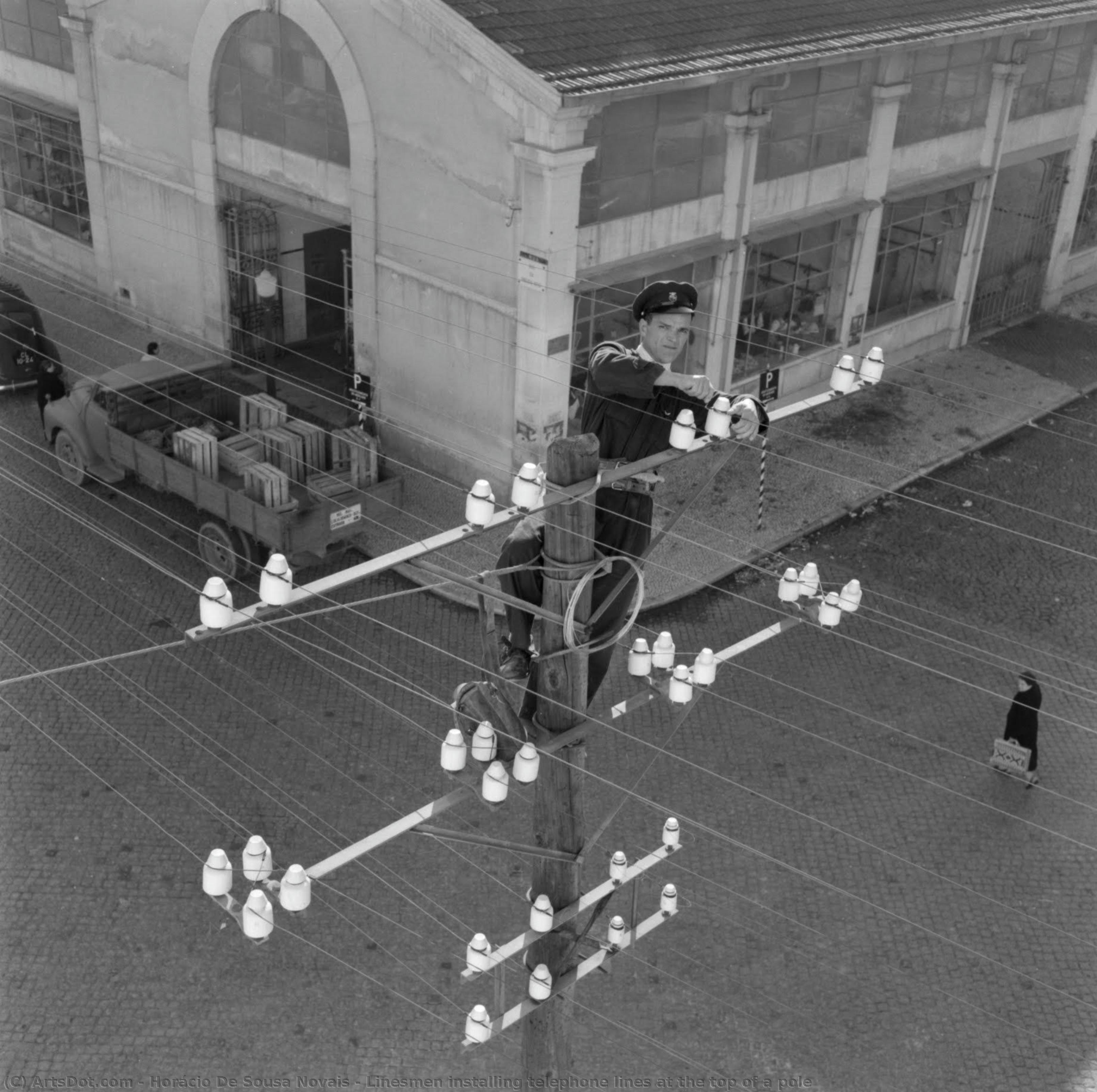
Linesmen installing telephone lines at the top of a pole


 Pročitaj više
Kupite digitalnu sliku visoke rezolucije i poboljšanog kvaliteta, koja je znatno superiornija od onoga što vidite u online prikazu.
Svaka datoteka je pedantno pripremljena od strane naših stručnjaka koristeći napredne alate i profesionalnu ručnu retušu. Osiguravamo da svaka slika ima izuzetnu oštrinu, preciznu reprodukciju boja i fine detalje.
Konačna datoteka se dostavlja putem e-pošte u roku od 72 sata, optimizovana za neposrednu upotrebu u profesionalnim, izdavačkim i štamparskim okruženjima. To je isti kvalitet kojem veruju vrhunski studiji dizajna, izdavači i galerije.
Digitalna slika
Preuzmite datoteku visoke rezolucije za ličnu upotrebu, štampanje i kreativne projekte. ( Kupi print Kupi ručno naslikanu sliku)
Uključeno uz svaku porudžbinu digitalne slike
Profesionalna digitalna isporuka, zagarantovana
Kada odaberete ArtsDot.com, ne dobijate samo sliku – vi primate profesionalno unapređeno digitalno umetničko delo, izrađeno sa najvećom preciznošću i uz garanciju zadovoljstva. Evo svega što automatski dolazi uz vašu porudžbinu:

Brza dostava putem e-pošte
Vaša digitalna slika visoke rezolucije biće vam poslata putem e-pošte u roku od 72 sata od poručivanja – spremna za trenutnu upotrebu.

Digitalna datoteka unapređena veštačkom inteligencijom
Vaše umetničko delo je profesionalno optimizovano korišćenjem naprednih AI alata i ručne obrade, čime se osiguravaju maksimalni detalji, oštrina i preciznost boja.

Besplatna ponovna isporuka doživotno
Slučajno ste obrisali ili izgubili svoju datoteku? Ne brinite – poslaćemo vam je ponovo u bilo kom trenutku, potpuno besplatno.

Bez troškova uvoza – zauvek
Uživajte u svojim umetničkim delima trenutno, bez carine, dažbina ili troškova dostave – digitalni download je uvek bez poreza.

Garancija vernosti boja
Uz pomoć profesionalnih alata i upravljanja bojama, osiguravamo da vaša digitalna slika što vernije odražava originalne boje.

Garancija zadovoljstva u roku od 60 dana
Ako niste zadovoljni svojom digitalnom slikom, revidirat ćemo je ili vratiti 100% novca u roku od 60 dana – bez ikakvih pitanja.

100% garancija povrata novca
Niste zadovoljni? Obezbedite pun povrat novca u roku od 60 dana od trenutka kada ste primili svoju digitalnu datoteku – bez suvišnih pitanja.

Popusti na velike porudžbine
Kupite 3 slike, uštedite 10% - Kupite 5 slika, uštedite 15% - Kupite 10+ slika, uštedite 20%. Odlično za kreativne projekte, galerije i agencije.
Srodna umetnička dela









Biografija umetnika
A Lens Through the Shadows: The Life and Legacy of Horácio de Sousa Novais
In the quiet, silver-toned echoes of mid-twentieth-century Portugal, few eyes captured the pulse of a nation quite like Horácio de Sousa Novais. Born in Lisbon in 1910, Novais did not merely observe history; he became its visual custodian. Growing up amidst the intellectual vibrancy of the Belle Époque, his artistic soul was nurtured by the very medium he would later master. His father, Júlio Novaes, a respected photographer, provided more than just a familial connection to the craft; he offered a lineage of visual storytelling that instilled in Horácio an early, profound fascination with light, shadow, and the frozen moment.
As Novais matured, his technical prowess began to merge with a burgeoning journalistic instinct. By 1932, he had established his own studio in the historic Alfama district of Lisbon—a neighborhood whose labyrinthine streets and ancient textures would become a recurring character in his photographic odyssey. It was here, amidst the salt air and cobblestones, that the foundation for his monumental career was laid, blending the intimacy of street photography with the rigorous demands of documentary truth.
Witness to an Era: The Photojournalist’s Duty
The true weight of Novais’s contribution lies in his role as a chronicler during the Estado Novo dictatorship. As a photographer for the newspaper O Século, he occupied a precarious yet vital position. His lens traversed the socio-political landscape of Portugal between 1926 and 1974, capturing the duality of an era defined by both rigid repression and quiet resilience. He moved through rallies, parades, and political speeches, documenting the grand spectacles of the state alongside the subtle, often overlooked, rhythms of everyday life under constant surveillance.
His work functioned as a vital visual narrative, providing an intimate glimpse into a reality that was often obscured by censorship. Through his camera, the tension of the streets and the gravity of political shifts were rendered tangible. He possessed a rare ability to find the human element within the monumental, ensuring that even in the most politically charged settings, the dignity of the individual remained at the forefront of the frame.
Beyond the News: Technical Mastery and Historical Significance
While much of his fame stems from his journalistic assignments, Novais’s work also reached into the realm of pure documentary reportage, where he explored the intersection of human labor and technological progress. A striking example of this can be seen in his documentation of the infrastructure connecting Lisbon to Sacavém. In his studies of the telephone lines being installed, he captured more than just utility; he documented the integration of modern technology into the Portuguese landscape, highlighting the meticulous work of linesmen as they wove new connections across the terrain.
The historical significance of Horácio de Sousa Novais cannot be overstated. His archive serves as an invaluable testimony to a vanished world, offering scholars and art historians a window into the socio-economic transformations of 20th-century Portugal. His legacy is defined by several key pillars:
- Documentary Integrity: An unwavering commitment to recording the authentic textures of Portuguese life during periods of intense political transition.
- Visual Narrative: The ability to transcend simple reportage, creating images that possess both journalistic value and profound artistic depth.
- Cultural Preservation: Providing a permanent visual record of the architectural, social, and technological evolution of Lisbon and its surrounding regions.
Today, as we look back through the silvered grain of his photographs, Novais remains a pioneer. He taught us that the camera is not merely a tool for recording facts, but a powerful instrument for preserving the soul of a nation, ensuring that the triumphs and tribulations of the past are never truly lost to time.
horácio de sousa novais
1910 - 1988 , Portugal
Kratke činjenice
- Artistic Movement Or Style: Photography
- Artists Who Influenced This Artist: ['Unknown Artist']
- Date Of Birth: 1910
- Date Of Death: 1988
- Full Name: Horácio de Sousa Novais
- Nationality: Portuguese
- Notable Artworks: ['Linesmen installing telephone lines at the top of a pole']
- Place Of Birth: Lisbon, Portugal

