

 Pregledaj u prostoru
 Pošalji
 Podeli
 Detalji o delu

 Преузми
 Slični predmeti
 Rendgenski snimak
 Slajdovi
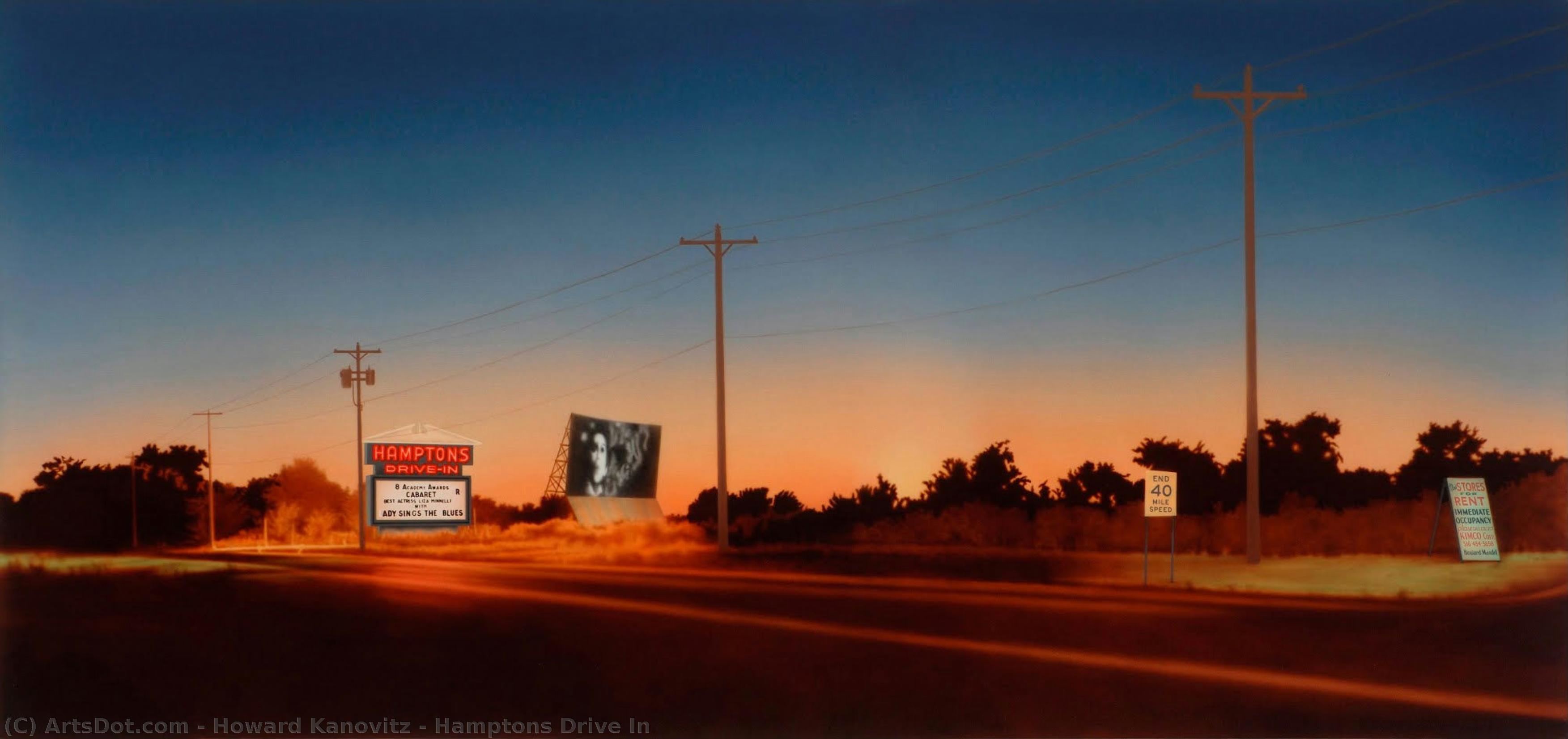
Hamptons Drive In


 Pročitaj više
Giclee štampa / Umetnički otisak
Giclée štampa ili print na platnu muzejskog kvaliteta uz brzu proizvodnju i fleksibilne opcije završne obrade. ( Kupi ručno naslikanu sliku Kupi digitalnu sliku)




































Izaberite jednu od naših unapred definisanih veličina koje odgovaraju originalnim proporcijama umetničkog dela.

Možete uneti sopstvene dimenzije kako biste umetničko delo prilagodili specifičnom okviru ili prostoru. Ako odabrani format ne odgovara proporcijama originalne slike, mi ćemo ili iscrtati deo dela ili proširiti sliku pomoću ogledane ivice ili jednobojnog popunjavanja. Digitalni prikaz će vam biti poslat na odobrenje pre početka proizvodnje.
Imajte na umu da pregled na ekranu ne odražava stvarno iscrtavanje ili proširivanje. Samo će prikaz (mockup) precizno pokazati finalnu kompoziciju.
Iako su prilagođene dimenzije dostupne, preporučujemo da odaberete dimenziju sa unapred definisane liste kako biste očuvali originalne proporcije.
Dostava širom sveta () za 2 nedelje umesto uobičajenih 4/5 nedelja. (7 септембар)

Besplatna ekspresna dostava širom sveta

Visokokvalitetno laneno platno

Kompletno osiguranje transporta

Garancija povraćaja carine i uvoznih dažbina

Garancija vernosti boja

Politika povraćaja u roku od 100 dana (isključivo u slučaju nedostataka)

Garancija povrata novca od 100%

Popust pri grupnoj kupovini
 Opcija sa staklom dostupna je samo za dimenzije manje od 110 cm

Hamptons Drive In
Giclee štampa / Umetnički otisak
Dimenzije reprodukcije
-


Konačna cena
$ 62
Srodna umetnička dela










Biografija umetnika
Howard Kanovitz: The Pioneer of Photorealism
Howard Kanovitz (February 9, 1929 – February 2, 2009) stands as a pivotal figure in the resurgence of photorealist and hyperrealist painting during the mid-1960s and 70s—a reaction against the dominant trend of abstract expressionism. Born in Fall River, Massachusetts, Kanovitz embarked on his artistic journey in 1949, honing his skills at Rhode Island School of Design and The Art Students League in Woodstock. He quickly established himself within the burgeoning downtown New York City abstract expressionist scene, showcasing his work at prestigious galleries like Tenth Street Galleries, Hansa and Stable Gallery annuals, where he debuted his first solo exhibition in 1962.- Early Influences: Kanovitz’s formative years were marked by exposure to the works of artists such as Franz Kline and Willem de Kooning, whose expressive brushstrokes profoundly impacted his stylistic development.
- The Birth of Photorealism: A transformative moment occurred in 1963—the death of his father—inspiring Kanovitz to contemplate memory and representation. This contemplation fueled his exploration of photographs as source material, a technique that would become central to his artistic practice.
The Rise of Photorealism & Documenta V
Kanovitz’s breakthrough arrived in 1966 with his solo exhibition at the Jewish Museum, which catapulted him into the spotlight as a champion of photorealism—a movement characterized by meticulous detail and an unwavering commitment to replicating reality with astonishing accuracy. This exhibition solidified Kanovitz's reputation as “the grandfather of photorealism,” despite Barbara Rose’s astute observation that his oeuvre transcended simplistic categorization. Notably, he was selected alongside Gerhard Richter, Sigmar Polke, Malcolm Morley and Franz Gertsch for Harald Szeemann’s groundbreaking international art exposition Documenta V in Kassel Germany—a landmark event that cemented the movement's significance within the broader artistic landscape.- Documenta V Collaboration: Kanovitz’s participation alongside fellow artists underscored the collective ambition to redefine artistic expression and challenge conventional notions of realism.
- Recognition & Critical Acclaim: Critics lauded Kanovitz’s technique—particularly his aerograph method—highlighting its ability to capture subtle nuances of light and texture, mirroring Sam Hunter's description as “producing an atmosphere of doubt rather than certitude.”
Technique & Artistic Vision
Kanovitz’s artistic approach extended beyond mere replication; he sought to imbue his paintings with conceptual depth. He experimented with diverse mediums—from abstract expressionism to computer imaging—demonstrating a tireless dedication to innovation and pushing the boundaries of visual representation. His work consistently interrogated the relationship between perception, memory, and meaning—a preoccupation evident in pieces like “Hamptons Drive In,” which exemplifies his meticulous attention to detail and masterful rendering of light.- Aerograph Technique: Kanovitz’s aerograph method involved layering translucent pigments onto a canvas, creating an ethereal effect that captured the essence of observed subjects.
- Conceptual Exploration: His paintings weren't simply representations of reality; they invited viewers to contemplate questions about experience and interpretation—a hallmark of his artistic vision.
Legacy & Influence
Howard Kanovitz’s influence on subsequent generations of artists remains considerable. He championed a radical reimagining of realism, arguing that it should encompass “realistic paintings for which the concept of realism is too narrow.” His unwavering pursuit of innovation and his profound engagement with philosophical ideas continue to inspire artists today. As Sam Hunter aptly summarized, Kanovitz’s work "challenged the very nature of the artistic experience," securing his place as a visionary artist who reshaped the trajectory of contemporary painting.Further Resources
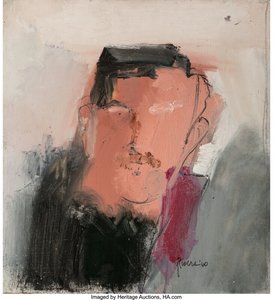
Howard Kanovitz
1929 - 2009 , United States of America
Osnovne informacije
- Artistic Movement Or Style: Photorealism & Hyperrealism
- Artists Or Movements Influenced By This Artist:
- Gerhard Richter
- Sigmar Polke
- Artists Who Influenced This Artist:
- Franz Kline
- Roland Barthes
- Date Of Birth: Feb 9, 1929
- Date Of Death: Feb 2, 2009
- Full Name: Howard Earl Kanovitz
- Nationality: American
- Notable Artworks: ['Hamptons Drive In']
- Place Of Birth: Fall River, United States