

 Pregledaj u prostoru
 Pošalji
 Podeli
 Detalji o delu

 Преузми
 Slični predmeti
 Rendgenski snimak
 Slajdovi
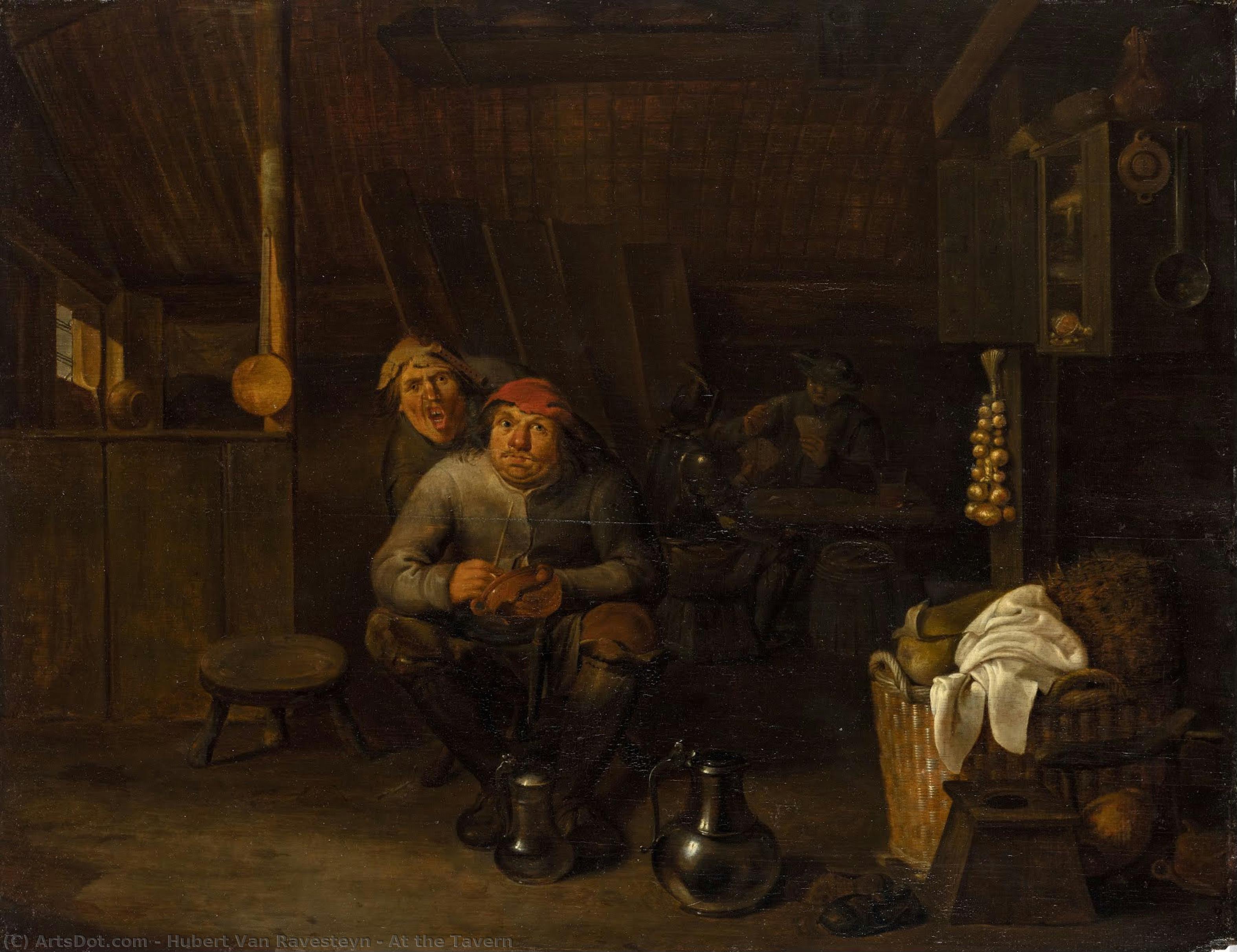
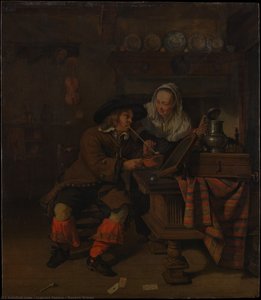
At the Tavern
 1600
1600 35.0 x 46.0 cm
 The Art Museum RIGA BOURSE
 Pročitaj više
Ručno rađena uljana reprodukcija
Ručno oslikano uljanim bojama na platnu u dimenzijama i okviru po vašem izboru, izrađeno po porudžbini od strane naših umetnika. ( Kupi print Kupi digitalnu sliku)




































Izaberite jednu od naših unapred definisanih veličina koje odgovaraju originalnim proporcijama umetničkog dela.

Можете унети сопствене димензије како бисте прилагодили дело одређеном оквиру или простору. Ако одабрана величина не одговара пропорцијама оригинала, слика ће бити исечена или проширена додатним елементима који се ручно насликавају. Дигитални prikaz ће вам бити послат на одобрење пре почетка производње.
Имајте на уму да преглед на екрану не одражава стварно исецање или проширење. Само приказ (mockup) ће тачно приказати коначну композицију.
Иако су доступне прилагођене величине, препоручујемо да одаберете димензију из дефинисане листе како бисте сачували оригиналне пропорције.
Nakon narudžbine, tim ArtsDot.com će klijentu putem e-pošte poslati uputstva i dostaviti prikaz predloženog rešenja
Isporuka širom sveta () za 3/4 nedelje umesto uobičajenih 5 nedelja. (23 август). Bez kompromisa po pitanju kvaliteta.

Besplatna ekspresna dostava širom sveta

Visokokvalitetno laneno platno

Kompletno osiguranje transporta

Garancija povraćaja carine i uvoznih dažbina

Garancija vernosti boja

Politika povrata u roku od 60 dana (samo u slučaju nedostataka)

Garancija povrata novca od 100%

Popust pri grupnoj kupovini
 Opcija sa staklom dostupna je samo za dimenzije manje od 110 cm

At the Tavern
Tehnika reprodukcije
Dimenzije reprodukcije
-


Konačna cena
$ 263
Srodna umetnička dela






Biografija umetnika
A Life Immersed in Dutch Stillness: Hubert van Ravesteyn
Hubert van Ravesteyn, born in Dordrecht in 1638 and passing away sometime between 1683 and 1691 in the same city, was a painter deeply rooted in the traditions of the Dutch Golden Age. His life, though not extensively documented, reveals a dedicated artist who quietly contributed to the flourishing genre of interior scenes and still lifes. The son of Herman van Ravesteyn, a decorative painter, Hubert likely received his initial artistic training within the family workshop, although the specifics remain unknown. In 1669, he married Catharina van Meurs in Papendrecht, establishing a domestic life that would produce eight children – a testament to a settled existence alongside his artistic pursuits. His career unfolded entirely within Dordrecht, suggesting a commitment to his local community and its artistic milieu.The Brownish Palette and Influential Echoes
Van Ravesteyn’s paintings are immediately recognizable by their distinctive brownish tonality, a characteristic that sets him apart while simultaneously connecting him to a broader network of 17th-century Dutch masters. He wasn't an innovator forging entirely new paths; rather, he was a skilled assimilator and interpreter of existing styles. The influence of Cornelis Saftleven is particularly evident in his work, with echoes of Saftleven’s rustic interiors and lively cattle scenes appearing throughout Van Ravesteyn’s oeuvre. However, the artist also drew inspiration from Hendrik Martenszoon Sorgh, known for his refined still lifes and genre paintings, and potentially Aelbert Cuyp, a Dordrecht native celebrated for his luminous landscapes and depictions of everyday life. Early works demonstrate a more vibrant palette, suggesting an initial exploration of color before settling into the signature subdued hues that define his mature style. This evolution points to a deliberate artistic choice – a preference for atmospheric depth and subtle realism over bright display.From Peasant Interiors to Elegant Still Lifes
Van Ravesteyn’s artistic journey can be traced through distinct phases, beginning with modest depictions of peasants engaged in daily activities. These early paintings gradually evolved into more complex barn scenes populated with animals and figures, showcasing a growing confidence in composition and narrative detail. However, it was his still lifes that ultimately became his defining achievement. From the 1660s onward, he focused almost exclusively on these intimate studies of objects – fruits, vegetables, smoking implements, porcelain vases, and drinking vessels arranged with meticulous care. These weren’t merely representations of material possessions; they were carefully constructed arrangements designed to evoke a sense of quiet luxury and contemplative beauty. He often repeated compositions with slight variations, demonstrating a focus on perfecting specific motifs and exploring subtle differences in light and texture.A Master of Texture and Atmospheric Light
Van Ravesteyn possessed an exceptional ability to render textures – the smooth sheen of porcelain, the rough surface of walnut shells, the delicate translucence of glass. His paintings are characterized by a remarkable attention to detail, capturing the nuances of everyday objects with astonishing precision. Crucially, he understood the power of light and shadow to create atmosphere and depth. Compositions were typically arranged against dark, neutral backgrounds, allowing the carefully illuminated objects to emerge from the darkness with striking clarity. This use of *chiaroscuro* – the dramatic contrast between light and dark – imbues his still lifes with a sense of quiet drama and contemplative stillness. He excelled in rendering details like Delftware jugs and marbled tabletops, adding layers of visual interest and sophistication to his work.Legacy and Historical Significance
While not as widely celebrated as some of his contemporaries, Hubert van Ravesteyn occupies an important place within the Dutch Golden Age tradition of still life painting. His modest *oeuvre* – recent research suggests around twenty attributed works – reflects a dedication to observational realism and atmospheric subtlety. He signed his canvases with connected initials “HR,” leaving behind a body of work that offers a glimpse into the everyday opulence of mid-17th-century Dutch life. His paintings, often vertical in format measuring 40–70 cm in height, celebrated simple luxuries – food, drink, and refined objects – contributing to a rich tradition of genre painting that continues to captivate audiences today. He was not an artist who sought radical innovation; instead, he perfected the art of capturing beauty in the mundane, leaving behind a legacy of intimate, observational works that speak to the enduring power of quiet contemplation.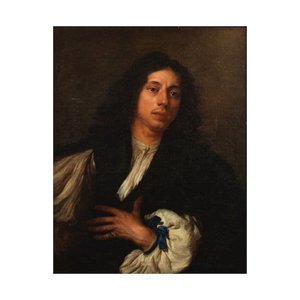
hubert van ravesteyn
1640 - 1687 , Netherlands
Osnovne informacije
- Artistic Movement Or Style: Baroque Interiors
- Artists Who Influenced This Artist:
- Cornelis Saftleven
- Hendrik Sorgh
- Date Of Birth: 1638
- Date Of Death: 1687
- Full Name: Hubert van Ravesteyn
- Nationality: Dutch
- Notable Artworks:
- Still-Life
- Still-Life with Porcelain Vase
- Place Of Birth: Dordrecht, Netherlands

