

 Pregledaj u prostoru
 Pošalji
 Podeli
 Detalji o delu

 Преузми
 Slični predmeti
 Rendgenski snimak
 Slajdovi
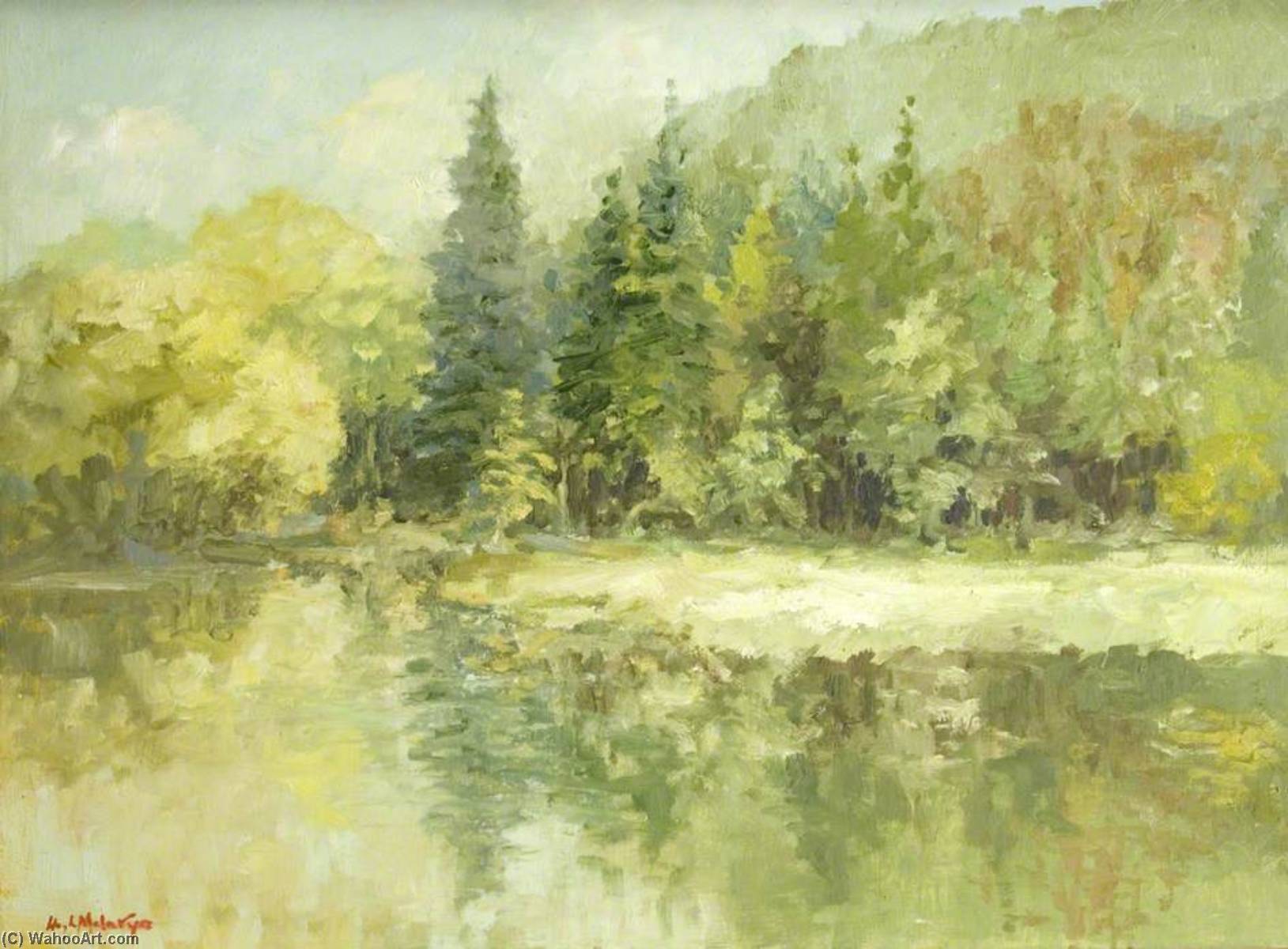
River Nith above Friars' Carse
 58.0 x 79.0 cm
 Dumfries And Galloway Royal Infirmary
 Pročitaj više
Ručno rađena uljana reprodukcija
Ručno oslikano uljanim bojama na platnu u dimenzijama i okviru po vašem izboru, izrađeno po porudžbini od strane naših umetnika. ( Kupi print Kupi digitalnu sliku)




































Izaberite jednu od naših unapred definisanih veličina koje odgovaraju originalnim proporcijama umetničkog dela.

Можете унети сопствене димензије како бисте прилагодили дело одређеном оквиру или простору. Ако одабрана величина не одговара пропорцијама оригинала, слика ће бити исечена или проширена додатним елементима који се ручно насликавају. Дигитални prikaz ће вам бити послат на одобрење пре почетка производње.
Имајте на уму да преглед на екрану не одражава стварно исецање или проширење. Само приказ (mockup) ће тачно приказати коначну композицију.
Иако су доступне прилагођене величине, препоручујемо да одаберете димензију из дефинисане листе како бисте сачували оригиналне пропорције.
Nakon narudžbine, tim ArtsDot.com će klijentu putem e-pošte poslati uputstva i dostaviti prikaz predloženog rešenja
Isporuka širom sveta () za 3/4 nedelje umesto uobičajenih 5 nedelja. (27 август). Bez kompromisa po pitanju kvaliteta.

Besplatna ekspresna dostava širom sveta

Visokokvalitetno laneno platno

Kompletno osiguranje transporta

Garancija povraćaja carine i uvoznih dažbina

Garancija vernosti boja

Politika povrata u roku od 60 dana (samo u slučaju nedostataka)

Garancija povrata novca od 100%

Popust pri grupnoj kupovini
 Opcija sa staklom dostupna je samo za dimenzije manje od 110 cm

River Nith above Friars' Carse
Tehnika reprodukcije
Dimenzije reprodukcije
-


Konačna cena
$ 263
Srodna umetnička dela
Biografija umetnika
The Luminous Landscapes of Hugh McNeil McIntyre
In the delicate interplay between light and shadow, one finds the very soul of British watercolor painting through the eyes of Hugh McNeil McIntyre. Born in Oxford in 1943, McIntyre has dedicated his life to a profound exploration of the natural world, specifically capturing the atmospheric nuances of rural Scotland and the sun-drenched vistas of Provence. His journey as an artist is not merely one of technical mastery but of a deep, spiritual connection to the landscapes he inhabits. Through his work, the viewer is invited to experience the quiet stillness of a Scottish evening or the vibrant, warm energy of the Mediterranean, all rendered with a sensitivity that transcends simple representation.
McIntyre’s artistic foundation was laid during his formative years at St Hugh’s College, where he immersed himself in intensive studio practice. It was here that he developed an unwavering devotion to watercolor, a medium chosen for its unique ability to capture the ephemeral qualities of light and moisture. This early training instilled in him a respect for the transparency and fluidity of the medium, allowing him to layer colors in a way that mimics the natural diffusion of sunlight through mist or sea spray. His education provided more than just technical skill; it fostered an observational discipline that would become the cornerstone of his entire oeuvre.
A Symphony of Impressionism and Texture
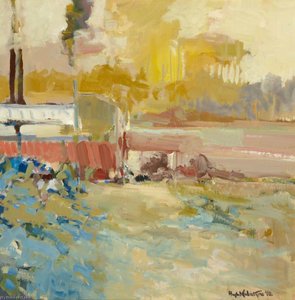
While many artists seek to replicate reality, McIntyre seeks to capture its essence. His style is deeply rooted in Impressionism, yet he moves beyond mere imitation by integrating a tactile, physical dimension into his work. He possesses a remarkable ability to analyze how light transforms a surface, using loose and expressive brushstrokes to build up tonal variations that breathe life into his subjects. A defining characteristic of his technique is the use of impasto—the thick application of paint—which introduces a sculptural quality to his landscapes. This creates a fascinating tension between the delicate transparency of watercolor and the rugged, physical presence of the earth itself.
This mastery of texture allows him to convey the materiality of his subjects, whether it be the weathered stone of a Scottish farm building or the soft, undulating hills of the Galloway coast. His paintings are not just visual experiences but sensory ones; one can almost feel the dampness of the Highland air or the warmth of the Provençal sun through the rhythmic layering of pigment. By blending these contrasting techniques, McIntyre achieves a profound sense of atmosphere that resonates with both emotional depth and physical reality.
Legacy and the Essence of Place
The significance of McIntyre’s work lies in his ability to act as a chronicler of place. His series of paintings depicting iconic Scottish locations, such as Fort William and Lochrutton, serve as evocative tributes to the rugged beauty of his homeland. In works like "Evening, Lochrutton," he captures a sense of tranquil abstraction, where the landscape dissolves into a mood of quiet contemplation. Similarly, his depictions of the Galloway Shore and the Upper Cairn demonstrate his skill in navigating complex coastal and rural terrains, finding beauty in the most subtle shifts of color and light.
Throughout his prolific career, McIntyre has remained a steadfast observer of nature’s rhythms. His achievements are found not in grand gestures, but in the quiet success of capturing a fleeting moment—a sunset over a loch or the way shadows stretch across a field at dusk. As an artist, he occupies a vital space in the tradition of British landscape painting, bridging the gap between classical observation and modern expressive technique. His work continues to inspire collectors and art lovers alike, offering a timeless window into the enduring beauty of the natural world.
hugh mcneil mcintyre
1943 -
Osnovne informacije
- Artistic Movement Or Style: Impressionism
- Artists Or Movements Influenced By This Artist: ['Scottish Impressionism']
- Artists Who Influenced This Artist:
- Claude Monet
- Vincent van Gogh
- Date Of Birth: 1943
- Full Name: Hugh McNeil McIntyre
- Nationality: British
- Notable Artworks:
- Sunset, Fort William
- Evening, Lochrutton
- Place Of Birth: Glasgow, Scotland

