

 Pošalji
 Podeli
 Detalji o delu

 Преузми
 Slični predmeti
 Slajdovi
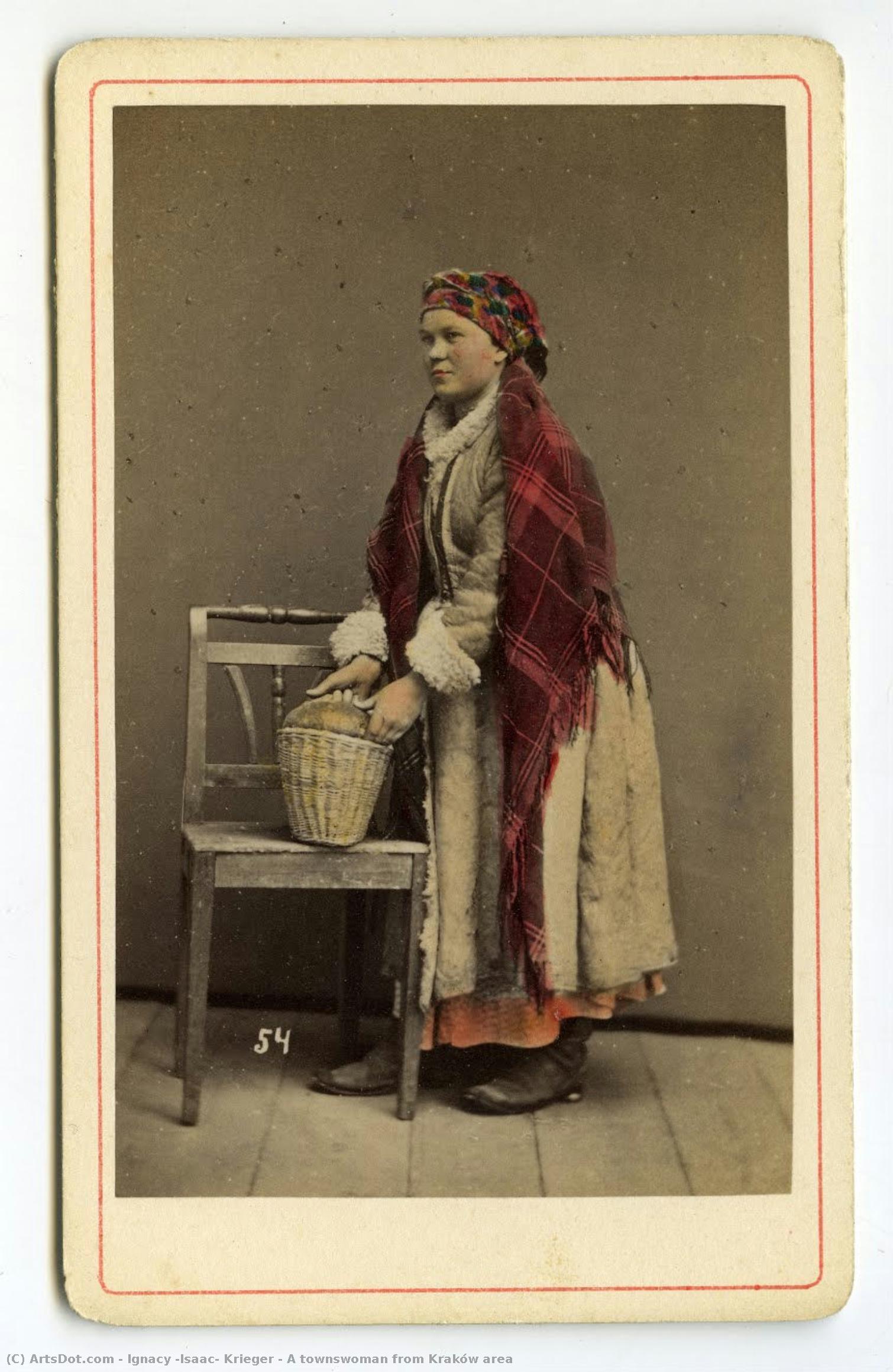
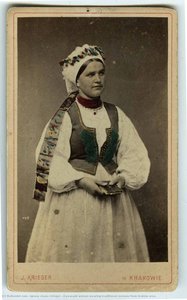
A townswoman from Kraków area
 Black and White Photography
- Photo
 1889
1889- 19th Century
 6.0 x 10.0 cm
 The State Ethnographic Museum in Warsaw
 Pročitaj više
Giclee štampa / Umetnički otisak
Giclée štampa ili print na platnu muzejskog kvaliteta uz brzu proizvodnju i fleksibilne opcije završne obrade. ( Kupi ručno naslikanu sliku Kupi digitalnu sliku)




































Izaberite jednu od naših unapred definisanih veličina koje odgovaraju originalnim proporcijama umetničkog dela.

Možete uneti sopstvene dimenzije kako biste umetničko delo prilagodili specifičnom okviru ili prostoru. Ako odabrani format ne odgovara proporcijama originalne slike, mi ćemo ili iscrtati deo dela ili proširiti sliku pomoću ogledane ivice ili jednobojnog popunjavanja. Digitalni prikaz će vam biti poslat na odobrenje pre početka proizvodnje.
Imajte na umu da pregled na ekranu ne odražava stvarno iscrtavanje ili proširivanje. Samo će prikaz (mockup) precizno pokazati finalnu kompoziciju.
Iako su prilagođene dimenzije dostupne, preporučujemo da odaberete dimenziju sa unapred definisane liste kako biste očuvali originalne proporcije.
Dostava širom sveta () za 2 nedelje umesto uobičajenih 4/5 nedelja. (31 август)

Besplatna ekspresna dostava širom sveta

Visokokvalitetno laneno platno

Kompletno osiguranje transporta

Garancija povraćaja carine i uvoznih dažbina

Garancija vernosti boja

Politika povrata u roku od 60 dana (samo u slučaju nedostataka)

Garancija povrata novca od 100%

Popust pri grupnoj kupovini
 Opcija sa staklom dostupna je samo za dimenzije manje od 110 cm

A townswoman from Kraków area
Giclee štampa / Umetnički otisak
Dimenzije reprodukcije
-


Konačna cena
$ 62
A Glimpse into the Soul of Kraków
In this evocative monochrome photograph from 1889, we are transported back to the late nineteenth century, standing alongside a townswoman from the Kraków area. The image, captured by the pioneering Polish photographer Ignacy (Isaac) Krieger, serves as more than just a visual record; it is a poignant window into a bygone era of Polish heritage. The subject stands with a quiet, dignified presence next to a chair adorned with a wicker basket, her form anchored in a composition that feels both intimate and timeless. A subtle splash of color—the memory of a red scarf around her neck—is suggested even through the silver tones of the medium, adding a layer of warmth to the stark, beautiful contrast of the black and white print.
The photograph captures a moment of stillness amidst the movement of life. While the woman remains the central focus, the presence of figures in the background hints at the bustling social fabric of the Kraków region during this period. The chair, occupying a significant portion of the lower frame, acts as a structural element that grounds the composition, leading the eye from the textured wicker to the soft features of the subject. This careful arrangement creates a sense of depth and narrative, inviting the viewer to wonder about the woman's story, her daily labors, and the world she inhabited.
The Mastery of Ignacy Krieger
To appreciate this work is to appreciate the technical prowess of Ignacy Krieger, a true visionary of early Polish photography. Establishing his studio in Kraków in 1860, Krieger was instrumental in elevating photography from a mere scientific curiosity to a respected art form. His ability to manipulate light and shadow allowed him to capture not just faces, but characters. In this specific piece, the delicate interplay of light on the textures of the wicker basket and the fabric of the woman's clothing demonstrates his mastery over the photographic medium of his time.
Krieger’s work is characterized by an extraordinary attention to detail, a skill he also applied to his famous medallions and architectural studies. In this portrait, that precision allows us to feel the tactile reality of the scene. For collectors and lovers of historical art, this photograph represents a rare intersection of documentary importance and aesthetic beauty. It is a piece that carries the weight of history, preserved through the lens of a man who sought to immortalize the essence of Kraków’s inhabitants and its enduring monuments.
An Elegant Addition to Modern Interiors
For the discerning interior designer or art collector, a high-quality reproduction of this photograph offers a sophisticated way to introduce historical depth into a contemporary space. The monochromatic palette is inherently versatile, blending seamlessly with minimalist, industrial, or classic decor styles. It serves as a conversation piece that evokes nostalgia and intellectual curiosity, providing a sense of "soul" to a room that modern mass-produced art often lacks.
Displaying this work in a curated gallery wall or as a standalone focal point can transform an atmosphere, lending an air of academic elegance and cultural richness. It is an ideal choice for those who seek to surround themselves with pieces that tell a story—art that does not merely decorate a wall but invites the viewer to step through time and connect with the enduring spirit of Poland's artistic legacy.
Srodna umetnička dela
Biografija umetnika
a pioneer in polish photography
ignacy (isaac) krieger, a polish photographer, left an indelible mark on the world of photography. born in wadowice, poland, between 1817 or 1820, krieger's life is a testament to his innovative spirit and artistic vision.early life and photographic studio
krieger established his photographic studio in kraków in 1860, a period that saw the burgeoning of photography as an art form. this move not only positioned him at the forefront of the polish photography scene but also allowed him to capture the essence of kraków and its monuments.photographic contributions
- portraits: krieger's portraits are a window into the lives of kraków's inhabitants, offering a glimpse of their stories and emotions.
- medallions: his medallion photography showcases his technical prowess, capturing intricate details with precision.
- landscape views and photos of buildings: krieger's landscape and architectural photography highlights his ability to balance aesthetics with documentary intent.
technique and legacy
initially, krieger employed the collodion technique, later transitioning to bromo-gelatin after the mid-1880s. this adaptability not only reflects his dedication to his craft but also underscores his influence on the evolution of photography in poland. notable works:- the last judgment (triptych) by hans memling, a masterpiece that, although not directly attributed to krieger, showcases the photographic and artistic landscape of his time. /en/art/show/the-last-judgment/ last judgment (triptych) on ArtsDot.com)
- discovering the masterpieces of muzeum narodowe poland, a collection that, while not exclusively krieger's, offers a broader context to his photographic contributions. [https://ArtsDot.com/@@/d3ap6t](muzeum narodowe poland on ArtsDot.com)
conclusion
ignacy (isaac) krieger's legacy is a blend of artistic expression and technical innovation, making him a pivotal figure in polish photography. his work, though rooted in the 19th century, continues to inspire photographers and artists alike, offering a unique perspective on the city of kraków and its people.- view krieger's photographic studio in kraków through the lens of his contemporaries: [https://ArtsDot.com/@/ignacy-(isaac)-krieger](ignacy (isaac) krieger on ArtsDot.com)
- explore more about muzeum narodowe poland and its significance in polish art history: [https://ArtsDot.com/@@/d3ap6t](muzeum narodowe poland on ArtsDot.com)
ignacy (isaac) krieger
1817 - 1889 , Poland
Osnovne informacije
- Artistic Movement Or Style: Photography pioneer
- Artists Or Movements Influenced By This Artist: ['Photography evolution']
- Artists Who Influenced This Artist: ['']
- Date Of Birth: 1817-1820 (approx.)
- Date Of Death: 1889
- Full Name: Ignacy (Isaac) Krieger
- Nationality: Polish
- Notable Artworks:
- The Last Judgment (Triptych)
- Old Town Hall in Kazimierz
- Men wearing traditional costumes
- Place Of Birth: Wadowice, Poland
Povezani članci

White on Canvas: 10 Masterpieces & Timeless Elegance for Your Home Decor
Explore 10 iconic white paintings by Monet, Whistler & Rothko! Discover the stories behind these serene masterpieces and their impact on art history. Find museum-quality reproductions for your home decor at .

Dark Masterpieces: 10 Iconic Paintings Dominated by Black Tones |
Explore 10 iconic paintings dominated by black tones, from Rembrandt’s chiaroscuro to Goya's dark expressions. Discover the stories behind these masterpieces & find museum-quality art reproductions for your home at .

Monochrome Visions: Exploring the Aesthetic & Historical Significance of Black & White Photography
Explore the rich history & artistic power of black and white photography. From early techniques to iconic masters like Ansel Adams, discover why monochrome continues to captivate art lovers today. Expert insights for collectors.
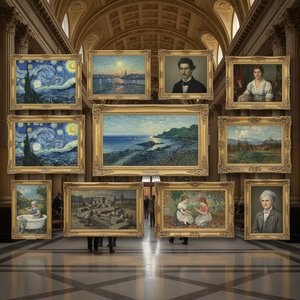
19th Century Masterpieces: 10 Paintings That Defined an Era | ArtsDot
Journey through 19th century art with ArtsDot! Explore 10 iconic paintings – from Monet & Renoir to Courbet – and discover the stories behind Romanticism, Realism & Impressionism. Find museum-quality reproductions for your home decor. Explore the full collection online!
Monohromatska Elegancija: Vaša Fotografija Kao Klasicno Umecnicko Delo
Pretvorite Vase Fotografije u Klasicna Umecnicka Dela! ArtsDot nudi rucno oslikane reprodukcije i personalizovane portrete vrhunskog kvaliteta. Izaberite stil, dimenziju i okvir – Vaša porodicna istorija zasluzuje umetnicki izraz.

