 Pregledaj u prostoru
 Pošalji
 Podeli
 Detalji o delu

 Преузми
 Slični predmeti
 Rendgenski snimak
 Slajdovi
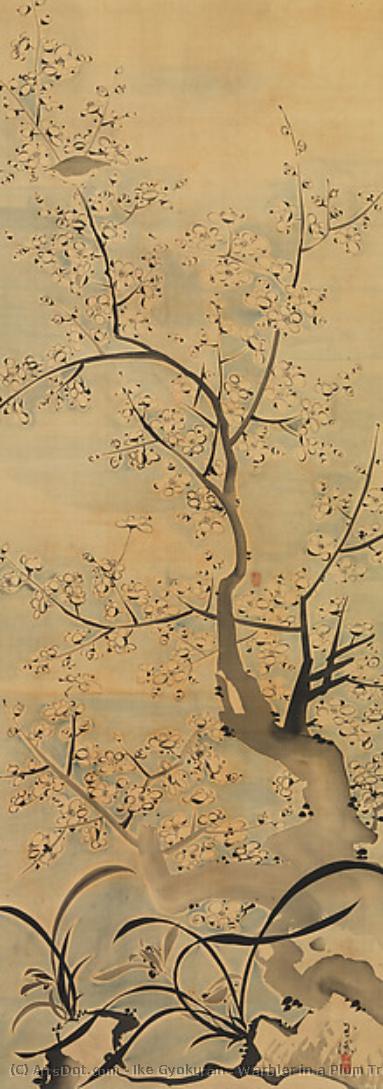
Warbler in a Plum Tree
 701
701 122.0cm x 43.0cm
 Pročitaj više
Ručno rađena uljana reprodukcija
Ručno oslikano uljanim bojama na platnu u dimenzijama i okviru po vašem izboru, izrađeno po porudžbini od strane naših umetnika. ( Kupi print Kupi digitalnu sliku)




































Izaberite jednu od naših unapred definisanih veličina koje odgovaraju originalnim proporcijama umetničkog dela.

Можете унети сопствене димензије како бисте прилагодили дело одређеном оквиру или простору. Ако одабрана величина не одговара пропорцијама оригинала, слика ће бити исечена или проширена додатним елементима који се ручно насликавају. Дигитални prikaz ће вам бити послат на одобрење пре почетка производње.
Имајте на уму да преглед на екрану не одражава стварно исецање или проширење. Само приказ (mockup) ће тачно приказати коначну композицију.
Иако су доступне прилагођене величине, препоручујемо да одаберете димензију из дефинисане листе како бисте сачували оригиналне пропорције.
Nakon narudžbine, tim ArtsDot.com će klijentu putem e-pošte poslati uputstva i dostaviti prikaz predloženog rešenja
Isporuka širom sveta () za 3/4 nedelje umesto uobičajenih 5 nedelja. (6 септембар). Bez kompromisa po pitanju kvaliteta.

Besplatna ekspresna dostava širom sveta

Visokokvalitetno laneno platno

Kompletno osiguranje transporta

Garancija povraćaja carine i uvoznih dažbina

Garancija vernosti boja

Politika povrata u roku od 100 dana (samo u slučaju nedostataka)

Garancija povrata novca od 100%

Popust pri grupnoj kupovini
 Opcija sa staklom dostupna je samo za dimenzije manje od 110 cm

Warbler in a Plum Tree
Tehnika reprodukcije
Dimenzije reprodukcije
-


Konačna cena
$ 263
Srodna umetnička dela





Biografija umetnika
The Enigmatic World of Ike Gyokuran: A Modern Master of Japanese Ink Painting
Ike Gyokuran, a contemporary figure in the world of *sumi-e* (ink painting), stands as a compelling testament to the enduring power and evolving nature of traditional Japanese art. Born in Japan in 1938, Gyokuran has dedicated his life to mastering and subtly reimagining the techniques passed down through centuries, yet remains an elusive figure, preferring to let his artwork speak for itself rather than engage extensively with public biography. This very reticence adds a layer of mystique to his creations, inviting viewers into a deeply personal and contemplative space. While biographical details remain sparse, the impact of his work is anything but understated; Gyokuran has become recognized as one of Japan’s foremost ink painters, bridging the gap between historical precedent and contemporary artistic expression.A Legacy Rooted in Tradition
Gyokuran's artistic journey began with a rigorous grounding in classical Japanese painting styles. He studied under several prominent masters, absorbing not only technical proficiency but also the philosophical underpinnings of *sumi-e*. This tradition emphasizes capturing the essence of nature – its spirit, rather than merely its appearance – through minimalist brushstrokes and carefully considered compositions. The influence of Sesshū Tōyō, a 15th-century Zen Buddhist monk and painter renowned for his dramatic landscapes and expressive use of ink washes, is particularly evident in Gyokuran’s early works. He also draws inspiration from the literati painting tradition (*bunjinga*), which valued intellectual pursuits alongside artistic skill, often incorporating poetry and calligraphy into paintings. However, Gyokuran isn't simply a replicator of past styles; he uses these foundations as a springboard for his own unique vision.The Language of Ink: Technique and Symbolism
Gyokuran’s mastery lies in his profound understanding of ink – its varying densities, textures, and the subtle nuances achievable through brush control. He employs a range of techniques, from bold, sweeping strokes to delicate washes, often within the same composition. This creates a dynamic interplay between light and shadow, suggesting depth and atmosphere with remarkable economy. His subjects are typically drawn from nature: bamboo groves, plum blossoms, birds in flight, and landscapes shrouded in mist. These aren’t merely depictions of natural forms; they function as symbolic representations of deeper philosophical concepts.- Bamboo, for instance, often embodies resilience, integrity, and perseverance.
- Plum blossoms, blooming in the winter cold, symbolize courage and hope amidst adversity.
- Birds frequently represent freedom, spiritual aspiration, or the fleeting nature of existence.