Pregledaj u prostoru
 Kupi print
 Pošalji
 Podeli


 Преузми
 Slični predmeti
 Rendgenski snimak
 Slajdovi
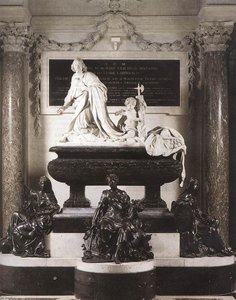
Funeral Monument of Mazarin


Antuan Kojsevoks (1640 – 1720)
Antuan Kojsevoks (1640-1720) bio je vodeći francuski barokni vajar poznat po portretima i dekorativnim delima u Versaju i Marliju. Istražite bustove Luja XIV, alegorijske statue i grobnice koji otelotvoruju veličinu stila.
Louvre (Paris, France)
Otkrijte bezvremenske remek-dela Louvra! Putujte kroz istoriju umetnosti od drevnog Egipta do renesansnih ikona – Mona Liza, Venere Miloska i još mnogo toga. Pariško kulturno blago čeka na vas! A) Kraljevskom dvorcem isključivo za Luja XIV. B Prema datom tekstu, šta je bila prvobitna svrha palate Louvre?
The Grand Vision of Louis XIV: A Monumental Portrait of Faith
Antoine Coysevox’s Funeral Monument of Mazarin stands as an emblem of the Baroque era's obsession with grandeur and idealized representation—a testament to Louis XIV’s unwavering belief in art’s capacity to elevate monarchy and solidify its legacy. Executed in 1692, this monumental sculpture transcends mere commemoration; it embodies a profound philosophical statement about mortality and divine grace.
A Synthesis of Classical Ideals and Baroque Dynamism
Coysevox skillfully blended classical influences—particularly Roman sculptural traditions—with the dynamism characteristic of Baroque art. The monument’s composition reflects this duality, utilizing carefully calibrated proportions and meticulous anatomical detail to convey both intellectual rigor and emotional intensity. Unlike Italian funerary monuments which often prioritized dramatic pathos, Coysevox opted for a restrained elegance that nonetheless communicated deep reverence.
Technical Mastery: Marble and Bronze – A Dialogue of Materials
The sculpture’s remarkable quality stems from the masterful manipulation of two distinct materials—marble and bronze. The central figure of Mazarin is sculpted from Carrara marble, renowned for its purity and luminosity, reflecting the idealization prevalent in Baroque art. Supporting him are four bronze figures representing the virtues: Prudence, Justice, Fidelity and Temperance – a deliberate choice that underscores Mazarin’s moral authority and spiritual fortitude.
Symbolism Embedded in Every Detail
Every element of the monument is laden with symbolic significance. The draped shroud enveloping Mazarin symbolizes death but also signifies divine compassion—a reminder of humanity's vulnerability before God’s judgment. Above Mazarin’s head, an inscription proclaims “DIEVS DIT MESSIRE JACQUES MAZARIN CARDINAL ET ARCHIÉVÊQUE DE ROME,” reaffirming his ecclesiastical rank and highlighting the sacred dimension of his life and death.
A Legacy of Artistic Excellence – Reflections on Coysevox’s Genius
Antoine Coysevox's Funeral Monument of Mazarin remains a cornerstone of Baroque sculpture, demonstrating unparalleled technical skill and artistic vision. Its enduring appeal lies in its ability to capture not only the likeness of Cardinal Mazarin but also the essence of his character—a figure revered for his piety, intellect, and unwavering devotion to the Catholic faith. Today, housed within the Louvre Museum, it continues to inspire awe and admiration as a masterpiece of European art history.
Additional Research Links
O ovom umetničkom delu
- Naslov: Funeral Monument of Mazarin
- Umetnik: Antuan Kojsevoks
- Godina: 1692
- Format: Portrait
- Status autorskih prava: Javno vlasništvo
- Mesto izlaganja: Louvre
- Pokret: Baroque Classicism
- Tehnika izrade: WallArt
- Kreativni period: Mature Baroque
- Ključne reči: french renaissance , french baroque art , marble sculpture detail
Osnovne informacije
- Location: Musée du Louvre, Paris
- Influences:
- Nicolas Frémiet
- Jean-Baptiste Tourte
- Artist: Antoine Coysevox
- Medium: Marble
- Artistic style: Louis XIV Style
- Movement: Baroque
- Subject or theme: Religious commemoration
QR kod