

 Pregledaj u prostoru
 Pređi na štampu
 Pošalji
 Podeli


 Преузми
 Slični predmeti
 Rendgenski snimak
 Slajdovi
 Statistika
in the salon of the rue des moulins


A Night in Montmartre: “In the Salon of the Rue des Moulins”
Toulouse-Lautrec’s “In the Salon of the Rue des Moulins,” painted in 1894, is more than a simple depiction of a Parisian gathering; it's a vibrant snapshot of a rapidly changing era. The scene unfolds within a dimly lit salon, capturing the intoxicating atmosphere of Montmartre – a district teeming with artists, performers, and the marginalized figures that captivated the artist’s eye. This painting offers a rare glimpse into the bohemian lifestyle, a world of fleeting encounters, passionate conversations, and the raw energy of artistic pursuit.
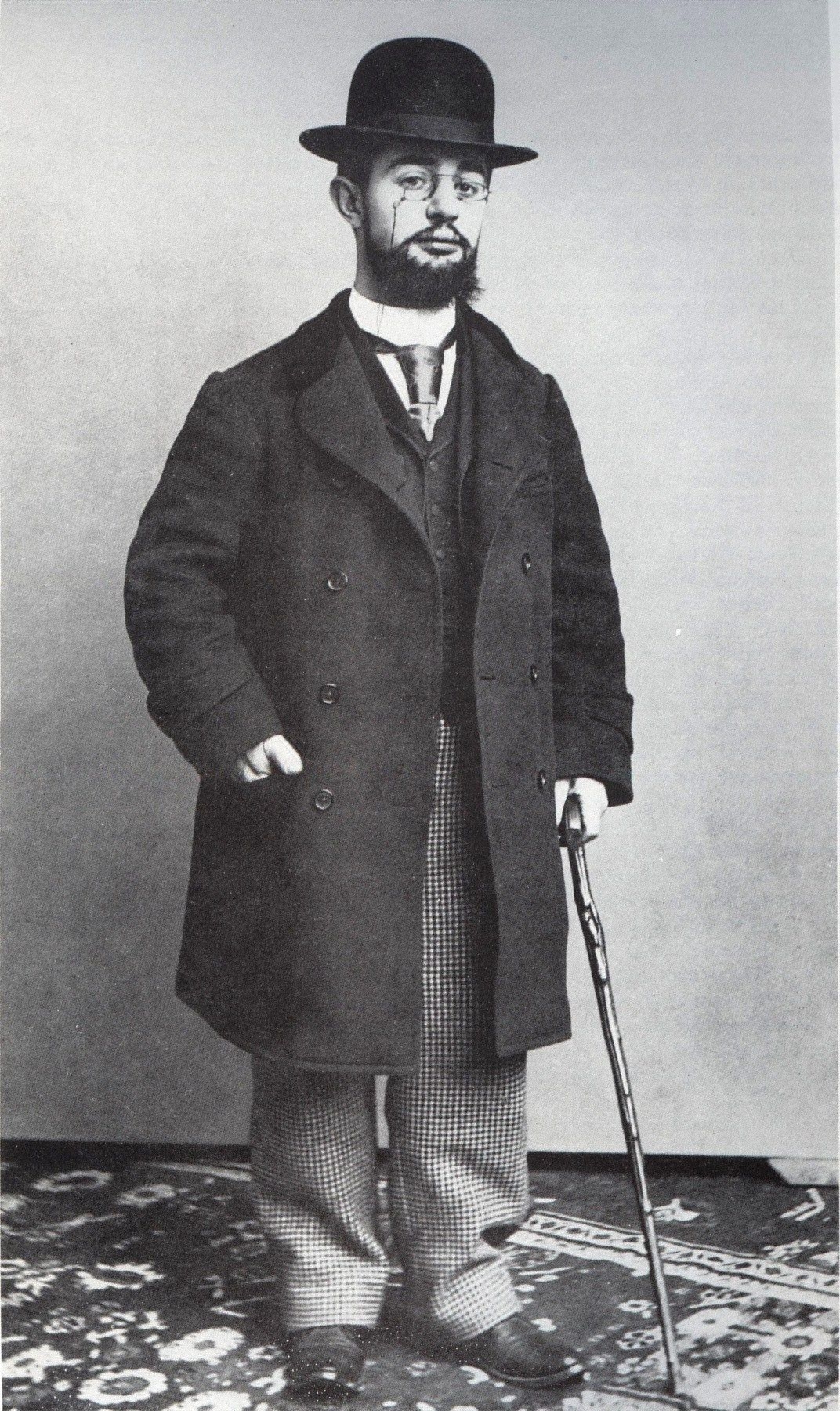
(Image: Henri de Toulouse-Lautrec - Photo by Gustave Dollet)
The Artist’s Vision and the Parisian Scene
Comte Henri Marie Raymond de Toulouse-Lautrec-Monfa, a figure profoundly shaped by his own physical limitations – a condition likely pycnodysostosis that stunted his growth – possessed an unparalleled ability to observe and portray the human condition. Born into French aristocracy, he rejected the constraints of his background, choosing instead to immerse himself in the vibrant, often chaotic world of Montmartre. This painting exemplifies his fascination with the city’s undercurrents: its nightlife, its artistic community, and the individuals who populated it – particularly those on the fringes of society.
The scene itself is a carefully constructed tableau. The arrangement of figures, the furniture, and even the inclusion of the violin suggest a moment of relaxed conviviality, perhaps a private gathering amongst artists or patrons. Toulouse-Lautrec’s meticulous attention to detail – from the folds of the women's clothing to the expressions on their faces – elevates this scene beyond mere representation; it becomes a carefully crafted portrait of a specific time and place.
Technique and Style: A Post-Impressionist Masterpiece
Painted in the style characteristic of Post-Impressionism, “In the Salon of the Rue des Moulins” showcases Toulouse-Lautrec’s mastery of line and color. He employs loose, expressive brushstrokes to convey movement and atmosphere, capturing not just the visual appearance of the scene but also its emotional tenor. The use of muted tones – browns, ochres, and deep reds – contributes to the painting's intimate and slightly melancholic mood. Note the careful rendering of light and shadow, creating a sense of depth and volume within the confined space.
The artist’s technique is particularly evident in his depiction of the figures. They are not idealized; rather, they possess a certain roughness and immediacy that reflects Toulouse-Lautrec's commitment to portraying reality as he saw it – with all its imperfections and complexities. The composition itself—a dynamic arrangement of figures within a relatively small space—further enhances this sense of realism.
Symbolism and Emotional Resonance
Beyond the immediate depiction of a social gathering, “In the Salon of the Rue des Moulins” carries symbolic weight. The presence of the violin suggests music, an integral part of Parisian nightlife and artistic expression. The women in the scene – one notably dressed in black stockings – represent various facets of Montmartre’s diverse population: artists, prostitutes, patrons, and socialites. Toulouse-Lautrec's fascination with these figures reveals a deep empathy for those often overlooked by mainstream society.
Ultimately, this painting evokes a powerful sense of nostalgia and intrigue. It invites the viewer to step into another time and place, to imagine themselves among these figures engaged in conversation and enjoying the pleasures of the moment. “In the Salon of the Rue des Moulins” remains a testament to Toulouse-Lautrec’s artistic genius and his ability to capture the essence of Parisian life with remarkable sensitivity and skill.
Enri Tuluz Lotrek (1864 – 1901)
Otkrijte života i dela Henrija de Tuluz Lotreka, impresionističkog slikara koji je večno zabeležio pariški noćni život! Istražite njegove ikonične slike, grafike i boemski svet Montmartra.
O ovom umetničkom delu
- Naslov: in the salon of the rue des moulins
- Umetnik: Enri Tuluz Lotrek
- Godina: 1894
- Format: Landscape
- Status autorskih prava: Javno vlasništvo
- Paleta boja: Dark
- Dominantna boja: Clay
- Namena: Statement
- Ključne reči: parisian art , laconic style , french painting
- Intenzitet boje: Vivid
Osnovne informacije
- Year: 1894
- Title: In the Salon of the Rue des Moulins
- Medium: Oil on canvas
- Artistic style: Realist, Bohemian
- Subject or theme: Parisian nightlife
- Influences:
- Impressionism
- Cézanne
- Notable elements: Violin, social scene
QR kod
