

 Pregledaj u prostoru
 Pošalji
 Podeli
 Detalji o delu

 Преузми
 Slični predmeti
 Rendgenski snimak
 Slajdovi
 Stats
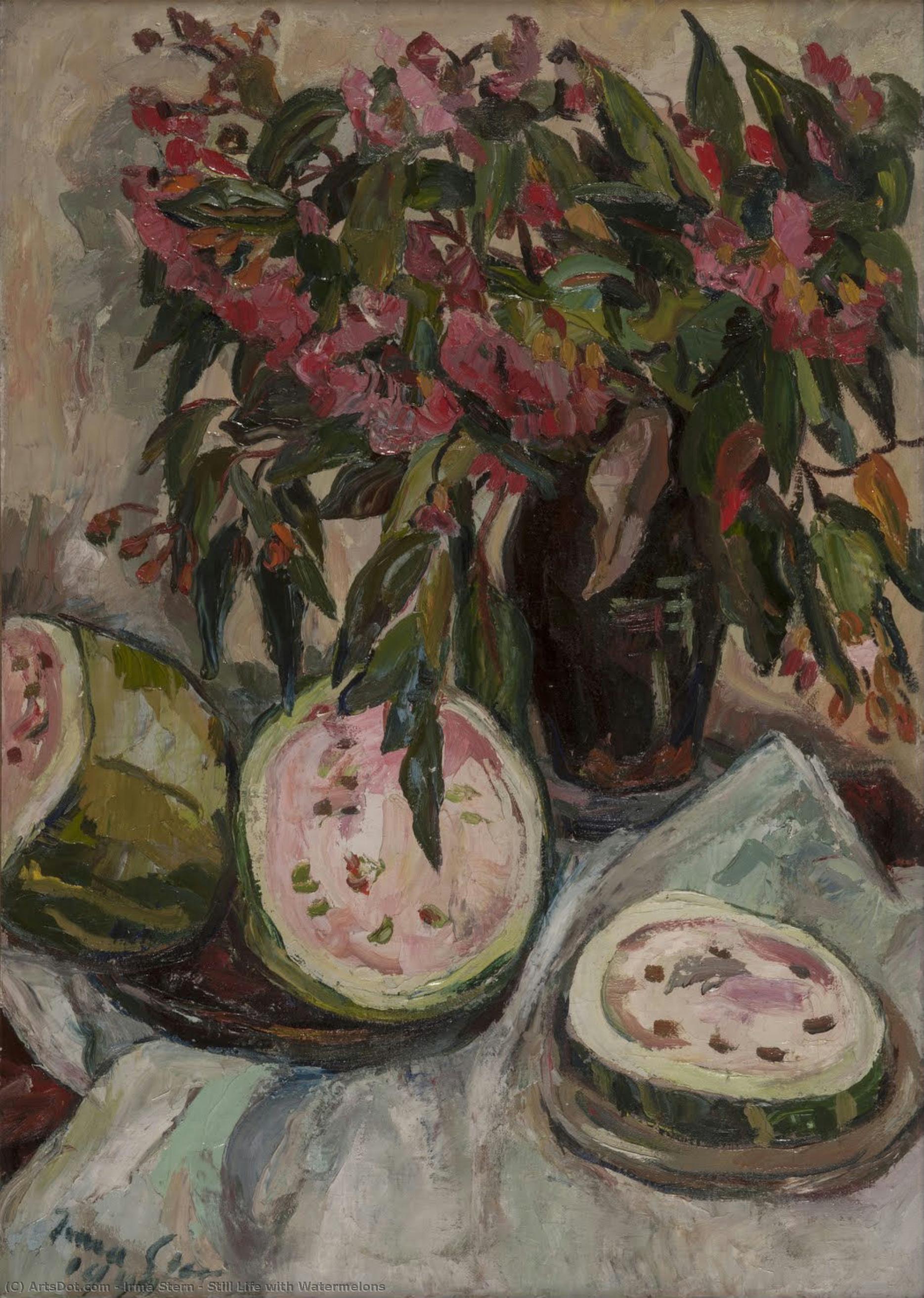
StatsStill Life with Watermelons
 1948
1948 84.0 x 60.0 cm
 University of Pretoria Museums
 Pročitaj više
Ručno rađena uljana reprodukcija
Ručno oslikano uljanim bojama na platnu u dimenzijama i okviru po vašem izboru, izrađeno po porudžbini od strane naših umetnika. ( Switch to Print Switch to Digital Image)




































Izaberite jednu od naših unapred definisanih veličina koje odgovaraju originalnim proporcijama umetničkog dela.

Можете унети сопствене димензије како бисте прилагодили дело одређеном оквиру или простору. Ако одабрана величина не одговара пропорцијама оригинала, слика ће бити исечена или проширена додатним елементима који се ручно насликавају. Дигитални prikaz ће вам бити послат на одобрење пре почетка производње.
Имајте на уму да преглед на екрану не одражава стварно исецање или проширење. Само приказ (mockup) ће тачно приказати коначну композицију.
Иако су доступне прилагођене величине, препоручујемо да одаберете димензију из дефинисане листе како бисте сачували оригиналне пропорције.
Nakon narudžbine, tim ArtsDot.com će klijentu putem e-pošte poslati uputstva i dostaviti prikaz predloženog rešenja
Isporuka širom sveta () za 3/4 nedelje umesto uobičajenih 5 nedelja. (8 септембар). Bez kompromisa po pitanju kvaliteta.

Besplatna ekspresna dostava širom sveta

Visokokvalitetno laneno platno

Kompletno osiguranje transporta

Garancija povraćaja carine i uvoznih dažbina

Garancija vernosti boja

Politika povraćaja u roku od 100 dana (isključivo u slučaju nedostataka)

Garancija povrata novca od 100%

Popust pri grupnoj kupovini
 Opcija sa staklom dostupna je samo za dimenzije manje od 110 cm

Still Life with Watermelons
Tehnika reprodukcije
Dimenzije reprodukcije
-


Konačna cena
$ 263
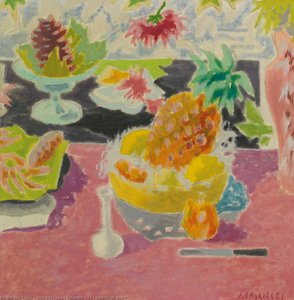
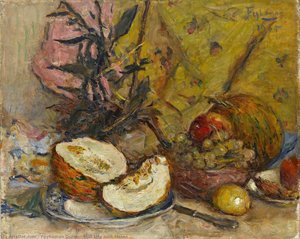
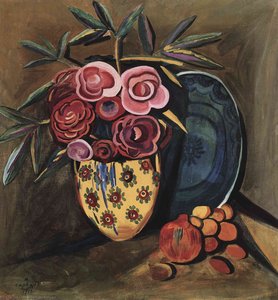
Srodna umetnička dela





Biografija umetnika
A Life Defined by Movement and Color
The story of Irma Stern is one of profound movement, a life lived between the vibrant landscapes of South Africa and the avant-garde studios of Germany. Born in 1894 in the small Transvaal town of Schweizer-Reneke to German-Jewish parents, her early years were shaped by the turbulent winds of the Second Boer War. As her father was interned in a concentration camp due to his pro-Boer sympathies, young Irma and her brother were moved to Cape Town, an experience that planted the seeds of resilience within her soul. This duality of identity—rooted in the African soil yet deeply connected to European intellectualism—would become the heartbeat of her artistic journey. Her frequent travels between these two worlds did more than just provide new scenery; they forged a unique perspective that allowed her to bridge the gap between colonial tradition and modern expression.
Her formal artistic awakening occurred in the heart of Germany’s burgeoning modernism. Studying at the Grand-Ducal Saxon Art School in Weimar and later at the Levin-Fuchke Studio in Berlin, Stern found herself immersed in a revolution of form and feeling. Most significantly, her mentorship under Max Pechstein, a titan of the German Expressionist movement, fundamentally altered her creative DNA. From Pechstein, she learned to move beyond mere representation, embracing the Expressionist ethos of using color as a direct conduit for emotion. By the time she held her first exhibition in Berlin in 1919, Stern was no longer just a student; she was a burgeoning force in the international art scene, a member of the influential Novembergruppe, and an artist capable of translating the raw energy of life onto canvas.
The Pulse of Expressionism and African Soul
When Stern returned to South Africa in 1920, she brought with her a visual language that was nothing short of incendiary. To the conservative, colonial art circles of Cape Town, her work appeared radical, even scandalous. Her use of bold, unapologetic colors—deep crimsons, sun-drenched yellows, and electric blues—clashed violently with the muted, academic styles prevalent at the time. There were even instances where the authorities were called to investigate her work for public indecency, yet Stern remained undeterred. She did not seek to please the critics; she sought to capture the vibrancy of existence. Her technique, characterized by energetic, thick brushstrokes and a rhythmic application of paint, gave her subjects a palpable sense of life and movement.
As her career matured, Stern’s travels through Africa, Zanzibar, and the Congo became the primary fuel for her creative fire. She viewed Africa not merely as a subject, but as her "Paradise"—a source of spiritual and aesthetic truth. Her paintings from these periods are masterclasses in Fauvist and Expressionist sensibilities, where the human form and the natural landscape merge into a singular, rhythmic composition. Whether she was depicting the intimate details of a still life or the sweeping dignity of African portraits, her work always maintained an intense focus on the "source of the beginning." She possessed a rare ability to find the universal within the local, turning specific cultural encounters into timeless explorations of human emotion and natural beauty.
A Lasting Legacy of Artistic Courage
The historical significance of Irma Stern lies in her role as a pioneer who forced the South African art world to confront modernity. While she faced initial derision, by the 1940s, she had emerged as an established and celebrated figure. Her courage to break ties with Germany during the era of National Socialism and her refusal to conform to the stifling social norms of her time allowed her to maintain an authentic, uncompromised voice. She was a prolific creator, leaving behind a massive body of work that includes paintings, sculptures, and ceramics, all unified by her signature pursuit of truth through color.
Today, Stern’s legacy is preserved not only in prestigious galleries worldwide but also through the Irma Stern Museum in Cape Town. Her life serves as a testament to the power of artistic wandering—the idea that by traversing different cultures and confronting different hardships, one can arrive at a deeper understanding of beauty. She remains an icon of South African modernism, an artist whose work continues to pulse with the same raw, infectious energy that first shocked the world decades ago.
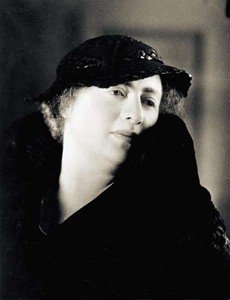
Irma Stern
1894 - 1966 , South Africa
Osnovne informacije
- Artistic Movement Or Style: Expressionism & Fauvism
- Artists Or Movements Influenced By This Artist: ['Pablo Picasso']
- Artists Who Influenced This Artist: ['Max Pechstein']
- Date Of Birth: October 2, 1894
- Date Of Death: August 23, 1966
- Full Name: Irma Analize Stern
- Nationality: South African
- Notable Artworks:
- Still Life with Watermelons
- Still Life
- Place Of Birth: Schweizer-Reneke, South Africa