 Pregledaj u prostoru
 Pošalji
 Podeli
 Detalji o delu

 Преузми
 Slični predmeti
 Rendgenski snimak
 Slajdovi
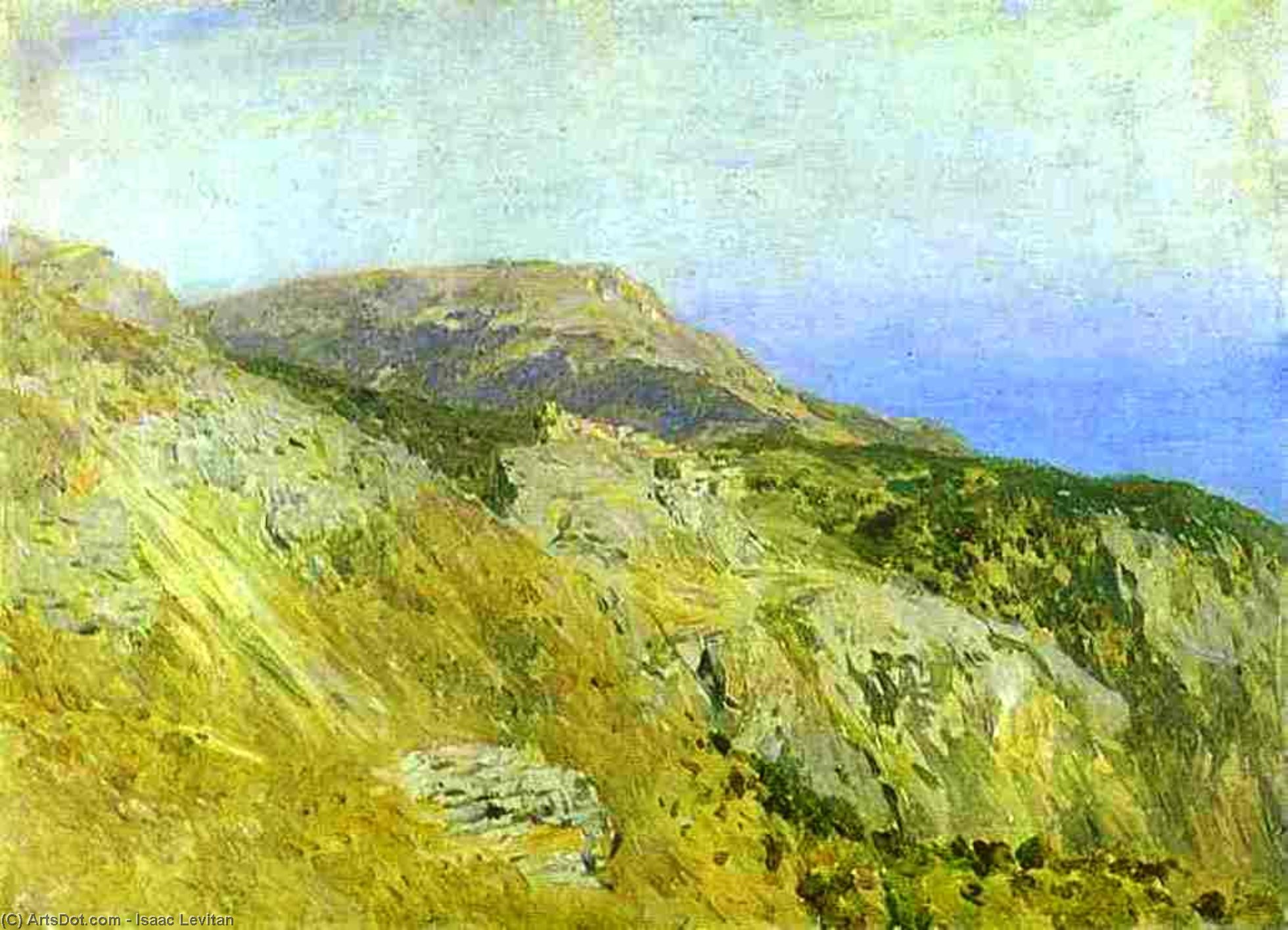
Corniche, Southern France. Sketch


 Pročitaj više
Giclee štampa / Umetnički otisak
Giclée štampa ili print na platnu muzejskog kvaliteta uz brzu proizvodnju i fleksibilne opcije završne obrade. ( Kupi ručno naslikanu sliku Kupi digitalnu sliku)




P118B $10

P118H $10

P118W $10

P438Z $10

P508JH $12

P508YH $12

P805H $10

P805Z $10

P919BZ $10

P919G $10

P919XJ $10

P959ZH $10

P968JZ $12

W106C $8

W218G $10

W218JH $8

W218Y $10

W307PJ $10

W316G $10

W316PJ $8

W316Y $10

W398PJ $8

W4111J $10

W500HY $15

W500JH $15

W692G $12

W849H $8

W940BG $15

W953PJ $8




Izaberite jednu od naših unapred definisanih veličina koje odgovaraju originalnim proporcijama umetničkog dela.

Možete uneti sopstvene dimenzije kako biste umetničko delo prilagodili specifičnom okviru ili prostoru. Ako odabrani format ne odgovara proporcijama originalne slike, mi ćemo ili iscrtati deo dela ili proširiti sliku pomoću ogledane ivice ili jednobojnog popunjavanja. Digitalni prikaz će vam biti poslat na odobrenje pre početka proizvodnje.
Imajte na umu da pregled na ekranu ne odražava stvarno iscrtavanje ili proširivanje. Samo će prikaz (mockup) precizno pokazati finalnu kompoziciju.
Iako su prilagođene dimenzije dostupne, preporučujemo da odaberete dimenziju sa unapred definisane liste kako biste očuvali originalne proporcije.
Dostava širom sveta () za 2 nedelje umesto uobičajenih 4/5 nedelja. (6 септембар)

Besplatna ekspresna dostava širom sveta

Visokokvalitetno laneno platno

Kompletno osiguranje transporta

Garancija povraćaja carine i uvoznih dažbina

Garancija vernosti boja

Politika povrata u roku od 100 dana (samo u slučaju nedostataka)

Garancija povrata novca od 100%

Popust pri grupnoj kupovini
 Opcija sa staklom dostupna je samo za dimenzije manje od 110 cm

Corniche, Southern France. Sketch
Giclee štampa / Umetnički otisak
Dimenzije reprodukcije
-


Konačna cena
$ 62
Corniche. Southern France – An Impressionistic Ode to Coastal Majesty
The painting “Corniche. Southern France,” executed by Isaak Levitan in 1894, isn’t merely a depiction of a rocky cliff overlooking the Mediterranean; it's an embodiment of Russian landscape painting’s ambition—to capture not just what is seen but how it feels. Levitan, deeply influenced by Jean-Baptiste-Camille Corot and other Barbizon artists who championed plein air painting, sought to distill the essence of nature into a visual symphony of light and atmosphere. This approach distinguishes him from earlier academic traditions that prioritized meticulous detail and idealized representations.- Subject Matter: The scene portrays a dramatic coastline – jagged cliffs plunging into turquoise waters – typical of Levitan’s fascination with the Russian wilderness.
- Style: Impressionism dominates, rejecting photographic realism in favor of capturing fleeting impressions of light and color. Loose brushstrokes create textured surfaces that convey movement and dynamism.
- Technique: Levitan employed oil paints on cardboard, layering pigment in short, expressive strokes to achieve a luminous effect. He skillfully utilized atmospheric perspective – paler hues in the distance – to heighten depth and evoke a sense of vastness.
Historical Context & Artistic Influences
Levitan’s work emerged during a period of significant artistic experimentation within Russia, mirroring broader European trends toward Impressionism. The Barbizon School's emphasis on direct observation and tonal harmony profoundly impacted Levitan’s aesthetic sensibilities. Furthermore, the anxieties surrounding antisemitism in Tsarist society subtly shaped his artistic vision—a desire to portray beauty untainted by prejudice informing his compositions and color palettes.- Barbizon Influence: Like Corot, Levitan prioritized capturing the mood of a place rather than its precise topographical features.
- Social Commentary: The painting subtly reflects anxieties about Jewish identity within Russian society—a yearning for authenticity and sincerity expressed through artistic form.
Symbolism & Emotional Resonance
“Corniche. Southern France” transcends a simple landscape portrayal; it communicates profound emotional depth. The dominant blues and greens evoke tranquility and contemplation, mirroring Levitan’s own introspective spirit. The jagged cliffs symbolize resilience and permanence against the relentless forces of nature—a visual metaphor for enduring beauty amidst hardship. The painting invites viewers to contemplate the sublime – experiencing awe and wonder at the grandeur of the natural world.- Color Palette: Blues and greens dominate, conveying serenity and reflecting the coastal environment.
- Composition: Diagonal lines created by the cliffs guide the eye upwards towards the summit, reinforcing a sense of aspiration and transcendence.
Legacy & Artistic Significance
Isaac Levitan’s “Corniche. Southern France” stands as a cornerstone of Russian landscape painting—a testament to Impressionism's transformative impact on artistic expression. Its masterful technique, evocative symbolism, and profound emotional resonance continue to inspire artists and captivate audiences today. It exemplifies the genre’s ability to convey complex feelings through deceptively simple visual elements—a timeless masterpiece celebrating the beauty and majesty of the Russian wilderness.Srodna umetnička dela

Biografija umetnika
A Symphony of the Russian Soul: The Life and Art of Isaak Ilyich Levitan
Isaak Ilyich Levitan, a name synonymous with the evocative power of Russian landscape painting, was more than just a chronicler of nature; he was a poet of the land, a translator of its moods into visual form. Born in 1860 in Kibarty (present-day Lithuania) to a Jewish family who later settled in Moscow, Levitan’s life was marked by both profound hardship and an unwavering dedication to his art. The early loss of his mother and father instilled within him a sensitivity that would permeate his canvases with a melancholic beauty. This sense of longing, coupled with the restrictions imposed upon Jewish communities in Tsarist Russia, fueled a desire to find solace and expression in the natural world. He entered the Moscow School of Painting, Sculpture and Architecture in 1873, where he came under the tutelage of Alexei Savrasov, whose influence would prove pivotal in shaping Levitan’s artistic vision. It was Savrasov who nurtured his student's innate ability to capture not merely the appearance of nature, but its very essence—its atmosphere, its emotional resonance.The Birth of a ‘Mood Landscape’
Levitan quickly distinguished himself as an artist capable of conveying profound emotion through landscape. He wasn’t interested in topographical accuracy for its own sake; rather, he sought to imbue his paintings with a sense of *mood*, a feeling that resonated deep within the viewer's soul. This approach earned him the title of pioneer of the “mood landscape,” a genre that moved beyond simple representation to explore the spiritual connection between humanity and nature. His palette was often subdued, favoring naturalistic colors and poetic elements over vibrant displays. He masterfully employed light and shadow, creating atmospheric effects that evoked feelings of tranquility, solitude, or even quiet despair. Works like *Autumn Day. Sokolniki* (1879), painted when he was just nineteen years old, already demonstrated this remarkable ability to capture the subtle nuances of the Russian countryside. The painting’s muted tones and delicate rendering of light create a sense of wistful nostalgia, hinting at the transience of beauty and the inevitability of change. Later masterpieces such as *The Vladimirka Road* (1892) and *Eternal Rest* (1894), prominently displayed in the Tretyakov Gallery, further solidified his reputation as a master of emotional landscape painting.Influences and Artistic Kinships
While deeply indebted to Savrasov’s influence, Levitan was also receptive to other artistic currents. He collaborated with fellow artists like Konstantin Korovin, Mikhail Nesterov, and Nikolai Chekhov—the brother of the renowned playwright Anton Chekhov, who became a lifelong friend. This circle fostered an environment of creative exchange and mutual support. Though he briefly experimented with Impressionistic techniques, Levitan never fully embraced the movement, maintaining a uniquely Russian sensibility in his work. He found inspiration not only in the visual world but also in music and literature, seeking to translate their emotional power into his paintings. His designs for scenery for Savva Mamontov’s private Russian Opera demonstrate his versatility and willingness to explore different artistic mediums. The influence of these collaborations and experiences can be seen in works like *Spring Flood*, *Stormy Day*, *Vesper Chimes* and *Silent Cloister*, each a testament to his evolving style and deepening understanding of the emotional landscape.Major Achievements and Legacy
Levitan’s ascension to prominence within the Russian art world was marked by several significant milestones. Elected to the Imperial Academy of Arts in 1897, he recognized as one of Russia's foremost landscape painters. This honor underscored his artistic merit and cemented his position as a leading figure in the Peredvizhniki movement—a group of artists committed to depicting Russian life and nature with uncompromising realism and emotional honesty. He continued to teach at Moscow School of Painting, Sculpture and Architecture, nurturing the talent of aspiring artists and shaping the future direction of landscape painting. His enduring legacy resides not merely in his artistic output but also in his profound contribution to Russian cultural heritage—a testament to the transformative power of art to capture the spirit of an era and inspire generations to come. He passed away peacefully in 1900, leaving behind a body of work that continues to captivate audiences worldwide. His paintings remain a poignant reminder of Russia’s melancholic beauty and the enduring resonance of human emotion within the natural world.Final Resting Place
Levitan's remains were interred in Novodevichy Cemetery in Moscow alongside Anton Chekhov—a symbolic union reflecting their shared artistic kinship and devotion to portraying the soul of Russia. His canvases stand as timeless expressions of melancholy, solitude, and profound contemplation—a legacy that secures his place among the greatest landscape painters of all time.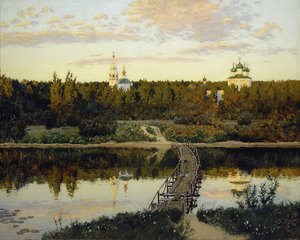
Исаак Ильич Левитан
1860 - 1900 , Русија
Osnovne informacije
- Artistic Movement Or Style: Mood Landscape, Realizam
- Artists Who Influenced This Artist:
- Aleksei Savrasov
- Vasily Polenov
- Konstantin Korovin
- Date Of Birth: August 30, 1860
- Date Of Death: July 22, 1900
- Full Name: Isaak Ilyich Levitan
- Nationality: Ruski
- Notable Artworks:
- Autunm Day. Sokolniki
- Vladimirska cesta
- Večiti mir
- Prolećna poplava
- Buranij dan
- Vecer čas
- Place Of Birth: Kibarty, Lithuania
Povezani članci
Impressionistic Landscapes: 10 Masterpieces That Changed Art & Decor
Journey into the heart of Impressionism! Explore 10 masterpieces by Monet, Renoir & Degas that revolutionized landscape art. Discover their stories, techniques & find museum-quality reproductions to elevate your home decor on ArtsDot.com.
Impresionistički pejzaži: 10 remek-dela koja su definisala umetnički pokret
Otkrijte 10 remek-dela impresionizma koja su zauvek obeležila pejzažnu umetnost! Monet, Renoar i Degas – istražite priče iza svake slike. Inspiracija za dekoraciju enterijera i vrhunske reprodukcije na ArtsDot.com. Istražite kolekciju online!
Beyond the Horizon: A Curated Guide to Integrating Post-Impressionist Landscapes into Modern Interiors
Transform your home with the emotive power of Post-Impressionist landscapes. Discover expert tips on selecting hand-painted oil reproductions to create a soulful, vibrant interior that reflects your unique style and connection to nature.

Evocations of Place: A Historical Journey Through Landscape Art
Explore the rich history of landscape art with ArtsDot. Discover renowned artists, movements like Impressionism & Romanticism, and expert guidance for collecting timeless pieces. Find your perfect serene escape today!

25 Remek-dela Džona Konstebla: Lepota Engleske na Platnu | ArtsDot
Uronite u svet Džona Konstebla! Otkrijte 25 remek-dela engleskog pejzaža, romantizma i seoske idile. Kupite reprodukcije slika vrhunskog kvaliteta za dekoraciju enterijera na ArtsDot.com.