

 Pregledaj u prostoru
 Pošalji
 Podeli
 Detalji o delu

 Преузми
 Slični predmeti
 Rendgenski snimak
 Slajdovi
 Stats
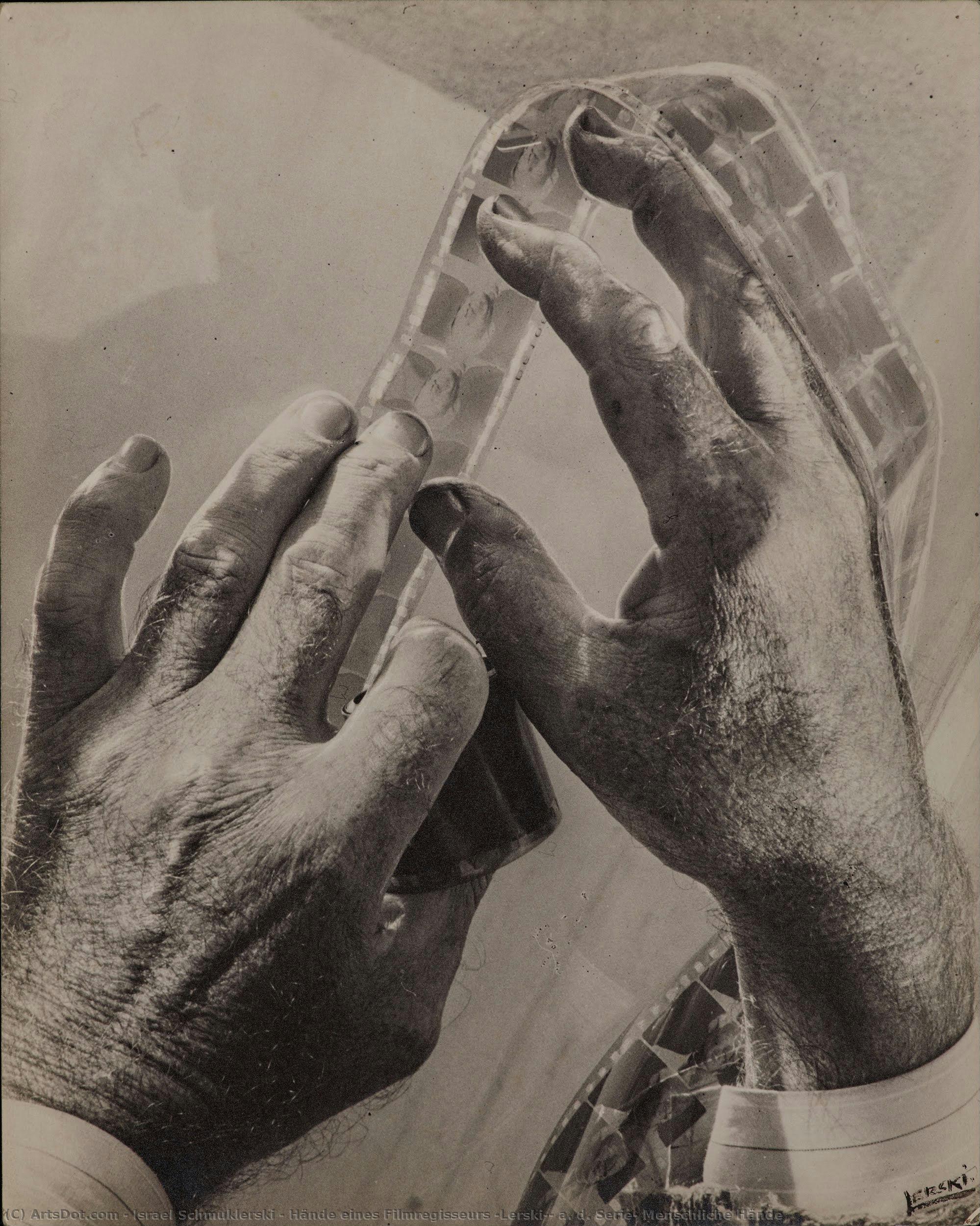
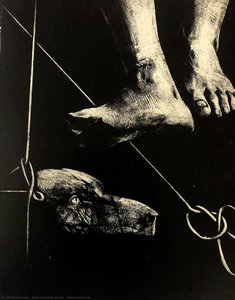
StatsHände eines Filmregisseurs (Lerski), a. d. Serie: Menschliche Hände

 Pročitaj više
Ručno rađena uljana reprodukcija
Ručno oslikano uljanim bojama na platnu u dimenzijama i okviru po vašem izboru, izrađeno po porudžbini od strane naših umetnika. ( Switch to Print Switch to Digital Image)




































Izaberite jednu od naših unapred definisanih veličina koje odgovaraju originalnim proporcijama umetničkog dela.

Можете унети сопствене димензије како бисте прилагодили дело одређеном оквиру или простору. Ако одабрана величина не одговара пропорцијама оригинала, слика ће бити исечена или проширена додатним елементима који се ручно насликавају. Дигитални prikaz ће вам бити послат на одобрење пре почетка производње.
Имајте на уму да преглед на екрану не одражава стварно исецање или проширење. Само приказ (mockup) ће тачно приказати коначну композицију.
Иако су доступне прилагођене величине, препоручујемо да одаберете димензију из дефинисане листе како бисте сачували оригиналне пропорције.
Nakon narudžbine, tim ArtsDot.com će klijentu putem e-pošte poslati uputstva i dostaviti prikaz predloženog rešenja
Isporuka širom sveta () za 3/4 nedelje umesto uobičajenih 5 nedelja. (8 септембар). Bez kompromisa po pitanju kvaliteta.

Besplatna ekspresna dostava širom sveta

Visokokvalitetno laneno platno

Kompletno osiguranje transporta

Garancija povraćaja carine i uvoznih dažbina

Garancija vernosti boja

Politika povraćaja u roku od 100 dana (isključivo u slučaju nedostataka)

Garancija povrata novca od 100%

Popust pri grupnoj kupovini
 Opcija sa staklom dostupna je samo za dimenzije manje od 110 cm

Hände eines Filmregisseurs (Lerski), a. d. Serie: Menschliche Hände
Tehnika reprodukcije
Dimenzije reprodukcije
-


Konačna cena
$ 263
Srodna umetnička dela






Biografija umetnika
The Architect of Light: The Life and Vision of Helmar Lerski
In the history of the moving image and the still frame, few figures possess the transformative power of Helmar Lerski. Born Israel Schmuklerski in Strasbourg, France, in 1871, his journey was one of constant migration and metamorphosis, much like the very light he sought to master. A man of many identities—actor, cinematographer, photographer, and director—Lerski did not merely capture reality; he sculpted it. His early life, shaped by a move to Zurich where his family gained Swiss citizenship, instilled in him a meticulous eye for detail that would later define the avant-garde movements of the twentieth century. Before he was a master of the lens, he was a student of the stage, and this theatrical foundation provided him with an unparalleled understanding of how shadow can evoke the deepest recesses of the human soul.
The American years, spanning from 1909 to 1915, served as a vital crucible for his developing aesthetic. Settling in Milwaukee, Wisconsin, alongside Emilie Bertha Rossbach, Lerski established a photography studio that would become a laboratory for experimentation. It was during this period that he began to move away from traditional portraiture toward a more radical approach, utilizing mirrors and dramatic lighting to create depth and texture. This era of his life was marked by an intense curiosity about the interplay between the physical subject and the ephemeral qualities of light, a fascination that would eventually lead him back to the heart of European modernism.
From Expressionist Cinema to Avant-Garde Mastery
Returning to Berlin in 1915, Lerski entered the epicenter of cinematic innovation. As a cinematographer and special effects expert, he became a vital architect of German Expressionism. His work on legendary films, most notably his collaboration with Fritz Lang on the monumental Metropolis, demonstrated his ability to use light as a narrative force. In the shadows of the silent era, Lerski understood that what remained unseen was often as powerful as what was revealed. He manipulated contrast to create atmosphere, turning the screen into a canvas of psychological tension and architectural grandeur.
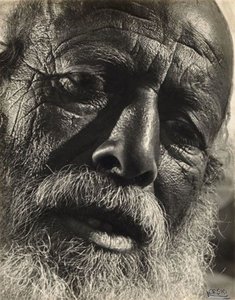
As the 1920s progressed, Lerski’s focus shifted toward the profound intimacy of portrait photography. This period saw the birth of his most celebrated photographic series, such as Köpfe des Alltags (Heads of Everyday Life). In these works, he moved beyond the mere documentation of faces to explore the "metamorphosis" of the human form through light. His portraits were not merely likenesses; they were sculptural studies that emphasized the rugged textures of skin, the intensity of a gaze, and the dramatic interplay of chiaroscuro. By treating the human face as a landscape of light and shadow, he bridged the gap between the cinematic epic and the personal, intimate moment.
A Legacy Written in Shadow and Light
The later chapters of Lerski’s life were marked by further displacement and new beginnings. In 1932, fleeing the rising tensions in Europe, he emigrated to Mandate Palestine. This transition brought a new palette to his work, as the harsh, brilliant light of the Middle East offered fresh challenges and opportunities for his unique technique. His time in Palestine allowed him to continue his exploration of the human condition, documenting both the landscape and its people with the same avant-garde rigor he had applied in Berlin. Eventually settling back in Zürich in 1948, Lerski left behind a body of work that remains a cornerstone of modern photographic history.
The historical significance of Helmar Lerski lies in his refusal to see photography as a passive medium. To him, the camera was an instrument of creation, capable of transforming the mundane into the monumental. His influence can be traced through:
- The Evolution of Cinematography: His pioneering use of special effects and lighting techniques helped define the visual language of Expressionist cinema.
- Modern Portraiture: He redefined the genre by moving away from static representation toward a dynamic, sculptural exploration of light.
- The Integration of Arts: By blending his knowledge of theater, film, and photography, he created a unified aesthetic that influenced generations of visual storytellers.
Today, the works of Israel Schmuklerski—known to the world as Helmar Lerski—are preserved in prestigious institutions such as MoMA and the Museum Folkwang, serving as eternal reminders of a man who saw the world not just as it was, but as it could be through the transformative power of light.
israel schmuklerski
1871 - 1956 , France
Osnovne informacije
- Artistic Movement Or Style: Avant-garde photography
- Artists Or Movements Influenced By This Artist: ['Expressionism']
- Artists Who Influenced This Artist: ['None specified']
- Date Of Birth: February 1871
- Date Of Death: September 1956
- Full Name: Helmar Lerski (Israel Schmuklerski)
- Nationality: Swiss
- Notable Artworks:
- Hände eines Filmregisseurs
- Metamorphosis through light
- Place Of Birth: Strasbourg, France