

 Pregledaj u prostoru
 Pošalji
 Podeli
 Detalji o delu

 Преузми
 Slični predmeti
 Rendgenski snimak
 Slajdovi
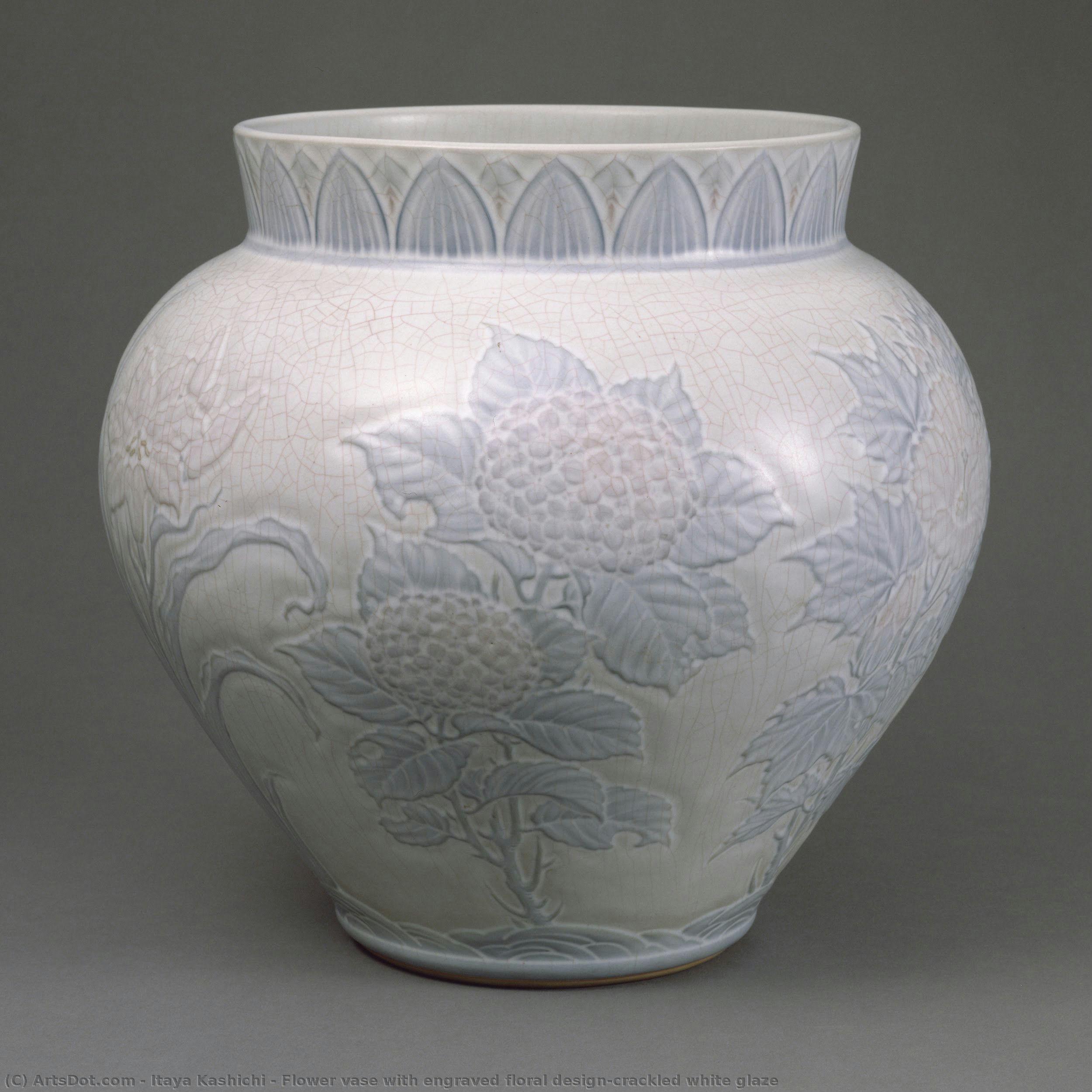
Flower vase with engraved floral design,crackled white glaze

 Pročitaj više
Giclee štampa / Umetnički otisak
Giclée štampa ili print na platnu muzejskog kvaliteta uz brzu proizvodnju i fleksibilne opcije završne obrade. ( Kupi ručno naslikanu sliku Kupi digitalnu sliku)




































Izaberite jednu od naših unapred definisanih veličina koje odgovaraju originalnim proporcijama umetničkog dela.

Možete uneti sopstvene dimenzije kako biste umetničko delo prilagodili specifičnom okviru ili prostoru. Ako odabrani format ne odgovara proporcijama originalne slike, mi ćemo ili iscrtati deo dela ili proširiti sliku pomoću ogledane ivice ili jednobojnog popunjavanja. Digitalni prikaz će vam biti poslat na odobrenje pre početka proizvodnje.
Imajte na umu da pregled na ekranu ne odražava stvarno iscrtavanje ili proširivanje. Samo će prikaz (mockup) precizno pokazati finalnu kompoziciju.
Iako su prilagođene dimenzije dostupne, preporučujemo da odaberete dimenziju sa unapred definisane liste kako biste očuvali originalne proporcije.
Dostava širom sveta () za 2 nedelje umesto uobičajenih 4/5 nedelja. (30 август)

Besplatna ekspresna dostava širom sveta

Visokokvalitetno laneno platno

Kompletno osiguranje transporta

Garancija povraćaja carine i uvoznih dažbina

Garancija vernosti boja

Politika povrata u roku od 60 dana (samo u slučaju nedostataka)

Garancija povrata novca od 100%

Popust pri grupnoj kupovini
 Opcija sa staklom dostupna je samo za dimenzije manje od 110 cm

Flower vase with engraved floral design,crackled white glaze
Giclee štampa / Umetnički otisak
Dimenzije reprodukcije
-


Konačna cena
$ 62
Srodna umetnička dela








Biografija umetnika
Itaya Hazan: A Pioneer of Modern Japanese Ceramics
Itaya Kashichi Itaya Hazan (板谷波山, 1872—1963) stands as a monumental figure in the history of Japanese ceramics, recognized universally as a trailblazer who fundamentally reshaped artistic expression during the Meiji and Taisho eras. Born in Shimodate, Ibaraki Prefecture, he descended from humble origins – his father was a soya sauce maker – yet ascended to become one of Japan’s most celebrated artists, leaving an indelible mark on both craft and aesthetic philosophy. His artistic pseudonym, Hazan (“wavy mountain”), derived from the landscape of his birthplace, encapsulates the spirit of observation and connection to nature that would permeate his oeuvre.- Early Life & Education: Hazan’s formative years were marked by a profound engagement with Western art movements, particularly Art Nouveau. Influenced by luminaries like Kōun Takamura and Tenshin Okakura at the Tokyo Fine Arts School (now Tokyo University of the Arts), he honed his sculptural skills alongside an equally fervent dedication to ceramics. This dual pursuit would prove instrumental in shaping his artistic vision.
- The Birth of Hazan Style: The closure of Ishikawa Prefectural Industrial School in 1898 propelled Hazan toward independent exploration, where he established a kiln in Tokyo and embarked on a journey to master traditional Chinese ceramic techniques. His groundbreaking sketchbook “Twelve Shapes of Ancient Ceramics” published in the same year signaled his commitment to preserving heritage while simultaneously innovating new forms.
- A Studio Dedicated to Craftsmanship: Hazan’s studio was a crucible of artistic experimentation, fostering collaborations with assistants like Fukami Sanjiro and later Genda Ichimatsu until Ichimatsu's passing in 1963. This partnership nurtured a distinctive aesthetic characterized by meticulous attention to detail and an unwavering pursuit of perfection—a hallmark of Hazan’s artistic approach.
The Flowering of Hazan Style: Innovation and Recognition
Hazan’s artistic evolution unfolded in two distinct styles – Saiji and Hokosaiji – each reflecting a nuanced understanding of materiality and visual language. His debut exhibition at the Japan Art Association in 1906 garnered critical acclaim, propelling him to prominence within the burgeoning Japanese art scene. The subsequent nationwide ceramics exhibition of 1911 cemented his reputation as a visionary artist, securing him the prestigious top prize and establishing Hokosaiji as a dominant aesthetic force.- Commercial Ceramics & Artistic Retreat: As ceramics gained traction in Japan’s commercial landscape during the 1910s, Hazan consciously distanced himself from exhibitions, prioritizing artistic contemplation over public recognition. This decision allowed him to delve deeper into classical Chinese traditions and refine his craft with unwavering dedication.
- The Order of Cultural Merit & Legacy: In 1954, Hazan achieved unparalleled honor when he was awarded the Order of Cultural Merit – Japan’s highest accolade for artistic achievement—a testament to his enduring influence on Japanese art history. His work continues to inspire artists and scholars alike, housed prominently in the Idemitsu Museum of Arts where it stands as a beacon of aesthetic excellence.
Exploring Hazan's Artistic Vision: Form and Color
Hazan’s ceramics are distinguished by their masterful manipulation of form and color—elements that intertwine to convey profound emotional resonance. He championed the concept of “inner life,” striving to imbue each piece with a sense of dynamism and expressive depth, mirroring his sculptural training. His distinctive Saiji style favored relief carving, meticulously capturing subtle nuances of texture and surface ornamentation. Simultaneously, Hokosaiji embraced bold color palettes—often incorporating vibrant hues inspired by nature—creating visually arresting compositions that captivated audiences.Notable Works & Influence
Among Hazan’s celebrated creations is “Large Vase with Painted Porcelain Butterbur Leaves Design,” a masterpiece embodying his stylistic principles and securing him the top prize at the Japan Art Association Exhibition in 1917. His exploration of Chinese ceramic traditions profoundly impacted subsequent generations of Japanese artists, establishing Hokosaiji as an influential aesthetic paradigm. Hazan’s legacy extends beyond individual artworks; he fundamentally transformed perceptions of ceramics—elevating it from a utilitarian craft to a realm of artistic contemplation and cultural significance.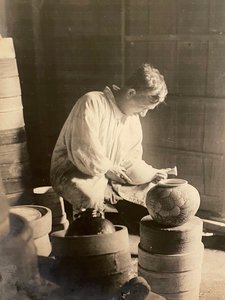
itaya kashichi
1872 - 1963 , Japan
Osnovne informacije
- Artistic Movement Or Style: Modern Japanese Ceramics; Saji & Hokosaiji Styles
- Artists Or Movements Influenced By This Artist: ['Art Nouveau']
- Artists Who Influenced This Artist:
- Kōun Takamura
- Tenshin Okakura
- Date Of Birth: 1872
- Full Name: Itaya Kashichi Hazan
- Nationality: Japanese
- Notable Artworks: ['Large Vase with Painted Porcelain Butterbur Leaves Design']
- Place Of Birth: Shimoda, Japan

