

 Pregledaj u prostoru
 Pošalji
 Podeli
 Detalji o delu

 Преузми
 Slični predmeti
 Rendgenski snimak
 Slajdovi
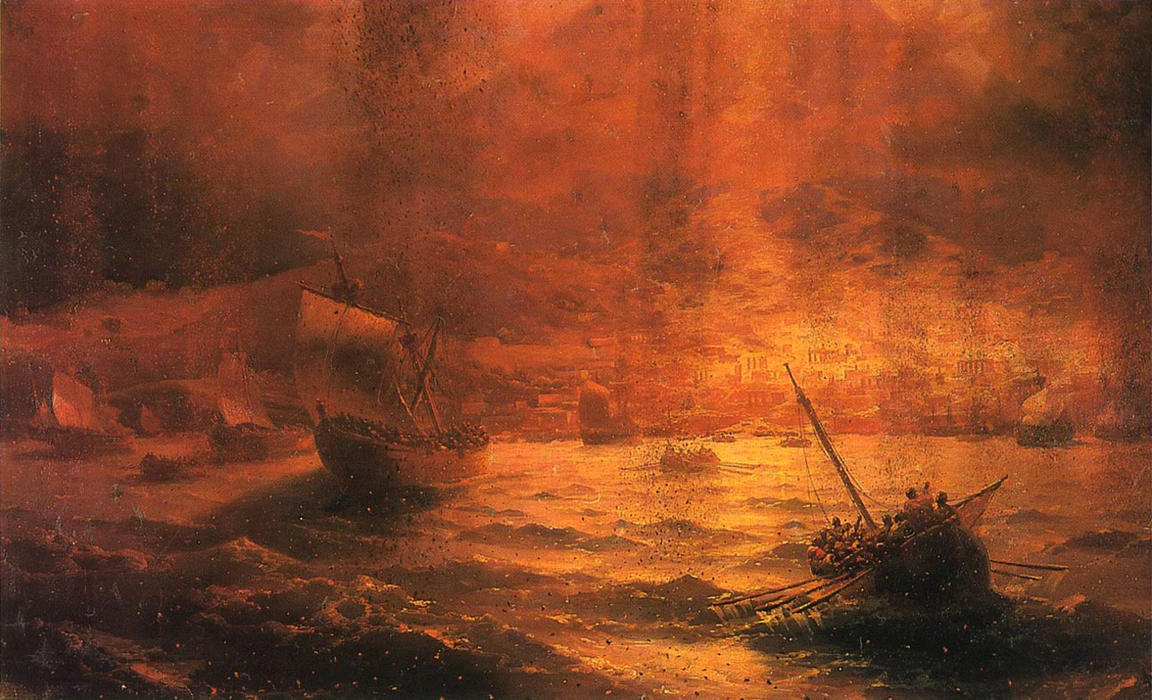
The Ruins of Pompeii
 Oil On Canvas
- WallArt
- Romanticism
 1889
1889- 19th Century
 128.0 x 218.0 cm
 Pročitaj više
Kupite digitalnu sliku visoke rezolucije i poboljšanog kvaliteta, koja je znatno superiornija od onoga što vidite u online prikazu.
Svaka datoteka je pedantno pripremljena od strane naših stručnjaka koristeći napredne alate i profesionalnu ručnu retušu. Osiguravamo da svaka slika ima izuzetnu oštrinu, preciznu reprodukciju boja i fine detalje.
Konačna datoteka se dostavlja putem e-pošte u roku od 72 sata, optimizovana za neposrednu upotrebu u profesionalnim, izdavačkim i štamparskim okruženjima. To je isti kvalitet kojem veruju vrhunski studiji dizajna, izdavači i galerije.
Digitalna slika
Preuzmite datoteku visoke rezolucije za ličnu upotrebu, štampanje i kreativne projekte. ( Kupi print Kupi ručno naslikanu sliku)
Uključeno uz svaku porudžbinu digitalne slike
Profesionalna digitalna isporuka, zagarantovana
Kada odaberete ArtsDot.com, ne dobijate samo sliku – vi primate profesionalno unapređeno digitalno umetničko delo, izrađeno sa najvećom preciznošću i uz garanciju zadovoljstva. Evo svega što automatski dolazi uz vašu porudžbinu:

Brza dostava putem e-pošte
Vaša digitalna slika visoke rezolucije biće vam poslata putem e-pošte u roku od 72 sata od poručivanja – spremna za trenutnu upotrebu.

Digitalna datoteka unapređena veštačkom inteligencijom
Vaše umetničko delo je profesionalno optimizovano korišćenjem naprednih AI alata i ručne obrade, čime se osiguravaju maksimalni detalji, oštrina i preciznost boja.

Besplatna ponovna isporuka doživotno
Slučajno ste obrisali ili izgubili svoju datoteku? Ne brinite – poslaćemo vam je ponovo u bilo kom trenutku, potpuno besplatno.

Bez troškova uvoza – zauvek
Uživajte u svojim umetničkim delima trenutno, bez carine, dažbina ili troškova dostave – digitalni download je uvek bez poreza.

Garancija vernosti boja
Uz pomoć profesionalnih alata i upravljanja bojama, osiguravamo da vaša digitalna slika što vernije odražava originalne boje.

Garancija zadovoljstva u roku od 60 dana
Ako niste zadovoljni svojom digitalnom slikom, revidirat ćemo je ili vratiti 100% novca u roku od 60 dana – bez ikakvih pitanja.

100% garancija povrata novca
Niste zadovoljni? Obezbedite pun povrat novca u roku od 60 dana od trenutka kada ste primili svoju digitalnu datoteku – bez suvišnih pitanja.

Popusti na velike porudžbine
Kupite 3 slike, uštedite 10% - Kupite 5 slika, uštedite 15% - Kupite 10+ slika, uštedite 20%. Odlično za kreativne projekte, galerije i agencije.
Opis kolekcionarskog dela
A Cataclysm Frozen in Time: The Tragedy of Pompeii
To gaze upon Ivan Konstantinovich Aivazovsky’s depiction of The Ruins of Pompeii is not merely to observe a painting; it is to stand at the precipice of history, witnessing a moment when civilization collided violently with nature's raw, untamed power. This canvas transports us directly into the suffocating aftermath of Vesuvius’s devastating eruption in 79 AD. The air itself seems thick with ash and despair. Aivazovsky masterfully captures the sheer scale of the catastrophe—the juxtaposition of once-vibrant life against overwhelming desolation.
The scene is a haunting tableau of chaos. Buildings, monuments to human endeavor, are shown partially consumed by creeping lava and blanketed under drifts of volcanic ash. On the water, several boats drift like forgotten toys amidst the wreckage, their occupants—if visible at all—are swallowed by the overwhelming narrative of panic. It speaks volumes about fragility; how quickly the grandest structures and most bustling lives can be reduced to silent, tragic remnants.
The Master's Eye: Technique and Emotional Resonance
Aivazovsky, renowned for his profound connection to the sea, applies his signature dramatic flair here to a terrestrial disaster. While his genius is often associated with the boundless expanse of the Black Sea, in this work, that same sense of overwhelming natural force is channeled into the depiction of volcanic ruin. His technique allows the viewer’s eye to wander across the composition, from the foreground boats caught in the murky water to the distant, smoke-stained skyline. The handling of light and shadow is breathtaking; pockets of relative calm exist against a backdrop of suffocating gloom, lending an almost unbearable tension to every square inch.
The emotional impact is immediate and profound. It is a meditation on loss, survival, and the relentless march of geological time against human memory. For collectors and designers alike, this piece offers more than mere decoration; it provides a powerful focal point for contemplation—a dramatic anchor that speaks to the sublime terror inherent in existence.
Symbolism of Ruin and Resilience
The symbolism woven into The Ruins of Pompeii is rich and multilayered. The city itself represents the ephemeral nature of human achievement, a potent memento mori rendered with breathtaking beauty. Yet, within this desolation lies an undercurrent of resilience. The very act of painting such a scene—preserving the memory of the disaster—is an act of defiance against oblivion. The scattered figures, whether fleeing or simply witnessing, embody the enduring spirit that refuses to be entirely extinguished by catastrophe.
For those seeking art with narrative depth, this work resonates deeply. It invites dialogue about what we build, what we cherish, and how we endure when the foundations beneath us begin to shake. The drama is palpable, making it a centerpiece worthy of grand halls or contemplative studies.
A Statement for the Modern Collector
Reproducing such an iconic piece allows one to bring this monumental sense of history and dramatic flair into a contemporary setting. Whether adorning a formal drawing-room where conversation is paramount, or lending moody gravitas to a study, Aivazovsky’s vision commands attention. The scale (128 x 218 cm) ensures that the narrative unfolds grandly, enveloping the viewer in its tragic majesty. Owning this reproduction is acquiring not just an image of Pompeii, but a tangible piece of Romantic-era artistic interpretation concerning humanity's place beneath the vast indifference of nature.
Srodna umetnička dela

Biografija umetnika
Ivan Konstantinovich Aivazovsky – Hovhannes Aivazian: Embodies the Romantic Movement’s Emphasis on Emotion, Imagination, and the Sublime Power of Nature
Ivan Konstantinovich Aivazovsky, born Hovhannes Aivazian in 1817, was more than just a painter of seascapes; he was a conduit to the ocean's soul. His very existence seemed inextricably linked to the Black Sea—a vast, unpredictable expanse that would forever dominate his artistic vision and fuel an extraordinary career spanning nearly six decades. Born in the Crimean port city of Feodosia, Aivazovsky didn’t merely observe the sea; he felt it – its raw energy, sublime beauty, and inherent danger becoming the very essence of his art. From a young age, this connection was nurtured, initially by local architect Jacob Koch who recognized the boy’s talent, then blossoming within the rigorous academic environment of the Imperial Academy of Arts in Saint Petersburg. Yet, formal training alone couldn't account for the depth of Aivazovsky’s understanding; it was the constant presence of salt-laced air and the cries of gulls that truly shaped his artistic sensibility. His Armenian heritage also played a significant role, as he was baptized at the St. Sargis Armenian Church in Feodosia and maintained strong cultural ties throughout his life, occasionally incorporating Armenian themes into his expansive body of work.Early Life and Artistic Beginnings
Aivazovsky’s formative years were marked by an unwavering fascination with the sea—a passion that would permeate every aspect of his artistic endeavors. Despite humble beginnings in Feodosia, he possessed a remarkable aptitude for drawing from a young age, nurtured by Koch's encouragement and subsequently honed at Saint Petersburg Academy. This early exposure to artistic principles instilled in him a disciplined approach to painting, yet it was equally complemented by an intuitive grasp of the sea’s moods—a sensitivity that distinguished him from many of his contemporaries. The influence of Romanticism is palpable in his formative years; artists like Turner and Friedrich captivated him with their depictions of dramatic landscapes and emotive expressions of human experience. These encounters would profoundly shape his artistic vision, informing his stylistic choices and fueling his desire to capture the sublime—the awe-inspiring grandeur of nature that transcends rational comprehension.The Rise of a Marine Master: Academic Training and European Travels
Aivazovsky’s formal education at Saint Petersburg Academy provided him with invaluable technical skills and theoretical knowledge, equipping him for a distinguished artistic career. However, his intellectual curiosity extended beyond the confines of academia; he embarked on extensive travels throughout Europe in the early 1840s—a journey that exposed him to new artistic influences and broadened his understanding of the world. Italy proved particularly transformative, immersing him in vibrant landscapes and capturing the brilliance of Venetian light. These experiences honed his observational abilities and refined his technique, allowing him to synthesize disparate styles into a uniquely expressive aesthetic. He wasn’t merely copying what he saw; he was striving to convey emotion—to communicate the grandeur and terror of nature with breathtaking precision.Service to the Russian Navy and Artistic Flourishing
A pivotal moment arrived in 1887 when Aivazovsky was appointed official artist of the Russian imperial navy—a position that granted him unparalleled access to maritime life, naval battles, and firsthand observation. This wasn’t merely a prestigious title; it was an opportunity to immerse himself in the world of seafaring, translating his artistic sensibilities into monumental canvases depicting heroic encounters with the ocean. He became intimately acquainted with the daily rhythms of naval service—the camaraderie among sailors, the thrill of combat, and the sheer physicality of shipboard existence—elements that infused his paintings with authenticity and immediacy. The patronage of Czar Nicholas I further solidified his reputation as a national icon—a symbol of Russian strength and artistic achievement. During this period, he produced an astonishing output of approximately 6,000 paintings—a testament to his unwavering dedication and prodigious talent.Signature Style: Dramatic Composition and Luminosity
Aivazovsky’s distinctive style is characterized by dramatic compositions that convey a sense of movement and grandeur—often depicting turbulent seascapes dominated by towering waves and stormy skies. He skillfully employed atmospheric perspective, creating luminous textures and capturing fleeting light effects with remarkable accuracy. His technique involved applying paint in thin layers to achieve an ethereal glow—a hallmark of Romanticism that distinguishes his work from more conventional depictions of the sea. Notable masterpieces include *The Ninth Wave*, which portrays a harrowing shipwreck scene imbued with palpable emotion; *A Ship in a Stormy Sea*, capturing the terror and majesty of naval combat; and *Seascape with Full Moon*, bathed in silvery light—a testament to Aivazovsky’s mastery of nocturnal landscapes. His paintings resonate with viewers today because they capture not only visual beauty but also profound psychological depth—reflecting humanity's relationship with nature and confronting themes of courage, vulnerability, and transcendence. He remains one of the most celebrated marine artists in history, securing his place as a cornerstone of Russian Romanticism and an enduring symbol of artistic excellence. ## Legacy and Influence Ivan Konstantinovich Aivazovsky’s influence extended far beyond his own lifetime—inspiring generations of artists who sought to emulate his stylistic innovations and capture the sublime power of nature. His paintings continue to captivate audiences worldwide, exhibited in museums across continents and celebrated for their emotional resonance and technical brilliance. He solidified Russia's artistic reputation on the international stage and cemented his place as a titan among Romantic painters. Aivazovsky’s legacy endures not only through his enduring artworks but also through the inspiration he provided to countless aspiring artists—a testament to his profound contribution to the history of art.
Иван Константинович Айвазовский
1817 - 1900 , Русија
Kratke činjenice
- Artistic Movement Or Style: Romantička umetnost, Morska slikarstvo
- Artists Who Influenced This Artist:
- Claude Lorrain
- Salvator Rosa
- Jacob van Ruisdael
- Date Of Birth: 1817
- Date Of Death: 1900
- Full Name: Ivan Konstantinovich Aivazovsky
- Nationality: Ruski-Armenski
- Notable Artworks:
- Morska buka
- Šipa u buri
- Mor sa punim mesecem
- Place Of Birth: Feodosia, Rusija

