 Pregledaj u prostoru
 Pošalji
 Podeli
 Detalji o delu

 Преузми
 Slični predmeti
 Rendgenski snimak
 Slajdovi
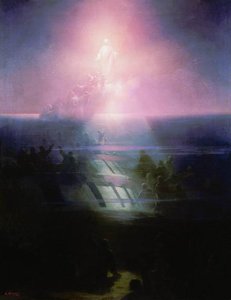
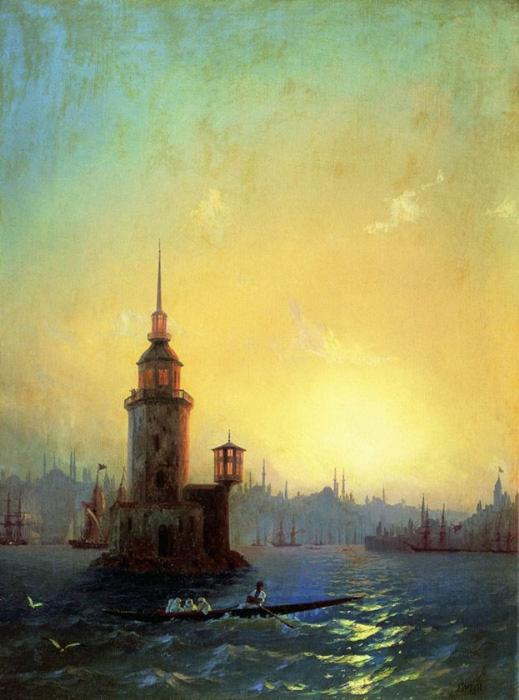
View of Leandrovsk tower in Constantinople
 Romanticism
 1848
1848 58.0 x 45.0 cm
 Третьяковская галерея
 Pročitaj više
Ručno rađena uljana reprodukcija
Ručno oslikano uljanim bojama na platnu u dimenzijama i okviru po vašem izboru, izrađeno po porudžbini od strane naših umetnika. ( Kupi print Kupi digitalnu sliku)




P118B $10

P118H $10

P118W $10

P438Z $10

P508JH $12

P508YH $12

P805H $10

P805Z $10

P919BZ $10

P919G $10

P919XJ $10

P959ZH $10

P968JZ $12

W106C $8

W218G $10

W218JH $8

W218Y $10

W307PJ $10

W316G $10

W316PJ $8

W316Y $10

W398PJ $8

W4111J $10

W500HY $15

W500JH $15

W692G $12

W849H $8

W940BG $15

W953PJ $8




Izaberite jednu od naših unapred definisanih veličina koje odgovaraju originalnim proporcijama umetničkog dela.

Можете унети сопствене димензије како бисте прилагодили дело одређеном оквиру или простору. Ако одабрана величина не одговара пропорцијама оригинала, слика ће бити исечена или проширена додатним елементима који се ручно насликавају. Дигитални prikaz ће вам бити послат на одобрење пре почетка производње.
Имајте на уму да преглед на екрану не одражава стварно исецање или проширење. Само приказ (mockup) ће тачно приказати коначну композицију.
Иако су доступне прилагођене величине, препоручујемо да одаберете димензију из дефинисане листе како бисте сачували оригиналне пропорције.
Nakon narudžbine, tim ArtsDot.com će klijentu putem e-pošte poslati uputstva i dostaviti prikaz predloženog rešenja
Isporuka širom sveta () za 3/4 nedelje umesto uobičajenih 5 nedelja. (24 август). Bez kompromisa po pitanju kvaliteta.

Besplatna ekspresna dostava širom sveta

Visokokvalitetno laneno platno

Kompletno osiguranje transporta

Garancija povraćaja carine i uvoznih dažbina

Garancija vernosti boja

Politika povrata u roku od 60 dana (samo u slučaju nedostataka)

Garancija povrata novca od 100%

Popust pri grupnoj kupovini
 Opcija sa staklom dostupna je samo za dimenzije manje od 110 cm

View of Leandrovsk tower in Constantinople
Tehnika reprodukcije
Dimenzije reprodukcije
-


Konačna cena
$ 263
Opis umetničkog dela
A Symphony of Light and Sea: Exploring Ivan Aivazovsky’s ‘View of Leandrovsk Tower in Constantinople’
The painting “View of Leandrovsk Tower in Constantinople,” executed by Ivan Konstantinovich Aivazovsky in 1848, transcends mere depiction; it embodies a profound connection to the maritime spirit and captures a moment of tranquil contemplation amidst the grandeur of imperial Russia. Housed within the Tretyakov Gallery in Moscow—a testament to Russia’s artistic heritage—this canvas (58 x 45 cm) invites viewers into a meticulously crafted seascape that speaks volumes about Aivazovsky's artistic vision and his unwavering fascination with the ocean’s captivating allure.The Artist’s Vision: Capturing Transient Beauty
Ivan Konstantinovich Aivazovsky, born Hovhannes Aivazian in 1817, wasn’t simply a painter; he was an obsessive devotee of the sea—a realm he perceived as both formidable and exquisitely beautiful. His formative years spent in Feodosia, Crimea, instilled within him an unparalleled understanding of coastal landscapes and the rhythms of marine life. This intimate familiarity translated into his distinctive artistic style: characterized by bold color palettes, loose brushstrokes, and a masterful manipulation of light—elements that are palpably present in ‘View of Leandrovsk Tower.’ Unlike many of his contemporaries who favored idealized representations, Aivazovsky sought to convey the dynamism inherent in nature, striving to capture fleeting moments of sublime splendor.Technique and Composition: Mastering Impressionistic Brilliance
Aivazovsky’s technique exemplifies the burgeoning Impressionist movement, prioritizing immediate sensory experience over academic precision. Thick impasto—a textural layering of paint—dominates the canvas, particularly around the lighthouse tower and its surrounding waters, creating a palpable sense of depth and atmosphere. The artist skillfully employs complementary colors – blues and oranges – to heighten visual impact and illuminate the scene with an ethereal glow. Notice how the light dances across the surface of the sea, reflecting off the water droplets and casting long shadows that contribute to the painting’s dramatic composition. The placement of the lighthouse tower—a symbol of guidance and resilience—serves as a focal point, drawing the eye inward while simultaneously anchoring the viewer within the expansive seascape.Historical Context: Constantinople Under Imperial Influence
Painted during the reign of Tsar Nicholas I, ‘View of Leandrovsk Tower’ reflects the broader artistic trends of the era – a renewed interest in Romanticism blended with emerging Impressionistic sensibilities. Constantinople (modern Istanbul), then the capital of the Ottoman Empire and a vital hub of trade and diplomacy for Russia, held considerable symbolic importance. The lighthouse tower itself represented Russian ambition and technological prowess—a deliberate assertion of power against perceived rivals. Furthermore, Aivazovsky’s depiction aligns with the Romantic preoccupation with sublime landscapes – vistas that inspire awe and contemplation in response to nature's overwhelming grandeur.Symbolism: Tranquility Amidst Turbulent Seas
Beyond its aesthetic qualities, ‘View of Leandrovsk Tower’ carries subtle symbolic resonance. The calm waters surrounding the lighthouse convey a sense of serenity—a counterpoint to the anxieties of the time. Yet, beneath this placid surface lies an underlying tension; the presence of boats suggests movement and potential danger, reminding us that beauty often exists alongside uncertainty. The solitary figure standing near the tower embodies contemplation and observation – inviting viewers to pause and appreciate the magnificence of the natural world.Emotional Impact: A Breathless Encounter with Coastal Majesty
Ultimately, ‘View of Leandrovsk Tower’ succeeds in transporting the viewer to a place of profound emotional resonance. Its luminous colors and textured brushstrokes evoke the invigorating freshness of the sea air—capturing not merely what is seen but how it feels. The painting's tranquil atmosphere fosters a sense of peace and wonder, prompting reflection on the enduring power of nature to inspire beauty and contemplation. Owning a high-quality reproduction allows you to experience this breathtaking seascape firsthand – bringing a piece of Ivan Aivazovsky’s artistic legacy into your home.Srodna umetnička dela
Biografija umetnika
Ivan Konstantinovich Aivazovsky – Hovhannes Aivazian: Embodies the Romantic Movement’s Emphasis on Emotion, Imagination, and the Sublime Power of Nature
Ivan Konstantinovich Aivazovsky, born Hovhannes Aivazian in 1817, was more than just a painter of seascapes; he was a conduit to the ocean's soul. His very existence seemed inextricably linked to the Black Sea—a vast, unpredictable expanse that would forever dominate his artistic vision and fuel an extraordinary career spanning nearly six decades. Born in the Crimean port city of Feodosia, Aivazovsky didn’t merely observe the sea; he felt it – its raw energy, sublime beauty, and inherent danger becoming the very essence of his art. From a young age, this connection was nurtured, initially by local architect Jacob Koch who recognized the boy’s talent, then blossoming within the rigorous academic environment of the Imperial Academy of Arts in Saint Petersburg. Yet, formal training alone couldn't account for the depth of Aivazovsky’s understanding; it was the constant presence of salt-laced air and the cries of gulls that truly shaped his artistic sensibility. His Armenian heritage also played a significant role, as he was baptized at the St. Sargis Armenian Church in Feodosia and maintained strong cultural ties throughout his life, occasionally incorporating Armenian themes into his expansive body of work.Early Life and Artistic Beginnings
Aivazovsky’s formative years were marked by an unwavering fascination with the sea—a passion that would permeate every aspect of his artistic endeavors. Despite humble beginnings in Feodosia, he possessed a remarkable aptitude for drawing from a young age, nurtured by Koch's encouragement and subsequently honed at Saint Petersburg Academy. This early exposure to artistic principles instilled in him a disciplined approach to painting, yet it was equally complemented by an intuitive grasp of the sea’s moods—a sensitivity that distinguished him from many of his contemporaries. The influence of Romanticism is palpable in his formative years; artists like Turner and Friedrich captivated him with their depictions of dramatic landscapes and emotive expressions of human experience. These encounters would profoundly shape his artistic vision, informing his stylistic choices and fueling his desire to capture the sublime—the awe-inspiring grandeur of nature that transcends rational comprehension.The Rise of a Marine Master: Academic Training and European Travels
Aivazovsky’s formal education at Saint Petersburg Academy provided him with invaluable technical skills and theoretical knowledge, equipping him for a distinguished artistic career. However, his intellectual curiosity extended beyond the confines of academia; he embarked on extensive travels throughout Europe in the early 1840s—a journey that exposed him to new artistic influences and broadened his understanding of the world. Italy proved particularly transformative, immersing him in vibrant landscapes and capturing the brilliance of Venetian light. These experiences honed his observational abilities and refined his technique, allowing him to synthesize disparate styles into a uniquely expressive aesthetic. He wasn’t merely copying what he saw; he was striving to convey emotion—to communicate the grandeur and terror of nature with breathtaking precision.Service to the Russian Navy and Artistic Flourishing
A pivotal moment arrived in 1887 when Aivazovsky was appointed official artist of the Russian imperial navy—a position that granted him unparalleled access to maritime life, naval battles, and firsthand observation. This wasn’t merely a prestigious title; it was an opportunity to immerse himself in the world of seafaring, translating his artistic sensibilities into monumental canvases depicting heroic encounters with the ocean. He became intimately acquainted with the daily rhythms of naval service—the camaraderie among sailors, the thrill of combat, and the sheer physicality of shipboard existence—elements that infused his paintings with authenticity and immediacy. The patronage of Czar Nicholas I further solidified his reputation as a national icon—a symbol of Russian strength and artistic achievement. During this period, he produced an astonishing output of approximately 6,000 paintings—a testament to his unwavering dedication and prodigious talent.Signature Style: Dramatic Composition and Luminosity
Aivazovsky’s distinctive style is characterized by dramatic compositions that convey a sense of movement and grandeur—often depicting turbulent seascapes dominated by towering waves and stormy skies. He skillfully employed atmospheric perspective, creating luminous textures and capturing fleeting light effects with remarkable accuracy. His technique involved applying paint in thin layers to achieve an ethereal glow—a hallmark of Romanticism that distinguishes his work from more conventional depictions of the sea. Notable masterpieces include *The Ninth Wave*, which portrays a harrowing shipwreck scene imbued with palpable emotion; *A Ship in a Stormy Sea*, capturing the terror and majesty of naval combat; and *Seascape with Full Moon*, bathed in silvery light—a testament to Aivazovsky’s mastery of nocturnal landscapes. His paintings resonate with viewers today because they capture not only visual beauty but also profound psychological depth—reflecting humanity's relationship with nature and confronting themes of courage, vulnerability, and transcendence. He remains one of the most celebrated marine artists in history, securing his place as a cornerstone of Russian Romanticism and an enduring symbol of artistic excellence. ## Legacy and Influence Ivan Konstantinovich Aivazovsky’s influence extended far beyond his own lifetime—inspiring generations of artists who sought to emulate his stylistic innovations and capture the sublime power of nature. His paintings continue to captivate audiences worldwide, exhibited in museums across continents and celebrated for their emotional resonance and technical brilliance. He solidified Russia's artistic reputation on the international stage and cemented his place as a titan among Romantic painters. Aivazovsky’s legacy endures not only through his enduring artworks but also through the inspiration he provided to countless aspiring artists—a testament to his profound contribution to the history of art.
Иван Константинович Айвазовский
1817 - 1900 , Русија
Osnovne informacije
- Artistic Movement Or Style: Romantička umetnost, Morska slikarstvo
- Artists Who Influenced This Artist:
- Claude Lorrain
- Salvator Rosa
- Jacob van Ruisdael
- Date Of Birth: 1817
- Date Of Death: 1900
- Full Name: Ivan Konstantinovich Aivazovsky
- Nationality: Ruski-Armenski
- Notable Artworks:
- Morska buka
- Šipa u buri
- Mor sa punim mesecem
- Place Of Birth: Feodosia, Rusija
Povezani članci
Ivan Aivazovsky: Mastering Light & Emotion in 19th-Century Marine Painting
Explore the captivating world of Ivan Aivazovsky, a master of 19th-century marine painting. Discover his techniques, iconic artworks & lasting legacy in this expert guide.
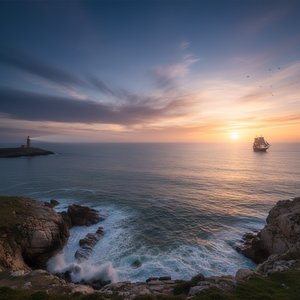
The Allure of the Horizon: A Comprehensive Exploration of Seascape Art Through History & Emotion
Explore the captivating world of seascape art! Discover its history, key artists & movements – from Dutch Masters to Impressionism. Expert insights for collectors and enthusiasts at ArtsDot.

Dark Masterpieces: 10 Iconic Paintings Dominated by Black Tones |
Explore 10 iconic paintings dominated by black tones, from Rembrandt’s chiaroscuro to Goya's dark expressions. Discover the stories behind these masterpieces & find museum-quality art reproductions for your home at .
Mars Black Masterpieces: 10 Iconic Paintings & Timeless Art Decor Ideas
Delve into the power of 'Mars Black' with 10 iconic paintings by masters like Rembrandt & Caravaggio. Explore dramatic chiaroscuro, gothic art, and timeless beauty. Find museum-quality reproductions & elevate your home decor on .
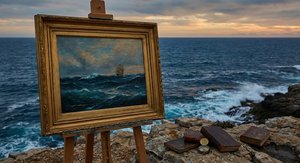
The Azure Depths: Exploring Representations of the Ocean in Art History
Explore the rich history of ocean art! Discover Romantic seascapes, renowned artists like Aivazovsky & Harris, and expert guidance for collectors at ArtsDot.com.