

 Pregledaj u prostoru
 Pošalji
 Podeli
 Detalji o delu

 Преузми
 Slični predmeti
 Rendgenski snimak
 Slajdovi
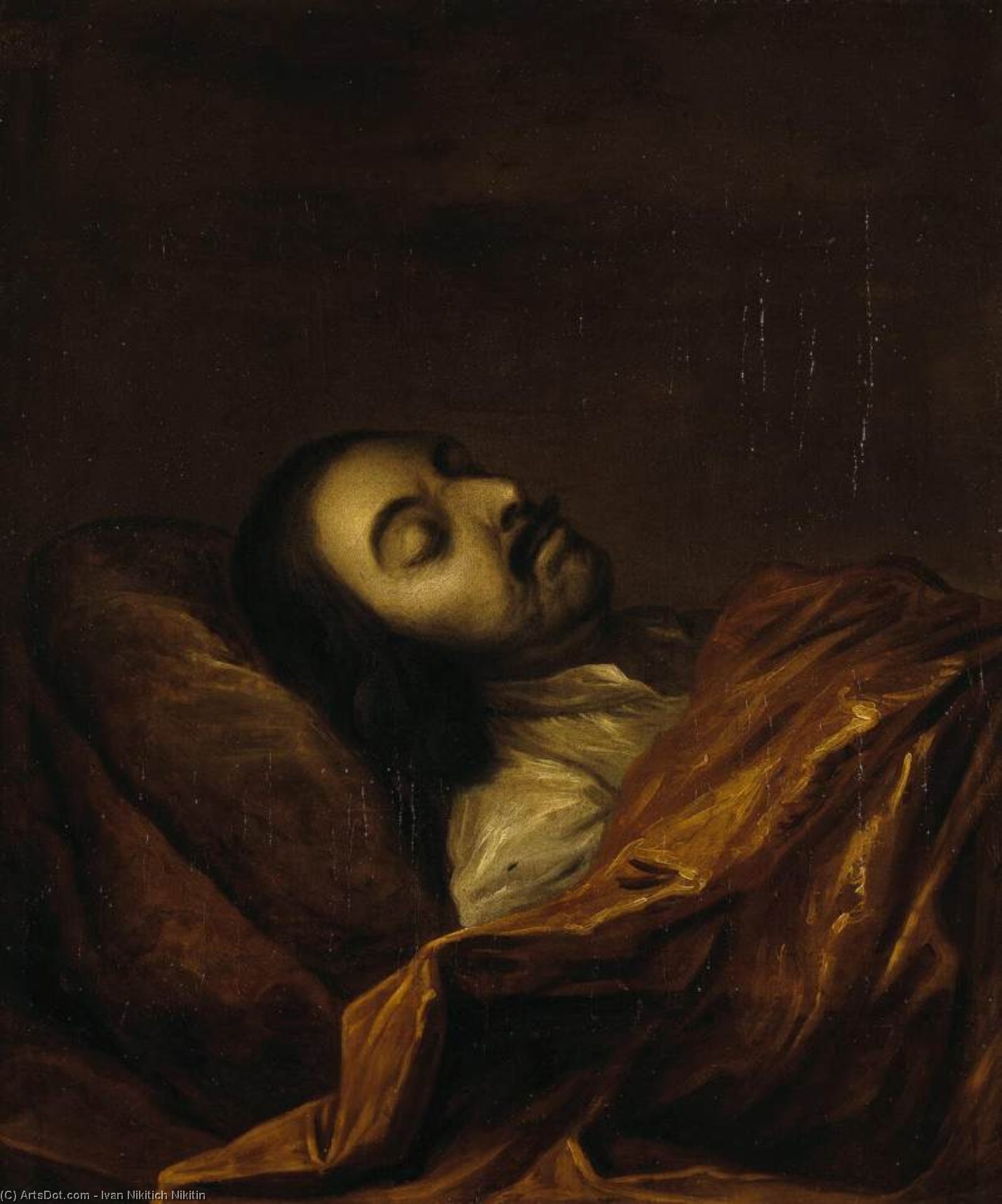
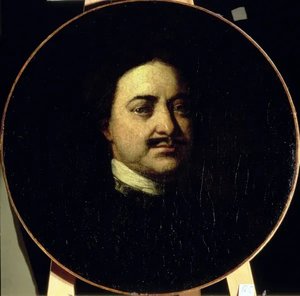
Portrait of Peter the Great on his Death-Bed
 Oil On Canvas
- WallArt
- Baroque
 1725
1725 78.0 x 66.0 cm
 Hermitage Museum
 Pročitaj više
Giclee štampa / Umetnički otisak
Giclée štampa ili print na platnu muzejskog kvaliteta uz brzu proizvodnju i fleksibilne opcije završne obrade. ( Kupi ručno naslikanu sliku Kupi digitalnu sliku)




P118B $10

P118H $10

P118W $10

P438Z $10

P508JH $12

P508YH $12

P805H $10

P805Z $10

P919BZ $10

P919G $10

P919XJ $10

P959ZH $10

P968JZ $12

W106C $8

W218G $10

W218JH $8

W218Y $10

W307PJ $10

W316G $10

W316PJ $8

W316Y $10

W398PJ $8

W4111J $10

W500HY $15

W500JH $15

W692G $12

W849H $8

W940BG $15

W953PJ $8




Izaberite jednu od naših unapred definisanih veličina koje odgovaraju originalnim proporcijama umetničkog dela.

Možete uneti sopstvene dimenzije kako biste umetničko delo prilagodili specifičnom okviru ili prostoru. Ako odabrani format ne odgovara proporcijama originalne slike, mi ćemo ili iscrtati deo dela ili proširiti sliku pomoću ogledane ivice ili jednobojnog popunjavanja. Digitalni prikaz će vam biti poslat na odobrenje pre početka proizvodnje.
Imajte na umu da pregled na ekranu ne odražava stvarno iscrtavanje ili proširivanje. Samo će prikaz (mockup) precizno pokazati finalnu kompoziciju.
Iako su prilagođene dimenzije dostupne, preporučujemo da odaberete dimenziju sa unapred definisane liste kako biste očuvali originalne proporcije.
Dostava širom sveta () za 2 nedelje umesto uobičajenih 4/5 nedelja. (26 август)

Besplatna ekspresna dostava širom sveta

Visokokvalitetno laneno platno

Kompletno osiguranje transporta

Garancija povraćaja carine i uvoznih dažbina

Garancija vernosti boja

Politika povrata u roku od 60 dana (samo u slučaju nedostataka)

Garancija povrata novca od 100%

Popust pri grupnoj kupovini
 Opcija sa staklom dostupna je samo za dimenzije manje od 110 cm

Portrait of Peter the Great on his Death-Bed
Giclee štampa / Umetnički otisak
Dimenzije reprodukcije
-


Konačna cena
$ 62
Opis predmeta
A Chronicle of Sorrow: Ivan Nikitin’s ‘Portrait of Peter the Great on His Death-Bed’
Ivan Nikitin's 1725 painting, “Portrait of Peter the Great on His Death-Bed,” is not merely a depiction of mortality; it’s a profound meditation on power, loss, and the weighty legacy of an empire. The canvas breathes with a palpable sense of melancholy, drawing the viewer into a scene both intimate and monumental – the final moments of Tsar Peter I, the architect of modern Russia. The painting immediately commands attention through its dramatic use of chiaroscuro, a technique borrowed heavily from Baroque art, where stark contrasts between light and shadow sculpt the figure’s form and amplify the emotional intensity. The deep blacks and muted browns dominate, creating an atmosphere of somber reverence, while strategically placed highlights illuminate Peter's face, emphasizing his vulnerability and the profound sadness etched upon it.
Nikitin masterfully employs texture to further enhance this sense of weight and drama. Thick impasto brushstrokes build up layers on the bedclothes, suggesting a luxurious yet decaying opulence – a visual representation of the vastness and eventual fragility of Peter’s reign. The folds of the fabric are rendered with meticulous detail, conveying both their richness and the burden they represent for the dying Tsar. The artist's attention to detail extends to the subtle nuances of Peter’s face; every wrinkle, every shadow around his eyes speaks volumes about a life lived in relentless pursuit of reform and expansion.
Baroque Drama and Imperial Symbolism
The painting firmly situates itself within the Baroque tradition, characterized by its emotional intensity, dynamic composition, and dramatic use of light. However, Nikitin transcends mere imitation, imbuing the scene with a uniquely Russian sensibility. The subject matter – the death of a powerful ruler – is inherently symbolic, prompting reflection on themes of succession, legacy, and the cyclical nature of history. Peter’s pose, lying prostrate upon his bed, immediately evokes images of kings and emperors throughout Western art, yet the addition of the richly draped bed and the subtle details of Russian courtly attire subtly shift the focus to a distinctly Russian context.
The inclusion of the ermine mantle is particularly significant. Ermines were symbols of imperial power in Russia, representing purity and authority. Its presence here underscores Peter’s status as Tsar while simultaneously highlighting his vulnerability in death. The muted color palette—primarily dark browns, grays, and blacks—contributes to a sense of solemnity and reinforces the painting's themes of loss and remembrance. The composition itself is carefully constructed to draw the viewer’s eye directly to Peter’s face, forcing us to confront his final moments and contemplate the impact of his life.
A Window into 18th-Century Russia
Beyond its artistic merits, “Portrait of Peter the Great on His Death-Bed” offers a valuable glimpse into the cultural and political landscape of 18th-century Russia. The painting was created shortly after Peter’s death in 1725, during a period of intense mourning and reflection within the Russian court. The portrait served as both a memorial to the deceased Tsar and a statement about his legacy – a legacy marked by sweeping reforms, territorial expansion, and a transformation of Russia into a major European power. The painting’s creation coincided with a shift in historical perspective, moving away from solely celebrating military victories towards acknowledging the complexities and contradictions inherent in Peter's reign.
Further research reveals that this work was commissioned by the Hermitage Museum, reflecting its commitment to preserving and showcasing Russian art history. The painting’s journey through time – from its creation to its current location—testifies to its enduring significance as a powerful symbol of Russia's imperial past. The image continues to resonate today, prompting viewers to contemplate the intersection of power, mortality, and artistic expression.
Srodna umetnička dela


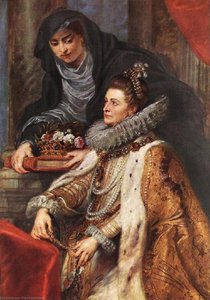
Biografija umetnika
David Teniers the Younger: A Flemish Master of Light and Life
Born in Antwerp around 1610, David Teniers the Younger emerged as a pivotal figure in 17th-century Flemish painting, skillfully blending influences from his father, David Teniers the Elder, with emerging trends in naturalism and genre scenes. While often overshadowed by his more celebrated father, Teniers the Younger carved out a distinct artistic identity, becoming renowned for his vibrant depictions of peasant life, bustling markets, and meticulously rendered landscapes – a style that resonated deeply with the tastes of European courts and collectors.
Teniers’s early training was undoubtedly shaped by his father's legacy. David Teniers the Elder was a prolific artist known for his detailed landscapes and historical subjects, often incorporating elements of Mannerism and Northern Renaissance traditions. However, young David quickly demonstrated an independent spirit, moving beyond simply imitating his father’s style. He began to incorporate influences from Adriaen Brouwer, whose dynamic genre scenes depicting peasant life were gaining popularity at the time, and particularly from Nicolas Poussin, whose classical ideals of composition and color theory would become cornerstones of Teniers's artistic approach.
His early career was marked by a period of apprenticeship and experimentation. He spent several years in Rome, absorbing the principles of classical art and studying the works of masters like Poussin. This Roman sojourn profoundly impacted his style, instilling a deep appreciation for balance, clarity, and idealized beauty – elements that he skillfully integrated into his own distinctive vision. Upon returning to Antwerp, Teniers established himself as an independent master in 1632-33, consciously distancing himself from the purely landscape-oriented work of his father and embracing the burgeoning genre of peasant scenes.
The Rise of a Court Painter
Teniers’s artistic success quickly propelled him to prominence within Antwerp's vibrant art scene. His ability to capture the essence of everyday life, combined with his technical skill and attention to detail, attracted numerous patrons, including wealthy merchants and members of the nobility. A pivotal moment in his career arrived through his marriage to Anna Brueghel, daughter of the renowned painter Peter Paul Bruegel the Elder, forging valuable connections within the artistic community.
His talent eventually caught the eye of Leopold Wilhelm, Archduke Charles II of Austria, who appointed him as court painter in Brussels around 1648. This appointment marked a significant turning point in Teniers’s career, elevating his status and providing him with access to a wider audience. He skillfully navigated the complex political landscape of the Habsburg Netherlands, cultivating relationships with influential figures and securing lucrative commissions for portraits, decorative panels, and elaborate allegorical scenes. His work for the Archduke showcased a refined elegance and a masterful command of color and composition – hallmarks of his mature style.
A Master of Genre and Landscape
Teniers’s artistic output spanned a remarkably diverse range of subjects. While he excelled at depicting bustling market scenes, lively festivals, and intimate domestic interiors, he was equally adept at creating meticulously rendered landscapes that captured the beauty and diversity of the Flemish countryside. His landscapes are characterized by their vibrant colors, atmospheric effects, and detailed depictions of flora and fauna – reflecting a deep appreciation for the natural world.
His genre scenes, in particular, stand out for their immediacy and emotional resonance. He masterfully portrayed the joys and sorrows of peasant life, capturing the warmth, humor, and resilience of ordinary people. His paintings are not merely decorative; they offer valuable insights into the social customs, beliefs, and values of 17th-century Flanders.
Legacy and Influence
David Teniers the Younger died in Antwerp in 1690, leaving behind a substantial body of work that continues to be admired for its technical skill, artistic sensitivity, and vibrant depiction of everyday life. While he may not have achieved the same level of fame as some of his contemporaries, such as Rubens or Van Dyck, his contributions to Flemish painting are undeniable.
His influence can be seen in the work of subsequent generations of artists, who drew inspiration from his masterful use of color, composition, and genre scenes. Teniers’s legacy extends beyond his individual paintings; he helped to establish a new standard for depicting peasant life and landscape – a tradition that would continue to inspire artists for centuries to come.
Today, David Teniers the Younger's works are housed in major museums around the world, offering viewers a glimpse into the vibrant artistic culture of 17th-century Flanders. His paintings serve as a testament to his skill, creativity, and enduring appeal – a reminder that beauty and meaning can be found in the most unexpected places.
ivan nikitich nikitin
1690 - 1742 , Russia
Osnovne informacije
- Artistic Movement Or Style: Genre scenes, staffage
- Artists Or Movements Influenced By This Artist: ['Charles Le Brun']
- Artists Who Influenced This Artist: ['Pieter Bruegel the Elder']
- Date Of Death: April 25, 1690
- Full Name: David Teniers the Younger
- Nationality: Flemish
- Notable Artworks:
- Peasant wedding
- The return from the hunt
- Place Of Birth: WahooArt
Povezani članci

Барокна драма: Уношење величине и емоција у савремене ентеријере
Откријте барокну драму и унесите величину у ваш ентеријер! ArtsDot нуди ручно насликане репродукције, персонализоване портрете и стручне консултације за љубитеље класичне уметности. Потражите савршено дело већ данас!

Barok Majstor dela: Top 10 Umjetničkih Remeka za Vaš Dom
Otkrijte 10 remek dela koja su definisala baroknu umetnost! Karavagio, Bernini i više – istražite priče iza ovih ikoničnih slika. Inspiracija za vaš dom? Pogledajte kolekciju na ArtsDot.com!

The Enduring Power of Painting: A Historical & Contemporary Exploration of Form and Emotion
Explore the rich history & enduring techniques of oil painting with ArtsDot. Discover masterpieces, learn about art collecting, and find authentic handmade reproductions crafted by skilled artists.

The Dramatic Flourish: Exploring the Baroque Movement's Enduring Legacy in Art History
Explore the dramatic world of Baroque art! Discover iconic artists like Caravaggio & Rubens, defining techniques, and its lasting impact on art history. Expert insights for collectors & enthusiasts at ArtsDot.

The Enduring Legacy of Oil on Canvas: Technique, History & Aesthetic Impact
Explore the rich history & techniques of oil painting – from Renaissance masters to Impressionism. Discover pigments, layering methods, and why this timeless medium endures. Expert insights for artists & art enthusiasts.

