

 Pregledaj u prostoru
 Pošalji
 Podeli
 Detalji o delu

 Преузми
 Slični predmeti
 Rendgenski snimak
 Slajdovi
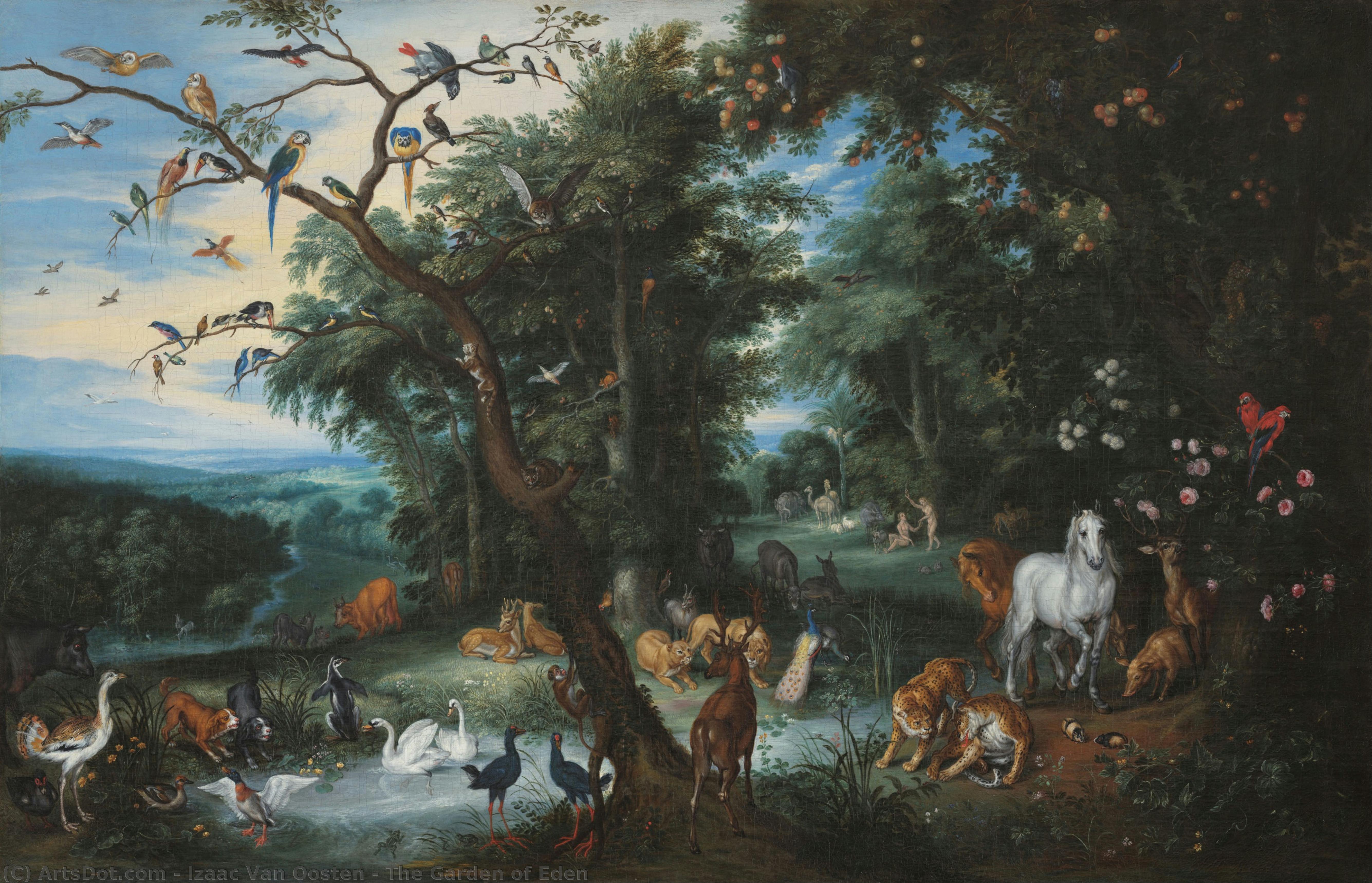
The Garden of Eden


 Pročitaj više
Ručno rađena uljana reprodukcija
Ručno oslikano uljanim bojama na platnu u dimenzijama i okviru po vašem izboru, izrađeno po porudžbini od strane naših umetnika. ( Kupi print Kupi digitalnu sliku)




P118B $10

P118H $10

P118W $10

P438Z $10

P508JH $12

P508YH $12

P805H $10

P805Z $10

P919BZ $10

P919G $10

P919XJ $10

P959ZH $10

P968JZ $12

W106C $8

W218G $10

W218JH $8

W218Y $10

W307PJ $10

W316G $10

W316PJ $8

W316Y $10

W398PJ $8

W4111J $10

W500HY $15

W500JH $15

W692G $12

W849H $8

W940BG $15

W953PJ $8




Izaberite jednu od naših unapred definisanih veličina koje odgovaraju originalnim proporcijama umetničkog dela.

Можете унети сопствене димензије како бисте прилагодили дело одређеном оквиру или простору. Ако одабрана величина не одговара пропорцијама оригинала, слика ће бити исечена или проширена додатним елементима који се ручно насликавају. Дигитални prikaz ће вам бити послат на одобрење пре почетка производње.
Имајте на уму да преглед на екрану не одражава стварно исецање или проширење. Само приказ (mockup) ће тачно приказати коначну композицију.
Иако су доступне прилагођене величине, препоручујемо да одаберете димензију из дефинисане листе како бисте сачували оригиналне пропорције.
Nakon narudžbine, tim ArtsDot.com će klijentu putem e-pošte poslati uputstva i dostaviti prikaz predloženog rešenja
Isporuka širom sveta () za 3/4 nedelje umesto uobičajenih 5 nedelja. (27 август). Bez kompromisa po pitanju kvaliteta.

Besplatna ekspresna dostava širom sveta

Visokokvalitetno laneno platno

Kompletno osiguranje transporta

Garancija povraćaja carine i uvoznih dažbina

Garancija vernosti boja

Politika povrata u roku od 60 dana (samo u slučaju nedostataka)

Garancija povrata novca od 100%

Popust pri grupnoj kupovini
 Opcija sa staklom dostupna je samo za dimenzije manje od 110 cm

The Garden of Eden
Tehnika reprodukcije
Dimenzije reprodukcije
-


Konačna cena
$ 263
Opis umetničkog dela
A Symphony of Life in the Garden of Eden
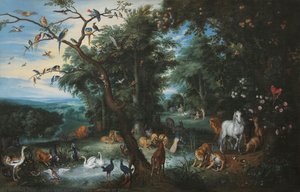
In the quiet mastery of Izaak van Oosten’s The Garden of Eden, we are invited into a realm where the boundaries between the earthly and the divine dissolve. Created in 1661, this breathtaking composition serves as a window into a lost paradise, capturing a moment of profound biological and spiritual harmony. The painting is not merely a landscape; it is an encyclopedic celebration of life itself. As your eyes wander across the lush, verdant expanse, you encounter a staggering assembly of more than one hundred exotic birds and animals, each rendered with a precision that speaks to the artist's deep reverence for the natural world. From the majestic presence of horses standing near the heart of the scene to the gentle grazing of cows in the distant background, Van Oosten orchestrates a visual symphony where every creature plays a vital role in this idyllic tapestry.
The brilliance of this work lies in its ability to blend scientific curiosity with artistic enchantment. During the 17th century, the European consciousness was undergoing a radical transformation, fueled by the discoveries of explorers traversing Asia, Africa, and the Americas. This era of intense interest in natural history is palpable within the brushstrokes of Van Oosten. He brings together species that would never naturally coexist—such as the South American Humboldt penguin alongside the elegant European mute swan—creating a "cabinet of curiosities" on canvas. For the discerning collector or interior designer, this painting offers more than just aesthetic beauty; it provides a narrative of discovery and the human desire to catalog the wonders of the universe.
Technique and the Art of Serenity
Van Oosten’s technique is characterized by a meticulous attention to detail that defines the Flemish Baroque tradition. His ability to render the delicate texture of a bird's plumage, the shimmering light on a distant pond, and the sturdy musculature of grazing livestock creates an immersive experience for the viewer. The composition is masterfully balanced; while the sheer density of fauna could easily overwhelm the eye, Van Oasting uses layers of foliage and varying depths of landscape to guide the gaze toward the subtle presence of Adam and Eve. This careful arrangement ensures that the painting feels both expansive and intimate, a quality that makes it an extraordinary centerpiece for any sophisticated interior.
Beyond its technical prowess, the emotional impact of The Garden of Eden is one of profound tranquility. There is a meditative stillness to the scene, a sense of peace that transcends the centuries. The soft, diffused light and the harmonious coexistence of predator and prey evoke a longing for a state of primordial grace. For those seeking to infuse their living spaces with a sense of calm and wonder, a high-quality reproduction of this masterpiece offers an unparalleled opportunity. It is an invitation to pause, to observe, and to reconnect with the quiet majesty of nature, making it a timeless addition to a curated collection of fine art.
Srodna umetnička dela

Biografija umetnika
Izaak van Oosten: A Flemish Master of Serene Landscapes
Isaac van Oosten (1613-1661) remains a quietly significant figure within the rich tapestry of 17th-century Dutch art. Often overshadowed by his more flamboyant contemporaries, this Antwerp painter carved out a distinctive niche for himself – one defined by meticulously rendered landscapes imbued with a profound sense of tranquility and a subtle, almost meditative quality. His work offers a rare glimpse into a world where nature is not merely depicted but experienced, inviting the viewer to step into a serene realm of rolling hills, shimmering waters, and the quiet grace of wildlife.
Born in Antwerp, Van Oosten’s early life remains shrouded in some mystery. Records suggest he was the son of an art dealer, inheriting both a connection to the artistic world and likely, a practical understanding of its commerce. He entered the Guild of Saint Luke in 1652 at the relatively late age of 39, indicating a deliberate choice to formalize his career after a period of independent practice. While details about his training are scarce – a common characteristic of many artists from this era – it’s believed he honed his skills through observation and perhaps, under the tutelage of established masters within Antwerp’s thriving artistic community.
The Language of Landscape
Van Oosten's distinctive style is immediately recognizable in his landscapes. He eschewed the dramatic, tempestuous scenes favored by some of his contemporaries, instead opting for a palette of muted greens, blues, and browns – colors that evoke a sense of calm and understated beauty. His compositions are typically characterized by open spaces, gently undulating hills, and strategically placed bodies of water—ponds or streams—that reflect the sky above. These elements combine to create an atmosphere of peaceful contemplation.
A recurring motif in his work is the depiction of animals – swans, ducks, peacocks, and occasionally, even penguins (a curious detail reflecting a possible fascination with exotic species) – rendered with remarkable precision and sensitivity. These creatures are not simply presented as subjects; they seem to inhabit a world parallel to that of the human observer, adding another layer of quiet observation to the scene. The integration of these animals into the landscape is seamless, contributing to the overall sense of harmony and balance.
Influences and Artistic Connections
Van Oosten’s artistic development was undoubtedly shaped by the legacy of Antwerp's renowned landscape painters, particularly Jan Brueghel the Elder. The influence of Brueghel is evident in Van Oosten’s meticulous attention to detail, his use of light and shadow, and his ability to capture the essence of a particular moment in nature. However, Van Oosten developed a more restrained and introspective approach, prioritizing atmosphere and mood over dramatic spectacle.
Furthermore, he seems to have been influenced by the later work of Jan Brueghel the Younger, particularly in his depictions of animals and his use of color. The subtle variations in tone and texture that characterize Van Oosten’s paintings—particularly those depicting birds—reflect this influence. It's important to note that while stylistic similarities exist, Van Oosten maintained a distinct artistic identity, forging his own unique path within the broader landscape tradition.
Key Works and Historical Significance
Among Van Oosten’s most celebrated works is “The Garden of Eden,” a panel painting (circa 1655-1661) that exemplifies his signature style. The scene, depicting Adam and Eve in the idyllic paradise before the Fall, is rendered with remarkable detail and a profound sense of serenity. The composition is carefully balanced, drawing the viewer’s eye to the central figures while simultaneously immersing them in the beauty of the surrounding landscape.
“The Fall of Man,” another significant panel painting, showcases Van Oosten's ability to convey complex narratives through subtle visual cues. The scene depicts the expulsion from Eden, with Adam and Eve fleeing into a desolate wilderness. The contrast between the vibrant colors of paradise and the muted tones of exile underscores the tragedy of their loss.
Despite his relatively modest profile, Isaac van Oosten’s work holds considerable historical significance. He represents a vital link in the chain of landscape painting tradition that evolved in Antwerp during the 17th century. His paintings offer a valuable insight into the artistic sensibilities of a period characterized by both great wealth and profound spiritual reflection. His quiet mastery of light, color, and composition continues to resonate with viewers today, inviting them to pause, reflect, and appreciate the enduring beauty of the natural world.
izaac van oosten
1613 - 1661
Osnovne informacije
- Artistic Movement Or Style: Baroque Landscape
- Artists Who Influenced This Artist: ['Jan Brueghel the Elder],\n "Artists or movements influenced by this artist": ["Antwerp School"]\n}']
- Date Of Birth: 1613-12-10
- Date Of Death: 1661-12
- Full Name: Izaak van Oosten
- Nationality: Flemish
- Notable Artworks:
- The Garden of Eden
- Creation of Animals
- Place Of Birth: Antwerp, Belgium
Povezani članci

25 Remek-dela Džona Konstebla: Lepota Engleske na Platnu | ArtsDot
Uronite u svet Džona Konstebla! Otkrijte 25 remek-dela engleskog pejzaža, romantizma i seoske idile. Kupite reprodukcije slika vrhunskog kvaliteta za dekoraciju enterijera na ArtsDot.com.
Serene Visions: Exploring Themes of Tranquility in Art History & Contemporary Practice
Explore the history of serene landscape art & discover artists who evoke tranquility. Find the perfect calming artwork for your home with expert guidance from ArtsDot.

Evocations of Place: A Historical Journey Through Landscape Art
Explore the rich history of landscape art with ArtsDot. Discover renowned artists, movements like Impressionism & Romanticism, and expert guidance for collecting timeless pieces. Find your perfect serene escape today!
Charles Leickert: Capturing the Dutch Golden Age Light – A Comprehensive Study of Technique, Context, and Legacy
Explore the captivating winter landscapes of Charles Leickert, a master of Dutch Golden Age light & atmosphere. Discover his techniques, symbolism, and lasting legacy – a comprehensive study for art enthusiasts and collectors.
Jan van Goyen: Master of Dutch Landscape & Atmospheric Perspective
Discover Jan van Goyen, the master of Dutch landscape painting. Explore his subtle technique, atmospheric realism & lasting influence on art history. Learn about this 17th-century pioneer at ArtsDot.

