

 Pregledaj u prostoru
 Pošalji
 Podeli
 Detalji o delu

 Преузми
 Slični predmeti
 Rendgenski snimak
 Slajdovi
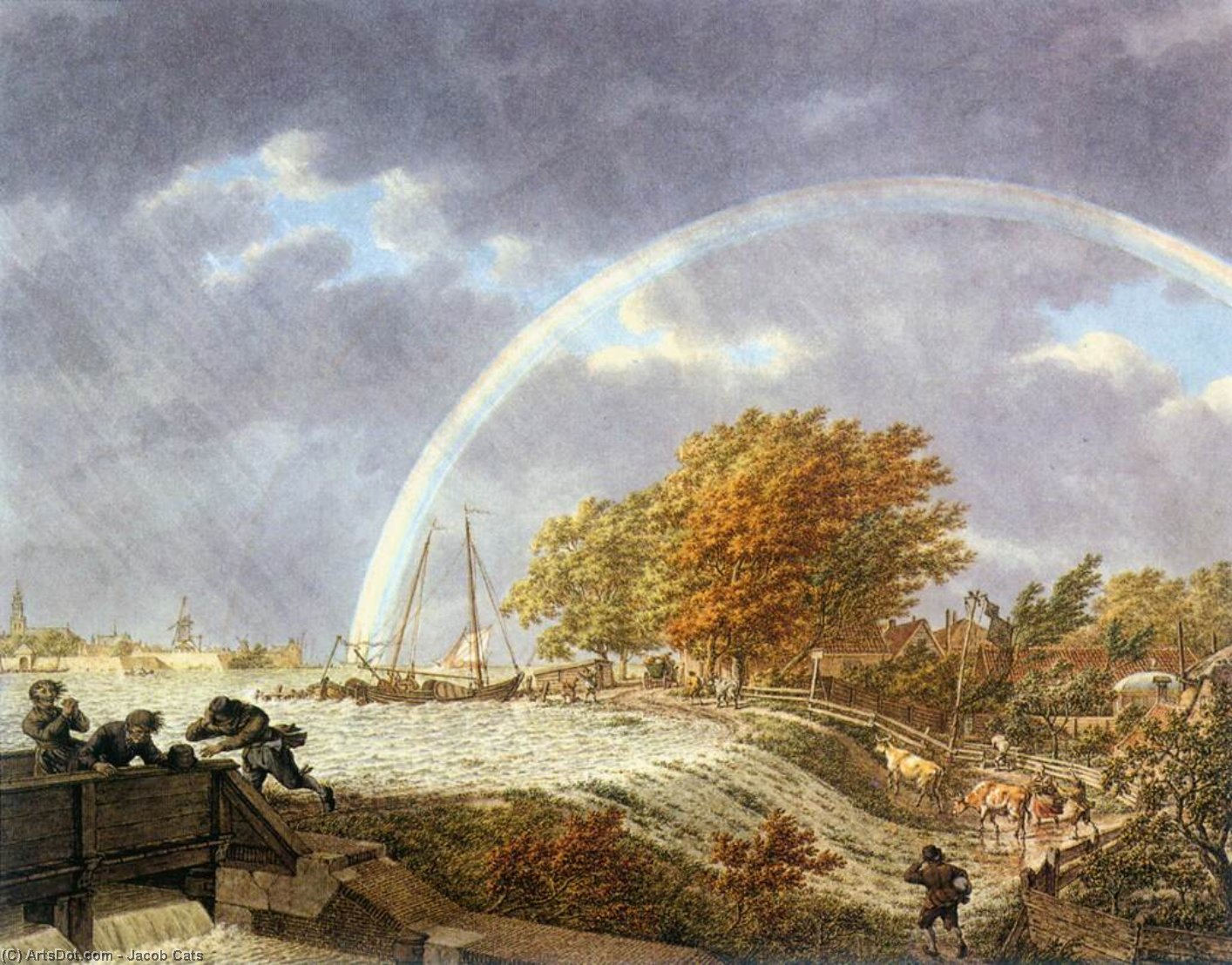
Autumn Landscape with Rainbow
 Acrylic On Canvas
- WallArt
- Baroque Color
 1779
1779 334.0 x 415.0 cm
 Rijksmuseum
 Pročitaj više
Ručno rađena uljana reprodukcija
Ručno oslikano uljanim bojama na platnu u dimenzijama i okviru po vašem izboru, izrađeno po porudžbini od strane naših umetnika. ( Kupi print Kupi digitalnu sliku)




P118B $10

P118H $10

P118W $10

P438Z $10

P508JH $12

P508YH $12

P805H $10

P805Z $10

P919BZ $10

P919G $10

P919XJ $10

P959ZH $10

P968JZ $12

W106C $8

W218G $10

W218JH $8

W218Y $10

W307PJ $10

W316G $10

W316PJ $8

W316Y $10

W398PJ $8

W4111J $10

W500HY $15

W500JH $15

W692G $12

W849H $8

W940BG $15

W953PJ $8




Izaberite jednu od naših unapred definisanih veličina koje odgovaraju originalnim proporcijama umetničkog dela.

Можете унети сопствене димензије како бисте прилагодили дело одређеном оквиру или простору. Ако одабрана величина не одговара пропорцијама оригинала, слика ће бити исечена или проширена додатним елементима који се ручно насликавају. Дигитални prikaz ће вам бити послат на одобрење пре почетка производње.
Имајте на уму да преглед на екрану не одражава стварно исецање или проширење. Само приказ (mockup) ће тачно приказати коначну композицију.
Иако су доступне прилагођене величине, препоручујемо да одаберете димензију из дефинисане листе како бисте сачували оригиналне пропорције.
Nakon narudžbine, tim ArtsDot.com će klijentu putem e-pošte poslati uputstva i dostaviti prikaz predloženog rešenja
Isporuka širom sveta () za 3/4 nedelje umesto uobičajenih 5 nedelja. (31 август). Bez kompromisa po pitanju kvaliteta.

Besplatna ekspresna dostava širom sveta

Visokokvalitetno laneno platno

Kompletno osiguranje transporta

Garancija povraćaja carine i uvoznih dažbina

Garancija vernosti boja

Politika povrata u roku od 60 dana (samo u slučaju nedostataka)

Garancija povrata novca od 100%

Popust pri grupnoj kupovini
 Opcija sa staklom dostupna je samo za dimenzije manje od 110 cm

Autumn Landscape with Rainbow
Tehnika reprodukcije
Dimenzije reprodukcije
-


Konačna cena
$ 263
A Symphony of Light and Landscape – Jacob Cats’ “Autumn Landscape with Rainbow”
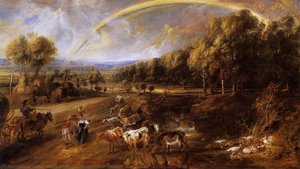
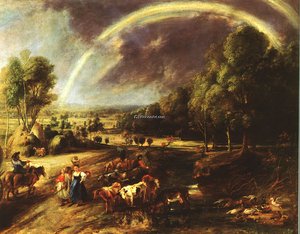
Jacob Cats' "Autumn Landscape with Rainbow," painted in 1779, is more than just a depiction of a serene countryside; it’s a carefully constructed meditation on nature’s beauty, the promise of renewal, and the subtle interplay between earthly observation and divine grace. Executed in watercolor and pencil on a substantial canvas measuring 334 x 415 cm (131 ¼ x 163 ¼ ins), the painting immediately draws the viewer into its tranquil scene – a gathering of figures near a body of water, framed by rolling hills and punctuated by the vibrant arc of a rainbow. The sheer scale of the work invites contemplation, fostering an intimate connection with the depicted world.
Cats, a prominent figure in the Dutch Golden Age, was deeply rooted in the traditions of landscape painting while simultaneously embracing the burgeoning Romantic sensibility. His style is characterized by a meticulous attention to detail, evident in the realistic rendering of the trees, foliage, and even the individual figures. However, he departs from strict realism through his masterful use of color – a hallmark of his Baroque influence. The palette isn’t merely descriptive; it's emotionally charged, employing rich, saturated hues that evoke the warmth of sunlight filtering through autumn leaves and the cool blues and violets of the sky.
The Dutch Landscape Tradition and Baroque Influence
To fully appreciate “Autumn Landscape with Rainbow,” one must understand its place within the broader context of Dutch landscape painting. For centuries, the Netherlands had cultivated a unique tradition of depicting scenes from everyday life – windmills, canals, fields of grain – often imbued with a sense of civic pride and economic prosperity. Cats, however, transcends this purely representational approach. He incorporates elements of Baroque art, particularly in his dramatic use of light and shadow, and his dynamic composition. The rainbow itself—a fleeting, ethereal phenomenon—is rendered with an almost theatrical intensity, suggesting a moment of heightened beauty and wonder.
The painting’s roots can also be traced to the artistic circles of Bruges, where Cats spent his formative years. This exposure to Flemish masters like Peter Paul Rubens profoundly shaped his style, instilling in him a love for vibrant color, dynamic movement, and an exuberant celebration of life. The influence of Rubens is particularly evident in the painting’s overall energy—a sense of vitality that permeates every brushstroke.
Symbolism and Narrative Depth
Beyond its purely aesthetic qualities, “Autumn Landscape with Rainbow” is rich in symbolic meaning. The figures gathered by the water's edge represent a community connected to nature, engaging in activities of leisure and social interaction. Their presence suggests a harmonious relationship between humanity and the natural world – a theme central to many Dutch artists of the period. The rainbow itself holds multiple layers of symbolism. In Christian tradition, it’s often associated with God’s covenant—a promise of hope and redemption after a storm. Here, it acts as a visual metaphor for renewal, suggesting that even after periods of hardship or uncertainty, beauty and prosperity will return.
The inclusion of animals – a horse and a cow – further enriches the painting's symbolic landscape. Animals were frequently used in Dutch art to represent fertility, abundance, and the cyclical rhythms of nature. Their presence reinforces the painting’s message of harmony and prosperity. The careful arrangement of these elements creates a narrative that invites interpretation—a story about connection, hope, and the enduring beauty of the natural world.
A Timeless Masterpiece – Reproduction Possibilities
“Autumn Landscape with Rainbow” remains a captivating work of art, offering viewers a glimpse into the artistic sensibilities of 18th-century Holland. Today, high-quality reproductions are available through platforms like ArtsDot.com, allowing enthusiasts to bring this timeless masterpiece into their homes and offices. The meticulous detail and vibrant colors of the original painting are faithfully captured in these reproductions, ensuring that its beauty and emotional impact can be enjoyed by a wider audience. Consider framing your reproduction within a classic wooden frame to further enhance its visual appeal and evoke the spirit of the era.
Whether you’re an art collector, an interior designer seeking inspiration, or simply someone who appreciates the beauty of nature, “Autumn Landscape with Rainbow” offers a profound and rewarding experience. It's a testament to Jacob Cats’ artistic skill and his ability to capture the essence of the Dutch landscape—a scene that continues to resonate with viewers centuries later.
Srodna umetnička dela
Biografija umetnika
Peter Paul Rubens: The Master of Baroque Color
Born in Siegen, Germany, in 1577, Peter Paul Rubens’s life was a vibrant tapestry woven from artistic ambition, diplomatic service, and profound personal loss. His early years were marked by upheaval – his father’s death forced the family to relocate to Antwerp, Belgium, a bustling center of trade and art. This relocation proved pivotal, immersing young Rubens in the rich artistic environment that would shape his extraordinary career. Initially apprenticed to Tobias Verhaecht, Adam van Noort, and Otto van Veen, he quickly surpassed his teachers, absorbing the techniques of the Renaissance masters while simultaneously forging a distinctly Baroque style characterized by dynamic composition, intense color palettes, and an exuberant celebration of life.
Rubens’s journey to artistic maturity began with a transformative trip to Italy in 1600. He spent eight years meticulously studying the works of Raphael, Michelangelo, Titian, and other giants of the Renaissance. This period wasn't merely about imitation; it was an intellectual and emotional immersion, fueling his desire to synthesize classical ideals with contemporary sensibilities. He returned to Antwerp a changed artist, imbued with a newfound confidence and a commitment to pushing the boundaries of artistic expression. His early works, such as “The Descent from the Cross” (1612-13) and “The Raising of the Cross” (1610-11), demonstrated his mastery of history painting – monumental scenes depicting biblical narratives or historical events – but it was his innovative use of color and dramatic lighting that truly set him apart.
Antwerp: A Studio and a Kingdom
Rubens established his studio in Antwerp, transforming it into more than just a workshop; it became a vibrant hub of artistic activity. He employed a large team of assistants, skillfully delegating tasks while maintaining meticulous control over the final product. This system allowed him to manage an astonishingly prolific output – hundreds of paintings, sculptures, and designs that adorned palaces and churches across Europe. His home, a grand residence reflecting Italian Renaissance influences, was not merely a dwelling but a testament to his wealth and artistic tastes; it housed a vast collection of antiquities, gems, and curiosities, serving as an ongoing source of inspiration.
Rubens’s career was inextricably linked to the political landscape of the Netherlands. He served as court painter to Archduke Albert and Isabella, playing a crucial role in diplomatic negotiations between the Spanish rulers and the Dutch rebels. This involvement extended beyond artistic commissions; he acted as an envoy, fostering relationships with European royalty and navigating complex political alliances. His travels throughout Europe – to France, England, Spain, and Germany – were often undertaken on official business, further cementing his reputation as a versatile and influential figure.
The Art of Rubens: Color, Movement, and Emotion
Rubens’s artistic style is instantly recognizable by its vibrant color palette, dynamic compositions, and masterful rendering of human form. He rejected the cool, restrained tones favored by some of his contemporaries, embracing a bold and sensual approach to color – reds, yellows, blues, and greens were used liberally to create an atmosphere of intense emotion and vitality. His figures are rarely static; they are caught in moments of dramatic action, imbued with energy and movement.
Rubens’s technique involved layering thin glazes of paint over a dark ground, creating a luminous effect that seemed to radiate from within. He employed a ‘lost-and-found’ technique, subtly concealing details beneath layers of color, inviting the viewer to actively engage with the painting and discover new elements upon repeated viewing. His mastery of light and shadow – *chiaroscuro* – further enhanced the dramatic impact of his compositions.
Legacy and Influence
Peter Paul Rubens died in Antwerp on May 30, 1640, leaving behind a legacy that continues to inspire artists today. He is considered one of the greatest painters of all time, a pivotal figure in the development of Baroque art. His influence can be seen in the works of countless artists who followed, from Anthony van Dyck (his most famous pupil) to Rembrandt and even Impressionist painters like Monet, who admired his use of color. Rubens’s emphasis on emotional expression, dynamic composition, and vibrant color palettes cemented his place as a master of Baroque art – a painter who captured the exuberance and drama of life itself.
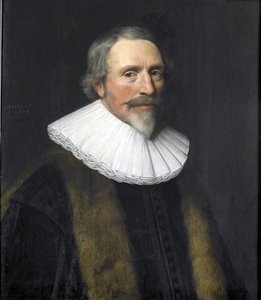
jacob cats
1577 - 1660 , Netherlands
Osnovne informacije
- Artistic Movement Or Style: Baroque
- Artists Or Movements Influenced By This Artist: ["Rubens' style influenced many"]
- Artists Who Influenced This Artist:
- Titian
- Tintoretto
- Raphael
- Date Of Birth: June 28, 1577
- Date Of Death: May 30, 1640
- Full Name: Peter Paul Rubens
- Nationality: Flemish
- Notable Artworks:
- Descent from the Cross
- Raising of the Cross
- The Garden of Love
- Place Of Birth: Siegen, Germany
Povezani članci

Watercolor Wonders: 10 Masterpieces That Redefined Art History | ArtsDot
Journey through 10 legendary watercolor masterpieces by Sargent, Turner & Homer! Explore iconic landscapes, portraits & floral art that redefined history. Find museum-quality reproductions and curated decor ideas at ArtsDot.com.

Ephemeral Visions: Exploring the Artistic Legacy & Contemporary Practice of Watercolor Painting
Explore the captivating world of watercolor painting! Discover its rich history, essential techniques, influential artists & collecting tips. A comprehensive guide for art enthusiasts from ArtsDot.

Ephemeral Visions: Exploring the History & Emotional Resonance of Watercolor Painting
Explore the captivating history of watercolor painting, from ancient techniques to modern masters like Kandinsky & Blake. Discover essential artists, collecting tips & the emotional power of this luminous medium. Expert insights for art enthusiasts.

Ephemeral Visions: Exploring the Artistic Legacy & Nuances of Watercolor Painting
Explore the captivating world of watercolor painting! Discover its rich history, essential techniques, influential artists & collecting tips from art experts. A comprehensive guide for enthusiasts.
Ephemeral Echoes: Exploring the Aesthetic & Historical Significance of Vintage Watercolor Painting
Explore the captivating world of vintage watercolor painting! Discover its rich history, techniques, influential artists & collecting tips. Expert insights for enthusiasts and collectors at ArtsDot.

